
Protecting your floors from the constant friction of moving chairs, tables, and stools is essential for preserving both the appearance and value of your home. In Singapore’s diverse residential spaces—ranging from high-traffic HDB flats with homogeneous tiles to modern condominiums featuring sensitive engineered wood—choosing the right furniture socks is a practical necessity. The ideal material depends entirely on your specific flooring type, the weight of your furniture, and the environmental conditions of the room. While felt offers unmatched glide on dry, smooth surfaces, silicone provides superior grip and moisture resistance in humid zones, and fabric serves as an aesthetic, light-duty alternative. By matching the physical properties of these materials to your floor’s characteristics, you can prevent costly scratches, eliminate scraping noises, and ensure your furniture remains stable.
Key Decision Factors for Furniture Socks
Selecting the right protective barrier requires evaluating several environmental and physical variables within your living space. The first consideration is the texture and moisture exposure of your floor surface. Smooth, polished surfaces like engineered timber or luxury vinyl planks react differently to friction than textured ceramic tiles or natural stone. High-humidity areas, such as kitchens or dining spaces adjacent to balconies, demand materials that do not trap moisture or degrade when exposed to occasional spills.
The physical characteristics of your furniture also dictate the type of protection required. Heavy dining chairs that are dragged multiple times a day exert significant downward and lateral force, requiring a durable material that will not compress or tear easily. Conversely, lightweight accent tables or decorative stools require less structural support but still benefit from basic dust and scratch protection. The shape of the furniture leg—whether square, round, tapered, or angled—determines how securely a sock will stay in place without slipping or twisting.
Products mentioned in this guide
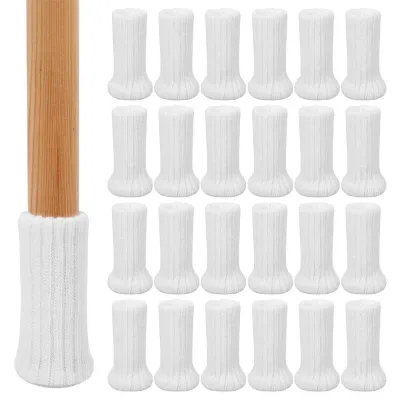
![[SG] 8pc Grey. Black. Brown. Chair Socks Leg Floor Protector Furniture Socks. 8 Pieces Per Set.](https://img.lazcdn.com/g/p/28aa641749d6eb97207245c0fe45e294.jpg_400x400q80.jpg_.webp)
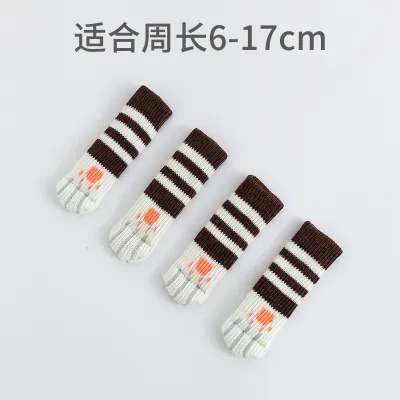
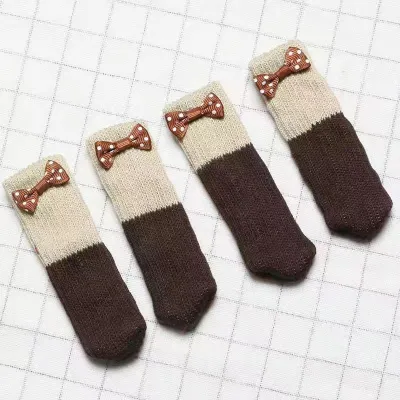
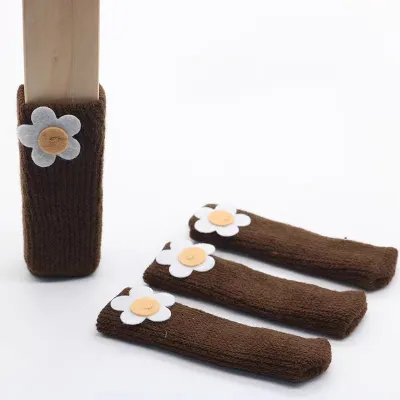
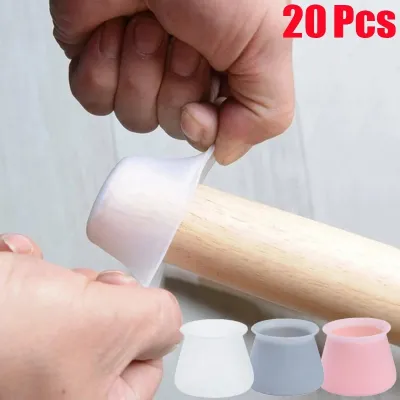
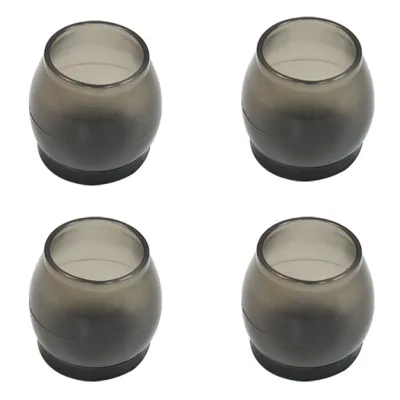
Prices are valid at publication and may change. Please refer to the product page for the latest price.
Finally, consider the traffic levels and acoustic needs of your household. Open-plan living areas often amplify the sound of scraping furniture, making noise reduction a high priority. In homes with active families, finding a balance between effortless sliding and stable, anti-slip grip is crucial for both convenience and safety.
Felt Furniture Socks: Scratch Prevention for Hardwood
Felt is widely regarded as the traditional standard for floor protection, particularly on highly sensitive surfaces like engineered wood, solid timber, and parquet. The soft, dense fibers of felt create a cushioned barrier that allows heavy furniture to glide effortlessly across smooth floors without leaving scuffs or micro-scratches. This smooth sliding action is highly effective at dampening the sharp, high-frequency scraping noises that typically occur when moving dining chairs.

When selecting felt protection, it is important to check the density and thickness specifications of the material. Low-density felt can compress rapidly under heavy loads, rendering the protective layer ineffective within a few weeks of use. For substantial furniture pieces like solid wood dining tables or heavy armchairs, look for high-density, industrial-grade felt that maintains its structural integrity under continuous pressure. The attachment method also plays a critical role; while slip-on socks with integrated felt pads offer excellent stability, adhesive-backed felt discs must be checked regularly to ensure the glue has not shifted or gathered dust along the edges.
Despite its excellent gliding properties, felt has distinct limitations in wet or highly textured environments. In areas prone to moisture, such as kitchens or entryways, felt fibers can absorb water, leading to mold growth or the degradation of the adhesive backing. Furthermore, on highly textured tiles or floors with wide grout lines, felt can catch on rough edges, causing the fibers to fray prematurely. Dust, pet hair, and small grit particles can also become embedded in the felt fibers over time, turning the protective pad into an abrasive surface that can actually scratch your floors if not cleaned or replaced regularly.
Silicone Furniture Socks: Grip and Moisture Resistance
Silicone furniture socks represent a modern, highly durable solution designed to address the shortcomings of traditional felt, particularly on hard, moisture-prone surfaces. Made from flexible, elastomeric materials, these socks stretch to conform tightly to various leg shapes, providing a secure fit that resists slipping. The primary advantage of silicone is its inherent water resistance, making it exceptionally well-suited for Singapore’s humid climate and wet zones like kitchens, bathrooms, and covered patios.
For homeowners with ceramic, homogeneous, or porcelain tiles, silicone socks offer an excellent balance of protection and stability. The material provides a natural anti-slip grip that prevents lightweight furniture from sliding unexpectedly when sat upon, which is a valuable safety feature in busy households. Additionally, because silicone is non-porous, it does not absorb spills, liquid cleaners, or ambient moisture, allowing you to mop your floors without worrying about damp furniture protectors harboring mildew or damaging the wood legs underneath.
However, the high-friction nature of silicone requires careful consideration. Because silicone does not slide easily, dragging heavy chairs fitted with pure silicone bases can be difficult and may put extra stress on the furniture joints. To mitigate this, many modern designs feature a hybrid construction with a silicone body for grip on the leg and a felt bottom for smooth sliding. Sizing accuracy is also critical; if the silicone sleeve is too loose, it will slide down and pool at the base of the leg, while an overly tight sleeve can tear during installation or put excessive tension on delicate furniture finishes. Homeowners should also inspect the interior of the silicone caps periodically to ensure no trapped moisture or fine grit is causing discoloration on sensitive wood finishes.
Fabric Furniture Socks: Aesthetic and Light-Duty Protection
Fabric furniture socks, often knitted or woven from elasticized cotton, polyester, or acrylic blends, offer a visually appealing and highly flexible option for light-duty floor protection. These socks function similarly to heavy-duty winter socks, stretching easily over a wide variety of irregular, tapered, or highly detailed furniture legs. They are particularly popular for matching specific interior design themes, as they are available in numerous colors, patterns, and textures that can blend seamlessly with your decor.
While fabric socks excel in aesthetics and ease of installation, they offer limited structural protection against deep scratches. They are best suited for lightweight furniture that is moved infrequently, such as bedroom vanity stools, side tables, or decorative display stands. Under the weight of heavy dining chairs or active family use, the thin fabric fibers can wear through quickly, leaving the bare furniture leg exposed to the floor.
To ensure long-term performance and hygiene, it is essential to check the quality of the elastic bands woven into the fabric. Low-quality elastic will quickly stretch out and lose its recovery force, causing the socks to slide down, bunch up, or fall off entirely. On the positive side, high-quality fabric socks are typically machine-washable, allowing you to easily remove accumulated dust, pet dander, and dirt. However, they must be kept strictly away from wet floors; if fabric socks absorb water during floor cleaning, they will hold the moisture against the furniture leg, potentially causing wood rot, rust on metal legs, or mold growth.
Material Comparison and Decision Framework
To choose the most effective furniture sock for your home, you must weigh the specific characteristics of your flooring against the physical properties of each material. The following matrix outlines how felt, silicone, and fabric perform across common residential flooring types:
| Material | Best Flooring Types | Key Advantages | Primary Limitations | Ideal Use Case |
|---|---|---|---|---|
| Felt | Engineered wood, parquet, smooth vinyl | Effortless gliding, excellent noise reduction | Absorbs moisture, traps grit, wears down on rough surfaces | Dining chairs on dry, smooth timber floors |
| Silicone | Homogeneous tiles, polished concrete, vinyl | Waterproof, secure fit, anti-slip stability | High friction (hard to slide), potential residue on sensitive finishes | Kitchen stools and patio furniture |
| Fabric | Smooth tiles, laminate, vinyl | Highly elastic, decorative variety, washable | Low durability under heavy loads, absorbs liquids | Light-duty accent furniture and bedroom stools |
When navigating this decision framework, prioritize the primary function of the room. If your main goal is to prevent scratches on expensive engineered wood in a dry living room, felt remains the superior choice due to its low-friction glide. If you are outfitting a dining area on tiled floors where spills are common, silicone or hybrid silicone-felt socks provide the necessary moisture barrier and stability. For guest bedrooms or study rooms with light-duty furniture, fabric socks offer a cost-effective and customizable solution.
Before applying any protective accessory, always verify your flooring manufacturer’s warranty guidelines. Some high-end vinyl or engineered wood manufacturers specify the types of backing materials allowed on their surfaces, warning against certain adhesives or non-breathable plastics that could trap moisture and void your coverage.
Sizing, Installation, and Ongoing Maintenance
Achieving optimal performance from your furniture socks depends heavily on accurate sizing and proper installation. Before purchasing, use a precise measuring tape or caliper to determine the exact dimensions of your furniture legs. For round legs, measure the diameter across the center of the base; for square legs, measure the width of one side. If your furniture has tapered or angled legs, take measurements at both the very bottom and about five centimeters up the leg to ensure the sock’s sleeve has sufficient height and elasticity to grip the tapering surface.
During installation, gently stretch the sock over the foot of the leg, ensuring the reinforced base sits flat against the floor. Avoid overstretching the material beyond its specified limits, as this weakens the elastic fibers in fabric or causes micro-tears in silicone, leading to premature failure. For adhesive felt pads, ensure the bottom of the furniture leg is thoroughly cleaned with rubbing alcohol and completely dry before applying the pad, pressing firmly for at least thirty seconds to establish a strong bond.
Maintaining your furniture protectors is key to preventing accidental floor damage. Establish a routine to inspect the bottom of each chair leg every few months. For silicone socks, wipe the exterior with a damp microfiber cloth to remove surface dust. Fabric socks should be removed and washed periodically to clear out trapped allergens and pet hair. Felt pads require the most vigilant monitoring; if you notice the felt has become compressed, hard, or embedded with dark grit, replace them immediately to prevent the trapped particles from acting like sandpaper against your floor finish.
Frequently Asked Questions (FAQ)
Can I use furniture socks on chairs with casters or wheels?
Standard furniture socks are not designed for use on chairs with casters or wheels. Attempting to pull a fabric, felt, or silicone sock over a wheel will restrict its rolling mechanism, causing the wheel to drag flat across the floor, which can lead to severe scuffing and rapid destruction of the sock material. If you need to protect hard floors from rolling office chairs, look for specialized caster cups designed to cradle the wheels when stationary, or consider replacing the standard hard plastic casters with soft polyurethane wheels specifically engineered for wood and tile surfaces.
Do silicone socks leave marks on vinyl flooring?
High-quality, food-grade silicone socks generally do not leave marks or react chemically with modern vinyl flooring. However, issues can arise if low-grade plasticizers are used in cheap imitation sleeves, or if fine dust and moisture become trapped beneath the silicone cap over a long period. To prevent any potential discoloration or dull spots on your vinyl floor, ensure both the floor and the inside of the silicone socks are completely clean and dry during installation, and remove the caps occasionally during your deep cleaning routine to inspect the floor finish underneath.

Community discussion
Share your experience or ask a question. Comments are reviewed before publication.