
Selecting the right furniture pads is the simplest yet most critical step in preserving the pristine condition of your home’s flooring. In Singapore, where residential interiors frequently feature high-end finishes like polished marble, teak parquet, luxury vinyl tiles (LVT), and glazed porcelain tiles, a single unprotected chair leg can cause permanent, costly damage. The ideal choice between felt, rubber, and silicone furniture pads is not a matter of finding a universally superior material, but rather matching the physical properties of each pad to your specific flooring type and how often the furniture is moved.
By understanding how these materials interact with different surfaces under varying weights, you can prevent unsightly scratches, deep gouges, and stubborn scuff marks. Making an informed decision now can save you thousands of S$ in professional floor polishing, sanding, or plank replacement costs down the road.
Understanding Your Floor Type and Furniture Needs
Before purchasing any protective pads, you must evaluate the specific characteristics of your flooring. Hardwood and parquet floors are highly organic and sensitive to pressure; they scratch easily from fine grit and can dent under heavy, concentrated loads. Glazed ceramic or porcelain tiles are exceptionally hard and scratch-resistant, but their grout lines present a different hazard, as dragging heavy furniture across them can chip the tile edges. Luxury vinyl flooring and laminates offer excellent water resistance but are still vulnerable to micro-abrasions from trapped dirt and can suffer from chemical discoloration when paired with incompatible backing materials.
Products mentioned in this guide
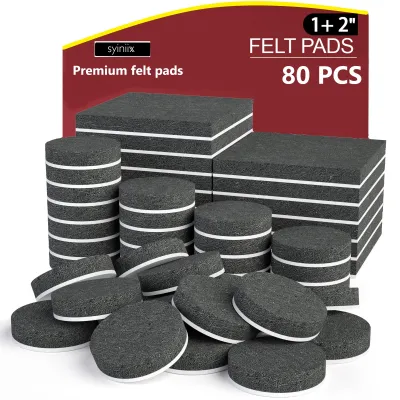
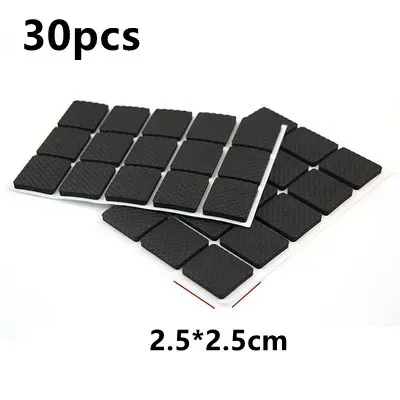
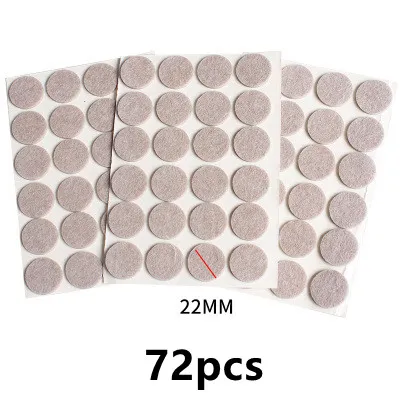
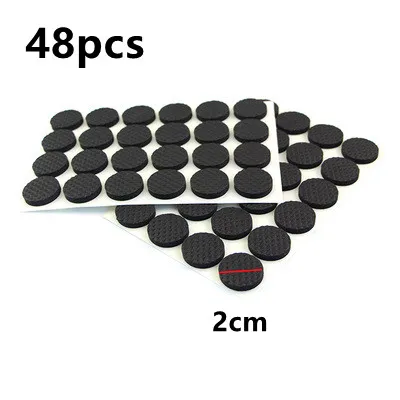
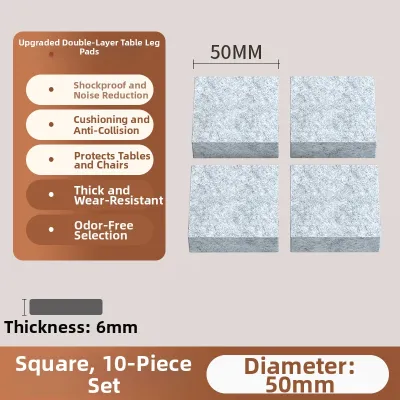
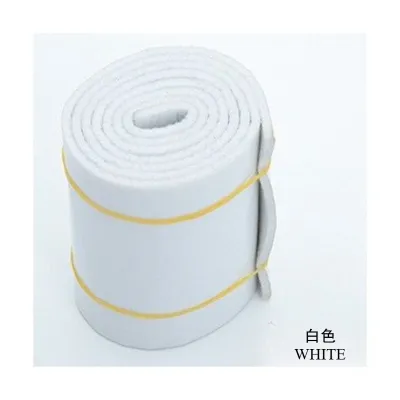
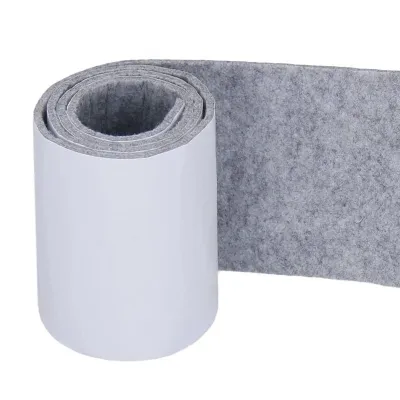
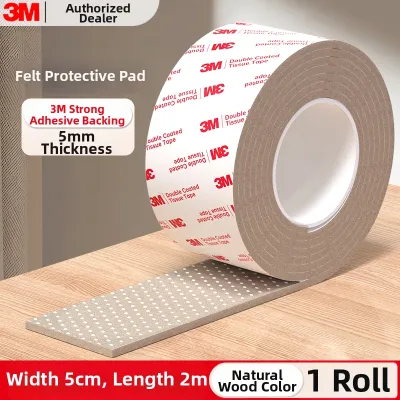
Prices are valid at publication and may change. Please refer to the product page for the latest price.
Next, consider how your furniture behaves. Dynamic furniture, such as dining chairs, bar stools, and study chairs, experiences frequent lateral movement and requires pads that facilitate a smooth, quiet glide. Stationary furniture, including heavy sofas, wardrobes, bed frames, and bookshelves, exerts continuous downward pressure and requires pads that distribute weight evenly while preventing the piece from sliding out of place.
Finally, look at the physical shape of the furniture legs. Angled legs concentrate weight on a single sharp edge, which can quickly slice through thin, low-quality pads. Flat, wide legs distribute weight more evenly but require larger pads with strong adhesive backing to prevent them from shifting or peeling off during minor adjustments.
Material Breakdown: Felt, Rubber, and Silicone
To choose the right protection, it helps to understand what these pads are made of and how they function. The market is dominated by three primary materials: compressed or woven felt, vulcanized synthetic or natural rubber, and molded silicone. Each material offers a distinct balance of friction, cushioning, and durability.

When evaluating these options, your primary decision factors should be the balance between glide and grip, the aesthetic visibility of the pad on your furniture legs, and the overall load-bearing capacity required for the weight of the furniture.
Felt Pads: Best for Hardwood and Smooth Gliding
Felt pads are the traditional gold standard for protecting delicate wood floors. Typically made from compressed synthetic fibers or wool blends, these pads offer an incredibly low coefficient of friction. This characteristic makes them ideal for dynamic furniture like dining chairs, allowing them to slide effortlessly and silently across parquet, engineered wood, or laminate surfaces without leaving scratch marks.
However, felt has distinct limitations in specific environments. Because felt is highly porous, it readily absorbs moisture. In humid climates or during routine wet mopping, wet felt can trap moisture against wooden furniture legs, potentially leading to wood rot, mold growth, or adhesive failure. Additionally, under extreme static loads—such as a heavy solid-wood dining table—felt will compress permanently over time, losing its cushioning properties and requiring timely replacement.
When shopping for felt pads, avoid relying on vague marketing terms like “heavy-duty.” Instead, inspect the physical density and thickness of the felt. High-quality felt pads are dense, firm to the touch, and do not easily compress when pinched between your fingers. Opt for thicker, screw-in or nail-on felt pads for high-use chairs, as these provide a mechanical attachment that outlasts simple self-adhesive backings.
Rubber Pads: Best for Grip and Heavy Furniture
Rubber pads are engineered for maximum friction and stability. Made from vulcanized natural or synthetic rubber, these pads are designed to grip the floor surface tightly, preventing any unwanted movement. This makes them the ideal choice for heavy, stationary furniture such as sectional sofas, bed frames, and heavy shelving units that you want to keep securely in place on smooth surfaces like polished porcelain tiles or marble.
While rubber provides excellent grip, you must verify the manufacturer’s compatibility labels before installation. Certain synthetic rubber compounds contain plasticizers that can chemically react with the polyurethane finishes on hardwood floors or the wear layers of luxury vinyl tiles, resulting in permanent yellowing or dark stains. Always look for non-marking rubber pads specifically labeled as safe for your floor type.
Keep in mind the clear trade-off: the stronger the grip, the more difficult it is to reposition your furniture. Attempting to drag a heavy sofa fitted with rubber pads can cause the pads to tear, peel off, or even put undue stress on the joints of the furniture legs. If you must move these items, they should be lifted entirely rather than slid.
Silicone Pads: Best for Discreet Protection and Medium Grip
Silicone pads offer a modern, highly versatile alternative that balances the properties of felt and rubber. Often molded into flexible, stretchable sleeves or caps that slip directly over the furniture leg, silicone pads provide a snug, custom fit. Their transparent or semi-translucent nature makes them incredibly discreet, preserving the clean aesthetic of modern furniture with slim or tapered legs.
One of silicone’s greatest advantages is its complete resistance to water. Unlike felt, silicone will not absorb moisture, making it perfect for high-humidity areas, kitchens, bathrooms, or outdoor patio furniture. The flexible material also naturally conforms to slightly uneven or angled leg bases, ensuring even contact with the floor.
Before purchasing, inspect the quality of the adhesive backing if you are using stick-on silicone discs, as silicone can be difficult for standard adhesives to bond with securely. If you opt for silicone sleeves, check the durometer (hardness) of the material; very soft silicone can tear under heavy loads, so ensure the thickness and firmness match the weight of your furniture.
Comparison Matrix: Matching Pads to Your Home
To help you quickly identify the right material for your specific rooms and furniture types, use the comparison matrix below to guide your purchasing decisions.
| Material | Primary Function | Ideal Floor Types | Visibility | Moisture Resistance | Best Suited Furniture |
|---|---|---|---|---|---|
| Felt | Smooth gliding, low friction | Hardwood, parquet, laminate | Moderate (visible edges) | Low (absorbs water) | Dining chairs, bar stools, study chairs |
| Rubber | High grip, anti-slip | Ceramic/porcelain tile, marble | High (usually black/grey) | High (waterproof) | Sofas, bed frames, heavy bookshelves |
| Silicone | Discreet protection, medium grip | Vinyl (LVT), tile, laminate | Very Low (transparent) | Excellent (waterproof) | Modern dining chairs, kitchen stools, side tables |
When applying this framework, use a simple conditional approach: choose felt if your primary goal is smooth, quiet movement on delicate wood; choose rubber if you need to prevent heavy items from shifting on hard tiles; and choose silicone if you want water-resistant, nearly invisible protection with a moderate hold.
Always verify first if your flooring has specialized coatings, custom oil finishes, or if you are dealing with delicate antique furniture. In these specialized cases, consult your flooring manufacturer’s warranty guidelines or a professional installer to ensure the chosen pad material will not inadvertently damage or discolor the surface finish.
Installation and Maintenance Tips for Long-Lasting Protection
No matter which material you choose, proper installation is key to ensuring long-lasting floor protection. Before applying any self-adhesive pad, you must thoroughly clean the bottom of the furniture leg. Dust, wax, and old adhesive residue will prevent a secure bond. Wipe the leg base with a clean cloth dampened with isopropyl alcohol, allow it to dry completely, and then apply the pad, pressing firmly for at least thirty seconds to activate the pressure-sensitive adhesive.
Establish a routine inspection checklist to keep your floors safe. Every few months, check the condition of your furniture pads. Look closely for worn-down felt, hardened or cracked rubber, or peeling silicone. Most importantly, inspect the pads for embedded debris; fine sand, grit, or small pet hairs trapped in felt or silicone can act like sandpaper, scratching your floors every time the furniture moves.
Recognize the clear triggers for replacement: loss of adhesion, visible thinning of the pad material, or peeling edges. When removing old adhesive pads, use a plastic scraper and a mild adhesive remover or rubbing alcohol to clean off the sticky residue. Avoid using metal blades or harsh chemical solvents that could gouge the wood or strip the finish off your furniture legs.
Frequently Asked Questions (FAQ)
Can I use rubber pads on luxury vinyl plank (LVP) flooring?
You should exercise caution when using standard rubber pads on luxury vinyl plank (LVP) flooring. Many traditional rubber pads contain chemical plasticizers that can migrate into the vinyl surface, causing permanent chemical staining or yellowing that cannot be cleaned off. To protect LVP floors, look specifically for non-marking rubber pads labeled as vinyl-safe, or opt for high-density felt or silicone sleeves, which do not pose a risk of chemical discoloration.
How often should I replace felt furniture pads?
There is no fixed calendar schedule for replacing felt pads, as their lifespan depends entirely on how often the furniture is moved and the cleanliness of your floors. For high-use items like dining chairs, inspect the pads every six months. You should replace them immediately if they have compressed to a hard, thin layer, if the edges are peeling away, or if you notice dirt and grit embedded in the fibers that could scratch your flooring.

Community discussion
Share your experience or ask a question. Comments are reviewed before publication.