
Every time a chair scrapes across a dining room floor or a heavy sofa shifts during use, your flooring is at risk of permanent damage. Scratches, scuffs, and deep gouges not only diminish the beauty of your home but can also lead to costly repair bills. Protecting your investment requires a simple yet critical accessory: the furniture leg protector. However, selecting the right protector is not a one-size-fits-all decision, as the wrong material can sometimes cause as much trouble as no protection at all.
The three most common materials used for floor protection are felt, rubber, and silicone. Each material possesses distinct physical properties that make it highly effective for certain scenarios and completely unsuitable for others. To make an informed choice, you must evaluate your specific floor surface, the weight of your furniture, and how frequently the pieces are moved. This guide provides a comprehensive comparison of these materials to help you safeguard your floors and keep your furniture stable.
Assessing Your Floor Surface and Furniture Needs
Before purchasing any furniture leg protector, it is essential to analyze the environment in which it will perform. Different flooring materials have unique vulnerabilities. For instance, solid hardwood and engineered wood are highly susceptible to fine scratches from abrasive particles, while ceramic or porcelain tiles are prone to chipping if heavy furniture is dropped or dragged unevenly. Laminate and luxury vinyl tile offer excellent durability but can still suffer from dull scuff marks or deep indentations under concentrated loads.
Products mentioned in this guide
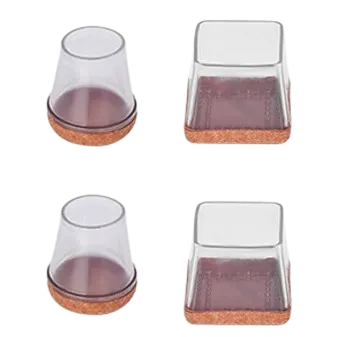
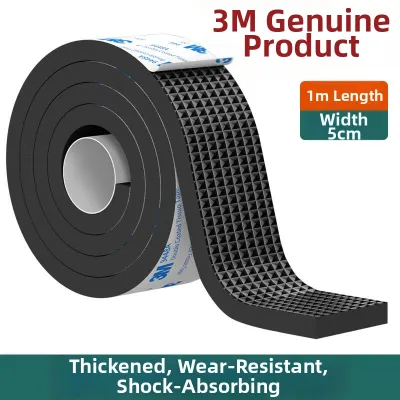
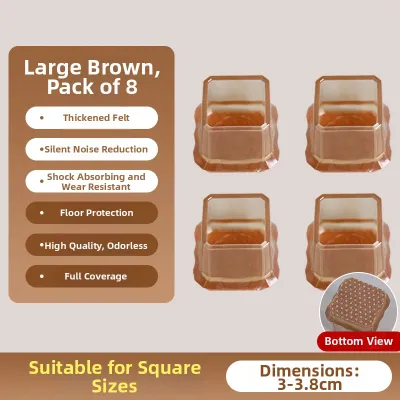
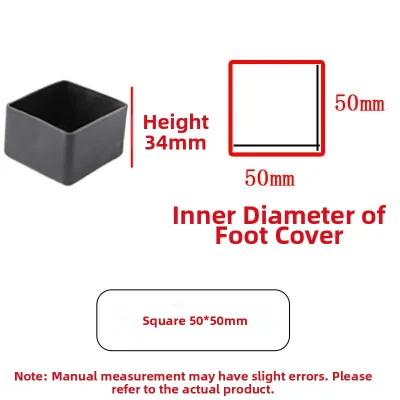
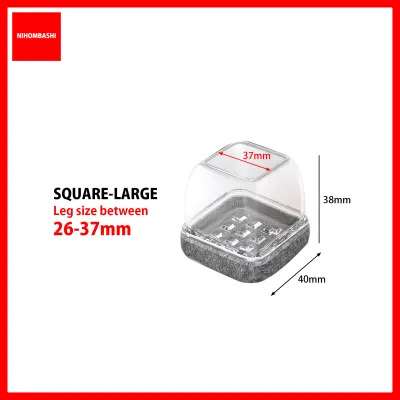
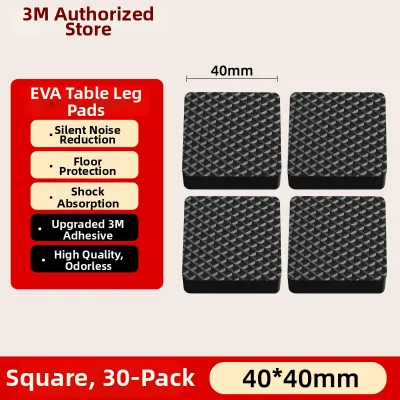
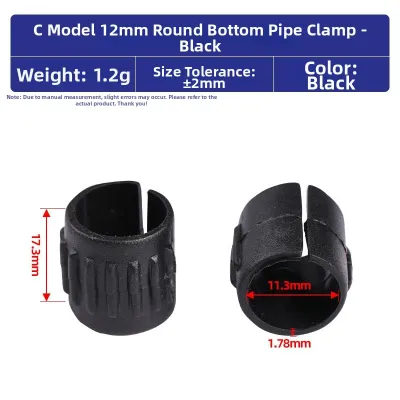
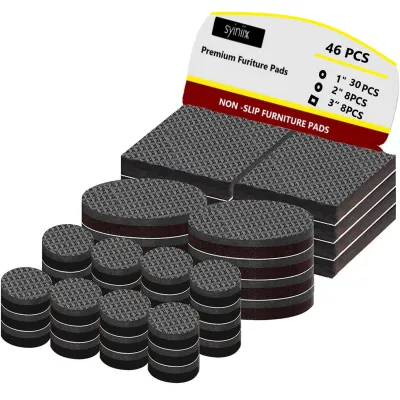
Prices are valid at publication and may change. Please refer to the product page for the latest price.
The weight of your furniture plays a major role in how a protector behaves over time. Light furniture, such as dining chairs or bar stools, exerts low static pressure but undergoes high-frequency movement. Medium-weight items, including study desks and coffee tables, experience occasional movement and moderate pressure. Heavy furniture, such as sectional sofas, solid wood dining tables, and large storage cabinets, exerts immense downward force. This concentrated weight can quickly compress soft materials, causing them to bottom out and lose their protective qualities.
Movement frequency is the final piece of the puzzle. Frequently moved items require a low-friction material that allows the furniture to glide smoothly across the floor without catching. Conversely, stationary furniture requires a high-friction material that grips the floor to prevent sliding, which can destabilize the piece or cause structural strain on the furniture joints. Balancing these three factors—floor type, weight, and movement—is the key to choosing the ideal protector.
Felt Protectors: Gliding on Smooth, Hard Floors
Felt protectors are the traditional standard for smooth, hard flooring surfaces. Made from compressed wool or synthetic fibers, these pads are designed to minimize friction, allowing furniture to slide effortlessly. They are particularly well-suited for hardwood, laminate, and smooth tile floors where daily movement is expected.

The primary advantage of felt is its superior gliding ability. When applied to the legs of dining chairs, felt pads allow you to pull out and push in chairs quietly and smoothly, preventing the harsh scraping sounds that can disrupt a household. They are also highly effective for light to medium-weight furniture that needs to be rearranged occasionally for cleaning or entertaining.
However, felt has distinct limitations when it comes to weight and durability. Under heavy loads, such as a large wardrobe or a fully loaded bookshelf, the fibrous structure of felt compresses rapidly. Once compressed, the pad loses its cushioning ability, and the adhesive backing may squeeze out, leaving a sticky residue on your floor.
Furthermore, felt acts as a magnet for dust, pet hair, and microscopic grit. As these particles accumulate on the bottom of the pad, they become embedded in the fibers. Over time, this buildup transforms the soft felt into an abrasive surface, essentially acting like sandpaper every time the furniture moves. To prevent this, you must regularly inspect the pads, vacuum away debris, and replace them as soon as they become flattened or dirty.
Rubber Protectors: Grip and Stability for Heavy Loads
When your primary goal is to keep furniture firmly in place, rubber protectors are the most effective option. Known for their high coefficient of friction, rubber pads and cups provide exceptional grip, making them ideal for heavy, stationary, or top-heavy furniture.
Heavy pieces like sofas, beds, and entertainment centers can easily slide when leaned against, which not only damages the floor but can also cause the furniture to tip or separate. Rubber protectors absorb the lateral forces of daily use, anchoring the furniture securely to the floor. They are also excellent at dampening vibrations, which is highly beneficial under heavy appliances or electronics.
Despite their stability benefits, rubber protectors carry specific risks for certain floor finishes. Some rubber compounds contain plasticizers or chemical additives that can react with the polyurethane finishes commonly used on hardwood floors. This chemical reaction can cause permanent yellowing, dark marks, or sticky spots that are difficult to remove. Additionally, soft rubber can leave black scuff marks on light-colored vinyl or tile floors.
Because of these risks, it is crucial to check your flooring manufacturer’s care instructions before using rubber protectors. If rubber is permitted, ensure you choose non-marking, high-quality rubber pads. Keep in mind that the high friction of rubber makes moving furniture extremely difficult; therefore, these protectors should be reserved strictly for items that do not require regular repositioning.
Silicone Protectors: Flexibility and Moisture Resistance
Silicone furniture leg protectors have gained popularity as a modern, versatile alternative to traditional felt and rubber. Typically designed as flexible, stretchable caps, silicone protectors slip over the ends of furniture legs, conforming to their shape.
One of the standout features of silicone is its resistance to moisture and environmental degradation. Unlike felt, which absorbs liquids and can harbor mold, or rubber, which can dry out and crack, silicone remains stable in wet environments. This makes silicone caps the perfect choice for kitchens, bathrooms, and outdoor patios where spills, humidity, and frequent floor washing are common.
Silicone offers a balanced level of friction. It provides enough grip to prevent furniture from sliding too easily, yet it does not stick so firmly that the furniture becomes impossible to move. This moderate friction allows for controlled sliding on hard surfaces without the risk of chemical staining associated with rubber.
However, silicone protectors require regular durability checks. While silicone is highly elastic, it can be vulnerable to tearing, especially when installed on thin, sharp-edged metal legs or under very heavy loads. If the metal edge cuts through the silicone, the exposed leg will come into direct contact with your floor. Regularly inspect the caps for signs of stretching, thinning, or tearing to ensure continuous protection.
Matching Protectors to Your Floor and Furniture
To help you decide which material fits your specific household needs, the following table summarizes the key characteristics, ideal applications, and limitations of felt, rubber, and silicone protectors.
| Material | Best Floor Types | Ideal Furniture Weight | Movement Frequency | Key Limitation |
|---|---|---|---|---|
| Felt | Hardwood, laminate, smooth tile | Light to medium | High (frequent gliding) | Traps grit and debris; compresses under heavy loads |
| Rubber | Textured tile, concrete, non-reactive finishes | Heavy | Low (stationary) | Can mark or discolor finishes; high friction prevents easy movement |
| Silicone | Tile, vinyl, laminate, sealed wood | Light to medium | Moderate | Vulnerable to tearing on sharp metal edges |
When selecting a protector, always prioritize the manufacturer’s specifications regarding weight limits and floor compatibility. Combining materials—such as using felt for dining chairs and rubber for the sofa—often yields the best overall protection for a multi-functional living space.
Installation and Maintenance Checklist
Proper installation and ongoing maintenance are just as important as choosing the right material. Even the highest-quality protector can fail or cause damage if applied incorrectly. Follow this checklist to ensure optimal performance:
- Surface Preparation: Before applying adhesive pads or slipping on caps, clean the bottom of the furniture leg thoroughly. Use a damp cloth with a mild cleaner to remove dust, wax, and old adhesive residue. Allow the wood or metal to dry completely, as moisture will prevent adhesives from bonding or cause slip-on caps to slide off.
- Secure Attachment: For adhesive felt or rubber pads, press the pad firmly onto the center of the leg and hold it in place for at least thirty seconds. If using slip-on silicone caps, ensure the cap is sized correctly and stretched snugly over the leg without any loose gaps.
- Routine Inspection: Establish a schedule to check your furniture protectors every few months. Look for signs of wear, such as flattened felt, cracked rubber, or torn silicone. Run your finger over felt pads to check for embedded grit or small pebbles that could scratch your floor.
- Prompt Replacement: Replace any worn, dirty, or shifting protectors immediately. If an adhesive pad begins to slide off the leg, remove it, clean the adhesive residue, and apply a fresh pad.
- When to Stop and Consult: If you discover deep scratches, gouges, or stubborn adhesive residue that does not respond to gentle cleaning, stop your DIY efforts. Attempting to scrape off residue or sand out scratches without professional guidance can strip your floor's protective finish and worsen the damage. Consult a flooring specialist to assess the situation and recommend safe repair methods.
Frequently Asked Questions (FAQ)
Can I use felt pads on carpeted floors?
Felt pads are designed specifically for hard, smooth surfaces and are not suitable for carpeted floors. On carpet, the soft texture of felt offers no functional benefit and can actually catch on the carpet fibers. This friction can pull the fibers loose, damaging your carpet, or cause the felt pad to peel off the furniture leg, leaving a sticky adhesive residue behind. For carpeted floors, hard plastic glides or specialized metal glides are much more effective, as they allow the furniture to slide smoothly over the carpet pile without snagging.
How do I remove sticky residue left by furniture pads?
Before attempting to remove adhesive residue, always check your flooring manufacturer’s care guidelines to avoid using products that could strip the finish. For a safe, non-abrasive approach, start by wiping the area with a microfiber cloth dampened with warm water and a few drops of mild dish soap. If the residue persists, you can gently rub the spot with a small amount of mineral oil or a specialized, floor-safe adhesive remover, testing it on an inconspicuous area first. Avoid using harsh chemicals like acetone, paint thinner, or abrasive scrubbing pads, as these can permanently dull or damage the floor’s protective coating.
Do slip-on silicone caps work on square furniture legs?
Yes, slip-on silicone caps can work on square furniture legs, but you must select products specifically designed for that shape. While silicone is highly stretchable, forcing a round cap onto a square leg can cause uneven tension, leading to premature tearing at the corners or causing the cap to slide off during movement. Always measure the exact width and depth of your square furniture legs and compare these measurements to the manufacturer’s sizing chart. Choosing a square-molded silicone cap ensures a snug, secure fit that distributes pressure evenly and stays in place.

Community discussion
Share your experience or ask a question. Comments are reviewed before publication.