
The “best” furniture leg protector does not exist in a vacuum; the right choice depends entirely on your specific floor type and how the furniture is used. Felt excels for sliding chairs on smooth surfaces, rubber provides grip for heavy stationary items, and silicone offers a secure fit for irregular leg shapes. This guide compares these three materials to help you match the correct protector to your flooring and furniture usage, ensuring long-term protection without damaging your home.
In Singapore homes, where flooring ranges from polished parquet to homogeneous tiles and luxury vinyl planks, selecting the wrong protector can lead to costly floor repairs. High humidity levels can also affect how adhesives perform, making material selection even more critical. By understanding how felt, rubber, and silicone interact with different surfaces, you can safeguard your interior investment.
How to Match Protector Materials to Your Floor Type
Hardwood and laminate floors require materials that minimize friction and prevent abrasive wear. Parquet and engineered wood are highly susceptible to scratches from daily movement. Felt is the preferred choice here because it allows smooth gliding, but it must be checked regularly. If dust, grit, or pet hair becomes trapped in the felt fibers, the pad can act like sandpaper and scratch the very wood it is meant to protect.
Products mentioned in this guide
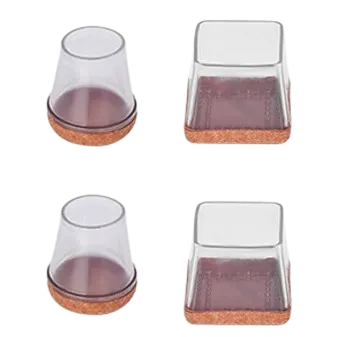
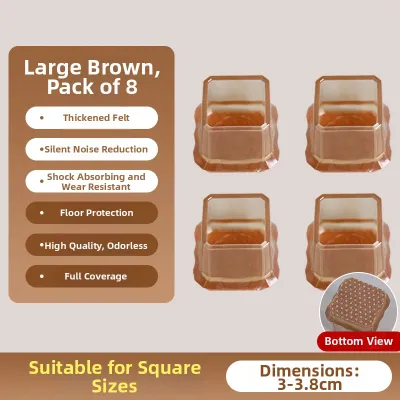
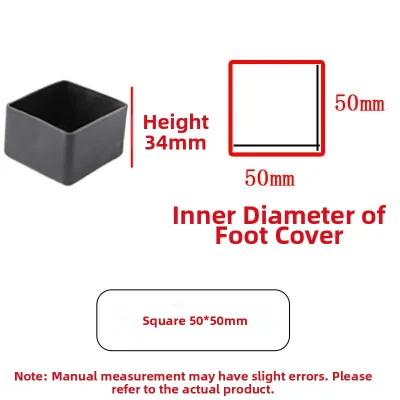
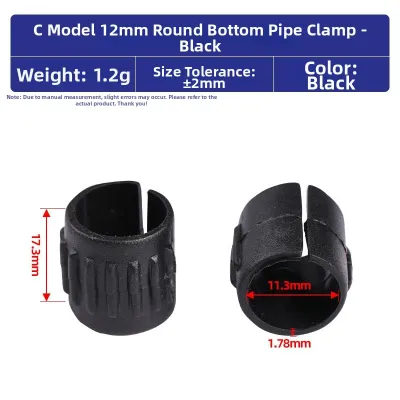
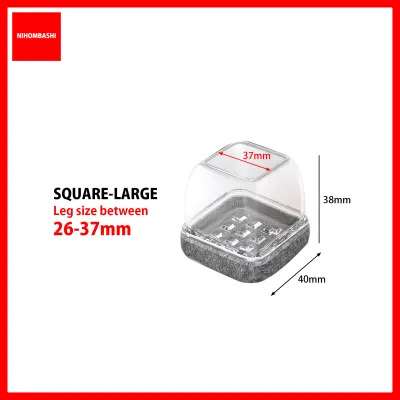
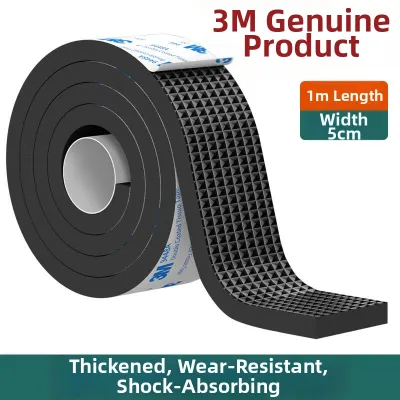
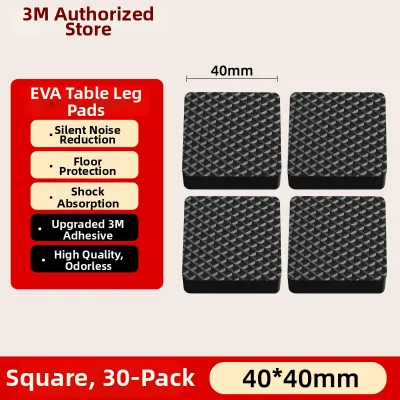
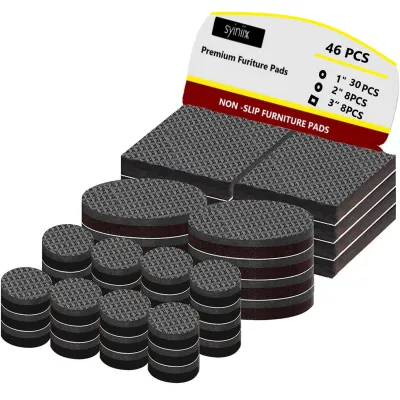
Prices are valid at publication and may change. Please refer to the product page for the latest price.
Tile and stone floors present a different set of challenges, particularly regarding impact and noise. Homogeneous tiles, marble, and granite are durable but can chip or crack under heavy impact from solid wood furniture. They also feature grout lines that create uneven surfaces. Rubber is highly effective on these floors because it absorbs shock and prevents heavy items from shifting, while silicone caps offer excellent stability on textured stone.
Vinyl and linoleum flooring require careful material compatibility checks to avoid permanent damage. Luxury Vinyl Plank (LVP) and vinyl sheets are popular for their water resistance, but they are highly sensitive to chemical staining. Many traditional rubber compounds contain plasticizers that chemically react with vinyl, causing permanent yellowing or dark stains. For vinyl, silicone or felt is generally safer, and any rubber used must be explicitly labeled as non-staining by the manufacturer.
Comparing Felt, Rubber, and Silicone Protectors
Felt Pads: Best for Sliding and Hard Floors
Felt pads are designed to minimize friction, making them the ideal choice for dining chairs, bar stools, and any furniture that is moved daily. The soft, fibrous texture of felt allows furniture to glide effortlessly across smooth surfaces like hardwood, laminate, and polished stone. This smooth movement prevents the scraping noises that can disrupt a quiet household.

When selecting felt pads, it is essential to check the thickness and density of the material. Low-density felt pads compress quickly under weight, causing the furniture leg to bottom out and make direct contact with the floor. Look for heavy-duty, high-density wool or synthetic felt that maintains its structure under load. Additionally, evaluate the adhesive backing; in warm, humid climates, standard adhesives can soften and slip, so choosing a high-quality brand or opting for screw-in felt pads is often more reliable.
The primary limitation of felt is its tendency to act like a magnet for dust, hair, and abrasive debris. Over time, these particles embed themselves into the felt fibers, transforming a protective pad into an abrasive surface that can scratch your floors. Felt also wears down and flattens with use, meaning these pads require regular inspection and timely replacement to remain effective.
Rubber Grips: Best for Heavy, Stationary Furniture
Rubber protectors are engineered for traction and shock absorption rather than sliding. They are the ideal choice for heavy, stationary furniture such as sofas, beds, wardrobes, and heavy appliances that you want to keep firmly in place. The high coefficient of friction inherent in rubber prevents these heavy pieces from shifting when you sit down or lean against them.
When purchasing rubber grips, always verify the manufacturer’s “non-marking” and “non-staining” claims on the product packaging. Some low-grade rubber materials contain oils and carbon black that can leave dark scuff marks or chemically migrate into floor finishes, particularly on light-colored vinyl or polyurethane-coated wood. Choosing high-quality synthetic rubber or thermoplastic elastomers (TPE) helps mitigate this risk.
Over time, rubber is subject to environmental degradation. Under continuous heavy loads and exposure to air and ambient warmth, rubber can harden, crack, or flatten permanently. Once rubber loses its elasticity, its shock-absorbing capabilities diminish, and the hardened material may even scratch the floor. Regular checks are necessary to ensure the rubber remains pliable and intact.
Silicone Caps: Best for Secure Fit and Odd Shapes
Silicone caps offer a modern hybrid solution, combining a flexible sleeve that grips the furniture leg with a protective bottom layer. The primary advantage of silicone is its elasticity, allowing a single cap size to stretch and conform to square, rectangular, tapered, or highly irregular furniture legs where flat adhesive pads would fail to stay attached.
When evaluating silicone caps, inspect the inner grip structure and the quality of the silicone itself. High-quality silicone should have sufficient wall thickness to resist tearing while remaining elastic enough to stretch over the leg. Some caps feature internal anti-slip bumps or ribs that prevent the sleeve from sliding down or twisting off the leg during movement.
While silicone is highly durable, it is susceptible to damage from lateral stress. If furniture fitted with silicone caps is dragged frequently across rough surfaces, the sheer force can cause the silicone to tear or roll up on itself. They are best suited for light to medium-weight furniture or items that are lifted slightly when moved, rather than dragged forcefully.
Key Decision Factors Beyond Material
The way a protector attaches to a furniture leg is just as important as the material itself. Adhesive pads are easy to install but can slide off under lateral pressure or degrade in humid conditions. Slip-on caps provide a secure, wrap-around fit without adhesives but are highly visible and may alter the aesthetic of sleek furniture legs. Screw-in or nail-on protectors offer the most permanent and secure attachment, making them excellent for wooden dining chairs, though they require drilling into the furniture leg and cannot be used on metal or plastic legs.
Do not rely on material type alone to determine if a protector can handle your furniture. Always read the manufacturer’s specifications regarding load limits and dimensions. Heavy dining tables and solid wood beds require thicker, heavy-duty protectors that will not compress to a paper-thin layer under load. Using a protector rated for light chairs on a heavy sofa will lead to rapid failure and potential floor damage.
No furniture protector is a permanent, set-and-forget solution. Establish a routine cleaning schedule to wipe down silicone caps and vacuum felt pads to remove trapped grit. Identify clear replacement triggers: replace felt pads when they become compressed, hard, or dirty; replace rubber grips if they show signs of cracking or flattening; and replace silicone caps immediately if they begin to tear or slip off the leg.
Step-by-Step Selection and Installation Guide
Begin by accurately measuring the dimensions of your furniture legs. For round legs, measure the diameter; for square or rectangular legs, measure the width and depth. Use a caliper or a flexible measuring tape for precision. At the same time, assess the condition of your floor. If the floor is already scratched or uneven, you may need thicker, more forgiving protectors to compensate for the surface irregularities.
For adhesive-backed protectors to bond successfully, the bottom of the furniture leg must be completely clean and dry. Use a mild degreasing agent or rubbing alcohol to remove old adhesive residue, wax, polish, and dust. Allow the wood or metal to dry completely before applying the new pad. Skipping this step is the primary reason adhesive pads fall off within a few weeks.
Apply the protector firmly according to the manufacturer’s instructions. If using screw-in protectors, pre-drill a small pilot hole to prevent the wooden leg from splitting. Once installed, test a single piece of furniture in an inconspicuous area. Slide it gently or apply weight to verify that the protector does not slip, mark the floor, or make unusual noises. Once satisfied, complete the installation across all furniture legs.
Frequently Asked Questions (FAQ)
Can I use rubber pads on luxury vinyl plank (LVP) flooring?
It is generally recommended to avoid standard rubber pads on luxury vinyl plank (LVP) flooring unless the product is explicitly certified as non-staining or vinyl-safe by the manufacturer. Many rubber products contain plasticizers that can chemically react with the vinyl wear layer, leading to permanent yellowing or dark discoloration. For LVP, high-quality silicone caps or dense felt pads are typically safer alternatives that do not carry this chemical staining risk.
How often should I replace felt pads on dining chairs?
On frequently used dining chairs, felt pads should typically be inspected every three to six months and replaced at least once a year. However, the exact timeline depends on usage and floor cleanliness. If you observe that the felt has become completely flattened, feels hard to the touch, has accumulated a visible layer of dust and hair, or if the chair no longer glides quietly, it is time to replace them immediately to prevent floor scratches.
Do silicone caps work on square or rectangular furniture legs?
Yes, silicone caps can work exceptionally well on square or rectangular furniture legs, provided you select the correct shape and size. While standard round silicone caps have some stretch, forcing them onto sharp-cornered square legs can cause the silicone to tear prematurely under stress. For the best fit and durability, look for silicone caps specifically molded in square or rectangular profiles that match the dimensions of your furniture legs.

Community discussion
Share your experience or ask a question. Comments are reviewed before publication.