
Choosing the right chair foot pads is a simple yet critical decision for protecting your home’s flooring, reducing ambient noise, and ensuring your furniture remains stable. The ideal material depends entirely on your specific floor surface, how frequently the chairs are moved, and whether your primary goal is to facilitate smooth gliding or to prevent sliding altogether. While felt pads excel at dampening sound and protecting delicate timber floors, rubber pads offer grip for stationary furniture, and plastic glides allow effortless movement across carpeted areas.
By matching the physical properties of these materials to your household needs, you can avoid costly floor repairs and eliminate the disruptive scraping sounds of moving furniture. Selecting the wrong pad can lead to scratched finishes, stained vinyl, or unstable seating, making it essential to evaluate your options before making a purchase.
Assessing Your Floor Type and Furniture Needs
Before selecting a chair foot pad, you must identify the exact flooring material in your living space. Common residential surfaces include solid hardwood, engineered timber, laminate, luxury vinyl tiles, polished porcelain tiles, and various types of carpeting. Each of these materials reacts differently to friction, pressure, and chemical contact. For instance, some luxury vinyl and polyurethane floor finishes carry manufacturer warranties that are voided if they come into contact with certain rubber compounds, which can cause permanent discoloration.
Products mentioned in this guide
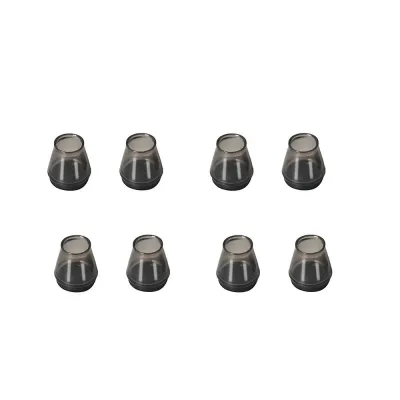
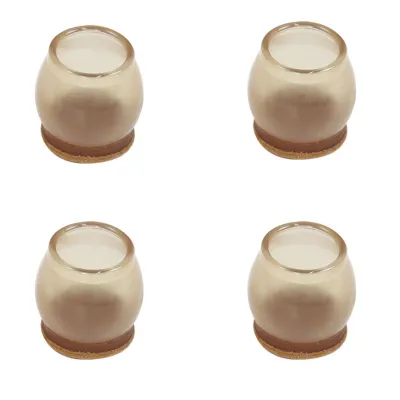
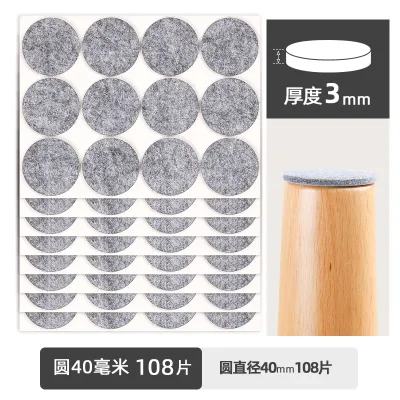
![[SG Seller] 4 Pcs Chair Foot Protective Cover Non-slip Chair Leg Protector Cover Anti Scratch Table Furniture Leg Cover](https://img.lazcdn.com/g/p/8ebd2b13161ca8fe7dec03418ddd4d21.jpg_400x400q80.jpg_.webp)
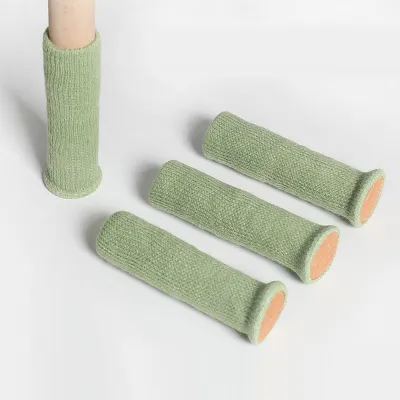
Prices are valid at publication and may change. Please refer to the product page for the latest price.
Next, evaluate the physical characteristics of the furniture itself. Consider the weight of the chair, the shape and surface area of the leg bases, and how often the piece is moved. A heavy dining chair that is pulled out multiple times a day requires a pad that minimizes friction and handles constant lateral stress. Conversely, a stationary lounge chair or a heavy sideboard needs a pad designed to distribute high vertical loads without compressing completely or slipping out of place.
Finally, define your primary objective for the furniture legs. If your main concern is the harsh scraping noise of chairs on hard tiles, acoustic dampening should be your priority. If you want to prevent lightweight chairs from sliding away when someone attempts to sit down, slip resistance becomes the critical factor. Clarifying these needs upfront prevents the common mistake of buying a one-size-fits-all solution that fails to perform.
Felt Chair Foot Pads: Hard Floors and Noise Reduction
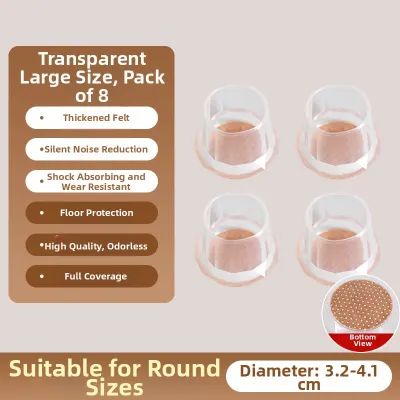
Felt chair foot pads are the traditional choice for hard, smooth indoor surfaces such as timber, parquet, and laminate. Made from compressed wool or synthetic fibers, these pads provide a soft, cushioned barrier that allows furniture to glide silently and effortlessly across the floor. The dense fiber structure absorbs the impact of sudden weight shifts, significantly reducing the transmission of low-frequency noise through the floorboards.

However, felt pads have distinct limitations that require careful consideration. Because of their fibrous texture, they act like a magnet for dust, pet hair, and abrasive grit. Over time, these particles become embedded in the felt, turning the soft pad into a rough surface that can scratch your floor finish as the chair slides. Additionally, felt is highly susceptible to moisture. Exposure to water during floor mopping or high indoor humidity can weaken the adhesive backing, causing the pad to slide off the leg and leave a sticky residue on your floor.
To ensure long-term performance, you must perform regular verification checks. Inspect the adhesive backing quality before application; heavy-duty, industrial-strength adhesives generally hold up longer than thin, generic alternatives. For chairs that experience heavy daily use, consider nail-on or screw-in felt pads rather than simple peel-and-stick options, as mechanical fasteners prevent the pad from shifting. Regularly monitor the thickness of the felt, and replace the pads immediately once they compress flat or show signs of fiber fraying.
Rubber Chair Foot Pads: Grip and Heavy Furniture
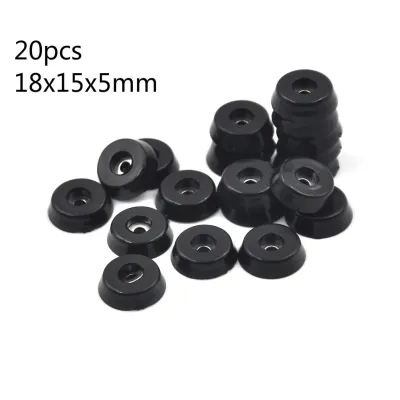
Rubber chair foot pads are designed for stability, offering exceptional grip and floor protection under heavy or stationary furniture. Whether made from natural rubber or synthetic elastomers, these pads create high friction against smooth surfaces like ceramic tiles, polished concrete, and vinyl. This makes them highly effective for items you want to keep firmly in place, such as sofas, bed frames, heavy dining tables, or kitchen island bar stools.
Despite their protective qualities, rubber pads are not suitable for all scenarios. Their high-friction nature makes it difficult to slide chairs, which can cause frustration when pulling a dining chair up to a table. Furthermore, some low-quality rubber compounds contain plasticizers that can chemically react with certain floor sealants, leaving permanent dark scuff marks or yellow stains on light-colored vinyl and timber floors. They can also degrade and become sticky over time when exposed to UV light or household cleaning chemicals.
When choosing rubber pads, verify that the product is explicitly labeled as non-marking to protect your floor finishes from chemical staining. Check your flooring manufacturer’s guidelines to confirm that rubber contact is permitted. For maximum durability, look for slip-on rubber cups or caps that wrap around the bottom of the chair leg, as these distribute weight more evenly and are less likely to peel off than adhesive-backed rubber discs.
Plastic Chair Foot Pads: Carpets and Easy Gliding
Plastic chair foot pads, often referred to as dome glides or slider caps, are specifically engineered for carpeted floors and rugs. Typically constructed from hard plastics like polyethylene or polytetrafluoroethylene (PTFE), these pads present a smooth, low-friction surface that allows heavy furniture to slide easily across carpet fibers without snagging or tearing the weave. They are particularly useful for office chairs, dining chairs used on large area rugs, and lightweight stools.
However, using plastic pads on hard flooring surfaces is a common mistake that can lead to severe damage. Hard plastic cannot absorb grit; instead, any small sand particle or dirt grain that gets trapped between the plastic pad and a hardwood or laminate floor will be dragged across the surface, leaving deep, permanent scratches. Additionally, plastic pads offer virtually no noise reduction on hard surfaces and can crack or shatter under sudden, heavy impacts or uneven weight distribution.
Before installing plastic glides, ensure that the plastic edges are completely smooth and free of sharp manufacturing burrs that could cut carpet fibers. Verify that the pad shape and diameter match the furniture leg base precisely. If a plastic pad is too small, it can concentrate the furniture’s weight into a tiny area, causing deep indentations in your carpet pile that may be difficult to steam out later.
Decision Framework: Matching Pads to Your Home Setup
To simplify your selection process, use the following comparison framework to match the right foot pad material to your specific household conditions.
| Pad Material | Compatible Floor Types | Primary Benefit | Ideal Furniture Type | Key Warning Signs |
|---|---|---|---|---|
| Felt | Hardwood, Laminate, Parquet | Noise reduction, smooth gliding | Dining chairs, study chairs, desks | Accumulates pet hair, slides off when wet |
| Rubber | Tile, Vinyl, Polished Concrete | Anti-slip grip, high load capacity | Sofas, bed frames, heavy tables | Leaves dark scuffs, resists sliding |
| Plastic | Low-pile Carpet, Rugs | Effortless sliding on fibers | Office chairs, lightweight stools | Scratches hard floors, cracks under impact |
When finalizing your decision, follow these conditional rules: select felt for hard floors where quiet movement is essential; choose rubber for heavy, stationary items that must not slide; and opt for plastic exclusively for carpeted areas. Avoid using felt in wet areas like bathrooms or kitchens, steer clear of rubber on sensitive vinyl finishes unless verified as non-marking, and never use hard plastic pads on delicate timber or laminate surfaces.
Installation and Maintenance Checks
Proper installation and ongoing maintenance are just as important as choosing the right material. Even the highest-quality foot pad will fail prematurely if the furniture leg is not prepared correctly before application. Begin by thoroughly cleaning the bottom of each chair leg to remove old adhesive, dust, and oils. A light sanding with fine-grit sandpaper on wooden legs can create a slightly textured surface that helps adhesive bonds hold more securely. Ensure the surface is completely dry before applying peel-and-stick pads.
Once installed, establish a routine inspection schedule. Every few months, turn your chairs over to check the condition of the pads. Look for embedded debris like sand, pet hair, or small metal fragments that could act as an abrasive against your floors. If you notice the pads are wearing thin, shifting off-center, or losing their grip, replace them immediately to prevent the bare furniture leg from making direct contact with your flooring.
When it comes time to replace worn-out adhesive pads, removing the old, hardened glue residue can be challenging. To avoid damaging the furniture’s original finish, avoid harsh chemical solvents. Instead, try softening the residue with a hair dryer on a low heat setting, then gently scrape it away using a plastic putty knife or an old credit card. For stubborn spots, consult the furniture manufacturer’s care instructions or test a mild soapy solution on an inconspicuous area of the chair leg first.
Frequently Asked Questions (FAQ)
Can I use felt pads on outdoor furniture?
Felt pads are not suitable for outdoor use. Outdoor environments expose furniture to rain, high humidity, and dirt, which will quickly saturate the felt fibers and break down the adhesive backing. This moisture retention can also trap water against wooden chair legs, leading to rot or mold. For outdoor furniture on patios or balconies, check the manufacturer’s specifications for weather-resistant alternatives, such as heavy-duty plastic glides or stainless steel caps.
How do I remove sticky residue left by old foot pads?
To safely remove sticky adhesive residue from chair legs, start with the gentlest method to protect the wood or metal finish. Warm the residue slightly with a hair dryer to soften it, then wipe it away with a microfiber cloth dipped in warm, soapy water. If the residue persists, check the furniture’s care label before applying any mild household solvents. Always test any cleaning agent on a small, hidden section of the chair leg first to ensure it does not strip the paint or protective varnish.

Community discussion
Share your experience or ask a question. Comments are reviewed before publication.