
Selecting the right chair foot pad is not a one-size-fits-all decision; the ideal material depends entirely on your specific flooring, how often the chair moves, and the environmental conditions of the room. While felt offers smooth gliding on delicate hardwoods, rubber provides the high-friction grip needed to keep heavy furniture stationary, and silicone offers a flexible, moisture-resistant fit for damp areas or irregular chair legs. To prevent permanent scratches, dents, or discoloration, you must evaluate how each material interacts with your floor’s finish and your household’s daily habits.
Core Decision Factors for Floor Protection
Before purchasing any furniture accessories, you must evaluate the specific characteristics of your flooring. Hardwood, engineered timber, laminate, luxury vinyl tiles (LVT), and ceramic tiles all react differently to pressure and friction. For instance, soft timber floors are highly susceptible to scratching from trapped grit, whereas hard ceramic tiles are more prone to chipping or loud scraping noises. Understanding the vulnerability of your floor finish is the first step in choosing a protective barrier.
Next, consider the weight of the chair and its typical movement pattern. A lightweight dining chair that is pulled out multiple times a day requires a completely different protection strategy than a heavy armchair or a stationary bookshelf. Frequent movement increases the risk of abrasive wear, meaning the pad must either glide effortlessly or be checked regularly for wear. Conversely, heavy, stationary furniture exerts continuous downward pressure, which can cause thin pads to compress fully, leaving the hard chair leg to dent the floor.
Products mentioned in this guide
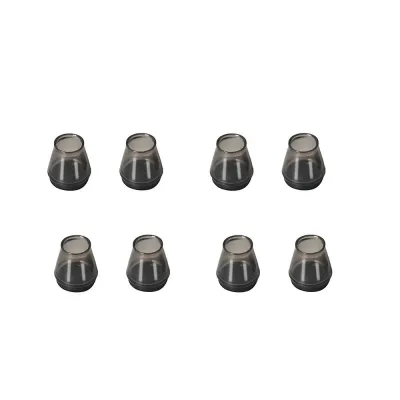
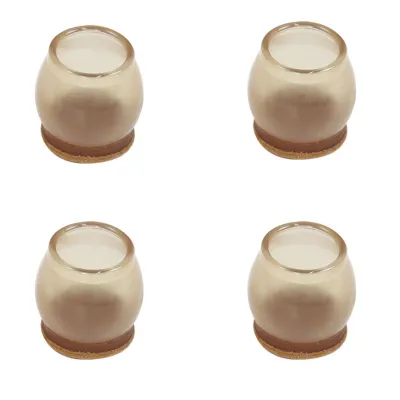
![[SG Seller] 4 Pcs Chair Foot Protective Cover Non-slip Chair Leg Protector Cover Anti Scratch Table Furniture Leg Cover](https://img.lazcdn.com/g/p/8ebd2b13161ca8fe7dec03418ddd4d21.jpg_400x400q80.jpg_.webp)
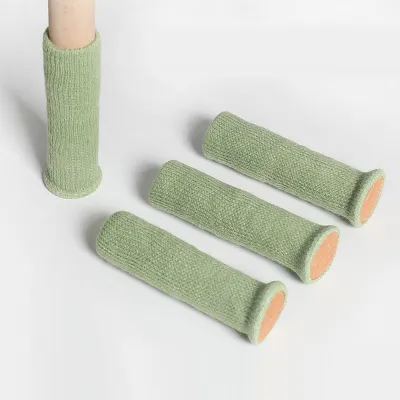
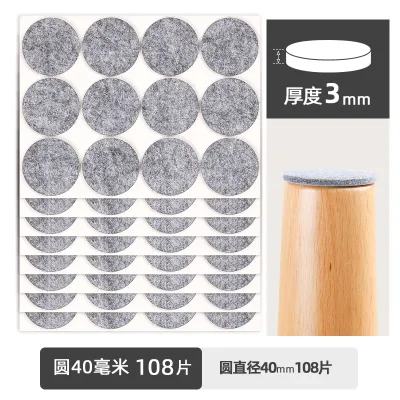
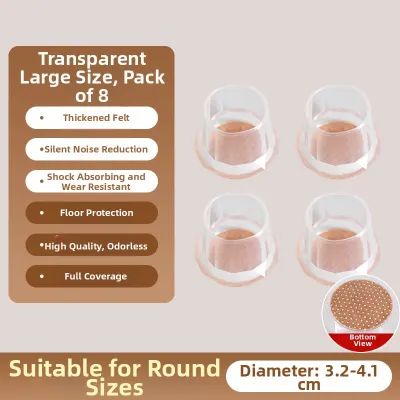
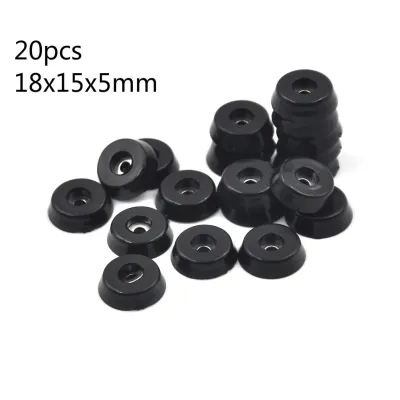
Prices are valid at publication and may change. Please refer to the product page for the latest price.
Finally, always check your flooring manufacturer’s warranty and care guidelines. Some warranties explicitly restrict the use of certain adhesives, plasticizers, or rubber compounds, warning that they can chemically react with the floor’s protective polyurethane or lacquer coating. Using an unapproved material could void your warranty if discoloration or finish degradation occurs, which can be a costly mistake when protecting a high-end engineered timber floor.
Felt Pads: Evaluating Suitability for Smooth Floors and Frequent Movement
Felt pads are widely utilized for their excellent gliding properties on hard, smooth surfaces. If your primary goal is to move dining chairs or study chairs quietly and effortlessly across parquet, polished concrete, or laminate floors, felt is often the primary candidate. The soft, fibrous texture of felt minimizes friction, allowing the chair to slide without scraping the underlying protective finish of the floor.

However, the very texture that allows felt to glide also presents a distinct maintenance challenge: debris accumulation. The open fibers of felt act like a magnet for dust, pet hair, and outdoor grit carried into the home. Over time, these abrasive particles become embedded in the pad, transforming a soft protector into a piece of sandpaper. If you do not inspect and clean these pads regularly, sliding the chair will actively scratch the floor.
You must also verify the weight limits and density of the felt pads you select. Low-density, thin felt pads compress rapidly under heavy loads or frequent use. Once fully compressed, the pad loses its cushioning ability, allowing the hard wood or metal of the chair leg to make contact with the floor. For heavier chairs or daily-use dining sets, look for high-density, heavy-duty wool or synthetic felt that resists flattening under sustained pressure.
Rubber Pads: Assessing Grip and Stability for Heavy or Stationary Chairs
Rubber pads are engineered primarily for stability, making them highly effective when you want to prevent furniture from sliding. If you have a heavy sofa, an accent cabinet, or a dining table that tends to shift when in use, rubber provides the necessary high-friction grip to keep the piece firmly in place. This stability is crucial for preventing the gradual, repetitive sliding that can wear down floor finishes over time.
Despite their excellent grip, rubber pads carry a risk of floor staining and marking that you must carefully evaluate. Some rubber compounds contain oils or plasticizers that can migrate into certain flooring finishes, particularly light-colored vinyl, linoleum, or natural wood sealed with specific lacquers. This chemical reaction can leave permanent yellow or dark stains that cannot be buffed out. Before applying rubber pads, consult your flooring manufacturer or test a pad in an inconspicuous area to check for compatibility.
Additionally, the high friction of rubber makes it highly unsuitable for chairs that require frequent movement. Attempting to slide a chair fitted with rubber pads can cause the chair to tip over, place excessive stress on the chair joints, or leave dark scuff marks on the floor surface. For dining chairs or office chairs, rubber should generally be avoided in favor of materials designed to glide.
Silicone Pads: Reviewing Flexibility and Moisture Exposure Conditions
Silicone pads, often designed as slip-on sleeves or caps, offer unique physical properties that make them highly adaptable to various chair leg shapes. Because silicone is highly flexible and elastic, it can stretch to conform to square, round, or angled chair legs, providing a secure fit without relying solely on adhesives. This makes them an excellent option for chairs with irregular profiles where standard stick-on pads fail to stay attached.
Another significant advantage of silicone is its resistance to moisture and cleaning chemicals. In environments like kitchens, dining areas prone to spills, or semi-outdoor spaces, traditional felt pads can absorb water, remaining damp and potentially damaging the wood of the chair leg or the floor underneath. Silicone does not absorb moisture, making it easy to wipe clean and highly durable in humid climates or areas subjected to frequent wet mopping.
However, you must carefully evaluate the sliding versus gripping balance of the specific silicone formulation you choose. Some silicone sleeves feature a felt bottom to allow for smooth sliding, while others are pure silicone designed to grip the floor. Pure silicone can exhibit high friction, which may cause jerky movements or resistance when trying to slide a chair. Ensure you select the correct subtype—either glide-focused or grip-focused—to match your specific functional needs.
Material Comparison Matrix: Felt vs Rubber vs Silicone
To help you make an informed decision, the following matrix summarizes how each material performs across key operational dimensions. Rather than declaring a single superior option, this comparison highlights the specific conditions under which each material excels, along with its inherent limitations.
| Dimension | Felt Pads | Rubber Pads | Silicone Pads |
|---|---|---|---|
| Ideal Floor Conditions | Smooth hardwood, laminate, engineered timber | Tile, polished concrete, stone | Tile, laminate, vinyl, irregular surfaces |
| Primary Movement Type | Frequent sliding and gliding | Stationary or highly restricted movement | Moderate sliding (if felt-bottomed) or stationary |
| Weight Capacity Check | Best for light to medium chairs; compresses under heavy loads | Excellent for heavy furniture; resists compression | Moderate; check sleeve thickness to prevent tearing |
| Maintenance Requirements | High; requires regular vacuuming and debris removal | Low; check for floor marking or hardening over time | Low; easily wiped clean of spills and dust |
| Key Limitations | Traps grit; loses effectiveness when wet | Can mark or stain light finishes; resists sliding | May slip off if sized incorrectly; pure silicone can grip too tightly |
By matching these material profiles to your home’s specific flooring and usage patterns, you can select a protective barrier that minimizes wear and tear.
How to Select the Right Chair Foot Pad for Your Specific Usage
Selecting the right protection requires analyzing how your furniture is used daily. For dining chairs, which experience frequent movement and are subject to food crumbs and spills, a hybrid approach often works best. Choose felt-bottomed silicone sleeves if you want the smooth glide of felt combined with the secure, adhesive-free fit of silicone. If you prefer standard stick-on felt, ensure you inspect them regularly to clear away trapped debris that could scratch your floor.
For heavy stationary furniture, such as sofas, armchairs, or heavy shelving units, prioritize load distribution and grip. Choose rubber pads to prevent the furniture from shifting when people sit down or lean against it. Verify first that the rubber compound is rated as non-marking and compatible with your specific floor finish to avoid permanent chemical staining.
In damp or high-humidity areas, such as kitchens, bathrooms, or covered patios, focus on moisture resistance. Choose pure silicone or water-resistant synthetic pads that will not absorb water or harbor mold. Avoid standard felt in these spaces, as damp felt can trap moisture against both the chair leg and the floor, leading to wood rot, adhesive failure, or floor discoloration.
Installation, Inspection, and Maintenance Checks
Proper installation and ongoing maintenance are critical to ensuring your chosen foot pads protect your floors over the long term. Before applying any adhesive pad, thoroughly clean the bottom of the chair leg to remove dust, old adhesive residue, and oils. Sanding the wood lightly can create a better bonding surface. Ensure the leg is completely dry before pressing the pad firmly into place, and allow the adhesive to cure according to the manufacturer’s instructions before sliding the chair.
Establish a routine inspection schedule to check the condition of your foot pads. Look for worn-down or flattened felt, cracked or hardened rubber, and torn or displaced silicone sleeves. A clear trigger for replacement is when the pad has compressed to less than half its original thickness, or when you notice a change in how smoothly the chair slides.
When replacing adhesive pads, plan for safe residue removal. Use a mild adhesive remover or isopropyl alcohol, checking first that it is safe for your chair’s material. Avoid scraping with sharp metal tools that can gouge the chair leg or accidentally scratch the surrounding floor. Always follow the flooring manufacturer’s care instructions to ensure no cleaning agents damage the floor finish.
Frequently Asked Questions (FAQ)
Are Chair Foot Pads Necessary for Carpeted Floors?
While carpeted floors are not susceptible to scratching in the same way as hardwood or tile, they are highly vulnerable to crushing and indentation. Heavy furniture left in one place can permanently compress carpet fibers and backing, leaving unsightly divots that are difficult to restore. Using wide, flat furniture cups or specialized carpet protectors helps distribute the weight over a larger surface area, minimizing deep indentations.
Before applying any pad or protector to a carpeted area, check the carpet manufacturer’s guidelines. Some rubber or plastic backings can react with synthetic carpet fibers, leading to discoloration or fiber degradation over time. Additionally, avoid using strong adhesive pads directly on carpets, as the adhesive can transfer to the carpet fibers, creating a sticky residue that attracts dirt and is exceptionally difficult to clean.

Community discussion
Share your experience or ask a question. Comments are reviewed before publication.