
Selecting the right chair leg tape for your Singapore home depends entirely on matching the tape’s material properties with your specific flooring type. In typical HDB flats and condominiums, floors range from highly sensitive natural parquet and polished marble to durable glazed ceramic or homogenous tiles. Applying the wrong adhesive tape can lead to permanent scratches, sticky residue, or unsightly stains. By understanding how felt, rubber, and plastic tapes interact with these surfaces, you can protect your flooring investment while ensuring your chairs move smoothly and quietly.
Understanding Your Floor Type and Chair Usage
Before purchasing any chair leg tape, it is essential to evaluate the physical characteristics of your flooring and how your household uses its seating. Singapore homes frequently feature a mix of materials, such as warm teak parquet in bedrooms, polished marble in living rooms, and durable homogenous tiles in kitchens and dining areas. Each of these surfaces responds differently to friction, pressure, and moisture. For instance, natural marble is highly porous and susceptible to chemical staining, while parquet is soft and easily scratched by trapped grit.
Additionally, consider the weight of your chairs and the frequency of their movement. Dining chairs are dragged multiple times a day, requiring a material that facilitates smooth sliding without wearing down instantly. In contrast, heavy lounge chairs or bar stools may remain relatively stationary, meaning they require high load-bearing support or anti-slip properties rather than sliding mobility. Balancing these factors—slip resistance, floor protection, and tape durability—forms the foundation of a successful selection process.
Products mentioned in this guide
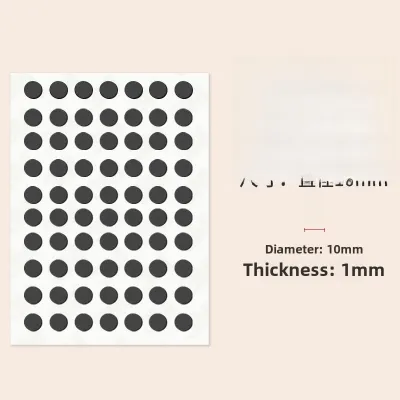
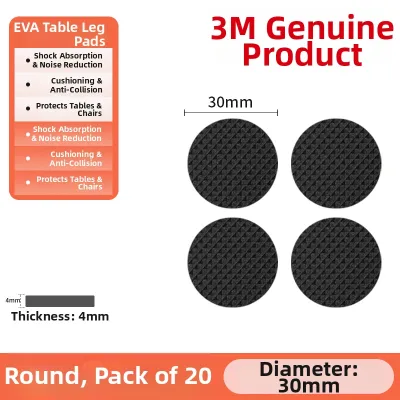
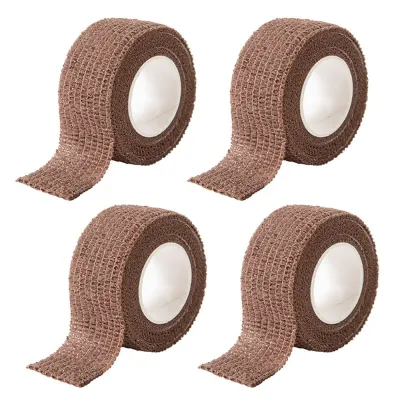
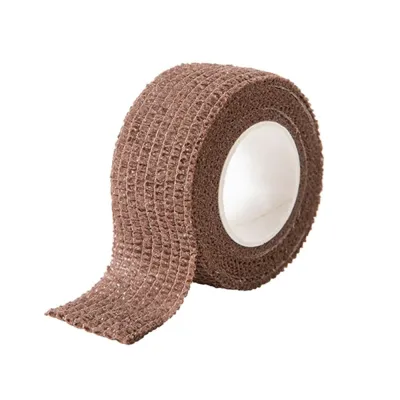
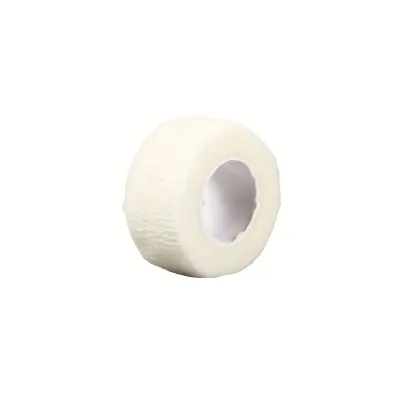
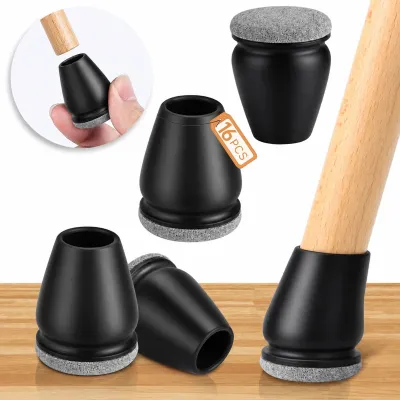
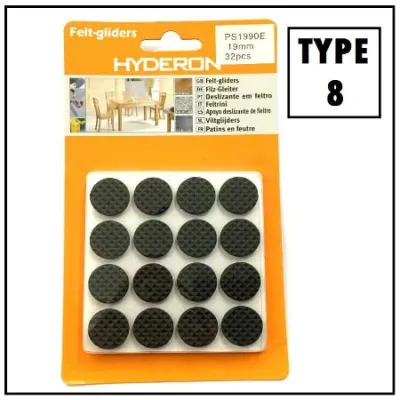
Prices are valid at publication and may change. Please refer to the product page for the latest price.
Felt Chair Leg Tape: Suitability for Parquet and Marble
Felt chair leg tape is widely regarded as the go-to solution for protecting delicate, high-value flooring like parquet and polished marble. The soft, fibrous texture of felt provides an excellent cushion that minimizes impact noise and allows chairs to glide effortlessly across smooth surfaces. This sliding capability is particularly beneficial for dining chairs that are frequently pulled out and pushed back in, as it prevents the sharp edges of wooden or metal legs from scraping directly against sensitive wood grains or polished stone.

However, felt tape has distinct limitations that homeowners must manage, especially in Singapore’s humid climate. The porous nature of felt makes it a magnet for dust, pet hair, and loose grit. When these abrasive particles become embedded in the felt fibers, the tape can act like sandpaper, scratching the very floors it was meant to protect. Furthermore, exposure to moisture from floor mopping can degrade the adhesive backing, causing the tape to slide off center or leave a sticky residue on your parquet or marble.
To ensure optimal performance, always verify the density and thickness of the felt before buying. High-density wool or synthetic felt blends resist compression much better than cheap, fluffy alternatives. Additionally, inspect the adhesive backing to confirm it is rated for high-shear strength, which prevents the tape from peeling sideways under the lateral pressure of sliding chairs.
Rubber Chair Leg Tape: Grip and Shock Absorption
Rubber chair leg tape is designed primarily for stability, grip, and shock absorption. If you have lightweight chairs or bar stools on smooth, glazed tiles and want to prevent them from sliding when sat on, rubber is an excellent choice. It provides high friction, ensuring that furniture remains firmly in place even on slick surfaces. This material is also highly effective at dampening vibrations and reducing the sharp, clattering noises associated with moving furniture on hard tile floors.
Despite these benefits, rubber tape poses significant risks when applied to certain premium flooring materials. Over time, the chemical compounds and plasticizers used in some rubber products can migrate into porous surfaces. On natural marble or unsealed parquet, this chemical transfer can cause permanent yellowing, dark stains, or surface degradation that cannot be easily polished out. Additionally, low-quality rubber may degrade and leave black scuff marks on light-colored grout lines or tile surfaces.
When shopping for rubber chair leg tape, always check the product specifications to confirm it is explicitly labeled as non-marking and non-staining. Look for synthetic rubber or silicone-based alternatives that do not contain volatile plasticizers. It is also wise to verify the manufacturer’s compatibility list to ensure the adhesive and rubber compound are safe for your specific floor finish.
Plastic Chair Leg Tape: Durability for Heavy Furniture
Plastic chair leg tape, often made from rigid polymers or smooth fluoropolymer materials, offers exceptional durability and low friction. This material is highly suited for heavy furniture, such as solid wood dining tables or heavy armchairs, where softer materials like felt would quickly compress and lose their protective qualities. On highly durable surfaces like glazed ceramic or homogenous tiles, plastic tape allows heavy items to slide smoothly without tearing or wearing out.
However, the rigidity of plastic tape makes it highly unsuitable for softer, more sensitive floors. If a tiny grain of sand or hard debris becomes trapped beneath a rigid plastic glide, the weight of the chair will press that grit directly into the floor. On parquet or polished marble, this results in deep, permanent scratches as the chair is moved. Additionally, if the plastic itself chips or wears down unevenly, it can expose sharp, jagged edges that can gouge even resilient surfaces.
To mitigate these risks, carefully inspect the design of the plastic tape before installation. Ensure the bottom surface is completely smooth with rounded, beveled edges rather than sharp, flat cuts. Homeowners should also establish a routine to check the bottom of the plastic tape for any signs of cracking, uneven wear, or trapped debris, replacing the tape immediately if any damage is observed.
Decision Framework: Matching Tape to Your Home
To simplify your selection, use this condition-based framework to match the right chair leg tape to your specific household setup.
Choose felt tape if your floors are parquet, engineered wood, or polished marble, and your chairs are lightweight to medium-weight. This combination ensures smooth, scratch-free sliding and excellent noise reduction, provided you commit to regular cleaning to keep the felt free of abrasive grit.
Choose rubber tape if your primary goal is to prevent chairs or stools from sliding on glazed ceramic, homogenous, or vinyl tiles. Ensure the rubber is certified as non-marking and non-staining to protect your tile grout and prevent chemical discoloration on sensitive surfaces.
Choose plastic tape if you are dealing with heavy, solid furniture placed on highly durable, glazed tile floors. The rigid plastic will withstand the heavy load without compressing, allowing for occasional sliding without tearing the tape.
Before applying any adhesive-backed tape to your floors, always verify the condition of your flooring. If your floors are newly installed, recently sealed, or made of highly sensitive natural stone, consult your flooring manufacturer or installer first. Applying strong adhesives to fresh sealants can cause chemical reactions that damage the finish upon removal.
Installation, Maintenance, and Safe Removal
Proper application and ongoing maintenance are critical to ensuring your chair leg tape performs effectively without damaging your furniture or floors. Begin by thoroughly cleaning the bottom of each chair leg to remove old adhesive, dust, and oils. Wipe the surface with a damp cloth and allow it to dry completely; any remaining moisture or dust will severely compromise the adhesive bond, causing the tape to shift and expose the bare chair leg to your floor.
Maintenance should be performed regularly, especially in high-traffic dining areas. Inspect the bottom of each chair leg at least once a month to check for flattened felt, cracked rubber, or embedded debris. If you notice a buildup of hair or grit, gently scrape it away or replace the tape entirely. Neglecting this simple check can turn a protective tape into an abrasive hazard that actively scratches your parquet or marble.
When it comes time to replace worn tape, safe removal is essential to prevent damage to the chair leg’s finish. Gently warm the adhesive using a hair dryer on a low setting to soften the glue, then slowly peel the tape away. If sticky residue remains, use a mild, manufacturer-approved adhesive remover or a small amount of rubbing alcohol on a cloth, testing it on an inconspicuous area of the chair leg first. Never scrape the residue with sharp metal tools, as this can gouge the wood or metal legs.
Frequently Asked Questions (FAQ)
How often should I replace chair leg tape?
Chair leg tape should typically be inspected monthly and replaced every six to twelve months, depending on usage frequency and household activity. Key indicators that replacement is necessary include flattened or hardened felt, cracked or brittle rubber, exposed adhesive borders, or a noticeable increase in scraping noise when moving the chair. If you observe accumulated dirt or pet hair embedded in the tape that cannot be easily brushed away, replace it immediately to prevent floor scratches.
Is chair leg tape suitable for rugs and carpets?
Adhesive-backed chair leg tape is generally not suitable for use on rugs or carpets. The high friction and fibrous texture of carpets will cause adhesive tape to peel off, twist, or slide off center almost immediately when the chair is moved. For carpeted areas, specialized smooth plastic glides, metal glides, or caster wheels designed specifically for carpet are far more effective, as they are engineered to distribute weight and slide smoothly across textile fibers without catching.

Community discussion
Share your experience or ask a question. Comments are reviewed before publication.