
Protecting your home’s flooring from the constant scrape and scuff of daily furniture movement requires matching the right protective material to your specific floor surface. While felt pads excel at allowing chairs to glide smoothly over delicate wood surfaces, rubber pads provide the necessary grip and noise dampening on hard, slick tiles. Meanwhile, plastic glides offer the structural durability needed to support heavy, infrequently moved furniture on robust surfaces. Selecting the wrong material can lead to accelerated floor wear, unsightly scuffs, or even deep scratches that are costly to repair.
Assessing Your Floor Type and Chair Usage
Before purchasing any protective accessories, you must evaluate the specific characteristics of your flooring and how your household uses each chair. Singapore homes commonly feature a mix of flooring materials, such as natural timber parquet in bedrooms, luxury vinyl tiles in living areas, and glazed ceramic or homogenous tiles in kitchens and entryways. Each of these surfaces reacts differently to pressure and friction. Parquet is highly susceptible to deep scratches and pressure dents from hard objects, whereas vinyl resists moisture but can still suffer from scuffing or adhesive discoloration. Ceramic tiles are exceptionally durable but feature grout lines that can catch on thin or fragile chair legs, leading to chipped edges or broken pads.
Next, analyze the movement patterns of your furniture. Dining chairs experience high-frequency movement, sliding back and forth multiple times a day under the weight of an occupant. This constant friction accelerates wear on both the floor and the protective pad. Conversely, heavy lounge chairs or study desks remain stationary for long periods, exerting continuous downward pressure on a single spot. This static load can cause certain pad materials to compress permanently or indent softer flooring.
Products mentioned in this guide
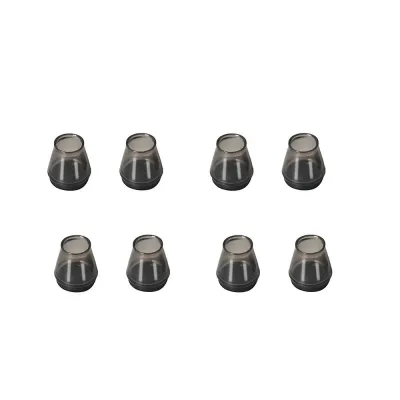
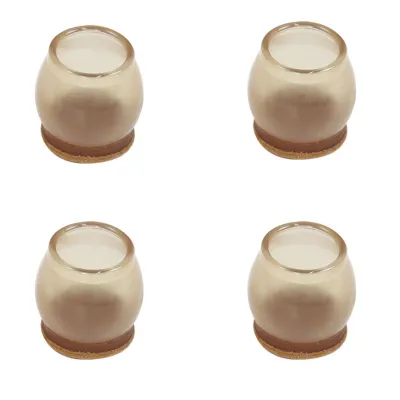
![[SG Seller] 4 Pcs Chair Foot Protective Cover Non-slip Chair Leg Protector Cover Anti Scratch Table Furniture Leg Cover](https://img.lazcdn.com/g/p/8ebd2b13161ca8fe7dec03418ddd4d21.jpg_400x400q80.jpg_.webp)
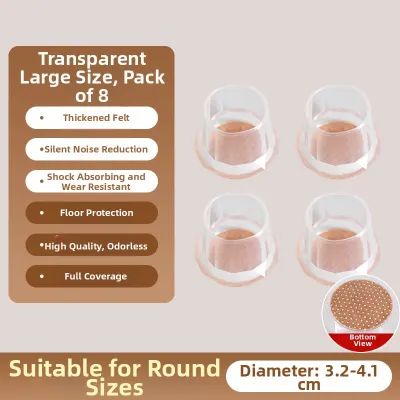
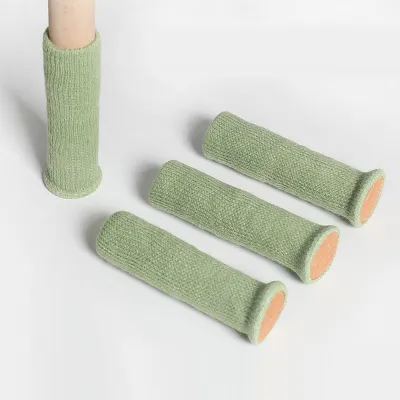
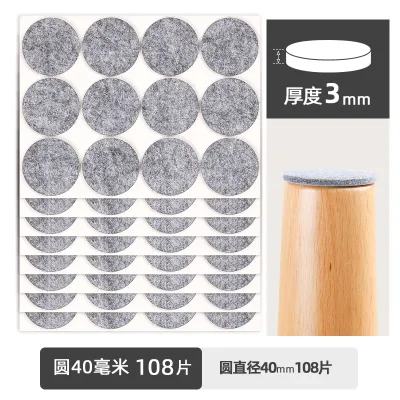
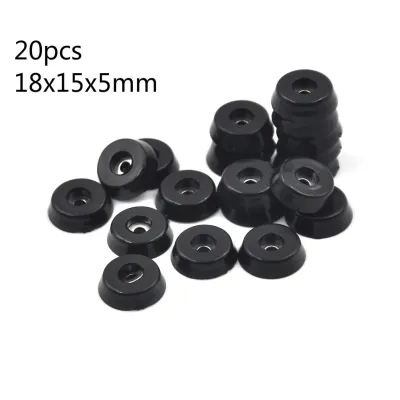
Prices are valid at publication and may change. Please refer to the product page for the latest price.
Finally, inspect your floors for any existing wear and review your flooring manufacturer’s warranty guidelines. Some luxury vinyl and engineered wood warranties specifically restrict the use of rubber-backed mats or certain solvent-based adhesives, as these can chemically react with the floor’s protective wear layer. Checking these details beforehand ensures your choice of chair foot pad does not inadvertently void your flooring coverage.
Felt Chair Foot Pads: Gliding and Hardwood Protection
Felt chair foot pads are widely recognized for their soft, fibrous texture, making them a traditional choice for protecting delicate wood surfaces like parquet and engineered timber. The dense, compressed fibers of a high-quality felt pad act as a soft cushion between the hard wood of the chair leg and the floor. This cushioning allows the chair to slide with minimal resistance, reducing the physical effort required to pull out a dining chair while preventing the sharp edges of the furniture leg from making direct contact with the wood grain.

However, the very texture that makes felt so effective at gliding also introduces a significant maintenance trade-off. The fibrous surface of felt naturally attracts and traps loose particles from your floor, including dust, pet hair, and microscopic outdoor grit. Over time, these particles become embedded deep within the felt fibers. If left uncleaned, this accumulation transforms the soft pad into an abrasive surface resembling sandpaper, which can dull your floor’s finish and cause fine scratches every time the chair moves.
Additionally, felt is highly susceptible to compression under heavy, stationary loads. When placed under a heavy armchair or a solid wood dining table, the air pockets within the felt fibers gradually collapse. Once fully compressed, the pad loses its cushioning ability, and the risk of the chair leg bottoming out increases. Homeowners must regularly check the thickness of their felt pads, especially on frequently used furniture, to ensure the material has not worn down to a thin, hardened layer that no longer protects the floor.
Rubber Chair Foot Pads: Grip and Noise Reduction
Rubber chair foot pads are engineered for stability, offering high friction and excellent slip resistance on smooth, hard surfaces. Unlike felt, which encourages movement, rubber is designed to keep furniture firmly in place. This makes rubber pads highly suitable for seating that should not slide easily, such as bar stools, heavy armchairs, or chairs used by household members who rely on the furniture’s stability when sitting down or standing up.
Beyond stability, the physical density of rubber provides outstanding acoustic dampening. When a chair is shifted or sat upon, rubber absorbs the impact energy and prevents it from translating into loud scraping or thudding noises. This is particularly beneficial in open-plan living spaces or multi-story homes where footstep and furniture noise can easily travel through concrete subfloors to the rooms below.
Despite these benefits, rubber pads have specific limitations that require careful consideration. Some synthetic or low-grade rubber compounds can leave dark scuff marks on light-colored tiles or vinyl floors when subjected to lateral friction. Furthermore, rubber can degrade, become sticky, or harden and crack if it frequently comes into contact with harsh household cleaning chemicals, such as strong floor detergents or bleach. Regularly inspecting the condition of the rubber and choosing non-marking compounds can help mitigate these risks.
Plastic Chair Foot Pads: Durability and Heavy Loads
Plastic chair foot pads, often constructed from dense nylon or low-friction polytetrafluoroethylene (PTFE), are built for durability and heavy-duty performance. These pads feature a hard, smooth surface that resists wear much longer than felt or rubber. They are particularly effective for heavy furniture pieces that need to be moved occasionally for cleaning or room rearrangement, as the low-friction plastic allows heavy loads to slide across hard surfaces without catching or tearing.
The primary risk associated with plastic pads is their rigidity. Because plastic does not compress or absorb impact, it transfers the entire weight of the furniture and its occupant directly to the floor. If used on softer flooring materials like vinyl, linoleum, or natural softwood, a small or poorly distributed plastic pad can easily cause permanent pressure dents or deep gouges. This risk is amplified if any grit or sand gets trapped beneath the hard plastic surface, as the pressure will grind the debris directly into the floor.
To prevent damage, it is crucial to inspect the structural integrity and edge smoothness of plastic pads. Any manufacturing defects, such as sharp plastic seams or rough edges, can act as cutting tools on your floor. Over time, plastic can also crack or chip under heavy impact, creating sharp, jagged edges that will gouge even durable ceramic tiles. Regular checks ensure that any damaged or worn plastic glides are replaced before they can cause harm.
Quick Comparison: Felt vs. Rubber vs. Plastic
To help you quickly evaluate these materials, the following table summarizes their physical characteristics, ideal applications, and primary limitations based on typical home usage.
| Material | Recommended Floor Match | Primary Benefit | Key Limitation |
|---|---|---|---|
| Felt | Parquet, Engineered Wood, Laminate | Smooth gliding, scratch prevention on soft wood | Traps dust and grit; compresses under heavy loads |
| Rubber | Ceramic Tiles, Polished Concrete, Vinyl | High grip, noise reduction and stability | Can leave scuff marks; may degrade from harsh cleaners |
| Plastic | Hard Ceramic Tiles, Homogenous Tiles | High durability, easy sliding for heavy furniture | Can dent soft floors; risk of gouging if cracked or dirty |
Please note that individual product performance can vary based on the specific manufacturing quality, adhesive strength, and installation method. Always verify the product labels and manufacturer specifications for exact load limits, installation instructions, and floor compatibility before application.
Decision Framework: Which Material Should You Choose?
Selecting the right chair foot pad involves balancing your floor type, furniture weight, and how much movement you expect. Use the following guidelines to determine the most suitable option for your home:
- Choose Felt if: Your home features delicate natural timber parquet, engineered wood, or laminate flooring, and you need dining chairs or study chairs to slide back and forth smoothly without leaving scratches. Ensure you are willing to perform regular cleaning to keep the felt free of abrasive dust and pet hair.
- Choose Rubber if: You have smooth ceramic, porcelain, or polished concrete floors where you want to prevent chairs from sliding unexpectedly. This is also the ideal choice if your primary goal is to eliminate the harsh scraping noises of furniture moving across hard tiles, or if you need to secure seating for safety.
- Choose Plastic if: You need to protect hard, durable tiled floors from heavy, semi-stationary furniture like large dining tables, sideboards, or heavy armchairs. The low-friction surface of nylon or PTFE glides will allow you to move these heavy items for cleaning without straining your back or damaging the tile surface.
- Verify first if: Your flooring manufacturer has specific warranty restrictions regarding pad materials. For example, some luxury vinyl plank manufacturers explicitly warn against using rubber or latex backings, which can cause chemical discoloration of the vinyl wear layer. In such cases, a high-density felt or a manufacturer-approved plastic glide is a safer alternative.
Installation and Maintenance for Long-Lasting Protection
Proper installation is just as important as choosing the right material. Before applying any adhesive-backed foot pad, thoroughly clean the bottom of the chair leg to remove all dust, old adhesive residue, and oils. Wipe the surface with a damp cloth or a mild cleaning solution and allow it to dry completely. Applying a pad to a dirty or damp surface significantly reduces the adhesive bond, causing the pad to shift or fall off prematurely, which exposes the bare chair leg to your floor.
Once installed, establish a routine inspection schedule. Check the underside of your chairs every few months to assess the condition of the pads. Look for signs of uneven wear, flattening, or peeling edges. For felt pads, run your finger over the surface to check for embedded grit or pet hair; if the felt feels rough or hard, it is time to clean or replace it. For rubber and plastic pads, check for cracks, splitting, or signs of chemical degradation.
Do not wait for a pad to fall off completely before replacing it. A worn-out, compressed, or dirty pad can cause gradual, cumulative damage to your floors that may not be immediately noticeable but will require professional restoration over time. Keeping a spare set of replacement pads on hand allows you to swap out damaged glides immediately, ensuring continuous protection for your home’s floors.
Frequently Asked Questions (FAQ)
Can I use felt pads on vinyl plank flooring?
Yes, felt pads can be used on vinyl plank flooring to facilitate smooth movement and prevent surface scratches. However, because vinyl can still be susceptible to pressure indentation, you should ensure the felt pads are wide enough to distribute the chair’s weight evenly. Always check your vinyl flooring manufacturer’s care guidelines, as some brands may recommend specific pad types or advise against certain adhesives that could react with the vinyl’s protective top coat.
How often should I replace my chair foot pads?
There is no fixed calendar timeline for replacing chair foot pads, as wear depends entirely on the frequency of chair movement, the weight of the occupants, and the cleanliness of your floors. You should replace the pads immediately if you observe signs of thinning, flattening, peeling edges, or if the material has become embedded with abrasive dirt and grit. Regular inspections every three to six months will help you identify worn pads before they expose the hard chair leg to your floor.

Community discussion
Share your experience or ask a question. Comments are reviewed before publication.