
The best chair leg protector material depends entirely on the interaction between the protector, your specific floor finish, and how the furniture is used. There is no single universal winner; felt is generally suited for smooth gliding on hard surfaces to prevent scratching, while rubber or silicone offers better grip and shock absorption. Plastic serves as a basic barrier but requires careful selection to avoid scuffing. Before applying any adhesive or slip-on protector, always verify your flooring manufacturer’s warranty conditions to ensure the chosen material will not void your floor’s protection.
Assessing Your Floor Finish and Furniture Load
Before choosing a protector, evaluate the specific characteristics of your floor finish. Hardness alone does not guarantee scratch resistance. Highly polished porcelain tiles can still suffer from micro-scratches, while sealed hardwood is highly vulnerable to surface gouges if heavy furniture is dragged across it. Unsealed or matte finishes interact differently with adhesives and friction than high-gloss, glazed surfaces.
Next, consider the physical demands placed on your chairs. Heavy dining chairs that are moved multiple times a day require highly durable materials that facilitate smooth gliding. In contrast, static accent chairs or heavy sideboards exert constant downward pressure on a small surface area, making indentation prevention your primary goal. Measure the leg diameter carefully, as an ill-fitting protector can slip off and expose the bare wood or metal edge to your floor.
Products mentioned in this guide
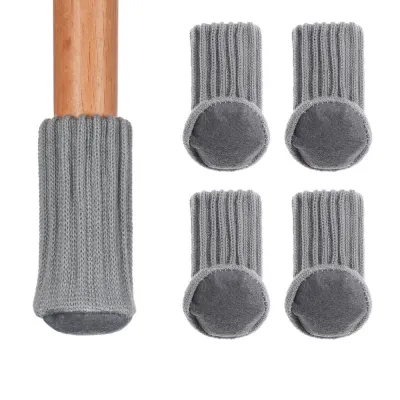
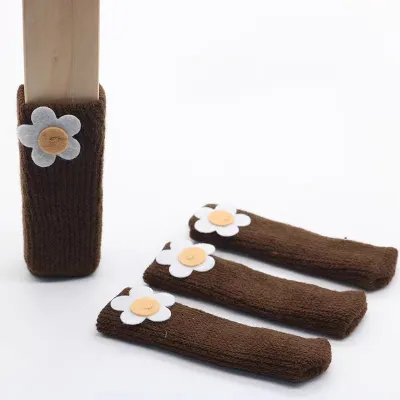
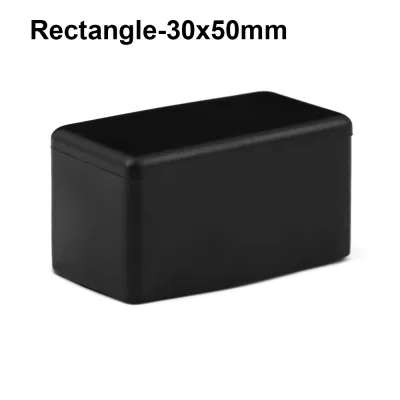
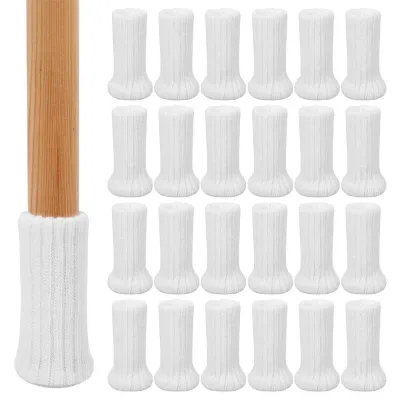
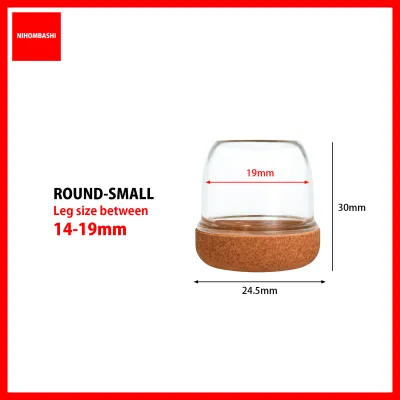
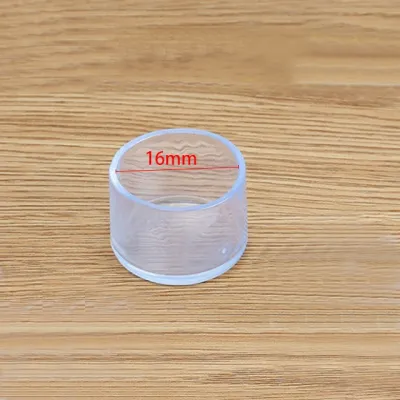
Prices are valid at publication and may change. Please refer to the product page for the latest price.
Finally, always consult your flooring manufacturer’s care guidelines or warranty conditions. Some modern luxury vinyl tiles or engineered wood floors have specific restrictions regarding the types of adhesives, rubber compounds, or plastics that can safely contact the surface. Taking a moment to verify these details prevents accidental damage and preserves your flooring warranty.
Comparing Common Chair Leg Protector Materials
Selecting the right protector requires understanding how different materials behave under load and movement. Felt, rubber, silicone, and plastic each offer distinct physical properties that make them suitable for specific household scenarios. Their performance ultimately depends on proper application and compatibility with your floor type.

Felt Protectors
Felt protectors are highly favored for their excellent sliding performance on smooth, hard surfaces. The dense fibers compress under weight, distributing the load and allowing chairs to glide effortlessly without gouging the floor. This makes them an exceptional choice for high-traffic dining areas where chairs are constantly repositioned.
However, felt has a notable limitation: its fibrous texture easily traps dust, pet hair, and loose grit. Over time, these embedded particles can turn the soft pad into an abrasive surface, leading to fine scratches on delicate finishes. Regular inspection and cleaning are necessary to prevent this buildup.
Felt pads are available in both adhesive-backed and slip-on designs. While adhesive pads are easy to apply, they can slide out of alignment under heavy lateral force. They also run the risk of leaving a sticky residue on your chair legs or floor finishes if the adhesive degrades over time.
Rubber and Silicone Protectors
Rubber and silicone protectors are designed primarily for grip, stability, and noise reduction. Because these materials have a high coefficient of friction, they prevent chairs from sliding unintentionally, which is particularly useful for keeping lightweight furniture stable or preventing tipping. They also excel at dampening the sharp scraping sounds of furniture movement.
Despite these benefits, certain rubber compounds pose a risk to modern flooring. Some rubber materials can react chemically with the polyurethane coatings on vinyl or wood floors—a process known as plasticizer migration—resulting in permanent yellow stains or dull spots. Additionally, dark rubber can leave stubborn scuff marks when dragged.
Silicone caps offer a safer alternative, providing excellent grip and flexibility without the chemical staining risks associated with rubber. They stretch easily over various chair leg shapes for a secure fit. However, silicone is softer and can tear or wear through when subjected to heavy, frequent dragging across textured surfaces.
Plastic Protectors
Hard plastic caps and dome glides are highly durable options often used in heavy-duty settings or on textured surfaces like outdoor patios. They resist wear and tear far better than felt or silicone, making them a long-lasting barrier for heavy furniture that is rarely moved.
However, hard plastic is generally unsuitable for delicate, bare indoor floors. If a plastic glide cracks or chips, its sharp edges can deeply gouge hardwood or scratch high-gloss tiles. Furthermore, if tiny pieces of grit or sand get trapped between the hard plastic and the floor, the pressure of a seated person can grind those particles into the floor finish.
To mitigate these risks, some modern plastic protectors are engineered with a dual-material design. These options feature a hard plastic shell for structural durability, paired with a soft inner lining to cushion the chair leg, or a felt pad integrated into the bottom to protect the floor surface.
Matching Protectors to Tiles, Vinyl, and Hardwood
Finding the right match for your home requires balancing the physical properties of the protector with the specific vulnerabilities of your flooring material. In Singapore homes, where high humidity and diverse flooring types are common, selecting the wrong pairing can lead to premature wear or permanent floor damage.
Tiles (Ceramic or Porcelain)
Tile floors are highly durable but present unique challenges, particularly around grout lines. When chairs slide across tiled surfaces, the legs can catch on uneven tile edges or drop into grout joints, causing noise and structural stress to the chair. Thick, heavy-duty felt pads are excellent for smooth, glazed tiles as they bridge small gaps easily. For highly textured or rustic tiles, durable plastic glides with integrated felt bottoms can prevent catching while resisting the abrasive texture of the tile.
Vinyl Flooring
Luxury vinyl tiles and sheets are popular for their water resistance, but they are highly sensitive to chemical staining. You must strictly avoid traditional rubber protectors, as the chemical interaction can leave permanent, unsightly yellow marks on the vinyl surface. Instead, opt for high-quality silicone sleeves or non-staining felt pads. Ensure any adhesive used is rated as safe for vinyl to prevent chemical degradation of the floor’s wear layer.
Hardwood and Laminate
Timber and laminate floors require the highest level of scratch protection and moisture defense. Hard plastic and unverified rubber protectors should be avoided entirely due to the risk of scratching and chemical reactions. High-density felt pads are the gold standard here, providing a soft, smooth barrier that allows silent gliding. If you prefer a slip-on option, soft silicone caps with integrated felt bottoms offer the perfect combination of a secure grip on the leg and a gentle glide on the wood.
Material Selection Checklist
Before finalizing your purchase, run through this quick compatibility check:
- Verify Floor Warranty: Does your flooring manufacturer explicitly ban rubber or certain adhesives?
- Assess Moisture Levels: Will the area be subjected to frequent mopping or high humidity, which could weaken adhesives?
- Measure Leg Dimensions: Have you measured the exact shape and diameter of the chair legs to ensure a snug fit?
- Evaluate Movement Frequency: Is the chair moved multiple times daily (requiring felt) or mostly stationary (allowing silicone or plastic)?
Installation, Maintenance, and Replacement Signs
Proper installation and regular upkeep are essential to ensure your chosen protectors continue to safeguard your floors. Even the best material will fail if it is applied incorrectly or allowed to degrade over time.
To install adhesive pads successfully, start by thoroughly cleaning the bottom of each chair leg. Use a damp cloth to remove dust, wax, or old adhesive residue, and allow the wood or metal to dry completely. In Singapore’s humid climate, moisture can easily compromise adhesive backing; applying the pads in a dry, well-ventilated room and letting the adhesive cure for several hours before use will ensure a much stronger bond.
Establish a simple routine to maintain your protectors. Every few months, turn your chairs over to inspect the pads. Wipe away any accumulated dust or pet hair, and check for embedded grit that could act like sandpaper against your floor. If you use slip-on silicone caps, ensure they have not stretched out or accumulated moisture inside, which can damage wooden chair legs.
Be proactive about replacing worn protectors. You should replace them immediately if you notice any of the following warning signs:
- Felt pads that have become completely flattened, hardened, or thin.
- Silicone sleeves that show signs of tearing, cracking, or slipping off the leg.
- Plastic glides that are chipped, cracked, or unevenly worn.
- Any new scuff marks or scraping noises when the chair is moved.
Frequently Asked Questions (FAQ)
Can I use the same chair leg protectors for indoor and outdoor furniture?
No, indoor and outdoor furniture require different protector materials. Standard indoor felt pads rely on adhesives that quickly break down when exposed to rain, humidity, and temperature fluctuations. Furthermore, felt will absorb moisture outdoors, holding water against both the chair leg and the patio floor, which can lead to rot or rust. For outdoor settings like balconies or patios, opt for UV-stable, slip-on silicone caps or heavy-duty plastic glides designed to withstand weather exposure without degrading.
How do I remove adhesive residue left by felt pads without damaging my floor?
To remove sticky residue safely, always consult your flooring manufacturer’s cleaning guidelines first to avoid voiding your warranty. For a safe starting point, try gently rubbing the residue with a soft microfiber cloth dampened with warm, soapy water. If the adhesive persists, use a small amount of a manufacturer-approved mild solvent or a specialized adhesive remover formulated specifically for your floor type. Avoid using harsh chemicals like acetone, steel wool, or sharp metal scrapers, as these can permanently strip the protective wear layer off vinyl and scratch sealed hardwood.
Community discussion
Share your experience or ask a question. Comments are reviewed before publication.