
The best fabric single sofa for an HDB flat is one that balances a compact footprint with breathable, high-durability upholstery and a visually light frame. In Singapore’s typical 3-room, 4-room, or 5-room HDB layouts, space is at a premium. Selecting a single sofa (often referred to as an armchair or accent chair) requires looking beyond aesthetics to evaluate precise clearance zones, fabric performance under high humidity, and ease of delivery through standard lift doors.
A single sofa serves as a highly versatile addition to any HDB living room. Whether you are looking to create a dedicated reading nook, add extra seating for guests, or introduce a stylish accent piece that complements your main multi-seater sofa, a well-chosen single chair can transform an underutilized corner into a functional zone. However, because HDB living rooms often double as dining areas, workspaces, or play areas, every piece of furniture must justify its footprint.
To make an informed decision, you need to understand how to measure your space accurately, select fabrics that can withstand Singapore’s tropical climate, and choose design styles that enhance the visual openness of your home. This guide provides a comprehensive framework to help you navigate these considerations, ensuring that your new fabric single sofa is both a comfortable retreat and a practical fit for your HDB flat.
Products mentioned in this guide
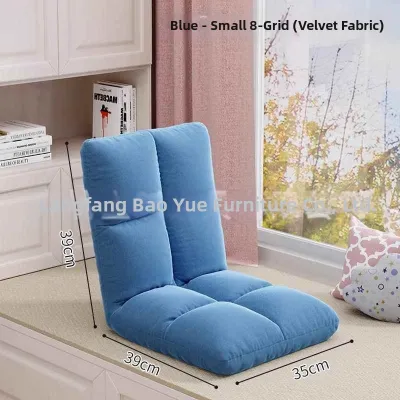
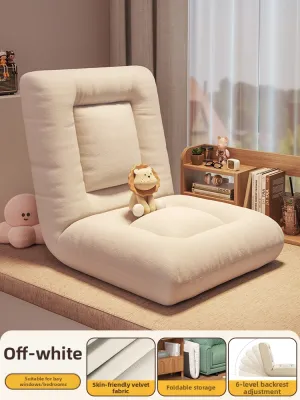
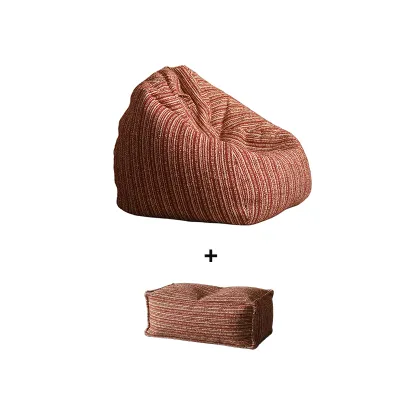

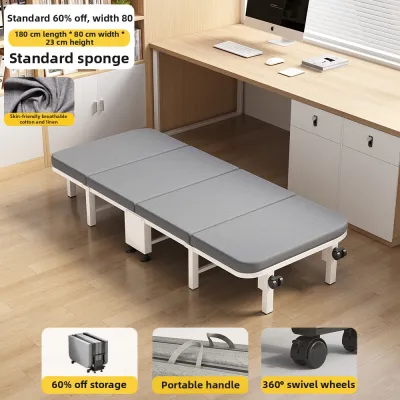
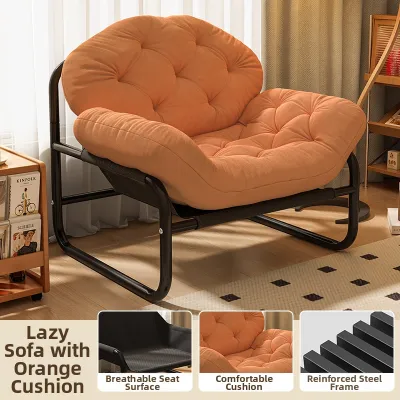
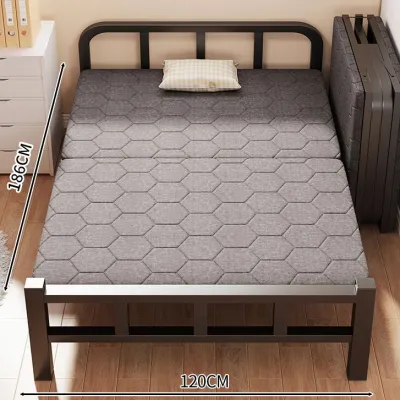
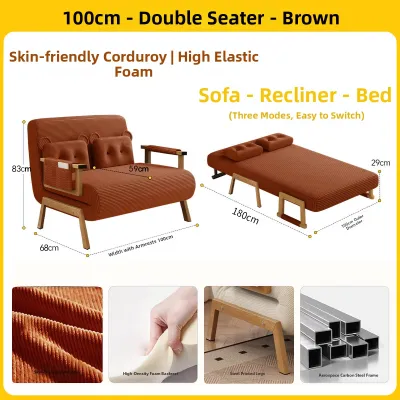
Prices are valid at publication and may change. Please refer to the product page for the latest price.
Space and Sizing Rules for HDB Living Rooms
When planning the layout of an HDB living room, maintaining smooth traffic flow is the most critical factor. A single sofa should never obstruct the natural pathways between the entrance, the dining area, the kitchen, and the bedrooms. Standard interior design guidelines recommend leaving a minimum of 75 cm to 90 cm of clearance space for major walkways. In tighter layouts, an absolute minimum clearance of 60 cm is required to prevent residents from having to squeeze past the furniture, which can make the room feel cramped and uncomfortable.
Before browsing online marketplaces or visiting local showrooms, measure the exact footprint of the area where you plan to place the sofa. A typical single sofa has a width ranging from 70 cm to 95 cm and a depth of 80 cm to 100 cm. If you plan to place the sofa adjacent to a coffee table, ensure there is at least 30 cm to 45 cm of space between the edge of the seat cushion and the table to allow for comfortable legroom and easy movement.
If the single sofa is positioned opposite a television console, you must verify that the viewing distance remains comfortable and that the sofa does not block the pathways. Additionally, check that the sofa’s position does not interfere with the opening of cabinet doors, drawers, or nearby room doors. If your HDB flat has a balcony or a large window, ensure the sofa does not block access to the window handles or sliding door tracks.
In compact living areas, the physical size of a piece of furniture is only one part of the equation; its visual weight also plays a significant role in how spacious the room feels. A bulky, low-slung single sofa that sits flat on the floor can make a small living room feel dark and congested. Conversely, a sofa with elevated legs and a streamlined profile allows light and air to pass underneath, creating an illusion of openness and making the entire room feel larger than it actually is.
To visualize how a specific sofa size will fit into your home, use masking tape or newspaper to outline the exact dimensions of the sofa on your living room floor. Leave this outline in place for a few days as you go about your daily routine. This simple physical mock-up will help you experience how the sofa’s footprint affects your movement and will prevent the common mistake of buying a piece that looks small in a spacious showroom but overwhelms your actual living space.
Fabric Choices for Singapore's Tropical Climate
Singapore’s year-round high humidity and warm temperatures demand upholstery fabrics that do not trap heat or moisture. Natural fibers like linen and cotton are highly breathable and feel cool against the skin, making them excellent choices for homes that rely on natural ventilation or ceiling fans. However, pure natural fibers are prone to wrinkling, can stretch over time, and may absorb moisture more readily, which can lead to musty odors or mold growth if the room is not well-ventilated.
To enjoy the benefits of natural fibers without the maintenance drawbacks, look for synthetic blends, such as polyester-linen or polyester-cotton. These blended fabrics combine the breathability and soft texture of natural fibers with the durability, wrinkle resistance, and moisture-wicking properties of synthetic materials. They are generally easier to clean, hold their shape better over years of use, and are less susceptible to the dampness typical of Singapore’s tropical climate.
Given the local climate, sweat, body oils, and dust can quickly accumulate on upholstery, making hygiene a primary concern. When shopping for a fabric single sofa, prioritize models that feature fully removable and washable covers. Check the manufacturer’s care instructions to verify whether the covers are machine-washable or require professional dry cleaning. Having removable covers not only makes regular cleaning much easier but also gives you the option to replace or update the fabric in the future without having to purchase an entirely new sofa frame.
If your living room is a high-traffic area or if you frequently host guests, look for performance fabrics that have been treated for stain and liquid resistance. These fabrics prevent spills from immediately soaking into the fibers, allowing you to blot them away with a clean, dry cloth. When evaluating these options, check the product specifications for terms like “water-repellent” or “easy-clean.” Avoid relying solely on marketing claims; instead, ask the retailer for the fabric’s double-rub count (a measure of durability, where a rating of 15,000 or higher is suitable for regular residential use) and verify if the stain-resistant treatment is inherent to the yarn or applied as a surface coating that may wear off over time.
The weave of the fabric also affects its longevity and ease of maintenance. Loose weaves, such as certain bouclés, heavy tweeds, or open-weave linens, can trap dust, pet hair, and debris more easily, and they are more susceptible to snagging from jewelry or zippers. A tight, flat weave, such as a canvas, twill, or tightly woven micro-polyester, is generally much easier to vacuum, more resistant to wear, and better suited for the daily demands of an HDB household.
Sofa Styles and Configurations for Compact Layouts
Every centimeter counts when furnishing an HDB living room, and the style of your single sofa can greatly impact how much usable space you have. Traditional single sofas often feature wide, rolled arms that can add 15 cm to 30 cm of unnecessary width to the overall footprint without increasing the actual seating area. To maximize seating efficiency, look for armless designs or sofas with ultra-slim, track-style arms. These configurations provide the same seating comfort while saving valuable lateral space, allowing the sofa to fit neatly into tight corners or alcoves.
The height of the sofa back significantly influences the visual scale of your living room. A low-back single sofa (typically under 80 cm in height) maintains clear sightlines across the room, making the ceiling appear higher and the space feel more open. However, low-back designs may offer less neck and shoulder support for long sitting sessions. If you prefer the comfort of a high-back sofa or a recliner, balance its visual impact by choosing a model with a light-colored fabric and placing it against a wall rather than in the middle of the room where it could block light and views.
Choosing a single sofa with tall, slender legs—whether made of wood or metal—lifts the base of the sofa off the ground. This exposure of the floor underneath allows light to circulate, making the room feel larger. It also offers a practical cleaning advantage, as it allows robotic vacuums or dust mops to pass underneath easily, preventing dust bunnies from accumulating in hard-to-reach spots.
A single sofa with a swivel base adds excellent functional flexibility to an HDB layout. It allows the user to easily turn from facing the television to facing the main sofa or the dining area, facilitating conversation without the need to physically drag or reposition the furniture. Modular single sofas that can be paired with a matching ottoman also offer versatile configurations, allowing you to use the ottoman as a footrest, an extra seat, or a temporary coffee table when needed.
For those who want to maximize utility, consider single sofas that offer built-in storage compartments beneath the seat cushion. This hidden storage is perfect for tucking away extra cushions, throw blankets, or living room clutter, helping you maintain a clean and organized environment. Alternatively, look for convertible single sleeper chairs that can unfold into a small bed, providing a practical sleeping solution for overnight guests without requiring a dedicated guest room.
Building Your Shortlist: Pre-Purchase Checks
Before finalizing your purchase, examine the construction details of the sofa frame. High-quality frames are typically constructed from kiln-dried hardwood or sturdy metal, which resist warping and cracking in Singapore’s humid climate. Avoid frames made entirely of low-grade particleboard or thin plywood, as they can sag or fail under regular use. When visiting a showroom, perform a physical stability check: gently lift one front corner of the sofa off the ground; if the opposite leg remains on the floor or the frame twists easily, the joints may not be sufficiently reinforced.
One of the most common delivery mishaps in Singapore is purchasing a sofa that cannot fit into the building’s lift or through the flat’s front door. Always measure the height, width, and diagonal clearance of your HDB lift entrance, as well as the interior dimensions of the lift cabin. Additionally, measure your flat’s main entrance door and any tight corridor turns leading to the living room. Compare these measurements against the sofa’s packaged dimensions, which are usually larger than the assembled product. If access is tight, look for models with detachable legs, removable backs, or those that are delivered flat-packed for home assembly.
A reliable warranty is a strong indicator of a manufacturer’s confidence in their product’s durability. Review the warranty terms carefully to understand what is covered and for how long. Look for warranties that specifically cover structural frame defects, cushion foam sagging, and seam failures for at least one to three years. Be aware that standard warranties rarely cover normal wear and tear, fabric pilling, or fading caused by sunlight exposure. Always ask the retailer for a copy of the warranty document and keep your purchase receipt in a safe place.
Finally, read customer reviews and check the retailer’s return policy before making a commitment. Look for feedback regarding the long-term comfort of the cushions, whether the fabric tends to pill quickly, and how responsive the customer service team is in handling delivery issues or warranty claims. A flexible return policy or a home trial period can provide peace of mind, allowing you to test the sofa in your actual living room environment to ensure it meets your expectations for comfort, style, and fit.
Frequently Asked Questions (FAQ)
Will a standard single sofa fit through HDB lift doors?
Most standard single sofas will fit through HDB lift doors, but it is crucial to verify the dimensions beforehand. Standard HDB passenger lifts typically have a door opening width of about 80 cm to 90 cm and a height of around 200 cm, though older estates may have narrower configurations. If you are purchasing a particularly deep or high-backed single sofa, check if the legs are detachable. Removing the legs can reduce the overall height or depth by 10 cm to 20 cm, making it much easier to maneuver through tight lift doors and narrow entryways.
How do I prevent fabric sofas from fading near HDB windows?
Direct sunlight from HDB windows can cause fabric colors to fade and weaken the fibers over time. To protect your single sofa, apply UV-blocking window films to your living room windows, which can block a significant portion of harmful ultraviolet rays without reducing natural light. Alternatively, install sheer curtains or blinds to diffuse direct sunlight during peak hours. If your sofa is positioned in a spot that receives partial sunlight, regularly rotate and flip the cushions (if they are double-sided) to ensure even wear and exposure, and consider using a lightweight throw blanket to cover the most exposed areas during the sunniest parts of the day.

Community discussion
Share your experience or ask a question. Comments are reviewed before publication.