
When comparing top executive chair brands for a home office, there is no single universal winner. Ergonomic support and long-term durability depend heavily on your specific body measurements, daily usage patterns, and the physical constraints of your workspace. Instead of relying on brand reputation alone, the most effective approach is to evaluate the adjustable specifications, material care requirements, and structural warranties of each model. This guide provides a structured framework to help you compare leading options and identify the chair that best aligns with your physical needs and home environment.
Selecting an executive chair for a residential setting introduces unique challenges that differ from commercial office procurement. In a corporate office, chairs are often selected for a broad demographic, whereas a home office chair can be tailored precisely to your individual biomechanics. However, because home spaces are often multi-functional and limited in size, you must balance the desire for a comfortable seat with practical considerations like spatial clearances and aesthetic integration. By focusing on verifiable specifications rather than marketing claims, you can make an investment that supports both your physical health and your productivity over many years.
Defining Ergonomic Support in Executive Chairs
To understand ergonomic support, you must look past thick padding and high backrests to examine the mechanical adjustability of the chair. True ergonomic support is dynamic, allowing the chair to adapt to your body’s movements while maintaining proper spinal alignment. The first critical component to evaluate is the lumbar support mechanism. Some executive chairs feature fixed lumbar curves, while others offer adjustable height and depth. An adjustable system is highly preferable because it allows you to position the support precisely in the curve of your lower spine. When reviewing manufacturer specifications, check whether the lumbar support can be adjusted independently of the backrest height, as this provides the most precise fit.
Products mentioned in this guide
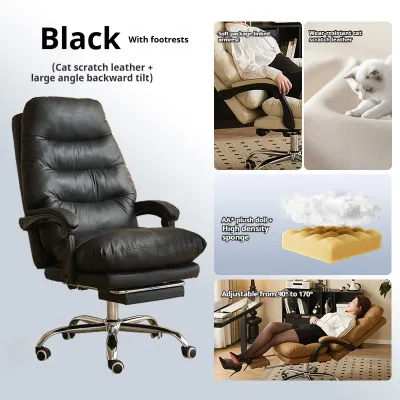
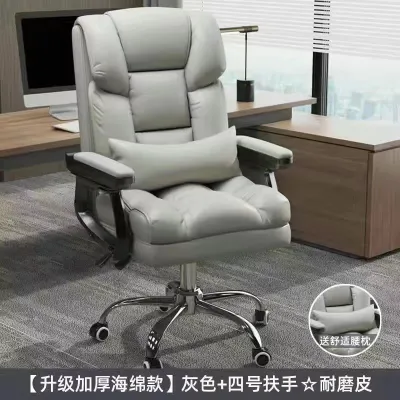
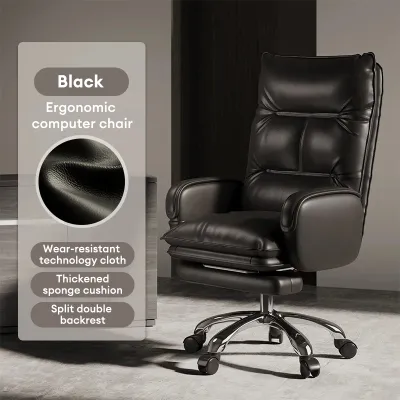
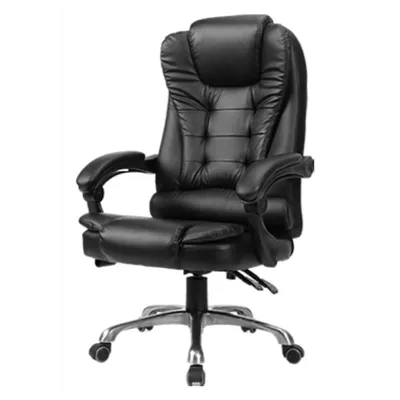
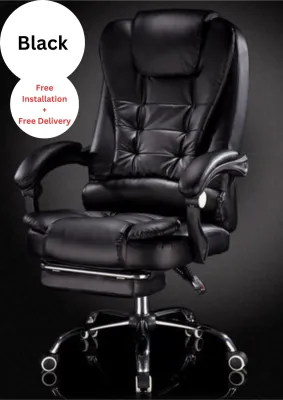
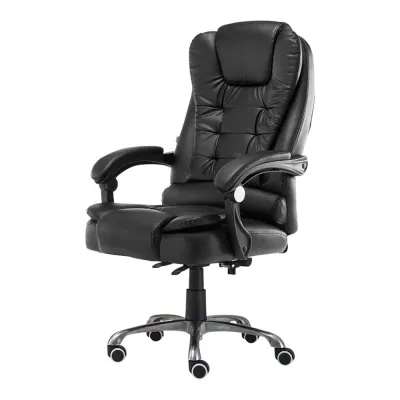
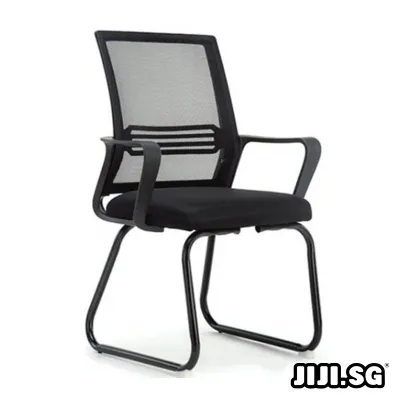
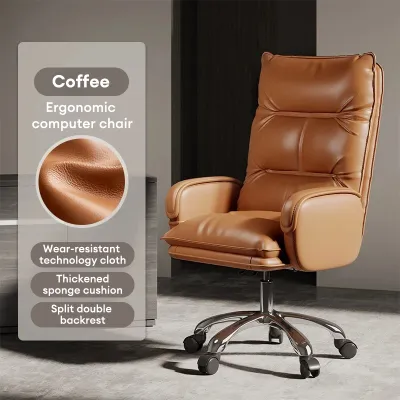
Prices are valid at publication and may change. Please refer to the product page for the latest price.
The seat pan is another vital element that directly impacts lower-body circulation and pressure distribution. A well-designed executive chair should offer seat depth adjustment, allowing you to slide the seat forward or backward. This adjustment ensures that your thighs are fully supported without the front edge of the seat pressing into the back of your knees, which can restrict blood flow. Additionally, look for a seat pan with a waterfall edge—a downward-sloping front profile—which minimizes pressure on the underside of your thighs and helps prevent numbness during extended sitting sessions.
Armrest adjustability is equally important for reducing strain on your upper body. Fixed armrests often force you to sit too far from your desk or shrug your shoulders to rest your elbows. Look for multi-dimensional armrests, often designated as 3D or 4D, which adjust for height, width, depth, and angle. These adjustments allow you to position the armrests so that your elbows rest at a comfortable 90-degree angle close to your torso, keeping your shoulders relaxed and reducing tension in your neck and upper back while typing or using a mouse.
Finally, evaluate the recline and tilt mechanisms. Standard tilt mechanisms tilt the seat and backrest at the same angle, which can lift your feet off the floor and increase pressure on your thighs. A synchro-tilt mechanism, however, tilts the backrest at a greater ratio than the seat pan (typically 2:1). This keeps your feet flat on the floor and your pelvis in a stable position, encouraging dynamic movement throughout the day. Ensure the chair also features adjustable recline tension, allowing you to customize the resistance of the backrest to match your body weight.
Evaluating Long-Term Durability and Build Quality
An executive chair is a significant financial investment, making long-term durability a primary consideration. To assess build quality before purchasing, you must examine the structural materials used in the frame and base. High-quality executive chairs typically feature bases made of polished aluminum, die-cast steel, or heavy-duty reinforced nylon. These materials offer superior stability and resistance to bending or cracking under load compared to standard plastics. Always verify the maximum weight capacity listed in the product manual; a higher weight capacity often indicates more robust structural joints and a higher-grade gas lift cylinder.

Upholstery materials play a dual role in both comfort and durability, and each type requires specific maintenance. Mesh upholstery offers excellent breathability, but its durability depends on the tension and quality of the weave. Look for high-tensile elastomeric mesh that retains its shape over years of use without sagging. Leather upholstery, whether genuine top-grain leather or high-grade polyurethane (PU) leather, provides a classic aesthetic but is highly sensitive to environmental conditions. In humid climates, leather requires regular cleaning and conditioning to prevent cracking and peeling. If you prefer fabric, check the manufacturer’s care instructions and look for high-abrasion-resistant weaves that can withstand daily friction without pilling.
The construction of the casters and the five-star base is critical for both mobility and safety. The base should have a wide diameter to ensure stability when reclining. Casters must be selected based on your home flooring. Hard nylon casters are designed to roll smoothly on carpets but can scratch and damage hardwood or vinyl floors. For hard surfaces, look for soft polyurethane-coated casters that provide grip and protect the floor from wear.
Lastly, carefully analyze the manufacturer’s warranty terms, as they are the most reliable indicator of expected lifespan. A comprehensive warranty should clearly distinguish between different components. For example, a reputable brand may offer a 10-year warranty on the structural frame and base, but only a 3-year or 5-year warranty on the gas cylinder, moving mechanical parts, and upholstery. Be wary of warranties that contain vague language or exclude coverage for normal wear and tear in a home office environment.
Adapting Executive Chairs for Home Office Environments
While a large executive chair may look impressive in a spacious corporate office, adapting it to a residential environment requires careful spatial planning. Before making a purchase, you must measure your workspace clearances. Start by measuring your desk height and comparing it to the chair’s maximum armrest height to ensure the chair can slide fully under the desk when not in use. This is particularly important in smaller rooms where saving floor space is essential. Additionally, calculate the clearance required behind the chair to allow for a full recline without striking walls, bookshelves, or other furniture.
Delivery and assembly logistics are often overlooked but can present significant hurdles. Executive chairs are frequently shipped in large, heavy boxes, and some premium models arrive fully assembled. You must measure the width of your doorways, hallways, and elevator doors to ensure the package can be safely transported to your designated room. If your home has tight corners or narrow stairwells, a chair that requires on-site assembly may be more practical than a pre-assembled model.
Floor protection is another critical consideration for home offices. Repetitive rolling in a concentrated area can quickly wear down parquet, laminate, or engineered wood flooring. Even if your chair is equipped with soft casters, fine dust and grit on the floor can act as an abrasive under the wheels. To preserve your flooring, consider using a high-quality polycarbonate chair mat or a low-profile, dense-weave rug that does not impede caster movement.
Finally, consider the visual footprint of the chair. Executive chairs are naturally bulky and can easily dominate a room visually. If your home office is located in a multi-purpose space, such as a bedroom or living room, a massive black leather chair might clash with your home’s decor. Choosing a chair with a lighter frame finish, such as polished aluminum or white nylon, paired with neutral mesh or fabric upholstery, can help integrate the chair more seamlessly into a residential aesthetic.
Decision Framework: Matching Chair Specs to Your Needs
To select the right executive chair, you must match its technical specifications to your physical dimensions and daily working habits. If your routine involves sitting for long, continuous hours at a desk, prioritize a chair equipped with an advanced synchro-tilt mechanism and highly adjustable lumbar support. These features encourage micro-movements and provide continuous spinal support, reducing the physical fatigue associated with sedentary work.
Your home’s climate control should also dictate your choice of upholstery. If your home office is not consistently air-conditioned or is prone to high humidity, avoid dense leather or heavily padded fabric chairs, which trap body heat and cause discomfort. Instead, opt for high-density mesh or specialized breathable fabric weaves that promote airflow and keep you cool throughout the day.
Before finalizing your purchase, compare the chair’s physical dimensions directly against your personal measurements. Sit in a comfortable chair and measure the distance from your lower back to the back of your knees to determine your ideal seat depth. Measure your shoulder height and width to ensure the backrest and headrest will align correctly with your body. Never rely on generic “one-size-fits-all” claims; always verify the exact seat width, depth, and height adjustment ranges listed on the product specification sheet.
Finally, review the purchase terms and assembly requirements. If the warranty documentation excludes residential use or requires professional installation to remain valid, stop and consult the manufacturer or retailer before buying. Ensuring that the chair’s warranty covers home-office usage patterns protects your investment and guarantees long-term support if any mechanical components require replacement.
Frequently Asked Questions (FAQ)
Are executive chairs better for posture than standard task chairs?
Executive chairs often feature higher backrests, integrated headrests, and thicker padding, which can provide excellent upper-back and neck support. However, they are not inherently better for posture than standard task chairs. Proper posture depends entirely on how well the chair’s adjustments align with your body and your desk height. A highly adjustable task chair will support your posture far better than a poorly fitting, non-adjustable executive chair.
How can I verify an executive chair's durability before buying online?
When you cannot test a chair in a physical showroom, start by reviewing the detailed warranty documentation to see what parts are covered and for how long. Check the net weight of the chair in the specifications; heavier chairs often indicate the use of solid steel or aluminum components rather than lightweight plastics. Finally, look for recognized industry testing standards, such as BIFMA certifications, which indicate the chair has undergone rigorous mechanical testing for structural integrity and durability.

Community discussion
Share your experience or ask a question. Comments are reviewed before publication.