
Selecting a premium ergonomic chair like the Sihoo Doro S300 for your home office involves balancing advanced mechanical features with the physical realities of your workspace. While high-end seating promises advanced lumbar support and dynamic adjustability, the actual comfort depends heavily on how well the chair’s dimensions align with your body metrics and desk setup. Comparing these chairs requires looking past marketing buzzwords to analyze verifiable specifications, structural materials, and warranty terms. By establishing a systematic evaluation process, you can determine whether this specific model or an alternative premium chair fits your daily routine and spatial constraints.
Key Specifications to Verify Before Comparing
Before committing to a premium seating investment, you must measure your physical workspace to ensure the chair fits comfortably within your home office. Many Singapore apartments feature compact study corners or built-in desks where clearance is limited. You should check the outer width of the chair’s base, including the caster spread, against the open space between your desk legs. A chair with a wide five-star base might struggle to roll completely under a narrow desk, forcing you to sit too far from your keyboard and strain your arms.
Vertical clearance is equally critical when evaluating the chair’s compatibility with your desk. You need to verify the maximum and minimum seat height, as well as the height of the armrests at their lowest and highest settings. If your desk has a drawer unit or a low keyboard tray, armrests that do not lower sufficiently will prevent you from tucking the chair away when it is not in use. This can obstruct walkways in smaller rooms and lead to unnecessary wear on both the armrests and the desk edge.
Products mentioned in this guide
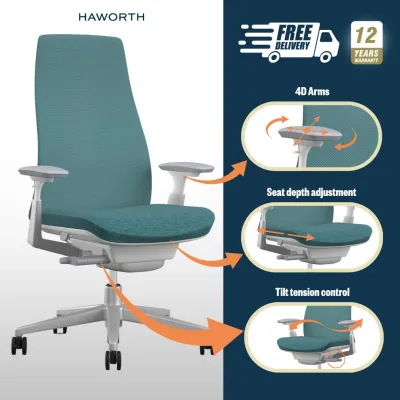
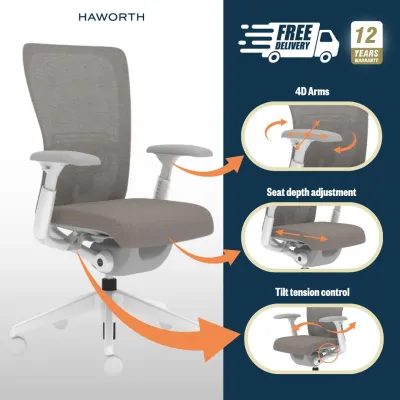
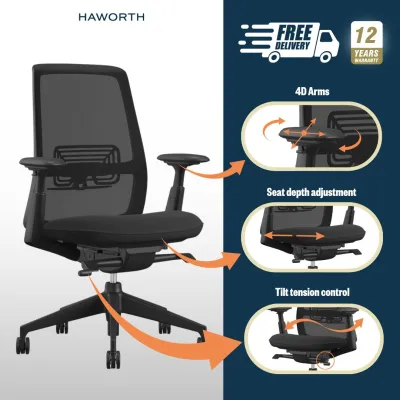
Prices are valid at publication and may change. Please refer to the product page for the latest price.
User anthropometrics must guide your assessment of the seat pan dimensions and weight capacity labels. Every premium chair comes with a manufacturer-specified weight limit and recommended user height range that you should verify on the official product sheet. A seat pan that is too deep can press against the back of your knees, restricting circulation, while a seat that is too shallow will fail to support your thighs adequately. Checking these measurements against your own torso and leg lengths prevents the discomfort of an ill-fitting frame.
Finally, examine the recline tension and locking mechanism types detailed in the user manual. Premium chairs typically offer either a synchro-tilt mechanism, where the backrest and seat tilt at a coordinated ratio, or a weight-activated system that automatically adjusts resistance. You should verify whether the chair allows you to lock the recline at multiple specific angles or if it relies on a continuous tension control. Understanding these mechanical differences helps you choose a chair that supports your preferred working postures, whether you prefer a rigid upright stance or a flexible, dynamic recline.
Assessing Ergonomic Adjustability and Comfort
Ergonomic adjustability is the cornerstone of any high-end office chair, but its effectiveness depends on how precisely you can customize the support to your body. The lumbar support system of the Sihoo Doro S300 features a distinct dual-dynamic design that responds to your movements. When comparing this to other premium chairs, you should verify the adjustability range of this lumbar mechanism. Some users require direct vertical adjustment to target the exact curve of their lower spine, while others benefit more from depth adjustments that control the firmness of the support.

Armrest articulation plays a vital role in reducing strain on your neck and shoulders during long typing sessions. You should look for multi-directional armrests, often referred to as 3D or 4D armrests, which adjust for height, depth, angle, and sometimes width. Verify whether the armrests can pivot inward to support your forearms while typing on a compact keyboard, or slide backward to let you sit closer to the desk. The padding material on the armrests also deserves attention; check if the surface is a soft-touch polyurethane or a harder plastic, as this directly affects elbow comfort over hours of use.
The seat pan material is another critical factor influencing temperature regulation and pressure distribution. Mesh seat pans, common in premium models, offer excellent breathability, which is highly advantageous in warm, humid climates. However, you should check the tension and weave of the mesh on the product label. A high-quality elastomeric mesh distributes your weight evenly without creating pressure points under your thighs, whereas a lower-grade mesh may sag over time, causing your pelvis to tilt uncomfortably.
If you prefer a more traditional sit, you might compare mesh options with high-density foam seat pans. Foam seats often provide a more cushioned, substantial feel and eliminate the hard outer frame edge that some users find restrictive on mesh chairs. However, foam retains more body heat and requires a breathable fabric cover to remain comfortable during long working sessions. Evaluating these material implications against your personal comfort preferences and home climate will help you narrow down the ideal seating surface.
Evaluating Build Quality and After-Sales Support
A premium price tag should correlate with durable construction materials and robust after-sales support. When reviewing the specifications of the chair’s frame, base, and casters, look for high-grade materials such as polished aluminum or reinforced nylon. A heavy-duty aluminum base provides excellent stability and longevity compared to standard plastic alternatives. Additionally, check the caster type specified for the chair; soft polyurethane casters are ideal for protecting hardwood or vinyl flooring from scratches, while hard nylon casters are better suited for carpeted areas.
Warranty terms offer a clear indication of a manufacturer’s confidence in their product’s durability. You should carefully examine the warranty document to understand what components are covered and for how long. Premium chairs often feature tiered warranties, where the structural frame is covered for a longer period than the mesh, foam, gas lift, or armrest pads. Be sure to check the exclusions, such as wear and tear or damage from improper assembly, and verify the process for filing a claim, including whether you must ship parts back or if local technicians are available in Singapore.
Assembly requirements can vary significantly between premium chair brands. Some models arrive fully assembled in a large box, requiring only that you roll them out, while others arrive flat-packed and require systematic assembly. You should check the product manual online to see what tools are included and how many steps are involved. If you are not comfortable handling heavy components or aligning mechanical parts, verify if the retailer offers an optional assembly service or if you will need to arrange professional assistance to ensure the chair is put together safely.
Conditional Decision Framework for Your Home Office
To make an informed decision, you can apply a conditional framework that matches your specific workspace requirements and budget to the strengths of each chair type. If your priority is a highly adjustable, modern aesthetic with a dynamic lumbar support system, and your budget aligns with the S$ pricing tier of the Sihoo Doro S300, this model represents a compelling option. It is particularly suitable for users who appreciate a responsive, flexible backrest that adapts to micro-movements throughout the workday without requiring constant manual adjustments.
Conversely, you should consider established premium alternatives if your priorities lean toward long-term warranty security, specialized sizing, or specific environmental certifications. Some heritage ergonomic brands offer comprehensive warranties spanning up to a decade or more, covering all components including the mesh and gas lift. Additionally, if you fall outside average height and weight ranges, certain alternative brands offer distinct frame sizes rather than a one-size-fits-all approach, ensuring a more precise ergonomic fit.
Before finalizing your purchase, always verify the spatial constraints of your home office and the specific return policies available to you. Because comfort is highly subjective, a chair that looks excellent on paper may not suit your personal sitting habits. Checking whether the retailer or online marketplace offers a trial period or a hassle-free return policy allows you to test the chair in your actual working environment. Ensuring that you can return or exchange the chair if it does not meet your ergonomic expectations provides essential peace of mind for such a significant investment.
Frequently Asked Questions (FAQ)
How do I measure my home office space for a premium ergonomic chair?
To measure your space accurately, start by measuring the height from the floor to the underside of your desk to ensure the chair’s armrests and seat pan can slide underneath. Next, measure the width between your desk legs or drawers to confirm the chair’s base has enough clearance to roll freely. You should also measure the depth of your workspace, allowing at least one meter of clear floor space behind the desk so you can recline fully without hitting walls or other furniture. Finally, check the width of your doorways and lift access to ensure the delivery box can easily reach your study room.
What should I check on the product label regarding mesh durability?
When reviewing the product label or technical specifications for a mesh chair, look for indicators of mesh quality such as the material composition and abrasion resistance ratings. High-quality mesh often blends polyester with elastomeric fibers to maintain elasticity and prevent sagging over years of use. Check the manufacturer’s recommended weight limit, as exceeding this capacity accelerates the stretching of the mesh. Additionally, look for cleaning instructions; durable mesh should be easy to vacuum or wipe down with a damp cloth without causing the fibers to fray or lose their tension.

Community discussion
Share your experience or ask a question. Comments are reviewed before publication.