
Finding the right single wardrobe for a Singapore HDB bedroom requires balancing tight spatial constraints with functional storage needs. In modern BTO flats and older resale units alike, bedroom square footage is highly optimized, leaving little room for error when selecting freestanding furniture. A single wardrobe offers a compact footprint, but its success in your room depends on precise layout planning, material durability, and smart internal configurations. By systematically evaluating your space and understanding what to look for in terms of construction and purchase conditions, you can secure a wardrobe that maximizes storage without overwhelming your room.
Assessing Your HDB Bedroom Layout and Space Constraints
HDB bedrooms present unique architectural features that directly impact where you can place a single wardrobe. Standard layouts often feature a designated wardrobe niche, but these spaces are sometimes awkwardly positioned near the entry door or adjacent to the bathroom. When mapping your room’s footprint, identify potential dead zones, such as the narrow gap between the bed frame and the wall, or the space behind the bedroom door when it is fully open.
Door swing clearances are a primary consideration. A standard hinged wardrobe door requires at least 40 to 50 centimeters of unobstructed space to open fully, which can easily collide with your bedroom door, bathroom door, or the edge of your mattress. You must also map out walking paths, ensuring a minimum clearance of 60 centimeters of walkway space remains when all doors are closed, allowing you to move comfortably around the room.
Products mentioned in this guide
![[ASTAR] DANNY SINGLE DOOR WARDROBE CABINET WALNUT WHITEWASH CHERRY 2TONE (NEW!)](https://img.lazcdn.com/g/p/4173215194984da203c5af2299f5e9b2.jpg_400x400q80.jpg_.webp)
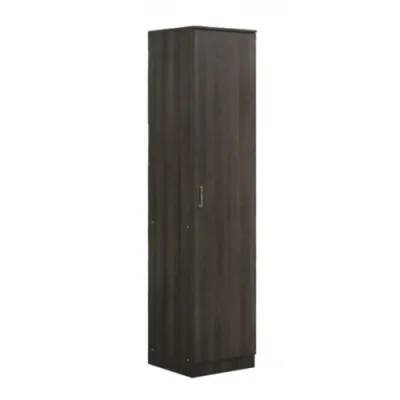
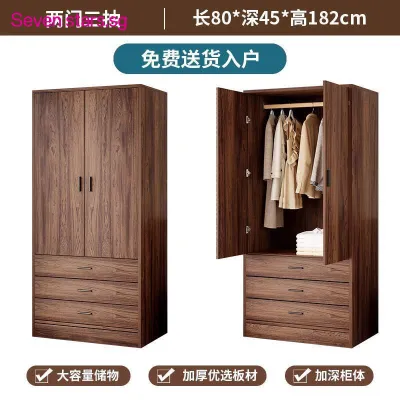
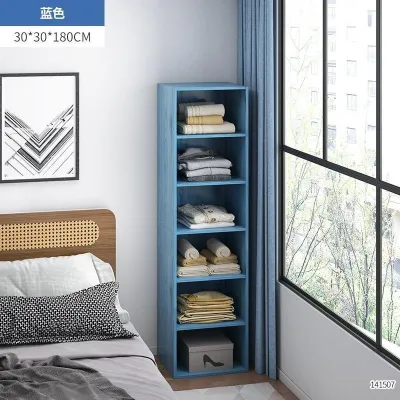
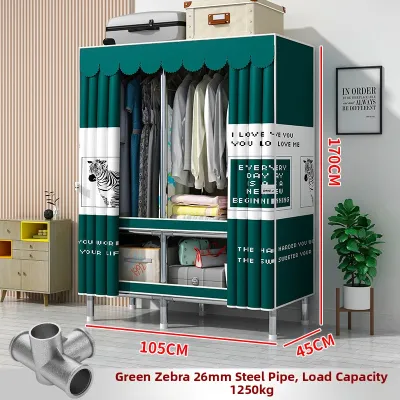
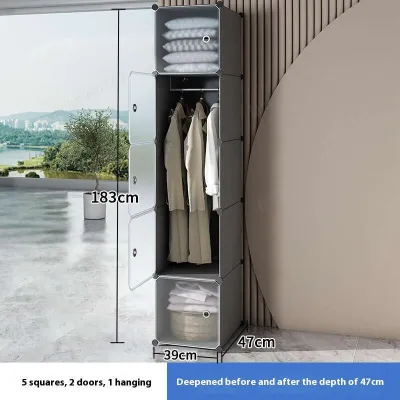
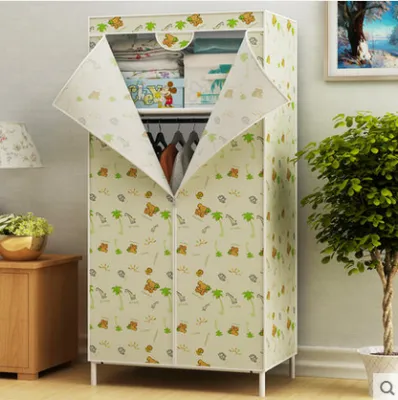
Prices are valid at publication and may change. Please refer to the product page for the latest price.
Window placements also dictate where a wardrobe can stand. Placing a tall wardrobe too close to a window can block natural light, restrict airflow, or expose the furniture’s side panels to direct sunlight, which can cause colors to fade and materials to degrade over time. Ensure the wardrobe does not obstruct access to window handles or window grilles, which must remain easily reachable for cleaning and safety.
Obstructions are common in HDB flats and must be accounted for before purchasing. Air-conditioning trunking often runs horizontally along the top of bedroom walls or vertically down corners, which can prevent a tall wardrobe from sitting flush against the wall. Similarly, wall-mounted power sockets, light switches, and internet data points must remain accessible; placing a heavy wardrobe directly over them can block essential utilities or damage cables.
Measuring for the Right Single Wardrobe Dimensions
Precise measurements are the foundation of a successful wardrobe purchase, as even a discrepancy of a few millimeters can prevent a unit from fitting into its intended spot. When measuring your available wall space, record the width, depth, and height at three different points (top, middle, and bottom) to account for any slight unevenness in the walls or flooring. Standard single wardrobes typically range from 80 to 120 centimeters in width and 50 to 60 centimeters in depth, making them highly adaptable to tight corners.

Vertical clearance is equally critical, especially if you are considering a tall wardrobe to maximize overhead storage. You must allow sufficient clearance for skirting boards at the base of the wall, which can push the wardrobe forward by 1.5 to 2 centimeters; look for wardrobe designs with a base cutout that accommodates skirting boards to ensure a flush fit. Additionally, check the trajectory of ceiling fans and overhead lighting fixtures, as a tall wardrobe door swinging upward or outward must never interfere with these installations.
An often-overlooked measurement is the diagonal clearance required during assembly. If a wardrobe is designed to be assembled flat on the bedroom floor and then raised upright, the diagonal height of the wardrobe frame must be less than your ceiling height. If the diagonal measurement exceeds the ceiling height, you will not be able to stand the wardrobe up after assembly, forcing you to assemble it vertically, which can be extremely difficult without professional assistance.
Finally, evaluate the clearance required for the wardrobe doors themselves. If you choose a hinged model, measure the exact arc of the door swing to ensure it does not strike nearby furniture. For sliding door models, while they do not require outward swing space, the sliding tracks themselves typically add 5 to 10 centimeters to the overall depth of the wardrobe, which must be factored into your floor space calculations.
Comparing Materials and Build Quality for Humid Climates
Singapore’s tropical climate, characterized by high relative humidity levels that often exceed 80 percent, poses a significant challenge for wooden furniture. When evaluating single wardrobe brands, do not rely solely on generic material names like “engineered wood” or “solid wood.” Instead, focus on the quality of the surface treatments and edge banding, which act as the primary barrier against moisture infiltration and subsequent swelling or warping.
Inspect the edge banding on the panels closely; high-quality ABS or PVC edge banding that is heat-sealed to the board edges prevents humid air from reaching the inner core of particleboard or medium-density fiberboard (MDF). Melamine and high-pressure laminate finishes are highly suitable for humid environments as they are non-porous, easy to wipe down, and resistant to surface moisture. If you prefer solid wood, ensure it has been properly treated, sealed, and varnished to prevent the wood from expanding and contracting with seasonal humidity changes.
Structural stability is another key indicator of build quality. Examine the thickness of the back panel, as thin, flimsy backboards can cause the wardrobe to wobble or sag over time under the weight of your clothes. Look for robust joint structures, such as cam-lock systems reinforced with wooden dowels, and high-quality hardware like soft-close hinges and smooth-gliding drawer runners. Always verify the manufacturer’s specified load-bearing capacity for shelves and hanging rails to avoid structural failure.
Metal components, such as hanging rods, drawer slides, and handles, should also be inspected for rust resistance. In humid climates, low-grade steel hardware can quickly develop rust, leading to squeaking doors, stiff drawers, and stained clothing. Opt for brands that use stainless steel, powder-coated steel, or aluminum hardware, which offer excellent resistance to corrosion and ensure smooth operation over years of daily use.
Selecting Space-Saving Designs and Internal Configurations
Maximizing the storage efficiency of a single wardrobe in a compact HDB bedroom requires a careful balance of external design and internal configuration. The choice between hinged and sliding doors is the first major decision. Hinged doors offer the advantage of full access to the wardrobe interior at once, allowing you to view your entire wardrobe, but they require dedicated floor space to swing open. Sliding doors, conversely, are ideal for narrow walkways as they glide parallel to the frame, though they only allow access to one side of the wardrobe at a time.
Inside the wardrobe, look for highly adjustable shelving systems that allow you to customize the height of each compartment. This flexibility is essential for accommodating different clothing types, from long dresses that require maximum hanging height to folded items that can be stacked tightly. Pull-out drawers and wire baskets are excellent for organizing smaller accessories, socks, and undergarments, keeping them easily accessible without cluttering the main shelves.
Modular wardrobe systems are particularly beneficial for HDB bedrooms because they allow you to adapt the interior layout as your storage needs change over time. Many reliable brands offer add-on components, such as extra shelves, internal dividers, or secondary hanging rails, which can be installed or repositioned without requiring professional tools. This adaptability ensures your single wardrobe remains functional even if your lifestyle or wardrobe requirements evolve.
Consider integrating smart lighting solutions inside the wardrobe to improve visibility and make the compact space feel larger. Battery-operated or rechargeable LED motion-sensor lights can be easily mounted to the underside of shelves or hanging rails. These lights illuminate dark corners without requiring complex electrical wiring, making it much easier to locate items early in the morning or late at night without turning on the main bedroom lights.
Shortlisting Reliable Brands and Verifying Purchase Conditions
When shortlisting wardrobe brands available in Singapore, it is essential to look beyond the aesthetic appeal and verify the practical purchase conditions, delivery logistics, and after-sales support. Start by reviewing the warranty terms offered by the manufacturer or retailer; a reliable brand should provide a clear warranty covering structural defects, hardware malfunctions, and material degradation under normal usage conditions. Additionally, clarify the return policy and the availability of replacement parts, such as spare hinges or drawer runners, should any components wear out over time.
Delivery logistics can be a major bottleneck when purchasing furniture for HDB flats. You must confirm the delivery access requirements of the brand, ensuring the packaged wardrobe panels can fit into standard HDB passenger lifts and navigate tight corridor turning radiuses. If your building lacks lift access or if the items are too bulky for the lift, many retailers charge additional manual carrying fees per staircase flight, which should be clarified upfront.
Furthermore, coordinate the delivery and assembly schedule with your household routine and any building renovation guidelines. If the assembly process involves drilling into walls for anchoring, ensure this is done during approved drilling hours stipulated by HDB to avoid disturbing your neighbors.
Finally, scrutinize the final S$ checkout price for any hidden fees. Some brands include professional assembly services in the purchase price, while others charge a separate flat fee or a percentage of the item cost. If you are replacing an old wardrobe, inquire whether the retailer offers a disposal service for your existing furniture, as disposing of bulky items independently in Singapore often requires coordinating with your town council or hiring a private contractor, which can add unexpected costs and logistical hassle.
Frequently Asked Questions (FAQ)
Do single wardrobes typically require professional assembly?
Whether a single wardrobe requires professional assembly depends largely on the brand and the complexity of the design. Flat-pack wardrobes from major retailers are designed for self-assembly, but they require a basic set of tools, patience, and ideally two people to ensure the frame is aligned correctly and safely. Professional installation is highly recommended for larger or heavier units, as experienced installers can ensure the wardrobe is perfectly level, even on slightly uneven HDB floors. Furthermore, if the wardrobe comes with an anti-tip safety kit, professional installers can securely anchor the unit to your concrete or drywall partition, preventing accidental tipping.
How can I maintain wardrobe condition in a humid environment?
Maintaining your wardrobe in Singapore’s humid climate requires active moisture management and regular care. Ensure your bedroom is well-ventilated by opening windows daily or using a dehumidifier to lower indoor humidity levels. Avoid placing the wardrobe directly flush against external walls, which can trap moisture and encourage mold growth; instead, leave a small gap of 2 to 3 centimeters to allow air to circulate freely behind the unit. Place standard chemical moisture absorbers or reusable silica gel packs inside the wardrobe compartments, replacing them promptly once they saturate. For cleaning, follow the manufacturer’s guidelines, typically using a slightly damp microfiber cloth followed immediately by a dry cloth to prevent water from pooling on joints or edges.

Community discussion
Share your experience or ask a question. Comments are reviewed before publication.