
Finding the right shoe bench in Singapore requires balancing compact entryway footprints with materials that can withstand year-round high humidity. In Singaporean households, where removing shoes before entering the home is a standard cultural practice, the entryway becomes a high-traffic transition zone. A shoe bench must serve as a safe, stable seat while keeping daily footwear organized and ventilated. Instead of relying on generic brand rankings, you can identify a high-quality shoe bench by evaluating structural stability, moisture resistance, and spatial compatibility.
While many brands promise the perfect blend of style and storage, the best option for your home depends on how well a manufacturer’s materials, joinery, and dimensions match your specific household habits. By understanding what to look for in terms of construction and material finishes, you can confidently navigate local furniture showrooms and online marketplaces to find a piece that lasts.
Establishing Your Evaluation Criteria for Shoe Benches
To make an informed purchase, you must first establish clear baseline metrics that go beyond aesthetic appeal. A shoe bench is a highly functional piece of furniture that experiences concentrated weight loads every time someone sits down to tie their laces. Therefore, structural stability and weight capacity are the primary factors to verify before committing to a specific brand.
Products mentioned in this guide
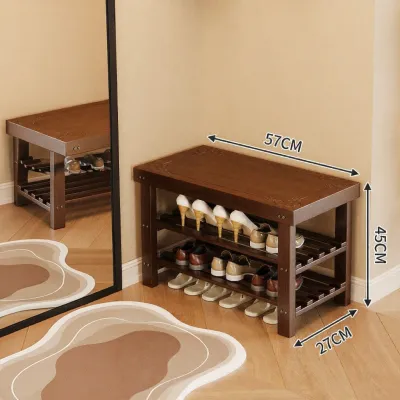
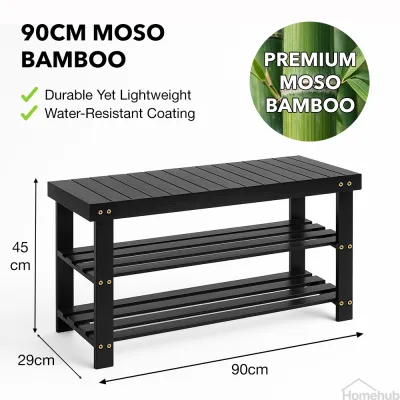
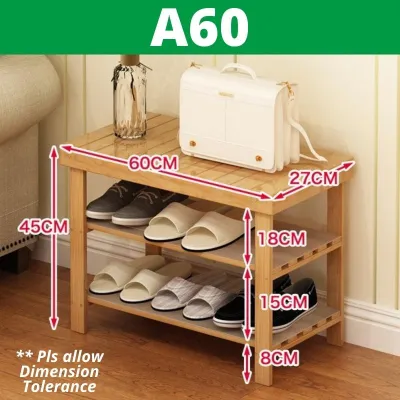
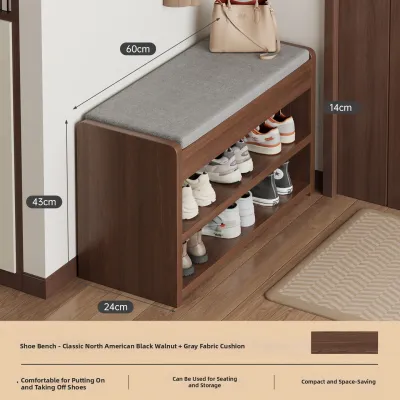
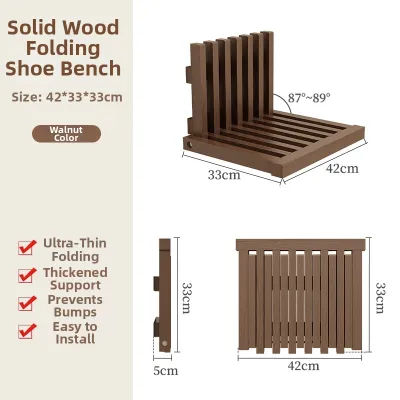
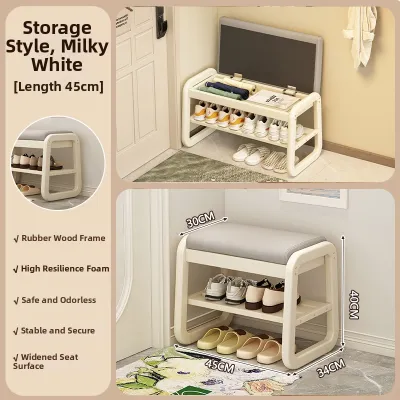
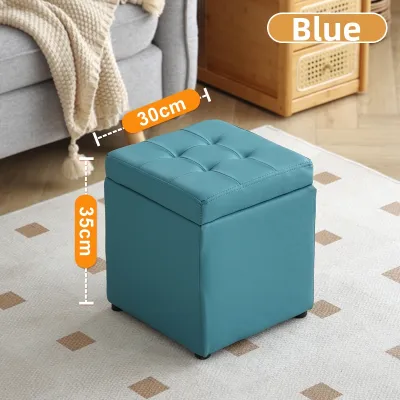
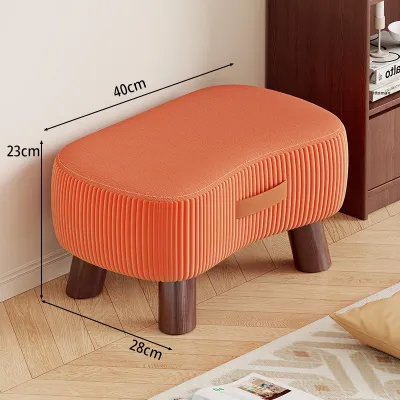
Prices are valid at publication and may change. Please refer to the product page for the latest price.
When assessing structural integrity, look for brands that publish clear weight capacity ratings for their benches. A reliable bench should comfortably support the weight of an adult without flexing, creaking, or shifting. If you plan to use the bench for multiple family members simultaneously, or if you have children who might jump on it, prioritizing a high load capacity is essential for safety.
Singapore’s tropical climate introduces another critical variable: high relative humidity. Moisture in the air can cause poorly treated wood to warp, mold to grow on fabric cushions, and low-grade metal hardware to rust. Your evaluation criteria must include a close inspection of the materials used, ensuring they are either naturally moisture-resistant or treated with protective coatings designed for humid environments.
Beyond physical durability, you should also consider how the bench integrates with your existing entryway setup. Many Singaporean homes feature built-in shoe cabinets or custom carpentry near the main door. If you are adding a freestanding shoe bench, it should complement the color palette and material finishes of these existing structures to maintain a cohesive visual flow throughout your home.
Finally, entryway spatial compatibility is non-negotiable. Entryways in modern apartments, such as HDB flats and condominiums, are often narrow corridors or shared spaces near front doors. A bench that is too deep will obstruct the walkway, while one that is too high might make sitting uncomfortable. You must measure your available floor space and door swing clearances to determine the maximum allowable footprint for your new furniture piece.
Verifying Material and Build Quality Beyond Marketing Claims
Furniture brands frequently use marketing buzzwords like “premium quality” or “heavy-duty” without providing concrete details. To find a truly durable shoe bench, you need to look past the promotional copy and examine the actual specifications and physical construction of the piece.

Start by checking the manufacturer’s documentation for labeled load limits and the specific joinery methods used. High-quality wooden benches often utilize traditional joinery such as mortise and tenon or sturdy wooden dowels, which distribute weight evenly across the frame. In contrast, cheaper flat-pack options frequently rely solely on metal cam locks and thin screws, which can loosen over time under repeated seating pressure.
Next, evaluate the surface treatments and edge banding, especially if the bench is made of engineered wood like medium-density fibreboard (MDF) or particleboard. Ensure that all edges are completely sealed with thick, high-quality edge banding to prevent moisture from penetrating the core material. For solid wood benches, look for polyurethane or lacquer finishes that repel water, and check that any metal frames are powder-coated to prevent rust.
The choice of cushion fabric also plays a significant role in long-term durability. While natural linen and cotton covers offer a soft, breathable texture, they are highly susceptible to absorbing moisture and sweat, which can lead to mold growth. Synthetic polyester blends or high-quality faux leather are often more practical choices for entryways, as they resist moisture absorption and can be easily wiped clean with a damp cloth.
The seating cushion is another area where quality varies significantly. Press down firmly on the cushion to test its density; a high-density foam cushion will quickly spring back to its original shape, whereas low-density foam will feel flat and offer little support. Additionally, verify if the cushion cover is removable and washable, as this makes it much easier to maintain hygiene and remove dirt brought in from outdoors.
Matching Bench Dimensions and Design to Your Entryway
A shoe bench must integrate seamlessly into your daily routine and your home’s layout. Before browsing different brands, take precise measurements of your entryway, keeping in mind the clearance required for your main door, shoe cabinet doors, and general foot traffic.
The ideal seating height for a shoe bench typically ranges between 40 to 48 centimetres, which allows most adults to sit comfortably with their feet flat on the floor. The depth of the bench should ideally be between 30 to 40 centimetres; anything shallower may not accommodate larger shoe sizes, while anything deeper might encroach too far into your walkway.
You also need to choose between open shelving and enclosed storage compartments. Open shelves, such as metal wire racks or wooden slats, offer excellent ventilation, allowing damp shoes to dry quickly in Singapore’s humid air and preventing unpleasant odors. However, they leave your footwear visible, which can look cluttered.
Enclosed storage, such as drawers or cabinets with doors, provides a clean, minimalist look by hiding shoes from view. If you prefer enclosed storage, look for brands that incorporate ventilation holes or slatted doors to maintain airflow. This design detail is crucial for preventing mold and mildew from developing on your shoes during the wet monsoon seasons.
Safety is another crucial dimension when matching a bench to your household’s profile. If your home includes young children or elderly family members, look for designs with rounded corners to prevent painful bumps in narrow walkways. For taller benches or those that feature integrated coat racks, verify if the brand includes anti-tip anchoring hardware to secure the unit firmly to the wall, preventing accidental tipping.
Decision Framework: Matching Brand Profiles to Your Needs
To narrow down your choices among the various furniture brands available in Singapore, you can use a simple decision framework based on your household’s specific priorities and budget.
If your primary goals are maximum load capacity, long-term structural longevity, and a classic aesthetic, focus on brands that specialize in solid wood (such as teak or oak) or heavy-duty welded metal frames. These materials are highly resilient and can withstand years of daily use, making them a worthwhile investment for busy households with multiple occupants.
If you require budget flexibility, lightweight mobility, or highly specific space-saving designs, look toward brands that focus on modular furniture or high-grade engineered wood. These options are often easier to move around if you decide to reconfigure your entryway, and they frequently offer clever, multi-functional designs tailored for smaller apartment living.
Before making your final purchase, always verify the brand’s customer support policies. Check if they provide clear, detailed assembly instructions if the item is flat-packed, or if they offer professional assembly services upon delivery. Additionally, confirm the terms of their local warranty support and whether replacement parts, such as extra shelf pins or hardware, are readily available in case of wear and tear.
Finally, consider the logistics of delivery and installation within Singapore’s unique housing landscape. Some older HDB estates may have narrow lift doors or staircases that make transporting fully assembled, bulky furniture challenging. Choosing a brand that offers flat-pack options or professional delivery teams who assemble the furniture on-site can save you significant hassle and ensure the bench is installed safely in your desired spot.
Frequently Asked Questions (FAQ)
How can I test a shoe bench for stability before buying?
When visiting a showroom, sit on the bench and gently rock from side to side to check for any wobble or shifting in the joints. Apply downward pressure on different areas of the seat to ensure the frame feels rigid and does not creak. Additionally, check the bottom of the legs to see if the bench includes adjustable foot pads or non-slip rubber grips, which help level the bench on uneven tiled floors and protect your flooring from scratches.
What maintenance is required to prevent mold on shoe bench cushions?
To prevent mold growth in Singapore’s humid climate, place your shoe bench in a well-ventilated area near the entryway, away from direct water exposure. Regularly remove the cushion cover and wash it according to the manufacturer’s care label instructions. You can also apply a fabric protector spray to repel moisture and dirt, and occasionally wipe down the wooden or metal parts of the bench with a dry microfiber cloth to remove accumulated dust and humidity.

Community discussion
Share your experience or ask a question. Comments are reviewed before publication.