
Finding the right leaning shelf for your home in Singapore involves navigating a diverse landscape of furniture retailers, boutique showrooms, and online marketplaces. Because product lines, seasonal collections, and import availabilities fluctuate constantly, there is no single “best” leaning shelf brand that suits every household. Instead, the most worthwhile brand for your space depends on your specific budget, the architectural constraints of your home, and your long-term durability expectations. By understanding how different brand tiers position themselves in the local market, you can make an informed choice that balances aesthetic appeal with structural safety.
When shopping for a leaning shelf, also commonly referred to as a ladder shelf, you are selecting a piece of furniture that relies on a unique combination of gravity, wall support, and floor friction. This makes the choice of brand and construction material highly consequential. A well-designed shelf not only complements your interior design but also remains stable under the weight of books, plants, and decorative items. To find a piece that offers genuine value, you must look past marketing aesthetics and evaluate the core structural and environmental factors that dictate how a shelf will perform in a local residential setting.
Core Criteria for Comparing Leaning Shelf Brands
Evaluating the structural integrity of a leaning shelf requires a close inspection of its materials and joint construction. Brands typically construct these shelves using either solid wood, engineered wood (such as medium-density fibreboard or particleboard), or metal frames. Solid wood options offer superior natural strength and longevity, but they require precise joinery to prevent the frame from warping over time. Engineered wood options are lighter and more affordable, but they are highly dependent on the quality of the protective laminate or veneer. When comparing brands, look for reinforced joints, thick shelf boards, and robust connection hardware rather than relying solely on visual appeal.
Products mentioned in this guide
![17vm [Ready Stock] Retro Arched Floor Standing Shelf Internet Celebrity Wall Leaning Bookshelf Multi-Layer Magazine Rack Nordic Newspaper Display Bookshelf F2H6C](https://img.lazcdn.com/g/p/67e37405697e130bf7ba775a4686fb50.jpg_webp_400x400q80.jpg_.webp)
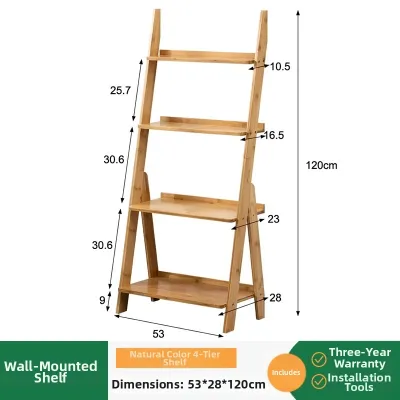
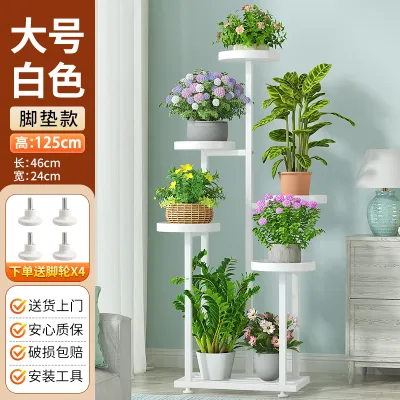
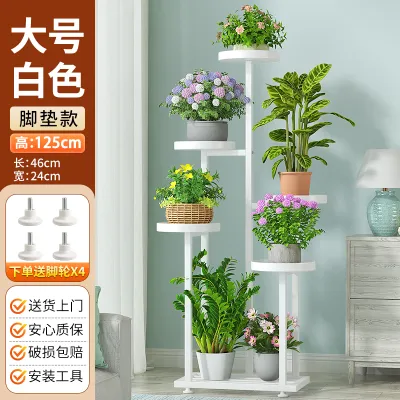

Prices are valid at publication and may change. Please refer to the product page for the latest price.
Singapore’s tropical climate, characterized by high relative humidity that frequently exceeds 80 percent, poses a significant challenge for wooden furniture. Moisture in the air can cause poorly sealed engineered wood to swell, warp, or delaminate, while untreated solid wood may expand and contract, weakening the joints. When assessing different brands, check the product specifications for moisture-resistant surface treatments. Look for polyurethane coatings, water-resistant lacquers, or high-pressure laminates that seal the core material from ambient humidity. A brand that explicitly details its finishing process is generally more reliable for long-term local use.
Assembly methods and after-sales support are critical differentiators among local furniture suppliers. Flat-pack brands offer lower upfront costs and convenient transport, but they require you to assemble the unit yourself using basic tools, which can lead to stability issues if the fasteners are not tightened correctly. Conversely, brands that deliver fully assembled units or provide professional on-site installation ensure that the shelf is structurally sound from day one. Before purchasing, verify the retailer’s warranty terms, return policies, and whether they offer professional assembly services to mitigate the risk of installation errors.
Brand Tiers and Value Propositions in the Local Market
Mass-market and flat-pack brands occupy the entry-level tier in Singapore, offering highly accessible and budget-friendly storage solutions. These brands are particularly popular among renters, students, or those looking for temporary styling solutions. The products are designed for easy transport and self-assembly, often utilizing lightweight materials like paper-foil laminated particleboard or thin steel tubes. While these shelves are highly cost-effective, they generally have lower weight capacities and may not withstand multiple relocations. When buying from this tier, it is essential to follow the assembly instructions meticulously and avoid overloading the upper tiers.

Mid-range design-led retailers cater to homeowners who want a balance of contemporary aesthetics, improved durability, and reasonable pricing. These brands typically feature thicker veneered boards, solid wood accents, or sturdy powder-coated metal frames that offer better resistance to daily wear and tear. Their designs often incorporate thoughtful details, such as integrated cable management or adjustable feet to compensate for uneven flooring. This tier is ideal for permanent home setups where you want a stylish, reliable piece of furniture without the premium price tag of custom-made items.
Premium brands and custom local woodworkers represent the top tier of the market, focusing on heirloom-quality construction and bespoke dimensions. These suppliers use high-grade solid hardwoods, such as teak, oak, or walnut, which are naturally dense and highly durable. Because these pieces are often made to order or imported from specialized design houses, they feature superior craftsmanship, seamless joinery, and premium natural oil finishes. While the initial investment is significantly higher, these shelves offer maximum load-bearing capacity and can be customized to fit the exact dimensions of your wall, making them a lifetime addition to your home.
Critical Specifications to Verify Before Purchase
Before committing to a specific leaning shelf, you must measure your physical space with high precision. Unlike standard bookcases, a leaning shelf requires both floor space for its base footprint and clear wall space for its upward incline. Measure the distance the legs will extend from the wall to ensure they do not obstruct walkways or door swings in compact living rooms or corridors. Additionally, check the overall height of the shelf against your ceiling clearance, and verify if your skirting boards will prevent the frame from resting securely against the wall at the intended angle.
Weight capacity is a critical safety and performance metric that varies widely across different brands and materials. You should never assume a shelf’s load capacity based on its visual thickness alone; always locate the manufacturer’s official weight rating per shelf tier. If you plan to store heavy items like hardback books, ceramic planters, or heavy decorative bowls, look for brands that specify a high load capacity and feature shorter shelf spans or central support struts. Overloading a shelf with a long, unsupported span will cause the boards to sag permanently, compromising both the look and the safety of the unit.
Anti-tip hardware is a non-negotiable safety feature for any leaning shelf, regardless of the brand’s premium status. Because these units rely on an angled stance, their center of gravity shifts forward as you place items on the upper shelves. Verify whether the brand includes dedicated wall-anchoring brackets and safety straps in the packaging. In Singapore, residential walls are commonly constructed of solid concrete, brick, or drywall partitions, each requiring specific types of wall plugs and screws. Ensure you have the correct hardware and tools to secure the shelf firmly to your specific wall type.
Decision Framework: Choosing the Right Brand Tier
To determine which brand tier aligns with your needs, evaluate your current living situation, storage requirements, and installation capabilities. If you are currently renting, move frequently, or simply need a temporary decorative display for lightweight items, a mass-market flat-pack brand is the most practical and economical choice. These shelves are easy to transport, simple to replace, and do not represent a major financial loss if they do not fit into your next home.
If you are a homeowner looking to furnish a permanent living space, study, or bedroom with a piece that combines style and durability, focus your search on mid-range design-led retailers. This tier offers the best balance of visual appeal, structural stability, and resistance to Singapore’s humid climate. These shelves are robust enough to hold a moderate collection of books and decor while serving as a prominent design element in your home.
For those who require a specific wood species to match existing high-end furniture, have unique architectural niches, or need to store exceptionally heavy items, investing in a premium or custom woodworker is the most logical path. These brands provide the structural assurance of solid wood joinery and the flexibility of custom sizing, ensuring the shelf fits your space perfectly and lasts for decades.
Regardless of the brand tier you choose, you must verify the delivery logistics before placing your order. Measure the dimensions of your building’s lift car, the width of your stairwells, and the clearance of your front doorway to ensure the packaged or fully assembled shelf can be safely transported to your unit. This is especially important for premium, fully assembled solid wood shelves, which cannot be disassembled to navigate tight corners or narrow corridors.
Frequently Asked Questions (FAQ)
Do leaning shelves need to be anchored to the wall?
Yes, leaning shelves should almost always be anchored to the wall to ensure safety and stability. Although gravity and the angled design push the top of the shelf against the wall, any accidental bump, uneven flooring, or sudden vibration can cause the unit to slide or tip forward. Most manufacturers include wall-anchoring brackets or safety straps with the product. When installing the shelf in a Singapore home, ensure you use the correct wall plugs—such as plastic masonry plugs for concrete walls or toggle bolts for hollow drywall partitions—to secure the anchor firmly.
How much weight can a typical leaning shelf hold?
The weight capacity of a leaning shelf depends heavily on its construction materials, shelf span, and brand tier. Entry-level flat-pack shelves made of thin engineered wood typically support between 5kg and 10kg per shelf tier. Mid-range and premium shelves constructed with solid wood or reinforced steel frames can often support 15kg to 25kg per tier. Always consult the manufacturer’s official specifications for exact weight limits, and distribute the weight evenly across each shelf rather than concentrating heavy items in the center.
Are leaning shelves safe for homes with pets or toddlers?
Leaning shelves present a significant tipping hazard in households with active pets or young children who might attempt to climb or pull on the structure. If you have toddlers or pets, securing the shelf to the wall with heavy-duty anti-tip hardware is absolutely mandatory. Additionally, you should place the heaviest items, such as large books or storage boxes, on the bottom shelves to keep the center of gravity as low as possible. Avoid placing tempting items like toys, pet treats, or fragile glassware on the upper shelves where they might encourage climbing or jumping.

Community discussion
Share your experience or ask a question. Comments are reviewed before publication.