
Finding a foldable coffee table in Singapore that seamlessly blends space-saving utility with sophisticated design requires looking beyond marketing labels. In compact living environments, such as HDB flats and condominiums, furniture must perform double duty without compromising the visual harmony of your living room. While many brands advertise “premium” space-saving solutions, the true measure of a brand’s quality lies in its engineering, material finishes, and structural execution. By focusing on verifiable construction standards and design details, you can confidently identify a brand that delivers both lasting durability and a refined aesthetic.
Key Criteria for Evaluating Foldable Coffee Table Brands
To distinguish high-caliber furniture brands from low-grade alternatives, you must first scrutinize the mechanical components that enable the folding action. The folding mechanism is the primary point of wear and tear; therefore, reputable brands prioritize heavy-duty hardware such as reinforced steel hinges, hydraulic assists, or spring-loaded locking pins. When evaluating a brand, look for mechanisms that operate smoothly without grinding, catching, or requiring excessive physical force. High-quality brands often feature soft-close dampening systems or multi-stage locking positions that prevent sudden collapses and ensure a seamless transition between states.
Beyond the mechanism itself, the surface treatments and material specifications offer critical clues about a brand’s commitment to quality. In Singapore’s humid tropical climate, raw or poorly sealed materials are highly susceptible to warping, swelling, and moisture damage. Rather than relying solely on generic material names like “solid wood” or “metal,” investigate the specific protective coatings applied. Look for brands that specify high-pressure laminates, moisture-resistant medium-density fibreboard with sealed backing, or powder-coated steel frames. These surface treatments provide essential resistance against daily spills, condensation from cold drinks, and accidental scratches, ensuring the table maintains its pristine appearance over years of use.
Products mentioned in this guide
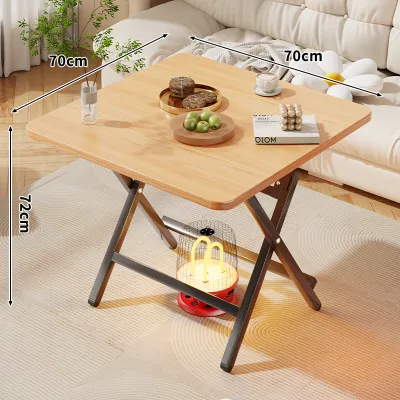
![[3S FURNITURE] Modern Rustic Simple Solid Rubber Wood Foldable Coffee Table * FREE DELIVERY * (1Yr Local Warranty)](https://img.lazcdn.com/g/p/204cfe405828c8ecbaeacf2b4c69c93d.jpg_400x400q80.jpg_.webp)
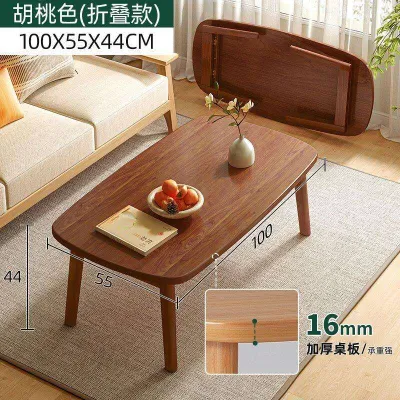
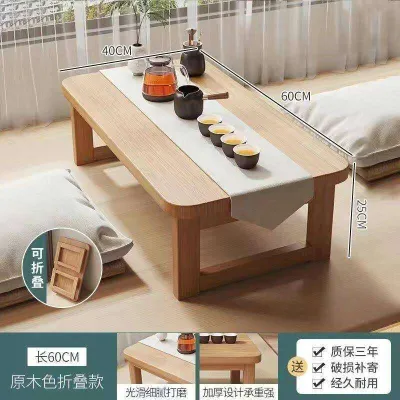
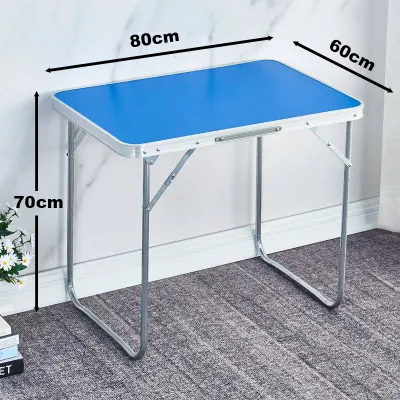
Prices are valid at publication and may change. Please refer to the product page for the latest price.
Design consistency and manufacturing precision are also key indicators of a brand’s overall standards. Examine the alignment of the table’s joints, the seamlessness of the edge banding, and the concealment of structural fasteners. Premium brands pay close attention to how the table looks from all angles, including the underside and the interior of the folding frame. If you observe exposed raw edges, uneven gaps when the table is closed, or visible glue lines, it often signals substandard quality control. A well-designed foldable coffee table should look like a deliberate, cohesive piece of furniture in both its open and closed states, rather than an afterthought of mismatched parts.
Assessing Build Quality and Structural Stability
A foldable coffee table must remain rock-solid during daily activities, whether you are resting a laptop, serving hot drinks, or occasionally putting your feet up. To verify structural stability, start by locating the manufacturer’s official specifications regarding weight capacity and load distribution limits. Reputable brands clearly state these limits, often distinguishing between the maximum weight the table can support when fully extended versus when it is folded. Be cautious of brands that do not provide clear load ratings, as this lack of transparency often indicates a lack of rigorous safety testing.

Next, inspect the physical connection structures and support legs when the table is fully deployed. The stability of a folding table depends heavily on the surface area of the joints and the locking mechanisms that hold the legs in place. Look for wide mounting plates where the legs meet the tabletop, as well as cross-bracing or diagonal support bars that prevent lateral swaying. When you gently push the edge of the deployed table, there should be minimal horizontal play or wobble. If the legs feel flimsy or flex under light pressure, the table may pose a safety hazard or deteriorate quickly under normal daily use.
Safety features are another non-negotiable aspect of build quality, particularly during the folding and unfolding processes. High-quality brands design their tables with integrated safety locks that automatically engage when the table reaches its fully open position, preventing accidental collapse if the table is bumped. Additionally, look for anti-pinch designs that keep fingers clear of moving hinges and scissor joints. Some advanced models utilize recessed tracks or protective guards around the mechanical parts to ensure that operating the table is always a safe, controlled action.
Matching Design Aesthetics to Your Living Room
A foldable coffee table should not merely be functional; it must also elevate the visual appeal of your home. When browsing different brands, consider how their design philosophies align with your existing interior theme. For instance, if your home features a clean, Scandinavian aesthetic, look for brands that offer light wood veneers, tapered legs, and soft, organic curves. If your style leans toward industrial or modern minimalist, seek out brands that combine matte black metal frames with textured concrete-look tops or sleek, dark wood finishes. The table’s form factor should complement, rather than clash with, your primary seating and decor.
The visual footprint of the table when folded is just as important as its appearance when fully set up. In smaller living rooms, the ability to tuck the table away or convert it into a slim console can dramatically open up the space. Evaluate how neatly the table collapses and whether the folded profile is clean enough to be left on display against a wall, or if it is designed to be completely concealed under a sofa or inside a closet. Brands that specialize in smart space-saving furniture often design their tables to look like elegant decorative panels or slim side tables when folded, ensuring they never look like clutter.
Finally, pay close attention to how the colors and textures of the table interact with your existing furniture. A coffee table sits at the center of the living room, making it a natural focal point. If you have a plush, fabric sofa, a table with a contrasting metal or glass surface can add visual interest and prevent the room from feeling too heavy. Conversely, if your living room has hard tiled or vinyl flooring, a table with warm wood grain can introduce a welcoming, organic texture. Choosing a brand that offers a diverse range of finishes allows you to customize the table to match your home’s unique palette.
Space Planning and Pre-Purchase Measurements
Before committing to a specific foldable coffee table, precise spatial planning is essential to ensure a seamless fit in your home. Begin by measuring the exact dimensions of your living room’s central seating area. You must account for both the fully expanded footprint of the table and its collapsed dimensions. When the table is open, there should be a comfortable walking clearance of approximately 30 to 45 centimeters between the edge of the table and the front of your sofa. This ensures you can move freely around the room without bumping your shins, while still keeping drinks and remote controls within easy reach.
In addition to the living room layout, you must verify the delivery path and access points of your home. Many high-quality foldable tables are shipped fully assembled or in large, heavy packaging to protect the complex mechanical parts. Measure the height and width of your doorways, narrow corridors, stairwells, and especially the elevator cabin in your apartment building. Ensuring that the delivery team can safely transport the packaged table into your home prevents frustrating delivery failures or accidental damage to your walls and the furniture itself.
If you plan to store the table when it is not in use, measure the designated storage zone carefully. Whether you intend to slide it under a sofa, place it inside a utility closet, or stand it upright in a narrow gap between furniture, verify that the collapsed thickness and height of the table align with these spaces. Keep in mind that some folding tables feature wheels or casters for easy mobility; if so, ensure these wheels can be locked securely to prevent the table from rolling when stored upright or when in active use on smooth flooring.
How to Verify Brand Reputation and After-Sales Support
Investing in a foldable coffee table means choosing a brand that stands behind its products with robust after-sales support. Because these tables rely on moving mechanical parts, they are naturally more complex than standard static furniture. Review the brand’s official warranty terms carefully, paying close attention to what is covered. A reliable brand will offer a dedicated warranty period specifically for the folding mechanisms, hinges, and structural joints, rather than just a general warranty on the tabletop material. Clear return policies and straightforward claims processes are also strong indicators of a reputable brand.
Whenever possible, visit physical showrooms in Singapore to test the folding mechanisms in person. Showrooms located in major furniture hubs or industrial estates allow you to feel the weight of the table, observe the smoothness of the folding action, and assess the true color and texture of the finishes under natural light. If visiting a showroom is not feasible, rely on verified customer reviews on official brand websites and established e-commerce platforms. Look for feedback that specifically mentions the long-term durability of the hinges, the ease of assembly, and the responsiveness of the brand’s customer service team.
Lastly, confirm the brand’s local delivery and assembly options. Some foldable tables require precise calibration of the tension springs or hydraulic struts during setup. Opting for professional assembly services provided by the brand ensures the table is configured correctly and safely from day one. Additionally, inquire about the availability of replacement parts. Over years of continuous use, minor components like rubber bumpers, locking pins, or leveling feet may wear out; choosing a brand that stocks and supplies these replacement parts locally will significantly extend the lifespan of your investment.
Frequently Asked Questions (FAQ)
How do I maintain the folding hinges on a coffee table?
To keep the folding hinges of your coffee table operating smoothly, always consult the manufacturer’s specific care instructions before applying any lubricants or cleaning agents. Regularly inspect the moving parts for dust, pet hair, or debris accumulation, which can clog the mechanism and cause friction. Use a soft, dry cloth or a small brush to clean the hinges gently. If the mechanism begins to squeak or feel stiff, apply a small amount of a recommended silicone-based lubricant, taking care to wipe away any excess to prevent staining the surrounding wood or metal. Additionally, periodically check and tighten any screws or bolts that may have loosened slightly from regular folding cycles.
Are foldable coffee tables safe for homes with young children?
Foldable coffee tables can be safe for homes with young children, provided you select a model with appropriate safety features. When shopping, prioritize brands that incorporate secure locking mechanisms that prevent the table from collapsing if a child bumps or climbs on it. Look for anti-pinch designs that shield the hinges and scissor joints from curious fingers. It is also crucial to verify the table’s overall stability and weight distribution; a high-quality table should have a wide, sturdy base that resists tipping even when pressure is applied to the outer edges. For added safety, consider models with rounded corners or apply soft corner guards to protect active toddlers from sharp edges.

Community discussion
Share your experience or ask a question. Comments are reviewed before publication.