
Finding the ideal multi-functional tatami or lazy sofa bed in Singapore requires balancing space-saving aesthetics with robust mechanical design. As urban living spaces in local apartments become more compact, floor-level convertible furniture has surged in popularity. These versatile pieces serve as daytime seating, casual lounging spots, and occasional guest beds, making them highly attractive for study rooms, living areas, and cozy corners.
However, navigating the local market reveals a wide spectrum of quality, durability, and structural integrity. Because these low-profile sofa beds sit directly on or near the floor and rely on internal moving parts, standard furniture evaluation rules must be adapted. To make a lasting investment, you must look past attractive catalog photos and systematically evaluate brand offerings based on mechanical warranties, material specifications, and spatial compatibility.
Defining Multi-Functional Tatami and Lazy Sofa Beds
To evaluate local brands effectively, you must first understand the distinction between traditional floor coverings and modern convertible seating. Traditional Japanese tatami refers to firm, woven rush-grass mats used as flooring. In the contemporary Singaporean furniture market, the term “tatami sofa” or “lazy sofa” typically describes low-profile, heavily cushioned seating that sits directly on the floor or on a minimal wooden platform, incorporating adjustable internal frames.
Products mentioned in this guide

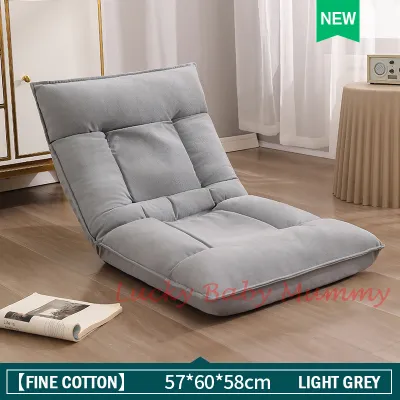
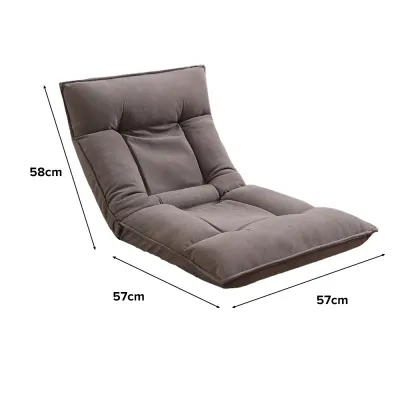
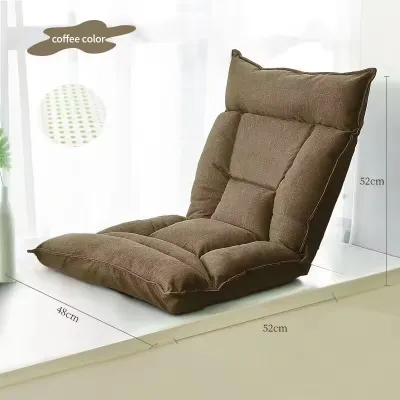


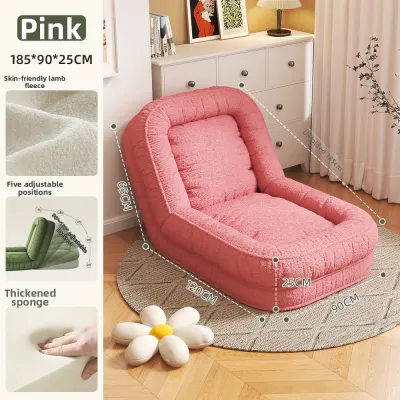
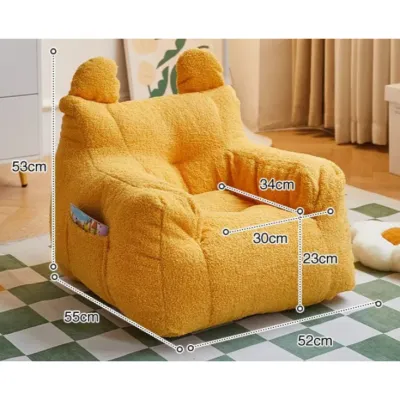
Prices are valid at publication and may change. Please refer to the product page for the latest price.
Modern lazy sofas rely on internal metal ratchets to offer customizable ergonomics. Unlike standard sofas with fixed backs, these pieces feature multi-angle reclining mechanisms that allow the user to adjust the backrest, headrest, or foot support. This flexibility supports various activities, from upright reading and gaming to semi-reclined lounging and fully flat sleeping.
Multi-functional modes vary significantly across brand designs. Some models operate as simple folding cushions that unfold directly onto the floor, while others feature sophisticated multi-stage joints that lock into dozens of distinct angles. Higher-end variations may integrate modular base platforms, pull-out extensions, or hidden storage compartments beneath the seating cushion, allowing you to maximize every square centimeter of your room.
Core Criteria for Evaluating Sofa Bed Brands
When assessing furniture brands in Singapore for low-profile convertible designs, the warranty policy is your primary indicator of manufacturing quality. Internal gear mechanisms and ratchets undergo repetitive stress during daily transitions. You should prioritize brands that offer explicit, multi-year warranties covering the internal folding mechanisms, joints, and frame welds, rather than just the outer fabric cover.

Component replacement is another critical factor that separates reliable brands from disposable alternatives. Before purchasing, inquire whether the retailer stocks replacement ratchet joints, internal springs, or modular cushion segments. Brands with established local service centers or dedicated customer support networks can often repair a faulty hinge, saving you from discarding the entire sofa if a single gear fails.
Transparency regarding weight capacity and structural testing is a hallmark of reputable manufacturers. Because floor-level sofas encourage multiple users to lounge or sit together, the frame must withstand concentrated downward and lateral forces. Look for brands that clearly publish maximum weight limits for both the seated and fully reclined positions, backed by standardized mechanical stress tests.
Finally, evaluate the brand’s after-sales service and delivery logistics for bulky items. Delivering and assembling furniture in Singaporean high-rises requires careful coordination. A reliable brand should provide clear information regarding delivery fees, assembly services, and return policies, particularly if the item does not fit your space or fails to meet comfort expectations upon arrival.
Structural and Material Checks for Floor-Level Furniture
Evaluating the physical construction of a floor-level sofa bed requires looking beneath the upholstery. The internal frame should ideally consist of reinforced steel tubing or high-grade solid wood. Thin metal frames or lightweight plastic joints are highly susceptible to bending or snapping under regular use, especially when transitioning the sofa between bed and seating modes.
Cushion density determines both immediate comfort and long-term durability. Because these sofas sit close to the floor, thin or low-density foam will quickly compress, leaving you feeling the hard floor or the rigid internal metal frame beneath. Seek out brands that specify their foam density; high-density polyurethane foam or multi-layered latex-and-foam configurations are essential for maintaining shape and support over years of use.
Upholstery selection is uniquely important for furniture positioned near the floor, where dust, pet hair, and floor-level moisture accumulate more rapidly. Breathable fabrics such as heavy-duty linen blends, treated canvas, or high-performance synthetic microfibers help prevent heat retention in Singapore’s humid climate. Removable, machine-washable covers are highly advantageous, allowing you to maintain hygiene without professional deep-cleaning services.
Additionally, inspect the underside of the sofa bed for floor-protection features. Direct contact between a heavy, moving metal frame and your flooring can cause permanent scratches on parquet, vinyl, or polished marble. Quality brands incorporate thick felt pads, non-slip rubberized bases, or low-profile wooden feet that elevate the fabric slightly off the ground, protecting both your floors and the sofa’s bottom seams.
Assessing Space Planning and Ergonomic Versatility
Integrating a low-profile sofa bed into your home requires precise spatial planning. Unlike traditional sofas, a convertible lazy sofa needs clearance both in front and behind to transition into a flat bed. You must measure the fully extended length of the sofa bed and compare it to your available floor space, ensuring that walkways remain clear and wardrobe doors can still open when the bed is deployed.
Ease of transition is a key usability factor, especially if you plan to convert the sofa daily. Manual ratchet systems require you to push the backrest fully forward to unlock the mechanism before laying it flat and clicking it back up to your desired angle. This process requires physical effort and adequate physical space around the unit. Some premium brands offer gas-lift assists or smooth-sliding tracks that reduce the physical strain of converting the furniture.
Storage integration can greatly enhance the utility of a tatami-style setup, but it requires careful layout planning. If the sofa bed features drawers or lift-up compartments in its base, verify that you can access these areas without moving other furniture. Units placed tightly into corners or against walls may have restricted access, rendering the storage compartments impractical for daily use.
Furthermore, consider the visual proportions of low-profile furniture within your room. While low-slung tatami designs create an airy, spacious feel in rooms with standard or low ceilings, they can sometimes look lost in very large spaces with high ceilings. Balancing the height of the sofa bed with surrounding furniture, such as low coffee tables and floor lamps, helps create a cohesive and visually balanced interior design.
Navigating Showrooms and Verifying Brand Claims
While online shopping offers convenience, visiting a physical showroom is highly recommended when evaluating multi-functional sofa beds. Testing the furniture in person allows you to assess the actual comfort of the cushions and the ease of operating the reclining mechanisms. Do not hesitate to convert the sofa bed back and forth several times in the showroom to check for smooth operation, squeaks, or mechanical resistance.
When interacting with showroom staff, request physical material swatches to evaluate the texture, thickness, and weave of the upholstery fabrics. Ask for a demonstration of how to remove and clean the covers. If the brand claims their fabrics are stain-resistant or water-repellent, ask to see the official care instructions or product specifications to verify these performance claims.
Independent customer reviews provide valuable insights into how a brand’s products hold up over time. Search for feedback specifically mentioning the durability of the internal hinges, fabric pilling, and cushion sagging after six to twelve months of regular use. Consistent complaints about loose joints or flattened foam are clear warning signs of substandard internal materials.
Lastly, confirm all delivery and installation constraints before finalizing your purchase. Measure your home’s entryway, hallway corners, and lift doors to ensure the packaged sofa bed can be safely transported to your unit. Many Singaporean apartments have tight lift clearances, and confirming these dimensions with the brand’s delivery team beforehand prevents costly delivery failures and return penalties.
Frequently Asked Questions (FAQ)
How do I prevent mold on a floor-level sofa bed?
Preventing mold on a floor-level sofa bed in Singapore’s humid climate requires active moisture management. Because the sofa sits directly on or very close to the floor, air cannot circulate freely beneath it, creating a trap for ambient humidity and body heat. Ensure your room is well-ventilated by regularly opening windows, utilizing ceiling fans, or running a dehumidifier in enclosed spaces.
To further mitigate moisture risks, choose a sofa bed with a raised micro-base or low-profile feet that create a small gap for airflow. Establish a weekly maintenance routine where you lift the sofa bed, prop it upright, and vacuum the floor beneath it. This practice allows both the underside of the furniture and your flooring to dry completely, preventing the stagnant conditions that encourage mold spores to develop.
Are lazy sofa beds suitable for daily sleeping?
Most standard lazy sofa beds are designed for temporary lounging or occasional guest use rather than daily sleeping. The internal ratchet mechanisms and folding joints require segmented cushioning, which can create uneven pressure points along your spine over extended periods. Additionally, the foam density in casual floor chairs is rarely sufficient to provide the orthopedic support needed for long-term spinal alignment.
If you intend to use a low-profile sofa bed for daily sleep, you should look for specialized models that feature thick, high-density pocket spring or latex support layers. Alternatively, placing the convertible cushion on a dedicated wooden tatami platform with slatted ventilation can improve both support and breathability. If you experience persistent morning stiffness or back discomfort, it is a clear sign that you require a dedicated mattress and bed frame.

Community discussion
Share your experience or ask a question. Comments are reviewed before publication.