
Customizing a bunk bed for your child’s bedroom is an excellent way to maximize floor space, especially in compact urban apartments where every square meter counts. However, opting for a bespoke design means you cannot simply rely on off-the-shelf safety certifications. You must take an active role in verifying that the custom design, materials, and construction methods meet strict safety standards before the manufacturer begins production. A safe customized bunk bed must feature exceptional structural stability, secure and high guardrails, an ergonomically sound ladder or staircase, precise gap clearances to eliminate entrapment risks, and non-toxic, splinter-free finishes. By understanding these critical safety parameters, you can collaborate effectively with your furniture maker to create a beautiful, space-saving sleep environment that keeps your children completely secure.
Designing a custom piece of furniture allows you to tailor the dimensions to fit awkward corners, low ceilings, or specific room layouts. While this flexibility is highly beneficial, it also shifts the responsibility of safety verification onto you. Unlike mass-produced beds that undergo standardized factory testing, a custom build is often a one-off creation. This makes it essential to establish clear safety benchmarks with your carpenter or manufacturer from the very beginning of the design process.
Verify Structural Stability and Weight Limits
The foundation of any safe bunk bed lies in its structural integrity. When customizing a bed, the choice of frame material is paramount. Solid hardwoods such as oak, beech, birch, or rubberwood offer superior density and strength compared to softwoods like pine or engineered materials like particle board. Ensure that the main support posts have a substantial thickness, typically at least 38 mm by 75 mm, to prevent bowing or shaking under dynamic loads.
Products mentioned in this guide
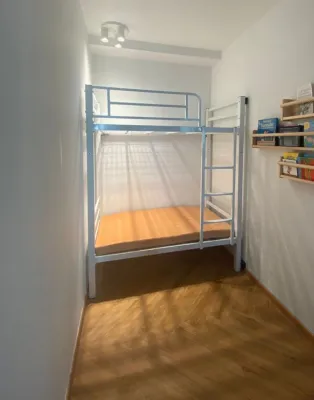
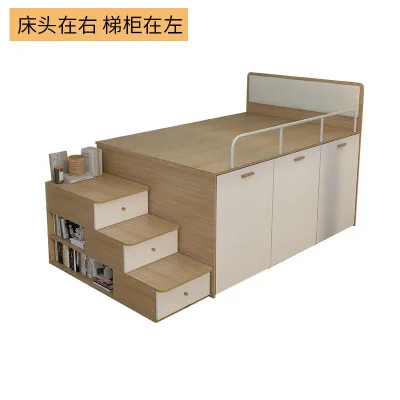

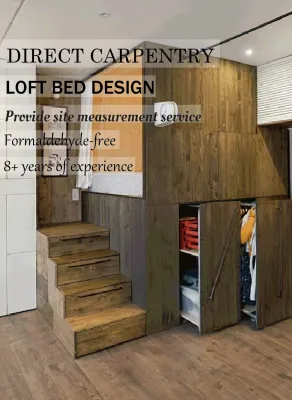
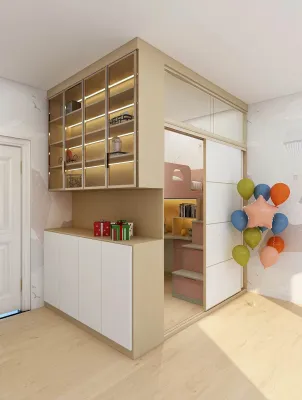
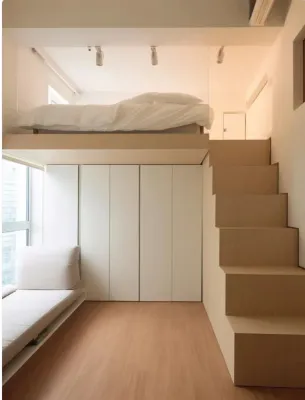
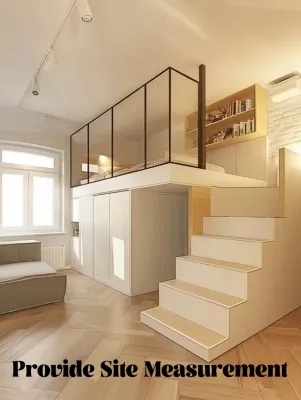
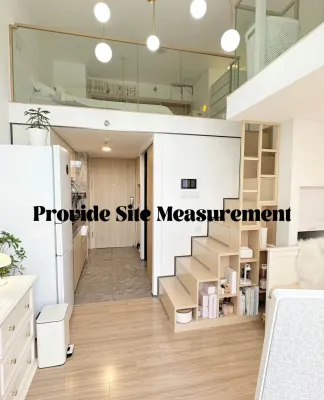
Prices are valid at publication and may change. Please refer to the product page for the latest price.
The method used to join the structural components is just as critical as the wood itself. Avoid designs that rely solely on wood screws or glue, as these can loosen over time under the stress of daily use. Instead, insist on heavy-duty steel connector bolts, barrel nuts, and metal corner brackets that create rigid, mechanical connections. These joints should be designed to withstand lateral forces, which are common when children climb, roll, or play on the bed.
Before finalizing your order, ask the manufacturer for the engineered weight capacity of both the upper and lower bunks. A safe upper bunk should be rated to support a dynamic load of at least 100 kg. This capacity must comfortably accommodate the weight of the mattress, the bedding, the child, and any temporary additional weight, such as a parent tucking the child in or reading a bedtime story.
Even the sturdiest bunk bed can pose a tipping hazard if it is tall and narrow. To eliminate this risk, plan to anchor the bed frame directly to the wall. This is particularly important in high-rise apartments where concrete walls provide an exceptionally secure anchoring point. Request that your manufacturer include heavy-duty L-brackets or anti-tip kits that can be bolted into the wall studs or concrete, ensuring the entire structure remains completely immobile.
Confirm Guardrail Heights and Fall Prevention Designs
Falls from the upper bunk are among the most common injuries associated with bunk beds, making robust guardrail design a top priority. The guardrail must extend at least 127 mm above the top surface of the mattress. To achieve this, you must coordinate the guardrail height with the exact thickness of the mattress you plan to buy. For example, if you choose a comfortable 15 cm mattress, the guardrail must rise at least 27.7 cm from the bed base to maintain the required protective barrier.

The guardrail on the wall-facing side of the bed must be completely continuous from the headboard to the footboard. Even if the bed is pushed tightly against a wall, a gap can allow a child to slip down and become trapped between the mattress and the wall. The guardrail on the open side must also run the full length of the bed, leaving only a single, designated opening for the ladder or staircase.
The opening for ladder access must be carefully sized to prevent accidental falls while still allowing easy entry. This gap should be no wider than 400 mm and no narrower than 380 mm. A wider opening increases the risk of a sleeping child rolling through the gap, while a narrower opening can make climbing into the bed awkward and hazardous.
Pay close attention to the spacing of the vertical slats or spindles within the guardrails. If the gaps between the slats are too wide, a child’s limbs or torso could slip through, leading to dangerous falls or entrapment. Ensure that the clear distance between any two adjacent slats does not exceed 75 mm. This spacing provides excellent ventilation and visibility while keeping your child safely contained within the sleeping area.
Evaluate Ladder Safety and Access Ergonomics
A poorly designed ladder is a frequent source of slips and falls, especially when children are sleepy or rushing. Traditional round rungs or narrow wooden slats can be painful on small feet and offer very little traction. When customizing your bunk bed, opt for flat, wide steps with a minimum depth of 80 mm. The surface of each step should be treated with an anti-slip finish, such as grooved wood patterns, textured grip tape, or recessed rubber treads, to ensure secure footing.
The ladder’s attachment to the bed frame must be permanent and rock-solid. Avoid hook-on ladders that can be easily bumped, lifted, or dislodged by active play. The ladder should be securely bolted directly to the main structural posts of the bed frame. Ensure that all mounting hardware is countersunk or flush with the wood to prevent clothing from snagging as the child climbs.
An inclined ladder is significantly safer and easier for a child to navigate than a vertical one. A gentle incline of approximately 15 degrees reduces the effort required to climb and helps maintain balance. If your bedroom layout allows, consider replacing the ladder with a built-in staircase. While staircases require more floor space, they offer wide, stable treads and can incorporate integrated storage drawers, making them a highly practical and safe choice for younger children.
Regardless of whether you choose a ladder or a staircase, sturdy handrails are essential. The top of the climbing access point should feature smooth, easy-to-grip handrails or integrated cutouts in the guardrails. These handrails provide crucial support as your child transitions from climbing to stepping onto the upper bunk platform, minimizing the risk of a slip at the highest point of the bed.
Identify Entrapment Hazards and Gap Clearances
Children are naturally curious and often explore small spaces, making it vital to eliminate any potential entrapment hazards in a custom design. Any gap within the bed’s structure—such as between the headboard slats, the footboard panels, or the mattress frame and the guardrail—must be carefully measured. To prevent head and neck entrapment, these gaps must either be smaller than 89 mm (to prevent a child’s body from slipping through) or larger than 230 mm (to allow the head to pass through freely). Gaps between 90 mm and 229 mm are highly dangerous and must be avoided.
Examine the entire design for any protruding hardware, decorative knobs, or sharp corners. Items like decorative finials on the corner posts might look appealing, but they act as catch points for clothing, pajama drawstrings, or necklaces. If a child slips or jumps from the bed, caught clothing can lead to accidental strangulation. Ensure all corner posts are cut flush with the guardrails or rounded off smoothly.
Customized bunk beds often feature creative, themed designs such as playhouses, castles, or stylized cutouts. While these features make the bed exciting for children, they require rigorous safety checks. Ensure that any decorative cutout, such as a window or a star shape, does not create a wedge-shaped opening where a child’s head or neck could become wedged. All edges of these custom shapes must be thoroughly sanded and rounded.
The clearance between the lower bunk mattress and the underside of the upper bunk frame must also be considered. There should be sufficient headroom for an adult or older child to sit up comfortably on the lower bed without bumping their head. This clearance typically requires at least 750 mm to 900 mm of open space, which also ensures proper air circulation and prevents a claustrophobic sleeping environment.
Check Material Toxicity and Surface Finishes
Because children spend a significant portion of their day sleeping and playing in their beds, the chemical safety of the materials used is just as important as the structural design. In warm, humid climates, volatile organic compounds (VOCs) can off-gas more rapidly from paints, varnishes, and adhesives, accumulating in enclosed, air-conditioned bedrooms. Specify that your manufacturer must use certified low-VOC, water-based, and lead-free finishes. Request official product sheets or safety certifications for any paints or sealants applied to the wood.
The physical finish of the wood must be flawless to prevent painful splinters and cuts. Specify in your customization contract that all wooden surfaces must undergo multi-stage sanding to achieve a perfectly smooth texture. Pay special attention to the edges and corners of the frame, which should be chamfered or radiused (rounded) rather than left sharp. Smooth, rounded edges significantly reduce the severity of bumps and bruises during active play.
Inspect the design to ensure that all assembly hardware is either completely concealed or safely capped. Exposed screw heads, bolt threads, or metal brackets can cause scratches or snag bedding and clothing. High-quality custom makers often use recessed boring holes, allowing bolts to sit below the wood surface, which are then covered with flush-fitting wooden or plastic caps. This attention to detail protects your child and gives the furniture a clean, premium appearance.
Use a Pre-Order Safety Checklist with Your Maker
Before you sign the contract and pay a deposit for your customized bunk bed, compile a comprehensive safety checklist to review with your manufacturer. Request a detailed, scaled technical drawing that specifies all dimensions, including guardrail heights, slat spacing, ladder step depth, and gap clearances. Having these measurements documented in writing ensures that the final product matches your safety expectations and provides clear recourse if the delivered bed deviates from the agreed design.
Ensure that the internal dimensions of the bed frame are perfectly matched to the mattress size you intend to use. A standard single mattress in Singapore typically measures 91 cm by 190 cm, but custom frames can sometimes vary slightly during production. The gap between the mattress and the sides of the bed frame must not exceed 25 mm. A larger gap can allow a child’s foot, leg, or arm to slip down and become painfully wedged between the mattress and the frame.
Finally, clarify the assembly and installation responsibilities. Professional installation by the manufacturer’s experienced team is highly recommended, as they possess the correct tools and expertise to secure all joints tightly and anchor the bed safely to your wall. Your agreement should also outline the warranty terms and specify stop-use conditions—such as the appearance of structural squeaks, loose joints, or wood splitting—so you know exactly when to seek professional maintenance or repairs.
Frequently Asked Questions (FAQ)
At what age is it safe for a child to sleep on the top bunk?
Children under the age of six should not sleep on the top bunk. This guideline is based on developmental milestones, as younger children generally lack the physical coordination, balance, and spatial awareness required to climb up and down safely, especially when waking up disoriented in the dark. Beyond chronological age, you must also evaluate your child’s individual behavioral maturity. If your child is a restless sleeper, prone to sleepwalking, or tends to play roughly on furniture, it is much safer to keep them on the bottom bunk until they demonstrate consistent caution and adherence to safety rules.
Can I use a standard mattress for a customized bunk bed?
You can use a standard mattress, but you must ensure its thickness is compatible with the safety design of your custom bed frame. Standard retail mattresses vary widely in thickness, often ranging from 15 cm to over 30 cm. If you place a thick, plush mattress on the top bunk, it will significantly reduce the effective height of the guardrails, leaving your child vulnerable to falling over the edge. Always check your manufacturer’s specified maximum mattress thickness—which is typically around 15 cm—and select a mattress that preserves at least 127 mm of guardrail clearance above the top of the bedding.
How often should I inspect the bunk bed's hardware and joints?
You should perform a thorough safety inspection of your customized bunk bed at least once every six months. Solid wood naturally expands and contracts in response to seasonal changes in indoor humidity and temperature, which can gradually loosen bolts and screws over time. During your bi-annual check, use the appropriate tools to gently tighten all structural connectors, inspect the wood for any hairline cracks or stress fractures, and listen for squeaking or wobbling when weight is applied. If you detect any persistent movement or structural instability, restrict access to the bed immediately and contact your manufacturer for professional adjustment.

Community discussion
Share your experience or ask a question. Comments are reviewed before publication.