
A children’s double deck bed is an excellent space-saving solution for modern bedrooms, especially in space-constrained urban homes like Singapore’s HDB flats and condominiums. However, elevating a child’s sleeping area introduces specific safety risks that parents must carefully address before making a purchase. Ensuring a secure sleeping environment requires a systematic inspection of structural elements, including guard rails, ladder stability, gap dimensions, and material finishes. By verifying these features against manufacturer specifications and safety standards, parents can prevent common accidents and ensure long-term durability.
When shopping for a double deck bed, it is easy to get caught up in aesthetic designs, built-in study desks, or playful slides. While these features add functional and visual appeal, they should never compromise the core structural integrity of the furniture. A safe bed is one that remains rock-solid under daily use, protects the child from accidental falls, and eliminates any risk of limbs or clothing getting caught in the frame.
To make an informed decision, parents need to understand the technical details of bunk bed safety. This guide outlines the essential safety features you must inspect, from the height of the guard rails to the spacing of the mattress support slats, helping you choose a bed that offers both comfort and peace of mind.
Products mentioned in this guide
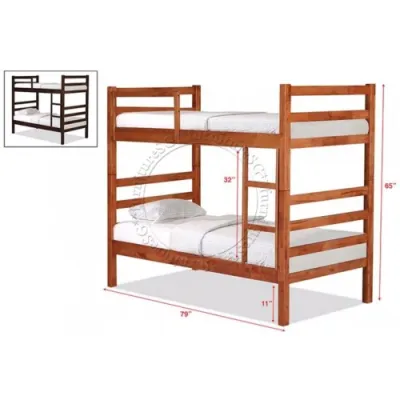

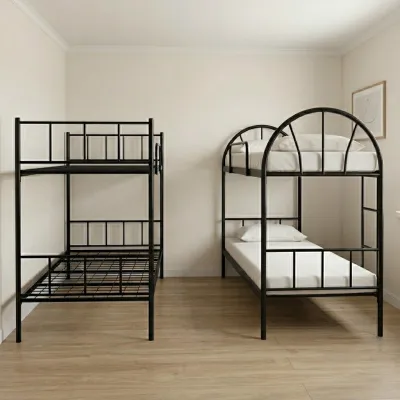
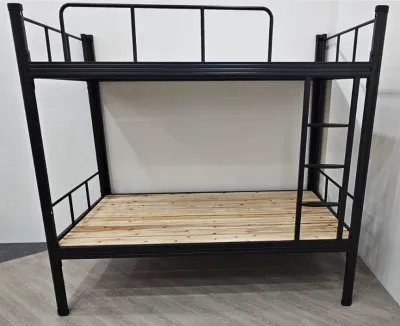
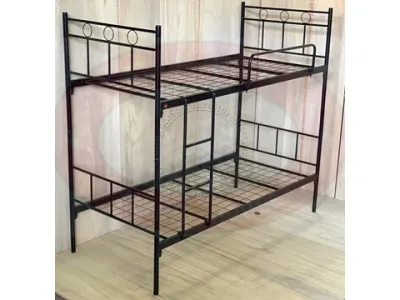
![[TheGoodFurniture] 双层单人铁床 Double Deck Metal Bed. Heavy Duty Double decker. Single size bed. Budget cheap warehouse pricing. Economy and space saving for 2 pax. *FAST DELIVERY*](https://img.lazcdn.com/g/p/7d18015b240dde3edb1d898bf08e0ffd.jpg_400x400q80.jpg_.webp)
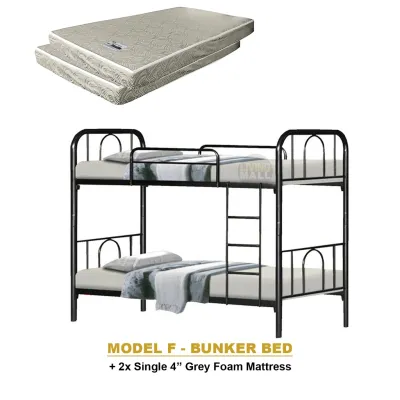
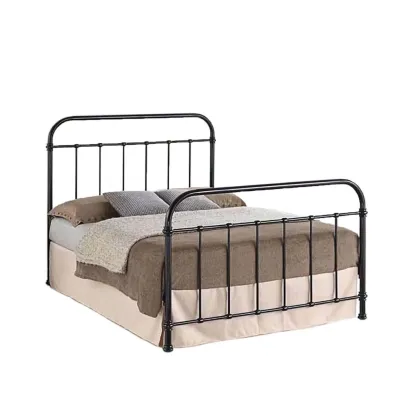
Prices are valid at publication and may change. Please refer to the product page for the latest price.
Guard Rails and Fall Prevention
The top bunk of a double deck bed requires robust, continuous guard rails to prevent children from rolling out of bed during sleep. When evaluating a bed frame, the first step is to measure the distance from the top of the mattress to the top of the guard rail. Safety standards generally dictate that the guard rail must extend at least 127 millimetres above the top surface of the mattress. This means you must consider the thickness of the mattress you plan to buy; a mattress that is too thick will reduce the effective height of the guard rail, rendering it unsafe.
In addition to height, inspect the continuity of the rails. The guard rail on the wall-facing side of the bed should run uninterrupted from the headboard to the footboard. The guard rail on the open side must also be continuous, except for a designated opening for the ladder. This ladder entry gap should be wide enough for easy access but narrow enough to prevent a child from accidentally rolling through the opening while asleep.
Finally, examine how the guard rails are attached to the bed frame. Avoid models where the rails simply slide onto the side boards without mechanical fasteners. Instead, prioritize designs where the guard rails are securely bolted directly into the main support posts. Try pushing and pulling the rails with moderate force during your showroom visit; they should not wobble, bend, or show any signs of detaching from the frame.
Ladder Design and Stability
The ladder is the only pathway to the top bunk, making its design and stability critical to preventing slips and falls. When comparing double deck beds, you will encounter both fixed and detachable ladder designs. Fixed ladders that are bolted securely to the bed frame at multiple points are generally preferred, as they cannot slip, slide, or tip over while a child is climbing. If you choose a detachable ladder, ensure it features heavy-duty locking brackets that clamp firmly onto the bed rail and cannot be easily dislodged by active children.

The angle and step design of the ladder also play a significant role in climbing safety. Slanted ladders are typically easier and safer for younger children to climb than vertical ladders, though they do occupy slightly more floor space in the bedroom. Inspect the steps themselves; they should be wide, flat treads rather than thin, round rungs, which can hurt a child’s feet and increase the risk of slipping. Look for ladders that feature anti-slip textures, grooved surfaces, or rubber grip pads on each step.
Do not forget to check the ladder’s weight capacity and structural reinforcement. The ladder must be able to support not only the weight of your child but also the occasional weight of an adult who may need to climb up to change the bedsheets or comfort a sick child. Ensure the ladder frame is made from thick, solid materials and that the joints are reinforced with metal brackets or heavy-duty wood screws.
Entrapment Gaps and Structural Integrity
Entrapment hazards are a serious but often overlooked risk in children’s furniture. Children can easily get their heads, necks, or limbs trapped in gaps that are poorly designed. To prevent this, you must carefully inspect all spaces between the guard rails, the mattress, the headboard, the footboard, and the individual mattress support slats. As a general rule, gaps should either be smaller than 90 millimetres (to prevent a child’s body from slipping through) or larger than 230 millimetres (to allow the head to pass through safely without getting stuck).
Beyond gap measurements, run your hands along the entire frame to check for protruding hardware, sharp edges, or catch points. Exposed bolt heads, rough wood joints, or sharp metal corners can snag blankets, pajamas, or drawstrings, creating a dangerous entanglement hazard. Opt for beds that feature recessed hardware, rounded corners, and smooth, flush joints.
Structural integrity is the foundation of bunk bed safety. Test the overall stability of the double deck bed by grasping the top corner posts and giving the frame a firm shake. A high-quality bed should feel incredibly stable, with minimal to no swaying or creaking. If the frame wobbles significantly in the showroom, it is highly likely to become even more unstable over time with daily use, posing a risk of structural failure.
Material Safety and Finish Checks
The materials used to construct a double deck bed must be both physically durable and chemically safe for children. When browsing options, ask the retailer for manufacturer documentation verifying that the paints, stains, and varnishes used on the bed are non-toxic, lead-free, and low in volatile organic compounds (VOCs). This is particularly important for younger children who may chew on the bed rails during teething.
Physical material checks are equally important. For wooden double deck beds, inspect the surfaces thoroughly for splinters, rough grain, or peeling finishes. If you are considering a metal frame, check for smooth welds, rust-resistant powder coatings, and the absence of sharp metal burrs or chipped paint. Keep in mind that while solid hardwood and heavy-gauge metal are inherently durable, their long-term performance depends heavily on the quality of the protective finish and the strength of the joints.
The mattress support system is another critical area to inspect. The slats must be thick enough to support the mattress and the child’s weight without sagging. Look for beds where the slats are made from solid wood or reinforced metal, are spaced closely together, and are screwed directly into the side rails of the bed frame. Avoid systems that rely on loose, unfastened slats or thin plywood boards that can easily crack or shift out of place under sudden impact, such as a child jumping on the bed.
Assembly, Placement, and Ongoing Maintenance
A safe double deck bed design can still become hazardous if it is assembled incorrectly or placed in a dangerous location. Always follow the manufacturer’s assembly instructions step-by-step, ensuring that every single bolt, washer, and dowel is installed exactly as directed. Never substitute missing hardware with random screws from your toolbox; instead, contact the manufacturer or retailer for official replacement parts. If you are not confident in your DIY skills, consider paying for professional assembly services, which often cost between S$50 and S$120 in Singapore, to ensure the bed is put together with professional precision.
Room placement requires careful planning, especially in rooms with ceiling fixtures. Position the double deck bed well away from ceiling fans, light fixtures, air conditioning units, and windows. In Singapore’s warm climate, ceiling fans are common, but they pose a severe impact hazard if positioned too close to the top bunk. Additionally, ensure the bed is kept far from window blind cords, curtain pull strings, and electrical outlets to eliminate any risk of strangulation or electrical shock.
Finally, safety is an ongoing commitment that does not end once the bed is assembled. Establish a routine maintenance schedule to inspect the bed every few months. Wood naturally expands and contracts with changes in humidity, and daily climbing can loosen fasteners over time. Use a screwdriver or hex key to tighten all bolts and joints regularly, and inspect the frame for any new signs of wear, cracks, or structural fatigue.
Frequently Asked Questions (FAQ)
What is the recommended minimum age for using the top bunk?
Standard child safety guidelines recommend that children under the age of six should not sleep on or play on the top bunk of a double deck bed. At this developmental stage, younger children may lack the physical coordination, balance, and spatial awareness required to safely climb the ladder and navigate the elevated sleeping area, especially in the dark. Before allowing an older child to use the top bunk, assess their maturity, tendency to sleepwalk, and ability to consistently follow safety rules, such as not jumping on the bed.
How often should I inspect the bed's hardware and joints?
It is highly recommended to perform a thorough safety inspection of your child’s double deck bed at least once every three to six months. During this check, test the tightness of all bolts, screws, and structural connectors, as regular use can cause them to loosen gradually. If you ever hear creaking sounds when your child climbs the bed, notice visible gaps opening up at the joints, or feel any wobbling when pressure is applied, stop using the bed immediately and tighten the hardware or seek professional repair.

Community discussion
Share your experience or ask a question. Comments are reviewed before publication.