
When selecting a kids’ tatami bed with an integrated desk, safety must be your primary consideration. These multi-functional furniture pieces are highly popular in compact living environments, such as high-rise apartments, because they maximize floor space by combining sleeping, studying, and storage areas into a single footprint. However, because these units elevate the sleeping platform and integrate heavy moving parts, they require a thorough physical inspection before you make a purchase. Focusing on structural integrity, secure access points, and reliable anchoring will help you choose a setup that keeps your child safe during both sleep and study.
Evaluating the physical dimensions of the furniture in relation to your room is the first step. You must ensure there is adequate clearance from the top of the mattress to the ceiling, as well as sufficient space around the desk and ladder for safe movement. By understanding what specific safety features to look for, you can make an informed decision that balances space-saving utility with peace of mind.
Inspecting the Sleeping Area and Guardrails
Elevated sleeping platforms require robust barriers to prevent accidental falls, especially during active sleep. When evaluating a tatami bed, measure the guardrail height relative to the mattress you plan to use. The guardrail must extend significantly above the top of the mattress to provide an effective barrier. If you choose a mattress that is too thick, it will reduce the effective height of the guardrail, increasing the risk of a fall. Always check the manufacturer’s guidelines for the maximum recommended mattress thickness to ensure the guardrails remain functional.
Products mentioned in this guide
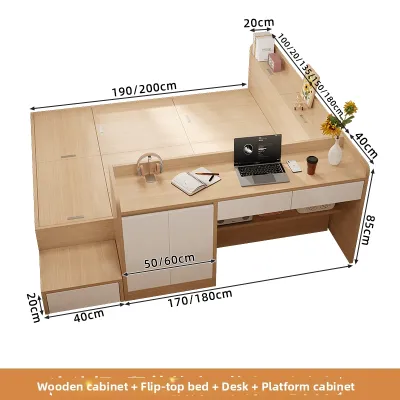
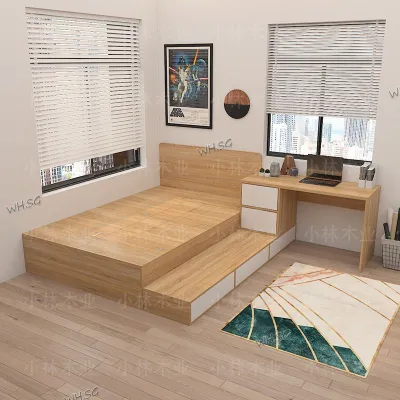
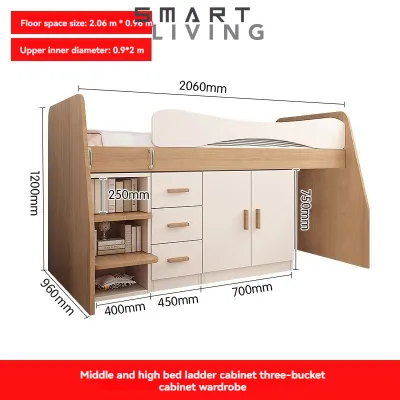
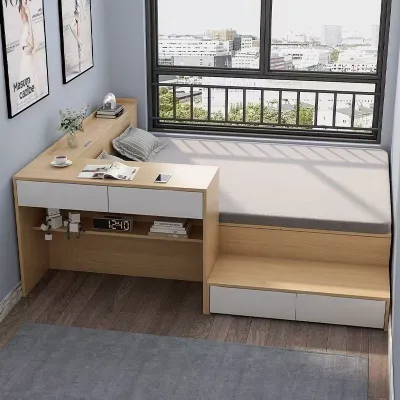

Prices are valid at publication and may change. Please refer to the product page for the latest price.
Next, examine the gaps between the guardrail slats or panels. These openings must be narrow enough to prevent a child’s limbs, torso, or head from becoming trapped. Standard safety principles suggest that gaps should be small enough to prevent a child from slipping through, yet wide enough to avoid catching fingers. Bring a measuring tape when viewing display models to verify these distances yourself, ensuring there are no hazardous spaces between the slats or where the rail meets the bed frame.
Test the structural rigidity of the guardrails by applying firm lateral pressure. Shake the rails to see if they wobble, bend, or creak under force. A secure guardrail should feel like an immovable extension of the bed frame, capable of withstanding the weight of a child leaning or pushing against it during play. Look closely at the fastening hardware; bolted connections with metal-to-metal inserts are generally more durable and secure over time than simple wood screws, which can loosen or strip the surrounding material under repeated stress.
Evaluating the Integrated Desk and Storage Stability
A combined bed, desk, and storage system carries a high center of gravity, particularly when built upward in a tatami style. To prevent catastrophic tipping accidents, check if the manufacturer provides dedicated wall-anchoring hardware. In concrete-walled homes, securing heavy, tall furniture to the wall with appropriate masonry plugs and brackets is a critical safety step that cannot be skipped. Verify that the unit’s design allows for flush placement against the wall to facilitate secure anchoring.

Assess the stability of the integrated desk surface. When a child leans on the desk to write, study, or stand up, the surface must not flex, tilt, or shift. Check the support legs or panels beneath the desk to ensure they are securely integrated into the main bed frame. If the desk is a pull-out or adjustable model, inspect the locking mechanisms to ensure they hold the surface firmly in place without any risk of sudden collapse.
Inspect the drawer slides and cabinet hinges within the storage compartments. Look for safety stops that prevent drawers from being pulled completely out of their tracks, which could cause them to fall onto a child. Soft-close features are also highly beneficial, as they minimize the risk of painful finger-pinching incidents. Consider the overall weight distribution of the unit; when drawers are fully extended or the desk is loaded with books, the center of gravity shifts, meaning the base of the tatami structure must remain perfectly stable under these dynamic loads.
Checking the Ladder, Steps, and Access Points
Getting in and out of an elevated tatami bed requires a safe, reliable climbing path. If the bed uses a ladder, inspect the width and depth of the rungs. Narrow, round rungs can be painful on small feet and increase the risk of slipping; flat, wide steps offer a much more secure foothold. Check for slip-resistant textures or grip tape on the steps, as smooth, polished wood or laminate can become incredibly slippery, especially if a child is wearing socks.
If the steps double as storage drawers—a common space-saving design in tatami beds—ensure the drawer fronts sit completely flush when closed so they do not create uneven surfaces or tripping hazards. Evaluate the handholds or grab rails at the top of the climbing area. Children need secure places to grip with both hands as they transition from the ladder to the sleeping platform. These handholds must be smooth, easy to grasp, and free of any sharp edges or tight pinch points.
Evaluate the structural connection of the ladder or steps to the bed frame. Shake the climbing unit to check for wobble; it should be rigidly attached with heavy-duty brackets rather than hanging loosely. Furthermore, consider the placement of the ladder in relation to the desk and the rest of the room layout. Ensure there is ample clearance at the base of the steps so the child does not bump into the desk corner or block a doorway when climbing up or down.
Verifying Materials, Edges, and Weight Limits
Children’s furniture must be free of sharp corners that could cause injury during active play or accidental stumbles. Run your hands along all accessible edges of the bed frame, desk, and storage units. Look for rounded corners rather than sharp, 90-degree angles. Examine the physical finish of the materials; if the bed is made of wood or composite panels, check thoroughly for splinters, rough patches, or peeling laminate.
Inspect the hardware installation to ensure all screws, bolts, and brackets are countersunk or covered with protective caps, leaving no protruding metal parts to catch on clothing or scratch skin. Be cautious of material performance claims. While terms like scratch-resistant or moisture-proof are common in product descriptions, they do not guarantee safety or durability. Instead, inspect the actual thickness of the panels, the quality of the joints, and the manufacturer’s care instructions to determine if the materials can withstand daily use in a humid climate.
Locate the manufacturer’s official specifications regarding maximum weight limits. You must verify the load capacity for both the sleeping platform and the desk surface. Keep in mind that the bed’s weight limit must accommodate not only the child but also the mattress, bedding, and the occasional weight of a parent sitting nearby during storytime. Never exceed these limits, and ensure the weight capacity is clearly documented in the product manual rather than relying on verbal assurances from a salesperson.
Reviewing Manufacturer Labels and Assembly Requirements
Before finalizing your purchase, look for official safety labels and certifications on the product packaging or within the user manual. These labels often specify the recommended age range for the bed—typically advising against elevated beds for children under six years old—as well as critical weight restrictions. Validating these safety claims through official documentation ensures you are not relying solely on visual inspection.
Understand the assembly requirements for these complex, multi-functional furniture systems. Due to the weight and structural complexity of a tatami bed with an integrated desk, professional assembly is highly recommended. If you choose to assemble it yourself, you must strictly follow the step-by-step manual, using all provided hardware, structural braces, and wall anchors. Never attempt to modify the design or skip assembly steps to fit a tight space.
If you discover missing parts, damaged panels, or conflicting instructions during assembly, stop immediately and consult the manufacturer or retailer. Operating or using a partially assembled or compromised structure poses a severe safety hazard to your child. Keeping the assembly manual in a safe place allows you to refer back to it for maintenance checks or if you need to disassemble and move the furniture in the future.
Frequently Asked Questions (FAQ)
Is a tatami bed with desk safe for toddlers?
No, elevated tatami beds with integrated desks are generally not recommended for toddlers or children under the age of six. Toddlers lack the physical coordination, balance, and spatial awareness required to safely navigate ladders, steps, and elevated sleeping platforms. For younger children, a floor-level tatami bed without a lofted structure or high-climbing access is a much safer alternative until they develop the necessary motor skills.
How often should I re-check the bed's safety features?
You should perform a comprehensive safety check of the bed frame, desk, and ladder at least once every six months. Seasonal changes in indoor humidity can cause wood to expand and contract, which may naturally loosen screws and bolts over time. Regularly tighten all structural connectors, inspect the drawer slides and hinges for smooth operation, and verify that the wall-anchoring brackets remain firmly secured to the wall.

Community discussion
Share your experience or ask a question. Comments are reviewed before publication.