
Selecting the right ergonomic office chair for your Singapore home office is a highly personal decision that directly impacts your daily comfort, posture, and long-term physical well-being. While the Ergotune Supreme has gained significant visibility in the local market, it is not a universal solution for every body type or workspace configuration. The ideal choice between this model and its competitors depends on how well a chair’s physical dimensions, adjustability ranges, and material properties align with your unique physical metrics and daily habits. Rather than relying on generic recommendations or marketing claims, you should evaluate these options through a structured comparison of mechanical features, spatial requirements, and practical home logistics.
Identifying Your Ergonomic and Spatial Requirements
Before comparing specific chair models, you must establish a clear baseline of your own physical measurements and working habits. Start by measuring your seated height, weight, and thigh length. Thigh length is particularly critical; you should measure this from the back of your pelvis to the inside of your knee while sitting upright. These personal metrics must be cross-referenced directly with the manufacturer’s official dimension charts to ensure the seat pan can support your frame without causing discomfort or restricting circulation.
Your primary daily tasks also dictate the type of support you require. If your day consists of continuous, focused typing, you will need a chair that excels in upright lumbar support and forward-tilt adjustments. Conversely, if your routine involves frequent video calls, reading, or creative brainstorming, you may prioritize a chair with a smooth, deep recline and a highly adjustable headrest. Matching the chair’s mechanical strengths to your actual work patterns prevents fatigue and reduces the risk of strain over long hours.
Products mentioned in this guide
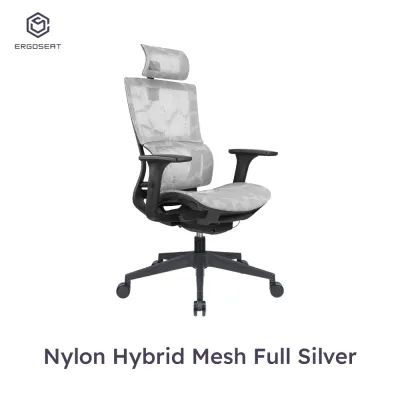
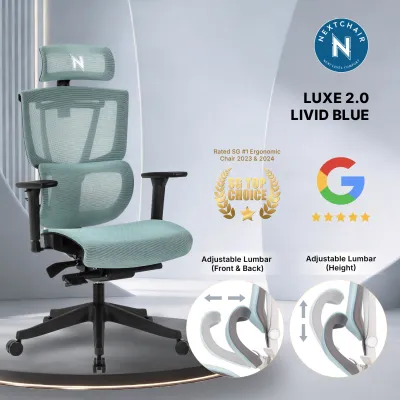
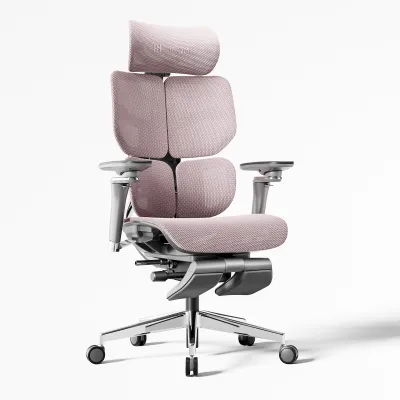
![[PRE-ORDER] TT Aeroflex Ergochair Home Office Mesh Chair Executive Ergonomics Chair](https://img.lazcdn.com/g/p/f6ef421a9e5f31ae415d20873deb923e.jpg_400x400q80.jpg_.webp)
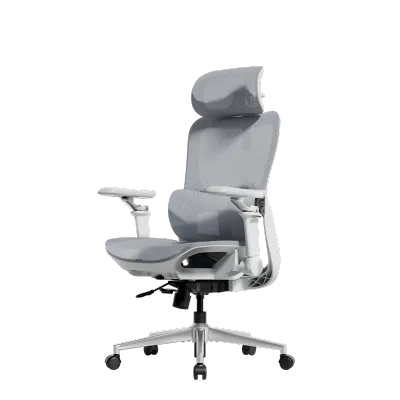
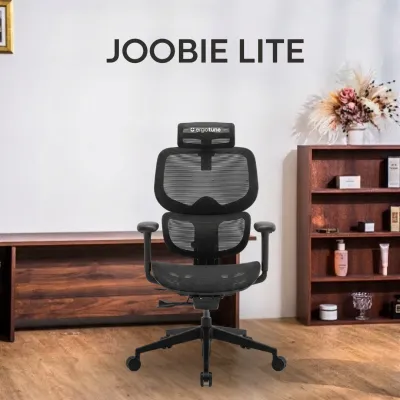
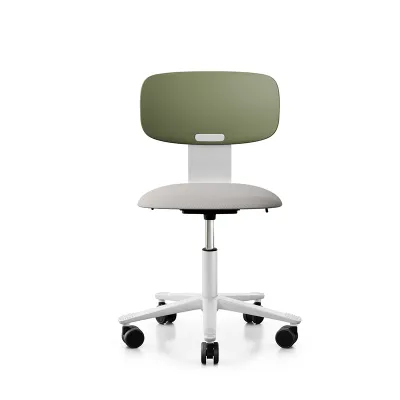
Prices are valid at publication and may change. Please refer to the product page for the latest price.
Finally, assess the physical constraints of your Singapore home office. Many local apartments, such as HDB flats and compact condominiums, have limited floor space that requires careful planning. Measure your desk height and the clearance between the floor and the underside of the desk drawer or frame. You must ensure the chair’s armrests can slide fully underneath the desk when not in use to save space. Additionally, map out the floor area to ensure the base can rotate and roll freely without colliding with nearby walls, storage units, or electrical cords.
Core Adjustability and Material Dimensions to Compare
When evaluating the Ergotune Supreme against alternative ergonomic chairs, the mechanical adjustability of the lumbar support is one of the most critical factors to analyze. Lumbar supports generally fall into three categories: fixed, manually adjustable, or dynamic (auto-tuning). A dynamic lumbar support reacts to your body weight and movement, while a manually adjustable system allows you to lock the support at a specific height and depth. You should verify whether a chair’s lumbar mechanism aligns naturally with your spinal curve, as an poorly positioned support can cause lower back discomfort.

Armrest adjustability is another essential dimension that directly affects shoulder and neck strain. Look for armrests that offer multi-directional adjustments, often referred to as 3D or 4D armrests, which allow you to modify the height, width, depth, and pivot angle. This level of customization ensures that your elbows can rest comfortably at a 90-degree angle while keeping your wrists in a neutral position relative to your keyboard. If the armrests cannot adjust inward sufficiently, you may find yourself flaring your elbows outward, leading to shoulder tension.
Seat depth adjustment and tilt tension controls are equally vital for maintaining healthy lower-body circulation. A proper seat depth adjustment allows you to slide the seat pan forward or backward, leaving a gap of about two to three fingers between the edge of the seat and the back of your knees. If the seat pan is too deep, it will press against the back of your knees and restrict blood flow; if it is too shallow, your thighs will lack adequate support. Tilt tension controls allow you to adjust the resistance of the backrest, ensuring you can recline smoothly without feeling like you are falling backward or struggling against a stiff spring.
Material selection is highly consequential in Singapore’s warm and humid climate. Mesh seat pans and backrests offer excellent breathability, allowing air to circulate freely and keeping you cool even without continuous air conditioning. However, mesh tension can vary significantly between brands, and some users find high-tension mesh too firm over long periods. Foam cushions, on the other hand, provide a more traditional, plush feel but can trap body heat if they lack specialized cooling channels or breathable fabric covers. You should review the manufacturer’s care instructions and material specifications to determine which option suits your comfort preferences and room temperature.
Evaluating the Ergotune Supreme Feature Set
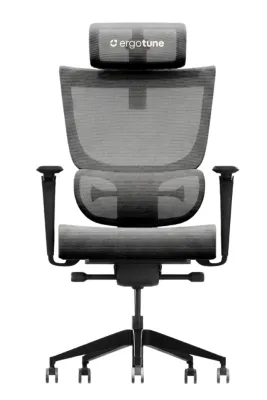
To determine if the Ergotune Supreme is the right fit for your home office, you must examine its specific design features and mechanical specifications. One of the defining characteristics of this model is its multi-point adjustability system, which includes a dynamic lumbar support designed to adapt to your movements. You should verify the manufacturer’s stated maximum recline angle and the number of locking positions available. This information is crucial if you plan to use the chair for both upright tasking and relaxed resting, as it tells you exactly how far back you can safely tilt and whether you can lock the backrest at your preferred angle.
The headrest design is another prominent feature of the Ergotune Supreme that requires close inspection. The headrest is engineered to adjust in height, depth, and angle to support the natural curve of your neck. However, because headrest compatibility is highly dependent on your height and torso length, you must check the official adjustment ranges. If you are exceptionally tall or short, you should verify whether the headrest can be lowered or raised sufficiently to cradle your neck rather than pushing your head forward or resting uncomfortably against your shoulders.
The construction of the chair’s base and casters also plays a significant role in its daily performance and the preservation of your home flooring. The Ergotune Supreme typically features a sturdy base paired with specialized casters designed for smooth movement. You must confirm whether these casters are suitable for your specific flooring material, whether you have hard ceramic tiles, vinyl planks, engineered wood, or low-pile carpets. Using the wrong type of casters can lead to unsightly scratches on hard surfaces or excessive rolling resistance on carpets, which may require the additional purchase of a protective floor mat.
Assembly, Flooring, and Warranty Considerations
Purchasing an ergonomic chair involves practical logistics that extend beyond the chair’s physical features. Before placing an order, you must measure the entryways of your home, including elevator doors, stairwells, and apartment front doors. Ergonomic chairs are often shipped in large, heavy boxes that can be difficult to maneuver through tight spaces. Ensuring that the packaged dimensions can easily clear these pathways prevents delivery delays and potential damage to your property or the product itself.
Assembly is another practical factor to consider, especially if you prefer a hassle-free setup. Some manufacturers design their chairs for quick assembly with minimal tools, while others require more complex steps and specialized hardware. You should check if the retailer provides clear, step-by-step video guides or if they offer professional assembly services in Singapore. Opting for a professional assembly service can save time and ensure that all mechanical components, gas lifts, and adjustment levers are installed correctly and safely.
Warranty coverage is a critical indicator of a chair’s long-term durability and the manufacturer’s confidence in their product. When comparing the Ergotune Supreme with other brands, look closely at the warranty terms and duration. It is common for manufacturers to offer different warranty periods for different components; for example, the structural frame and base might have a longer warranty than the mesh fabric, armrest pads, or gas lift mechanism. Carefully review the exclusions and the process for claiming warranty services in Singapore to avoid unexpected repair costs down the road.
Decision Framework: Which Chair Should You Choose?
Making your final decision requires synthesizing your personal measurements, spatial constraints, and the verified specifications of the chairs you are considering. You should choose the Ergotune Supreme if its specific adjustability ranges, dynamic lumbar support, and breathable mesh material align closely with your body metrics and your home office setup. This model is particularly suitable for users who appreciate a highly responsive backrest and require a wide range of individual adjustments to fine-tune their seating posture throughout the day.
On the other hand, you should look toward alternative models if you have specific physical requirements that the Ergotune Supreme does not accommodate. For instance, if you prefer the plush, pressure-relieving support of a high-density foam seat cushion over a mesh seat, or if you require an extra-wide seat pan and a higher weight capacity, other specialized ergonomic chairs may offer a better fit. Additionally, if your home office desk has a unique height or layout that limits armrest clearance, a chair with highly specialized armrest folding mechanisms might be necessary.
If you experience chronic back pain, neck strain, or have a pre-existing musculoskeletal condition, you should consult with a medical professional or an ergonomic specialist before making a purchase. A specialist can provide personalized recommendations regarding the specific support features your body requires. Remember that while an ergonomic chair is an excellent tool for promoting better posture, it should be combined with regular movement, stretching, and proper desk alignment to maintain long-term physical well-being.
Frequently Asked Questions (FAQ)
How do I know if an ergonomic chair fits my desk height?
To determine if an ergonomic chair fits your desk, you must measure the distance from the floor to the top surface of your desk. Compare this measurement with the chair’s seat height adjustment range, keeping in mind that your feet must rest flat on the floor while your knees are bent at a 90-degree angle. When seated, your elbows should rest comfortably on the armrests or the desk surface at a 90-degree angle without forcing your shoulders to shrug. If your desk is too high and cannot be adjusted, you may need to raise your chair and use a footrest to maintain proper ergonomic alignment.
Is a headrest necessary for long hours of computer work?
A headrest is not strictly necessary for active, upright computer work, such as typing or data entry, because your head should naturally align over your spine without leaning back. However, a headrest becomes highly beneficial during periods of rest, video conferencing, or when reclining to read. If you frequently transition between active typing and relaxed viewing, an adjustable headrest can provide essential neck support and reduce muscle fatigue. If you decide to choose a chair with a headrest, ensure it can be adjusted to fit the natural curve of your neck rather than pushing your head forward.

Community discussion
Share your experience or ask a question. Comments are reviewed before publication.