
Comparing ergonomic chair brands for a Singapore home office requires looking beyond marketing buzzwords to evaluate how a brand’s physical dimensions, adjustment mechanisms, and material choices match your body shape and workspace. There is no single universal winner when it comes to ergonomic seating. Instead, the right choice depends on matching your specific anthropometric measurements and daily habits to the chair’s design.
Many home offices in Singapore are set up in compact study rooms or multi-purpose bedrooms where space is at a premium. Additionally, the local warm and humid climate makes thermal regulation a major factor when choosing between mesh and foam. By focusing on verifiable specifications—such as seat depth, gas lift classes, and adjustment ranges—you can systematically compare different brands to find the perfect fit for your posture and home environment.
Essential Measurements to Check Before Comparing Brands
Before diving into brand comparisons, you must verify your physical and spatial constraints. This initial step filters out incompatible chair models immediately, saving you time and preventing costly return shipping fees.
Products mentioned in this guide
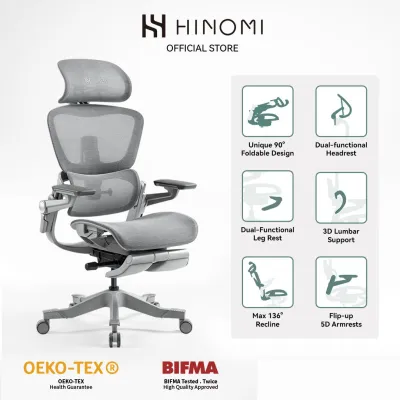
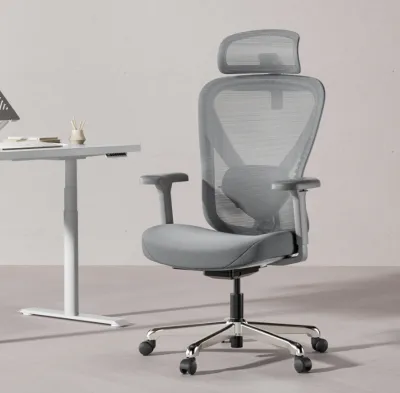
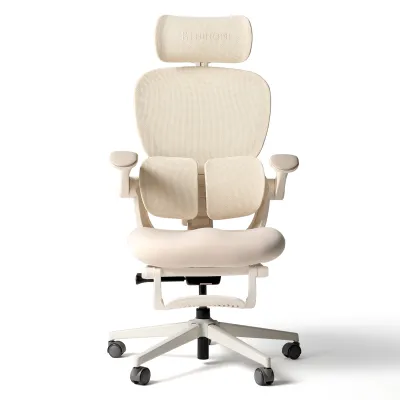
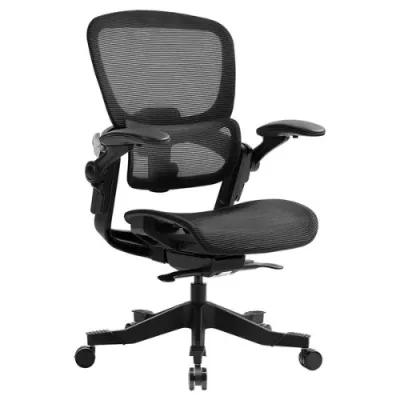
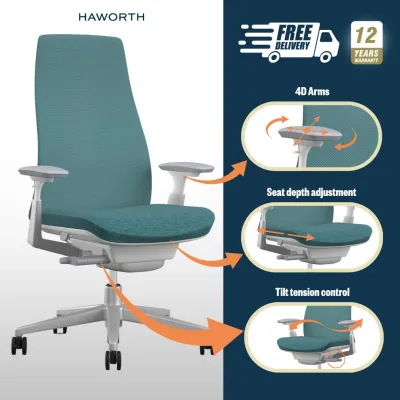
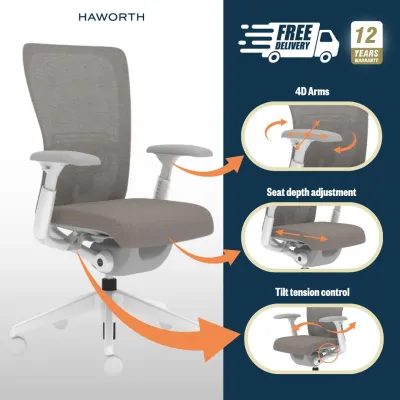
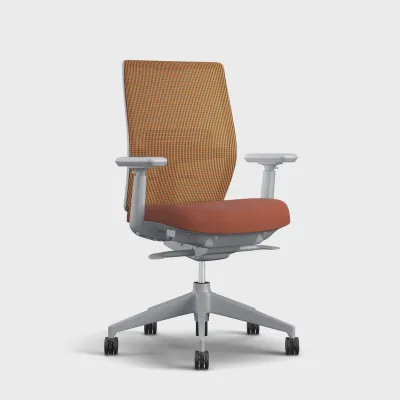
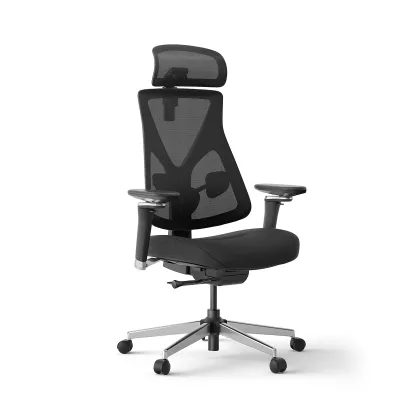
Prices are valid at publication and may change. Please refer to the product page for the latest price.
First, measure your desk height clearance. Determine the distance from the floor to the underside of your desk. Ensure the chair’s armrests can slide underneath when adjusted to your working height, or verify that the armrests can fold back or drop low enough. This is especially important for built-in study desks common in Singapore apartments, where desk heights are often fixed.
Next, check your user inseam and torso measurements against the chair’s specifications. Measure your lower leg length from the back of your knee to the sole of your foot while wearing your typical home footwear. Your feet must rest flat on the floor to prevent lower back strain, so this measurement must fall within the chair’s seat height adjustment range. Additionally, check your torso height against the backrest to ensure the lumbar support aligns with your natural lumbar curve.
You must also assess the available floor space in your home office. A standard five-star wheelbase typically ranges from 60 to 70 centimeters in diameter. Ensure you have enough clearance to roll back and recline without hitting wardrobes, walls, or other furniture.
Finally, verify the manufacturer’s stated maximum weight capacity against your requirements. While many standard chairs support up to 120 kg, some compact models may have lower limits, while heavy-duty options are rated for 150 kg or more. Checking this specification ensures long-term structural safety and prevents premature wear on the hydraulic cylinder.
Evaluating Build Quality and Frame Stability
When comparing brands, look past aesthetic designs and focus on structural durability and material longevity. High-quality materials ensure the chair remains stable and supportive over years of daily use.

Compare the materials used in the chair’s base and frame. Premium brand profiles often feature polished or powder-coated aluminum bases, which offer exceptional stability and a high weight capacity. Mid-range and entry-level options typically use glass-fiber reinforced nylon or steel. While reinforced nylon is lightweight and highly durable, inspect the ribbing on the underside of the base to ensure it is robustly engineered to prevent flexing under load.
Ensure the casters are matched to your specific home office flooring. Hard casters made of nylon are designed for carpeted floors, providing smooth rolling resistance. If your home has hardwood, vinyl, laminate, or polished tile flooring, look for soft casters coated with polyurethane. Soft casters prevent unsightly scratches, reduce rolling noise, and provide better grip on smooth surfaces.
The gas lift cylinder is the heart of the chair’s height adjustment. Locate and verify gas lift certification labels or class ratings on the product specifications. Look for certifications such as TÜV, SGS, or BIFMA. Class 4 gas lifts are the industry standard for high-quality ergonomic chairs, featuring thicker steel walls and higher pressure tolerance than Class 3 or Class 2 cylinders.
If you are considering a mesh chair, inspect the tension consistency across the seat and backrest. High-quality mesh should feel firm and resilient, springing back immediately when pressed. Look for multi-zone weaving, where the tension varies across different parts of the seat to distribute pressure evenly. For fabric chairs, check the weave density and rub-test ratings to ensure the material will not pill or wear thin over years of daily use.
Comparing Adjustability Features for Customized Support
The primary value of an ergonomic chair lies in its adjustability. The more points of adjustment a chair offers, the easier it is to customize the support to your unique body shape and daily tasks.
Evaluate armrest adjustability for proper keyboard and mouse support. Look for 4D armrests, which adjust in height, width, depth, and pivot angle. This level of adjustability allows you to position the armrests so your elbows rest at a comfortable 90-degree angle, reducing strain on your shoulders and neck while typing or using a mouse.
Check for seat depth sliders to ensure adequate thigh support without cutting off circulation. When sitting fully back against the backrest, there should be a gap of about two to three fingers between the front edge of the seat pan and the back of your knees. If the seat is too deep, it will press against your calves and restrict blood flow; if it is too shallow, your thighs will not be adequately supported, leading to increased pressure on your sit bones.
Compare lumbar support mechanisms, noting whether they offer fixed, height-adjustable, or depth-adjustable tension. The most advanced systems feature dynamic, auto-tuning lumbar support that automatically adjusts its tension and angle as you shift positions. Ensure the lumbar support can be positioned exactly in the curve of your lower spine to maintain natural alignment.
Review synchro-tilt functions and tension controls to maintain a healthy hip-to-torso angle during movement. A synchro-tilt mechanism allows the backrest to recline at a faster rate than the seat pan, which keeps your feet flat on the floor as you lean back. Look for a tension control knob that lets you adjust the resistance of the recline to match your body weight, allowing you to transition smoothly between upright focus and relaxed reclining.
Assessing Comfort and Thermal Regulation for Long Hours
Subjective comfort is highly dependent on design choices and local climate conditions. When comparing brands, evaluate how their design philosophies address physical comfort and heat dissipation.
Compare seat pan designs, weighing high-density foam cushions against flexible mesh suspension. High-density foam cushions offer a plush, supportive feel and excellent pressure distribution, making them ideal for users who prefer a traditional sit. However, they can trap body heat. Mesh suspension seat pans offer unparalleled breathability and contour to your body shape, but they require a well-designed frame with a waterfall front edge to prevent the hard plastic border from pressing into your thighs.
Analyze backrest contours to ensure they align with the natural S-curve of the spine. When comparing brands, look for backrests that offer a wide upper section to support your shoulders and a narrower lower section that allows your arms to move freely. Avoid designs that force your back into a rigid, unnatural posture; instead, look for flexible frames that twist slightly with your torso as you reach for items on your desk.
In Singapore’s warm and humid climate, material breathability and heat retention are critical for maintaining comfort, especially if you work without air conditioning during the day. Fully mesh chairs allow maximum airflow, keeping you cool and dry. If you prefer the cushioning of foam, look for brands that use breathable, open-cell foam structures paired with moisture-wicking fabric covers to minimize heat buildup.
Check the front edge of the seat pan. A pronounced waterfall design—where the front of the seat slopes gently downward—is essential for reducing pressure on the underside of your thighs. This design feature helps maintain healthy blood circulation to your lower legs, preventing the numbness and tingling that can occur during long sitting sessions.
Decision Framework: Matching Chair Profiles to User Needs
To finalize your shortlist, match your prioritized features, workspace constraints, and budget to the appropriate brand profile.
If your daily workflow involves a mix of intensive typing, reading, and virtual meetings, prioritize a brand profile that features an advanced synchro-tilt mechanism and a deep recline angle. This allows you to shift postures throughout the day, reducing static muscle fatigue.
For small home offices or shared desks in Singapore households, look for a compact brand profile with highly adjustable, modular features. A chair with a smaller wheelbase, folding armrests, and a wide range of seat height adjustments can easily accommodate different family members and slide neatly under the desk when not in use to save precious floor space.
If you prefer a firm, highly stable seating experience or require a higher weight threshold, choose a brand profile characterized by heavy-duty steel or aluminum frames and thick, high-density molded foam cushions. These chairs maintain their structural integrity and support levels over years of heavy use without sagging.
For budget-conscious buyers, entry-level ergonomic chairs under S$300 often offer basic height and tilt adjustments. Mid-range options between S$300 and S$800 typically introduce seat depth sliders and 3D armrests, while premium brand profiles exceeding S$1,000 provide highly specialized materials, comprehensive 4D adjustability, and extensive warranties.
While ergonomic chairs are designed to promote healthy posture, they are not medical devices. If you suffer from chronic back pain, herniated discs, or other spinal conditions, do not rely solely on aggressive lumbar features or marketing claims. Always consult a medical professional or physical therapist to understand your specific physical requirements before finalizing your chair purchase.
Frequently Asked Questions (FAQ)
How often should I replace the gas lift or casters on my ergonomic chair?
You should consider replacing these components when you observe clear signs of wear or functional failure. For the gas lift, the most common symptom is gradual sinking, where the chair slowly loses height over minutes or hours, or a complete inability to hold your adjusted height. Caster wear is typically indicated by increased rolling resistance, scratching on your flooring, or uneven, jerky movements. Before purchasing aftermarket replacements, check your chair’s warranty terms, as many reputable brands cover these moving parts for several years. If you do buy replacements, measure the stem diameter (usually 11mm for standard chairs, though some brands use 10mm) and stem length of your existing casters to ensure a perfect fit.
Is a headrest necessary for a home office ergonomic chair?
A headrest is not strictly necessary for everyone and depends largely on your primary working posture. If you spend most of your day in an upright typing position, your head should naturally align over your spine, meaning you will rarely touch a headrest. However, if your work involves frequent reclining to read documents, think, or take calls, a headrest provides essential cervical support to prevent neck strain. If you decide to choose a chair with a headrest, ensure it offers independent height and angle adjustments so you can position it precisely in the curve of your neck rather than pushing your head forward.

Community discussion
Share your experience or ask a question. Comments are reviewed before publication.