
Quick Answer: Navigating Ergonomic Chair Brand Comparisons
Finding the ideal ergonomic chair for a home office is a highly individualized process because no single brand or model fits every body type. The optimal choice depends on your specific physical dimensions, daily sitting habits, and budget. While premium heritage brands focus on long-term durability and highly adjustable mechanisms, mid-range and budget alternatives offer practical, cost-effective support for shorter working sessions.
To make an informed decision, avoid relying solely on generic online ratings. Instead, prioritize brands that offer detailed physical specifications, transparent warranty terms, and flexible trial periods. Testing a chair in person or utilizing a risk-free home trial is the most reliable way to ensure the seat pan, lumbar support, and armrests align correctly with your posture.
Core Dimensions for Comparing Ergonomic Office Chairs
When comparing different ergonomic chair brands, looking past aesthetic designs and focusing on technical specifications is essential. The adjustability of a chair determines how well it can be tailored to your body, reducing physical strain during long working hours.
Products mentioned in this guide
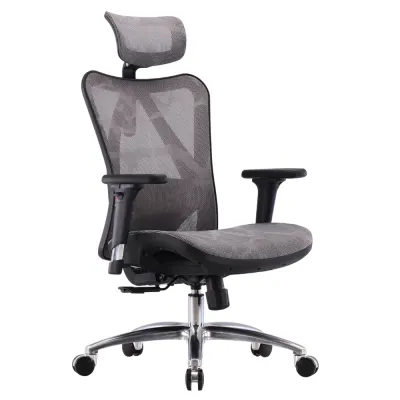
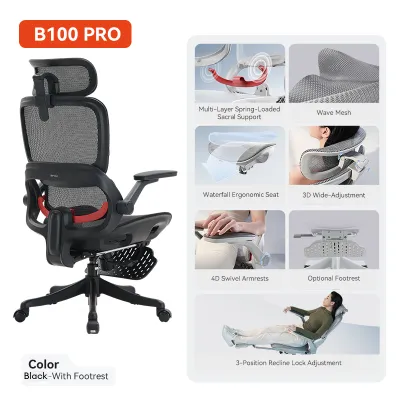
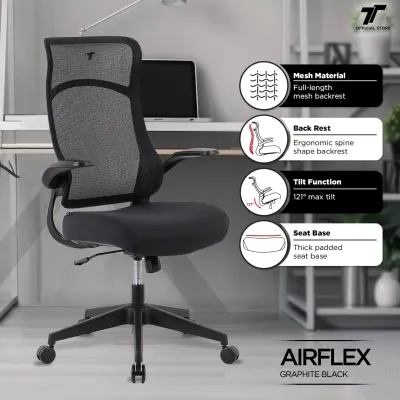
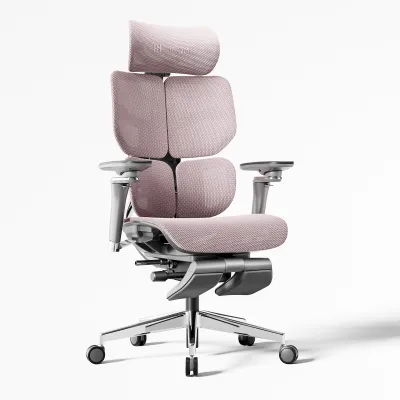
Prices are valid at publication and may change. Please refer to the product page for the latest price.

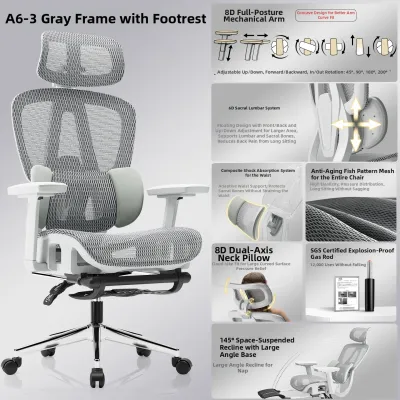
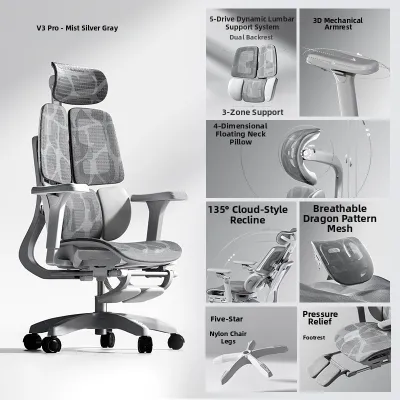
Lumbar Support Mechanisms The lower back requires consistent support to maintain the natural inward curve of the spine. When evaluating brands, check whether the lumbar support is fixed, manually adjustable, or dynamic. Fixed support relies on a static curve built into the backrest, which may not align with your height. Adjustable lumbar support allows you to change the height and sometimes the depth of the cushion or band. Dynamic lumbar support automatically adjusts its tension and position as you recline or shift, providing continuous contact without manual intervention.
Seat Depth and Height Adjustability A proper seat height allows your feet to rest flat on the floor with your knees bent at a 90-degree angle, promoting healthy blood circulation. Seat depth is equally critical but often overlooked. To check for proper seat depth, look for a “seat slide” adjustment that allows you to move the seat pan forward or backward. When sitting fully back against the lumbar support, there should be a gap of approximately three fingers between the edge of the seat and the back of your knees. If the seat is too deep, it will press against the back of your knees, restricting circulation; if it is too shallow, your thighs will lack adequate support.
Armrest Articulation and Desk Clearance Armrests reduce strain on your shoulders and neck by supporting the weight of your arms. Brands categorize armrest adjustability using “D” ratings. 1D armrests only adjust up and down, while 2D adds forward and backward movement. 3D armrests introduce width adjustment, and 4D armrests allow the pads to pivot inward or outward. Ensure the armrests can lower sufficiently to clear the underside of your home office desk, allowing you to pull the chair close enough to work without leaning forward.
Base Stability and Caster Types A stable foundation is critical for safety and ease of movement. Look for a five-star base made of heavy-duty materials like reinforced nylon, polished aluminum, or steel. The casters must match your home flooring. Hard nylon casters are designed to roll smoothly on carpets but can scratch hardwood, laminate, or vinyl flooring. For hard surfaces, look for soft polyurethane (PU) casters that provide grip and prevent surface damage.
Spatial and Access Considerations Before purchasing, verify the finished dimensions of the chair against your workspace. Measure your doorway and lift access to ensure the delivery box can pass through easily. Some premium chairs are delivered fully assembled in large cartons, requiring wider clearance than flat-packed models that you assemble inside your room.
Comparing Brand Tiers and Design Philosophies
The ergonomic chair market is divided into distinct tiers, each defined by engineering philosophies, material quality, and long-term support. Understanding these tiers helps you align your budget with your performance expectations.
Premium Heritage Brands Premium brands approach seating as a long-term investment in occupational health. Their design philosophy centers on extensive scientific research, custom-engineered components, and proprietary materials. Instead of standard foam, they often use advanced elastomeric mesh that distributes body weight evenly and retains its tension for over a decade. These brands typically offer comprehensive 10-to-12-year warranties that cover both structural parts and moving mechanisms. The upfront cost is high, often exceeding S$1,000, but the cost-per-year of ownership is low due to their exceptional lifespan.
Mid-Range Contenders Mid-range brands focus on delivering the most critical ergonomic features at a more accessible price point, typically ranging from S$400 to S$800. These chairs generally offer robust adjustability, including synchro-tilt mechanisms, seat slide, and 3D or 4D armrests. While they may use standard high-density molded foam or commercial-grade mesh rather than proprietary elastomeric materials, their build quality is reliable for daily eight-hour use. Warranties in this tier usually span 3 to 5 years, providing a balanced compromise between initial cost and long-term reliability.
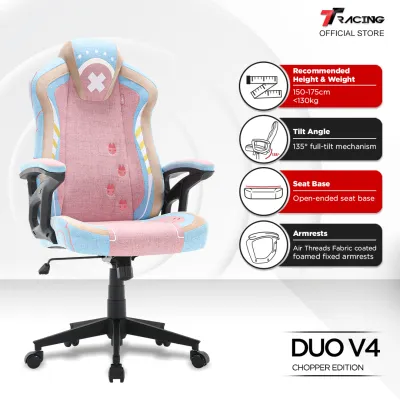
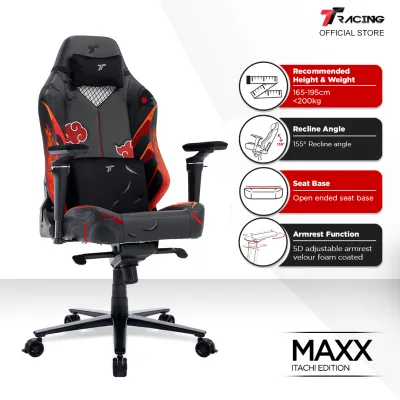
Budget and E-Commerce Platform Brands Budget brands, frequently found on online marketplaces, prioritize affordability and basic functionality. These chairs often cost under S$300 and rely on standard, off-the-shelf components. Adjustability is typically limited to basic seat height and a simple tilt-lock mechanism. The materials used, such as low-density foam and basic polyester mesh, may lose their resilience or sag within one to two years of daily use. Warranties are short, often limited to 1 year or covering only specific structural parts while excluding wear-and-tear items like the gas lift or fabric.
Assessing Comfort, Support, and Long-Term Value
Evaluating an ergonomic chair requires looking beyond the initial showroom comfort. A chair that feels plush for ten minutes may cause discomfort after four hours of continuous work.
Warranty Terms and Exclusions A long warranty period is a strong indicator of a manufacturer’s confidence in their product’s durability. However, it is vital to read the fine print. Some brands advertise a “10-year warranty” but restrict that coverage to the steel frame, while limiting the gas lift cylinder, casters, and fabric to 2 or 3 years. Ensure you understand which components are covered and whether the brand provides on-site servicing or requires you to transport the chair to a service center.
Material Breathability for Tropical Climates In warm and humid environments, material selection directly impacts daily comfort. Solid leather or thick polyurethane (PU) leather chairs tend to trap body heat and moisture, leading to a sticky, uncomfortable sitting experience. High-quality mesh backrests and seat pans allow constant airflow, keeping you cool throughout the day. When choosing a mesh chair, verify that the mesh is woven tightly enough to provide firm support without sagging over time.
Trial Periods and Return Policies Because ergonomics are highly subjective, a trial period is one of the most valuable offerings a brand can provide. Many reputable brands and authorized retailers offer a 14-to-30-day home trial. This allows you to test the chair in your actual working environment, pairing it with your specific desk height and computer setup. If a brand does not offer a return policy, make an effort to visit a physical showroom to test the adjustments before committing to a purchase.
Decision Framework: Which Brand Tier Fits Your Home Office?
To finalize your choice, evaluate your daily working habits, physical requirements, and budget against the following practical guidelines.
Choose a Premium Brand If:
- You spend more than 8 hours a day sitting at your desk and require precise, micro-adjustable support to manage existing back or neck discomfort.
- You want a highly durable product backed by a comprehensive 10-to-12-year warranty, eliminating the need to shop for a replacement chair for a decade.
- Your budget allows for a significant upfront investment (over S$1,000) to secure superior materials and advanced engineering.
Choose a Mid-Range Brand If:
- You work a standard 8-hour day and need reliable, adjustable support without the premium price tag.
- You prefer a balance of modern design, essential ergonomic adjustments (like seat depth and synchro-tilt), and a solid 3-to-5-year warranty.
- You want a dependable chair with a moderate upfront cost (S$400 to S$800) that offers excellent value over several years of use.
Verify First If:
- You are considering a budget chair from an online marketplace; check customer reviews specifically for long-term durability, ease of assembly, and the responsiveness of the seller's customer service.
- The chair lacks a seat depth adjustment; ensure the fixed seat pan dimensions align perfectly with your thigh length to avoid circulation issues.
- The warranty terms are vague or do not cover the gas lift cylinder, which is often the first component to fail on an office chair.
Frequently Asked Questions (FAQ)
How often should I replace my ergonomic office chair?
An ergonomic office chair should typically be replaced or professionally serviced every 5 to 10 years, depending on its build quality and usage intensity. Clear indicators that a chair needs replacement include a loss of foam resilience where you can feel the hard sub-structure, a gas lift cylinder that slowly sinks during the day, or frayed and sagging mesh that no longer supports your weight. If the adjustment mechanisms slip or fail to lock into place, it is time to look for a replacement to avoid developing poor posture habits.
Is a headrest necessary for home office work?
A headrest is not strictly necessary for active typing or writing tasks, as most people naturally lean slightly forward or sit upright without contacting the backrest’s upper section. Headrests are primarily beneficial during reclined activities, such as reading documents, attending video conferences, or taking short breaks, where they support the weight of the head and reduce neck strain. Many premium ergonomic brands design their chairs without integrated headrests to maintain a clean aesthetic and encourage active sitting, though some offer them as optional, adjustable add-ons.

Community discussion
Share your experience or ask a question. Comments are reviewed before publication.