
Choosing an ergonomic chair for long work-from-home days in Singapore requires balancing physical support with thermal comfort. The Ergohuman series is widely considered a strong candidate due to its mesh construction and highly adjustable components, which align well with the demands of a tropical climate. However, whether it is the right choice for your specific home setup depends on how its materials, dimensions, and adjustment mechanisms match your body type and workspace.
To make an informed decision, you must evaluate how the chair’s design handles high humidity, whether its ergonomic features support your posture during eight-hour shifts, and how its physical footprint fits into typical local residential layouts. Taking the time to analyze these factors before purchasing will help you avoid common pitfalls and secure a comfortable, durable seating solution.
Assessing Breathability and Materials for a Humid Climate
Singapore’s high relative humidity and warm temperatures make breathability a primary concern for anyone sitting at a desk for hours. Traditional padded chairs can trap body heat and sweat, leading to discomfort and skin irritation over time. A mesh chair like the Ergohuman offers a potential solution by promoting continuous airflow, but you must look closely at the specific mesh construction to ensure long-term performance.
Products mentioned in this guide
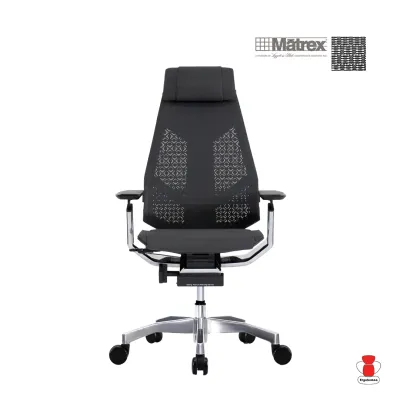
![[Pre-Order] Ergohuman IOO Elite 2 Ergonomic Full Mesh Ergonomic Office Chair / Gaming chair](https://img.lazcdn.com/g/p/7fc0ff33baa772512155b41fbcd1756a.png_400x400q80.png_.webp)
![[Pre-Order] Ergohuman Elite 2 Ergonomic Full Mesh Ergonomic Chair / Office Chair / Gaming Chair](https://img.lazcdn.com/g/p/fe568f108cf8c43add92653d45d6f035.png_400x400q80.png_.webp)
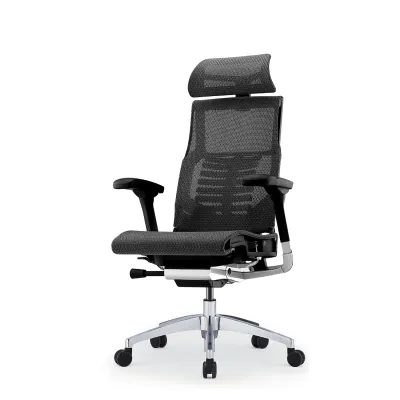
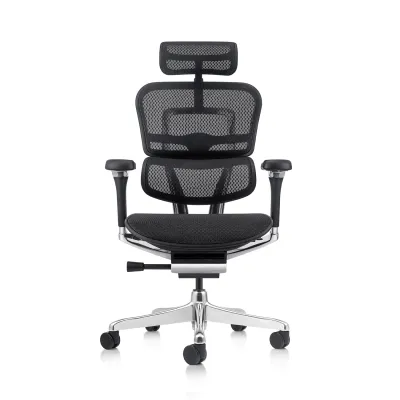
![[Pre-Order] Ergohuman Ultra Ergonomic Full Mesh Ergonomic Chair / Office Chair / Gaming Chair](https://img.lazcdn.com/g/p/9ece921a81f5c294ecb3ffae1f3f0285.png_400x400q80.png_.webp)
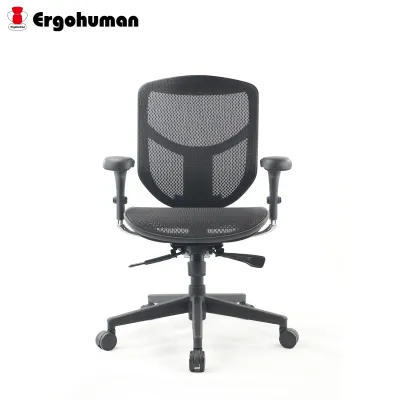
Prices are valid at publication and may change. Please refer to the product page for the latest price.
When evaluating the chair, check the manufacturer’s specifications for the mesh weave density and elasticity. High-quality elastomeric mesh should feel firm to the touch and quickly spring back into shape when pressed. If the weave is too loose, the seat may sag prematurely, reducing both support and the air gap beneath your thighs. Inspect the frame connections where the mesh is secured; robust, reinforced channels are essential to prevent the material from pulling away under constant tension.
The frame material itself must withstand the corrosive potential of a humid environment, especially if you prefer to work with open windows rather than running air conditioning all day. Look for models featuring polished aluminum or high-grade composite frames with protective surface treatments. These materials resist moisture-induced degradation and are easier to wipe down than untreated plastics or low-grade metals, which can become sticky or degrade in tropical conditions.
Additionally, observe how the seat pan is designed. A waterfall front edge—where the seat curves downward at the front—helps maintain blood circulation in your legs, but the mesh tension in this area must remain consistent. If you are testing the chair in person, sit for at least fifteen minutes to observe whether the mesh retains its supportive tension or if you begin to feel the hard frame elements underneath, which indicates insufficient tension for your body weight.
Evaluating Ergonomic Support for Extended Sitting
Extended sitting puts significant cumulative stress on your spine, making customizable ergonomic support a necessity rather than a luxury. The Ergohuman is known for its distinct automatic lumbar support system, which is designed to flex and adapt as you shift positions. To determine if this mechanism works for you, verify that the lumbar section aligns naturally with the curve of your lower back and does not push your pelvis too far forward.

Armrest adjustability is another critical factor in supporting your posture during long typing sessions. When setting up your home office, check if the armrests can be adjusted in height, width, angle, and depth. This multi-directional adjustment allows you to position your elbows close to your body and keep your forearms parallel to the desk surface, supporting a more comfortable typing posture.
The recline tension and locking mechanisms should also be examined carefully. A healthy ergonomic routine involves dynamic sitting, where you periodically tilt back to relieve spinal pressure. Ensure the chair’s tilt tension can be adjusted to match your body weight, allowing you to recline smoothly without feeling like you are falling backward, and check that the lock positions secure the backrest firmly when you need a stable upright posture.
Before purchasing, always consult the manufacturer’s official specifications regarding weight and height capacity limits. Ergonomic features are engineered to function within specific physical parameters; exceeding these limits can compromise the safety of the gas lift, alter the center of gravity, and prevent the lumbar support from aligning correctly with your spine. Checking these details beforehand ensures the chair remains safe and supportive over years of daily use.
Space and Setup Considerations for Home Offices
Home offices in Singapore, particularly in HDB flats or condominiums, often require careful spatial planning to maximize limited square footage. Before committing to a heavy ergonomic chair, measure its overall footprint, including the span of the five-star wheel base. Compare these measurements against your available floor space and the clearance between your desk legs to ensure the chair can slide fully under the desk when not in use.
Delivery and assembly logistics are equally critical when purchasing premium office furniture. Verify the finished dimensions of the chair to ensure it can easily pass through your home’s doorways, hallways, and lift access points during delivery. If the chair arrives fully assembled, a tight corridor or narrow entryway can present significant delivery challenges, so confirming these clearances beforehand is essential.
Seat depth and maximum height are important for maintaining a proper ergonomic relationship with your work surface. If your desk has a built-in drawer or a low clearance frame, verify that the chair’s armrests and seat pan can lower sufficiently to avoid collisions. A chair that cannot be tucked in properly will protrude into your living space, creating a tripping hazard and cluttering the room.
The type of casters equipped on the chair must match your home flooring to prevent damage. Standard hard nylon casters are suitable for carpeted floors but can scratch hardwood, laminate, or vinyl flooring over time; for hard flooring, look for soft polyurethane casters or use a protective floor mat. Additionally, test the swivel and tilt clearance within your actual workspace layout to ensure that when you fully recline or rotate, the backrest does not strike nearby walls, bookshelves, or delicate home decor.
Maintenance and Care in Tropical Conditions
Operating a home office in a tropical climate means your furniture is constantly exposed to ambient humidity, dust, and body oils. To preserve the elasticity of the mesh and the integrity of the frame, establish a regular maintenance routine based on the manufacturer’s guidelines. Vacuuming the mesh seat and backrest weekly with a soft brush attachment prevents dust mites and skin flakes from settling into the weave.
When cleaning spills or sweat residue, avoid harsh chemical solvents or abrasive pads that can degrade the synthetic fibers of the mesh. Instead, use a soft microfiber cloth slightly dampened with water and a mild, pH-neutral soap, allowing the chair to dry completely in a well-ventilated indoor area. Periodically inspect the moving parts, mechanical joints, and the gas lift cylinder for signs of wear or corrosion, as high humidity can accelerate the breakdown of factory lubricants and lead to squeaking or stiff adjustments.
Positioning your workstation away from direct sunlight is crucial for extending the lifespan of your chair. Ultraviolet rays can degrade the synthetic fibers in the mesh, causing them to lose tension and become brittle over time, while also fading the frame’s finish. Additionally, keep the chair away from high-moisture sources, such as portable humidifiers or open windows during heavy rainstorms, to protect the metal components from rust.
If you observe severe structural degradation, such as cracked frame joints, frayed mesh edges, or a gas lift that slowly sinks under your weight, stop using the chair immediately. Attempting DIY repairs on pressurized gas cylinders or structural load-bearing parts can lead to sudden failure and physical injury. Instead, consult the manufacturer or an authorized local distributor to inquire about replacement parts or professional repair services covered under your warranty.
Frequently Asked Questions (FAQ)
Is a full-mesh design always better than a cushioned seat for hot climates?
A full-mesh design offers superior airflow, making it highly effective at keeping you cool in unconditioned rooms. However, some users find that mesh can feel firm or create pressure points during long sessions. If you prefer a softer feel, check the manufacturer’s specifications for hybrid models that combine a breathable mesh backrest with a high-density foam cushion, ensuring the cover material is breathable.
How should I adjust the chair for an eight-hour workday?
Start by adjusting the seat height so your feet rest flat on the floor with your knees at a 90-degree angle. Next, slide the seat depth so there is a small gap between the edge of the seat and the back of your knees. Position the lumbar support to fit the curve of your lower spine, and set the armrests to support your elbows without raising your shoulders. Remember to stand up and stretch every hour, as no chair can replace the benefits of regular movement.
What should I do if the mesh seat starts to sag over time?
If you notice the mesh beginning to sag or lose its supportive tension, consult the manufacturer’s warranty guidelines to see if mesh degradation is covered. Avoid attempting to tighten the mesh yourself or using aftermarket cushions that alter the chair’s center of gravity. Contact the authorized retailer or manufacturer directly to arrange for a professional assessment or a replacement seat pan.

Community discussion
Share your experience or ask a question. Comments are reviewed before publication.