
Integrating a motorized, multi-functional piece of furniture into a compact living space requires a shift from purely aesthetic considerations to rigorous mechanical and spatial planning. In Singapore, where residential layouts in HDB flats and condominiums demand maximum spatial efficiency, an electric sofa bed offers an elegant solution to the traditional guest room dilemma. However, the addition of an electric motor, moving metal linkages, and integrated power requirements introduces unique points of failure that do not exist with manual folding sofas. Selecting the right brand and model is not merely a matter of choosing a fabric color; it requires a systematic evaluation of engineering quality, precise physical clearance, and logistical feasibility.
By focusing on verifiable technical specifications rather than subjective comfort claims, you can identify a unit that remains reliable over years of daily or weekly transitions. This guide provides a comprehensive framework for assessing electric sofa bed brands, measuring your apartment’s physical limits, managing electrical safety, and ensuring a seamless delivery and installation process.
How to Evaluate Electric Sofa Bed Brands and Reliability
When evaluating brands that manufacture electric sofa beds, the motor and drive system should be your primary focus. Reputable manufacturers typically utilize low-voltage direct current (DC) motors, often rated at 24V, which provide quiet, consistent torque. Look for brands that explicitly state the motor manufacturer or provide detailed electrical certifications, such as CE, UL, or TUV markings. These certifications indicate that the electrical assembly has undergone standardized safety and durability testing. Furthermore, pay close attention to the warranty: high-quality brands separate their warranty terms, offering a shorter period for electrical components (typically one to two years) and a longer period for the structural frame and mechanical linkages (often five to ten years). If a brand offers a single, vague warranty covering ‘manufacturing defects’ without distinguishing between the motor and the frame, treat this as a warning sign.
Products mentioned in this guide
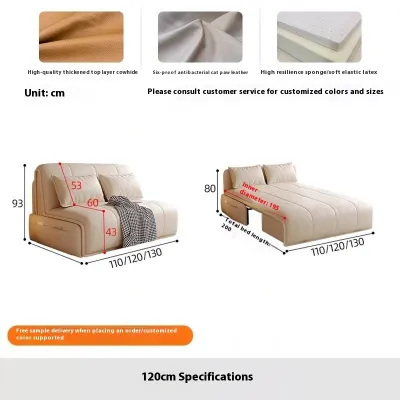
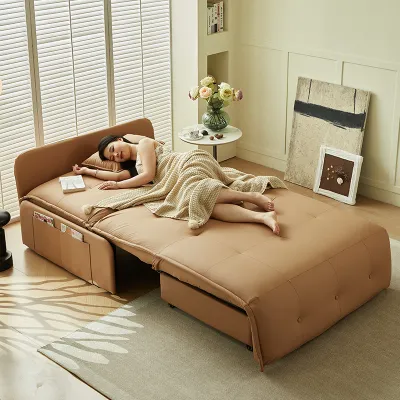
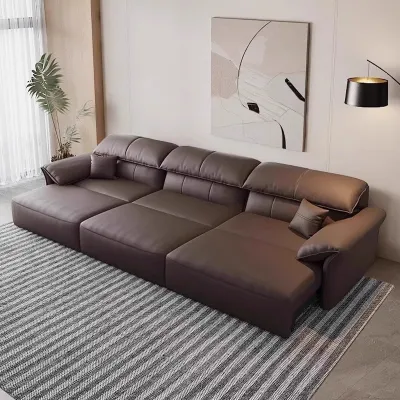

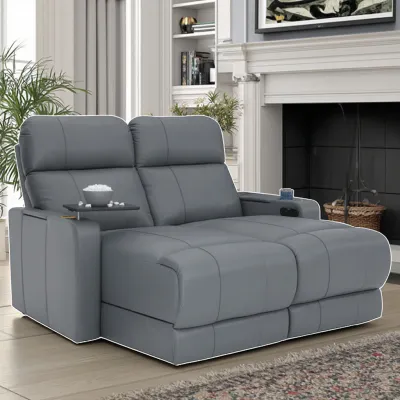
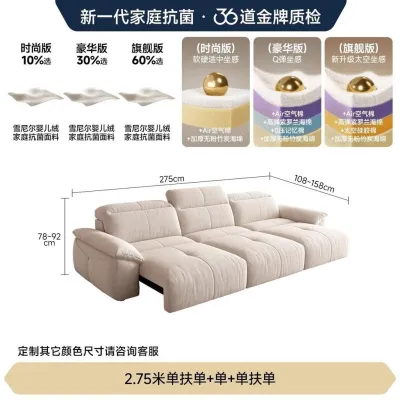
Prices are valid at publication and may change. Please refer to the product page for the latest price.
The structural frame must withstand both the static weight of users and the dynamic torque exerted by the motor during deployment. Look for frames constructed from heavy-gauge, powder-coated steel rather than lightweight aluminum or softwoods. The joints are critical stress points; welded joints offer superior longevity compared to bolted connections, which can loosen under repetitive motor vibrations. When assessing weight capacity, look for brands providing verified load ratings, distinguishing between static weight capacity (when stationary) and dynamic weight capacity (the maximum weight the mechanism can safely move during transition). A reliable double-sized electric sofa bed should support a static load of at least 200 kilograms.
Finally, the smoothness and noise level of the folding mechanism during operation serve as excellent indicators of long-term reliability. If possible, test the mechanism in a showroom or request a video demonstration. The movement should be fluid, continuous, and free from sudden jerks or metallic grinding sounds. High-quality mechanisms utilize self-lubricating bushings or nylon rollers along the tracks to minimize friction. Excessive noise or visible strain suggests poor alignment or inadequate motor power, both of which will accelerate wear and lead to premature mechanical failure.
Space Planning and Clearance Checks for Compact Layouts
In a compact Singapore apartment, successful integration of an electric sofa bed depends entirely on precise physical measurements. Unlike manual sofa beds, which can sometimes be nudged during opening, an electric model operates along a fixed, uncompromising mechanical path. You must measure and map three distinct spatial dimensions: the closed sofa footprint, the fully deployed bed footprint, and the transitional clearance zone. The transitional clearance zone is the path the backrest and footrest travel as the motor moves them; some models require ‘zero wall clearance’ because the seat slides forward as the backrest lowers, while other designs require a gap of 15 to 30 centimeters between the back of the sofa and the wall to allow the mechanism to tilt backward.

Power management is another critical aspect of spatial planning. Because these units require a continuous electrical connection, you must position the sofa bed within reach of a standard wall outlet. Avoid routing the power cable across high-traffic walkways, as this creates a persistent tripping hazard and risks damaging the cord or pulling on the sofa’s internal electrical connections. The cable should be routed neatly along the baseboards or beneath the frame, ensuring it remains completely clear of the moving metal linkages. A pinched cable can easily lead to short circuits or permanent damage to the motor control unit.
The final spatial hurdle is the delivery route from the delivery vehicle to your living room. Motorized sofa beds are exceptionally heavy, often weighing between 80 and 120 kilograms, and they are frequently delivered as fully or partially assembled units to protect the delicate mechanical linkages. You must measure every doorway, corridor, and elevator along the delivery path. In Singapore, older HDB estates may feature narrow common corridors or lifts with restricted door heights, while newer condominiums may have tight turning angles in the entryways. Measure the height, width, and diagonal clearance of your building’s lift doors, and compare these dimensions against the packaged dimensions of the sofa bed. Failing to verify these clearances beforehand can result in costly delivery failures, restocking fees, or damage to your home’s walls and door frames.
Practical Features and Maintenance for Everyday Use
To maximize the utility of an electric sofa bed in a small apartment, look for practical design features that complement your daily routine. Integrated storage compartments, such as under-seat drawers or hidden cavities within the armrests, are highly valuable for storing bedding, pillows, and blankets. If these storage areas are accessed via lifting mechanisms, ensure they utilize high-quality hydraulic or gas struts equipped with safety locks. These struts should hold the heavy seat frame securely in the open position, preventing accidental closure while you are accessing the storage space.
Upholstery selection plays a vital role in both the comfort and longevity of the sofa bed, particularly in Singapore’s warm, humid climate. High-use furniture requires breathable, durable fabrics that can withstand frequent friction and sweat. Look for synthetic performance fabrics, such as high-grade polyester blends or heavy-duty microfibers, which offer excellent stain resistance and are easy to spot-clean. Avoid low-grade synthetic leathers, which tend to peel and crack rapidly under high humidity and regular mechanical flexing. When reviewing fabric specifications, check the Martindale rub count; a rating of 20,000 to 30,000 rubs indicates a fabric suitable for heavy domestic use, ensuring the upholstery will not wear thin along the fold lines where the mechanism bends.
Routine maintenance is essential to keep the motorized mechanism operating at peak performance. Periodically inspect the visible tracks, gears, and linkages for dust accumulation, pet hair, or loose debris, which can obstruct the mechanism and place extra strain on the motor. Wipe the tracks clean with a dry microfiber cloth and, if recommended by the manufacturer, apply a small amount of silicone-based lubricant to the pivot points. Never use heavy grease or WD-40, as these can attract dust and create a sticky residue that clogs the mechanism. Additionally, regularly check the electrical connections to ensure the power cord is securely plugged into both the wall outlet and the sofa’s control box, and inspect the cord for any signs of wear, fraying, or pinching.
Pre-Purchase Verification and Delivery Constraints
Before finalizing your purchase, it is crucial to conduct a thorough pre-purchase verification to protect your investment and avoid logistical complications. Start by requesting the exact packaging dimensions and weight of the sofa bed from the retailer. Do not rely on the finished product dimensions, as packaging materials can add significant bulk. If the unit is delivered fully assembled, confirm whether the delivery team has experience handling motorized furniture. Improper handling during transport or unboxing can misalign the delicate internal tracks, leading to immediate operational issues.
Understand the division of labor regarding assembly and installation. While some simple manual furniture can be assembled as a DIY project, motorized sofa beds almost always require professional installation. The weight of the components makes self-assembly physically hazardous, and improper alignment of the heavy metal frame can place uneven stress on the motor, leading to premature failure. Verify whether the retailer’s delivery fee includes professional assembly, calibration of the motor limits, and a functional test in your home. If you choose to assemble the unit yourself, be aware that many brands explicitly void the warranty on electrical components if the unit was not installed by an authorized technician.
Finally, scrutinize the warranty exclusions and return policies. Motorized furniture is subject to strict warranty terms due to the complexity of its components. Common exclusions include damage caused by overloading the bed beyond its stated weight capacity, using non-compatible power adapters, or attempting manual adjustments without engaging the emergency release. Understand the retailer’s return policy for large, heavy items; in Singapore, returning a motorized sofa bed due to ‘change of mind’ or spatial misfit often incurs substantial restocking fees, sometimes up to S$200 to S$500, in addition to two-way transport costs. Ensure you have a clear, written agreement regarding how after-sales support is handled, including response times for technician visits if the motor fails.
Frequently Asked Questions (FAQ)
Do electric sofa beds require a dedicated power outlet?
Electric sofa beds do not typically require a dedicated high-amperage electrical circuit, as their motors generally operate on standard household voltage (220V to 240V in Singapore) and draw relatively low current during transition. However, it is highly recommended to plug the unit directly into a standard wall outlet rather than daisy-chaining multiple extension cords or overloading a single power strip. Using low-quality extension cords can cause voltage drops that strain the motor, potentially leading to overheating or electrical failure. If you must use an extension cord, ensure it is a heavy-duty, surge-protected model rated for the appropriate wattage, and route the cable carefully along the perimeter of the room to prevent it from being pinched or crushed by the sofa’s moving parts.
Can I manually fold the bed if the motor fails?
Whether you can manually fold an electric sofa bed depends entirely on the specific model’s design, so it is vital to verify this feature before purchasing. Many high-quality motorized sofa beds include a manual override system, such as an emergency release lever, a clutch disengagement mechanism, or a manual hand-crank port. These safety features allow you to disengage the motor drive shaft from the folding linkages, enabling you to manually fold or unfold the bed during a power outage or motor malfunction. When operating a manual override, always follow the manufacturer’s instructions precisely and exercise extreme caution; the heavy metal frame and mattress assembly are no longer supported by the motor’s controlled resistance, which can cause the mechanism to drop suddenly if not held securely.
Are electric sofa beds suitable for daily sleeping?
Electric sofa beds can serve as highly comfortable sleeping surfaces, but their suitability for daily use depends on the quality of the mattress and the design of the underlying support structure. Models designed for occasional guest use often feature thinner foam mattresses (around 8 to 10 centimeters) that may not provide adequate spinal support for daily sleeping, and the underlying metal bars of the folding mechanism may become noticeable over time. For daily use, look for premium brands that offer high-density memory foam or pocket-spring mattresses with a thickness of at least 12 to 15 centimeters, supported by a robust, slatted wooden or solid metal platform. Additionally, ensure the folding mechanism is engineered to keep the mattress perfectly flat and uniform when fully deployed, preventing any sagging or unevenness along the mechanical joints that could compromise your sleep quality.

Community discussion
Share your experience or ask a question. Comments are reviewed before publication.