
Finding the ideal ergonomic chair for your home office in Singapore is a highly individualized process that depends on your unique body proportions, daily work habits, and desk configuration. While the Ego chair has gained traction as a notable contender in the mid-range ergonomic market, determining whether it is the right fit requires comparing its specific mechanical adjustments and material choices against other prominent brands available locally.
Generally, Ego chairs position themselves in the mid-tier segment, offering features like adjustable lumbar support and breathable mesh at a price point that sits comfortably between basic office chairs and high-end luxury models. This makes them highly appealing for professionals transitioning to permanent hybrid work setups who want to upgrade from entry-level seating without committing to premium price tags. However, if your work style demands specialized aesthetic customization, ultra-long warranties, or highly specific dynamic tilt mechanisms, alternative brands might serve your needs more effectively. The “best” choice ultimately depends on individual body mechanics, desk setup, and budget, balancing immediate physical comfort against long-term durability.
To make an informed decision, you must evaluate how these chairs handle the practical realities of Singaporean homes—ranging from compact room dimensions in modern HDB flats to the demands of a hot, humid climate on upholstery materials. By systematically comparing core ergonomic features, spatial practicality, and after-sales support, you can identify the chair that will best protect your posture and enhance your daily productivity.
Products mentioned in this guide
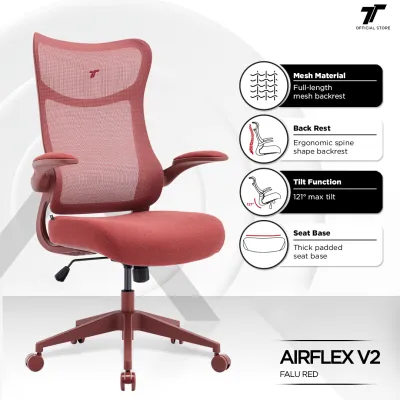
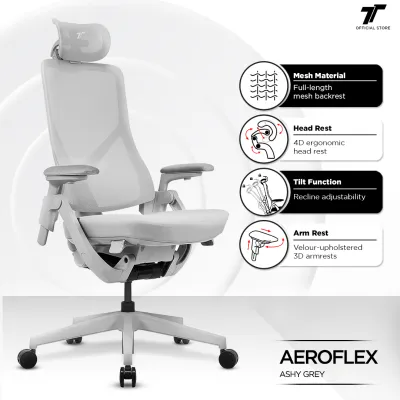
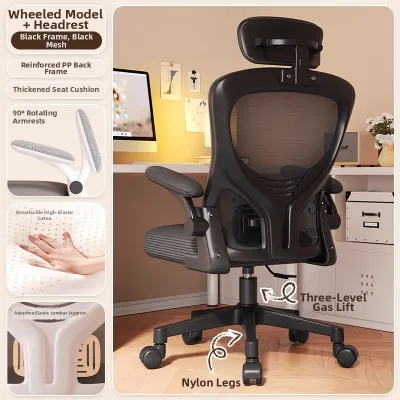
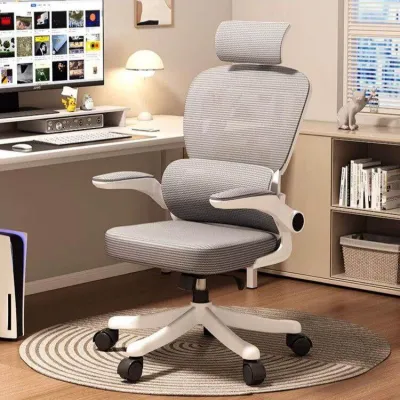
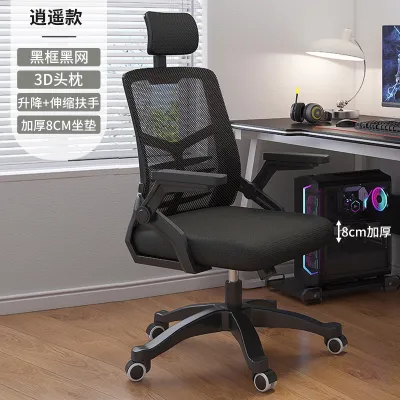
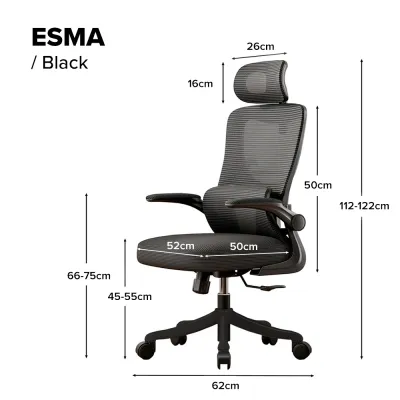
Prices are valid at publication and may change. Please refer to the product page for the latest price.
Core Ergonomic Features to Compare
When comparing the Ego chair to other ergonomic brands, you should look past marketing buzzwords and focus on the precise adjustability metrics found on product specification sheets. A chair is only truly ergonomic if it can be tailored to support your specific skeletal structure during long hours of sedentary work.
Lumbar Support Mechanisms The lumbar support system is the cornerstone of any ergonomic chair, designed to maintain the natural inward curve of your lower spine. When evaluating Ego against competitors, check whether the lumbar support is fixed, manually adjustable, or dynamic. Fixed systems rely on a static curve that may not align with your height, whereas manually adjustable systems allow you to slide the lumbar pad vertically or adjust its depth. Dynamic lumbar supports automatically adjust tension as you lean. You should verify the vertical adjustment range of the lumbar support on the manufacturer’s spec sheet to ensure it aligns perfectly with your lower back, particularly if you are taller or shorter than average.
Seat Depth and Height Adjustability An often-overlooked feature is seat depth adjustment, typically controlled by a seat slider mechanism. A seat that is too deep will press against the back of your knees, restricting blood circulation, while a seat that is too shallow will fail to support your thighs adequately. Ensure the chair you choose offers at least 5 to 8 centimeters of seat depth adjustment. Additionally, check the gas lift’s height range. In Singapore, standard study desks are typically 75 centimeters high, which may require you to raise your chair higher than expected. Ensure the chair’s minimum and maximum seat height specifications allow your feet to rest flat on the floor while keeping your elbows at a comfortable 90-degree angle relative to your desk surface.
Armrest Customization Armrests play a crucial role in reducing tension in your neck, shoulders, and upper back. Ergonomic chairs categorize armrests by their degrees of freedom, ranging from 1D (height only) to 4D (height, depth, width, and angle adjustments). If you frequently switch between typing, mouse navigation, and casual reading, 3D or 4D armrests are highly beneficial. They allow you to pull the armrests inward to support your elbows while typing, or slide them back to prevent them from hitting the edge of your desk. When comparing Ego to other brands, verify whether the armrest pads are made of a semi-soft polyurethane material that cushions your elbows without causing pressure points.
Recline and Tilt Tension Active sitting involves shifting your posture throughout the day. A high-quality ergonomic chair should offer a reliable tilt mechanism with adjustable tension and a multi-position recline lock. Tilt tension determines how much resistance the backrest offers when you lean back; it should be adjustable to match your body weight so you do not feel like you are falling backward or fighting a stiff spring. Look for chairs that offer a synchro-tilt mechanism, where the seat tilts at a smaller ratio than the backrest (typically 1:2), keeping your feet planted on the floor as you recline. Compare the maximum recline angle—usually ranging from 110 to 135 degrees—to see if it matches your preference for taking quick breaks or reading.
Space, Aesthetics, and Home Office Practicality
While physical comfort is paramount, a home office chair must also fit seamlessly into your living space. Unlike corporate offices with expansive layouts, Singaporean homes—particularly newer HDB flats and condominiums—often require furniture that maximizes vertical space and maintains a minimal footprint.

Footprint and Clearance Before purchasing any ergonomic chair, measure your designated work area carefully. Pay close attention to the base diameter of the chair, which typically ranges from 65 to 70 centimeters. A wide base provides excellent stability and prevents tipping, but it can easily get caught on desk legs, nearby storage cabinets, or walls in a compact study nook. Furthermore, if your home office setup is located in a multi-purpose room, ensure the chair can slide fully under your desk when not in use to keep walkways clear. You should also verify the dimensions of your doorways and lift access, especially if the chair is delivered fully assembled, as tight corners in lift lobbies can complicate delivery.
Material and Climate Considerations Singapore’s tropical climate, characterized by high temperatures and relative humidity, places unique demands on furniture materials. When comparing Ego to other brands, examine the upholstery options: mesh, fabric, and synthetic leather. Full-mesh chairs are highly popular locally because they maximize airflow, keeping you cool without relying constantly on air conditioning. However, not all mesh is created equal; lower-quality mesh can stretch out over time or feel abrasive against bare skin. Fabric seats offer a plush, cushioned feel but can trap heat and absorb perspiration, requiring regular cleaning. Synthetic leather (such as PU leather) provides a sleek, corporate aesthetic and is easy to wipe clean, but it can feel sticky in warm rooms and is prone to peeling over time in humid conditions. Check the manufacturer’s care instructions and material composition labels before making a choice.
Noise and Floor Protection The type of casters (wheels) attached to your chair base directly affects both your flooring and the ambient noise in your home. Hard nylon casters are standard on many budget chairs, but they can easily scratch parquet, engineered wood, or luxury vinyl tiles (LVT) common in modern Singaporean renovations. If you have hard floors, look for chairs equipped with soft polyurethane (PU) casters, which provide smooth, silent gliding and protect the surface from scuffs. Additionally, review user feedback regarding mechanism noise over time. A squeaky spring or a rattling armrest can be highly distracting during quiet work hours or virtual meetings, so look for brands that use high-grade steel fasteners and robust joints.
Assessing Value, Warranty, and After-Sales Support
Investing in an ergonomic chair is a long-term commitment to your physical well-being. To determine the true value of an Ego chair compared to its competitors, you must weigh the upfront cost against the expected lifespan, warranty coverage, and the reliability of local customer support.
Price-to-Feature Ratio To evaluate value objectively, categorize the market into broad price bands. Entry-level ergonomic chairs typically cost under S$200, mid-range options sit between S$200 and S$600, and premium models exceed S$800. Ego chairs generally operate within the mid-range band. When comparing brands, map the retail price against the specific adjustability features you actually require. If a competitor offers a lower price but lacks seat depth adjustment or adjustable lumbar support, the nominal savings may not justify the loss of ergonomic benefit. Conversely, avoid paying a premium for highly complex mechanisms or designer aesthetics if a mid-range chair satisfies your physical comfort requirements.
Warranty Coverage A warranty is a strong indicator of a manufacturer’s confidence in their product’s durability. When comparing warranty terms, read the fine print carefully. Many brands advertise a “10-year warranty,” but a closer look reveals that this only covers the structural steel frame, while wear-and-tear components like the mesh, fabric, armrest pads, and the gas lift cylinder are only covered for one to three years. Ensure you understand what is covered, who pays for shipping or transport fees during a claim, and whether onsite repair services are available in Singapore.
Local Availability and Servicing Buying an ergonomic chair online without testing it first is a major risk, as comfort is highly subjective. Prioritize brands that maintain physical showrooms or authorized retail partners in Singapore, allowing you to sit in the chair, adjust the mechanisms, and feel the materials firsthand. Furthermore, verify the brand’s local return policy and the availability of replacement parts. If a caster breaks or the gas lift fails three years down the road, a brand with a local warehouse and dedicated customer service team can resolve the issue much faster than an overseas seller operating solely through an online marketplace.
Decision Framework: Matching the Chair to Your Work Style
To finalize your decision, you should align the characteristics of Ego chairs and competing brands with your specific daily routine, physical needs, and budget constraints.
Choose Ego if:
- You are looking for a reliable, mid-range ergonomic chair that balances essential adjustability features—such as adjustable lumbar support, seat depth sliders, and breathable mesh—without the premium price tag of high-end brands.
- You are a remote professional in Singapore working standard eight-hour days who wants a solid upgrade from basic office seating, backed by local availability and straightforward assembly.
- You prioritize breathability and want a chair designed to handle Singapore's humid climate without absorbing sweat or peeling over time.
Choose a Competing Brand if:
- Your budget is strictly entry-level (under S$200) and you are willing to compromise on advanced adjustments like seat depth or multi-directional armrests.
- You require a highly customized aesthetic or specific colorways to match a minimalist or Scandinavian home interior design.
- You want a premium, long-term investment with a comprehensive, decade-long warranty covering all wear-and-tear components, and are prepared to spend over S$800.
Verify First if:
- You have measured your desk height and the clearance between your desk legs to ensure the chair will fit comfortably in your workspace.
- You have visited a local showroom to test the chair's lumbar support against your natural spine curvature, confirming that the seat depth matches your thigh length.
- You have confirmed the specific warranty terms regarding mesh sagging and gas lift replacement, as well as delivery and assembly fees for your HDB or condo unit.
Frequently Asked Questions (FAQ)
How do I know if an ergonomic chair will fit under my desk?
To ensure a proper fit, measure the distance from the floor to the lowest point of your desk’s underside, taking into account any drawers, keyboard trays, or support beams. Next, check the chair’s technical specifications for its maximum and minimum armrest height and seat height. To store the chair fully under the desk when not in use, the maximum height of the armrests must be lower than the underside of your desk. If the armrests are adjustable, ensure they can slide down or pull back sufficiently to clear the desk frame.
Is a headrest necessary for home office work?
A headrest is not strictly necessary for active, upright tasks like typing or writing, as your head should naturally align over your spine without needing rear support. However, a headrest is highly beneficial if your work style involves frequent virtual meetings, reading, or reclining to rest, as it relieves strain on your neck muscles during those periods. If you decide to purchase a chair with a headrest, ensure it offers height and angle adjustments so it cradles the base of your skull rather than pushing your head forward into an unnatural posture.

Community discussion
Share your experience or ask a question. Comments are reviewed before publication.