
Selecting the right furniture to organize your wardrobe in Singapore requires balancing aesthetics with long-term structural integrity. With high humidity levels and compact living layouts, investing in a reliable clothes shelf or rack system is essential to prevent clutter and ensure your garments remain clean and accessible. While many options exist on the market, durability is not uniform; it depends heavily on material specifications, joint construction, and how well the unit handles the local climate.
To find a clothes rack or shelf that will stand up to daily use without wobbling, bending, or rusting, you must look beyond brand names and evaluate specific engineering details. This guide covers the essential structural markers of quality, highlights reliable brand categories available in Singapore, and explains how to match a rack’s design to your specific living space.
What Defines Quality and Durability in a Clothes Shelf or Rack?
Before comparing different brands, you must understand the core engineering features that separate a temporary, flimsy organizer from a heavy-duty, long-lasting storage solution. Evaluating these foundational elements ensures your investment will safely support your wardrobe for years.
Products mentioned in this guide
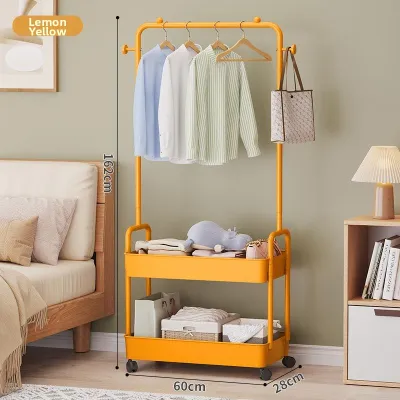
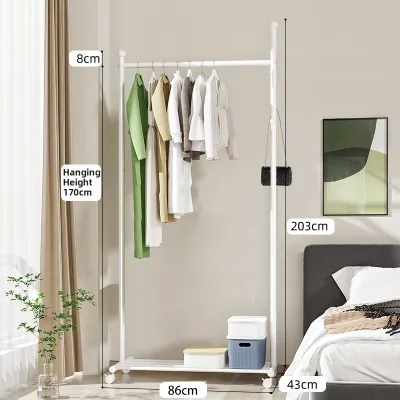
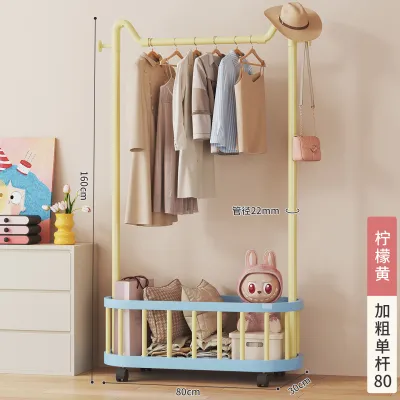
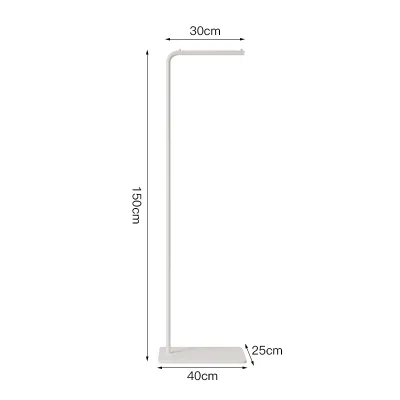
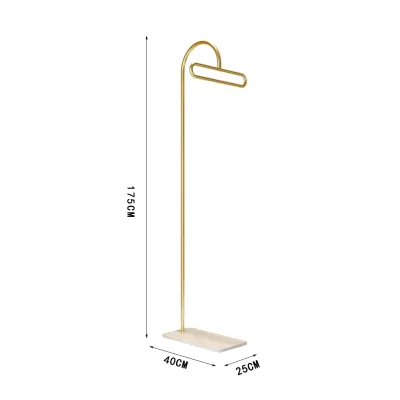
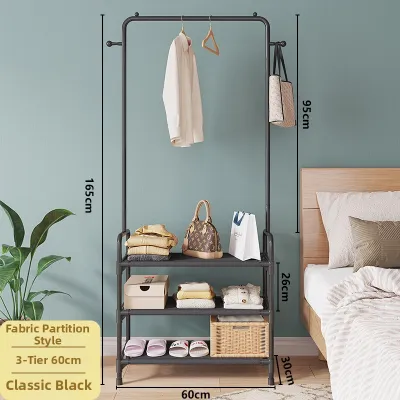
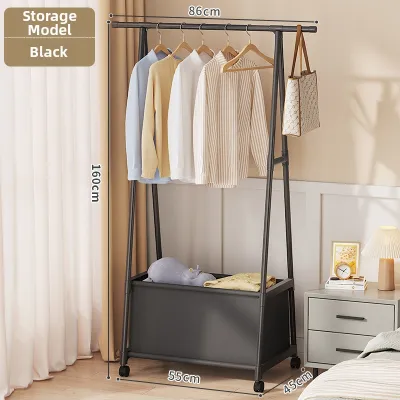
Prices are valid at publication and may change. Please refer to the product page for the latest price.
Frame Materials
The choice of frame material determines the overall load-bearing capacity, weight, and environmental resistance of the furniture. While many products are marketed simply as wood or metal, the specific type and treatment of these materials dictate their performance.
- Stainless Steel (Grade 304): This material offers exceptional resistance to rust and corrosion, making it highly suitable for Singapore's humid climate. It provides a high strength-to-weight ratio, allowing for slim profiles that can support heavy loads without bending.
- Powder-Coated Steel: Standard steel is highly durable but vulnerable to rust if exposed to moisture. A high-quality, thick powder-coated finish acts as a protective barrier. When evaluating powder-coated steel, check that the finish is uniform, smooth, and free of chips or pinholes where moisture could penetrate.
- Solid Wood: Hardwoods like teak, oak, and walnut offer excellent structural integrity and natural beauty. However, a wood name alone does not guarantee durability. You must verify that the wood has been treated with a moisture-resistant sealant or polyurethane finish to prevent warping, splitting, or mold growth in tropical environments.
Joint and Connection Types
A clothes rack is only as strong as its weakest connection point. The methods used to secure the frame components together directly impact whether the unit will remain rigid or develop a lean over time.
- Welded Joints: Found in high-end metal racks and commercial-grade options, welded connections fuse the metal components permanently. This eliminates the risk of joints loosening and provides the highest level of structural stability.
- Reinforced Metal Brackets and Bolts: For modular or flat-pack furniture, threaded metal-to-metal connections are the gold standard. Look for systems that use steel bolts securing into pre-threaded metal inserts rather than wood screws driven directly into the material, which can strip over time.
- Wooden Dowels and Tenons: High-quality wooden racks utilize traditional joinery like mortise-and-tenon joints or thick, reinforced wooden dowels. These methods distribute weight evenly across the timber, preventing localized stress fractures.
- Plastic Connectors: Many budget-friendly, friction-fit utility racks use plastic elbow joints to connect metal tubes. These connectors are highly vulnerable to cracking under heavy loads or degrading over time due to ambient heat and UV exposure from nearby windows. They should generally be avoided for permanent, daily-use storage.
Base Stability
To prevent tipping, a clothes shelf or rack must have a stable foundation. This is especially critical in households with active pets or young children, where an unsecured, top-heavy rack presents a serious safety hazard.
- Weighted Bases: Racks with a heavy solid-metal or thick wooden base lower the unit's center of gravity, making it much harder to accidentally knock over.
- Wide Footprints: The depth of the base should be proportional to the height of the rack. A tall rack with a narrow base is inherently unstable when loaded with heavy garments.
- Wall-Anchoring Options: Tall clothes shelves and standing garment racks should ideally include hardware for wall anchoring. Securing the top of the frame to the wall completely eliminates the risk of tip-over accidents.
Reliable Clothes Rack and Shelf Brands in Singapore
Singapore’s retail landscape offers a diverse array of home organization solutions, ranging from accessible mass-market flat-packs to premium solid wood furniture and industrial storage systems. Understanding the strengths of each brand category helps you target the right product line for your budget and performance expectations.

Modular and Mass-Market Retailers
For homeowners seeking standardized quality, widespread availability, and modular flexibility, mass-market retailers provide highly practical options that can be customized to fit various room layouts.
- IKEA: This retailer offers highly versatile modular metal garment racks and open wardrobe systems, such as the MULIG, RIGGA, and ELVARLI series. Many of these systems feature adjustable heights and integrated clothes shelf attachments, allowing you to configure the storage to your specific needs. A major benefit of choosing this brand is the ease of sourcing replacement parts or expanding your setup later. However, because these products are lightweight, you must check the exact weight limits printed in the individual model manuals and avoid overloading the hanging rails.
- MUJI: Known for its minimalist Japanese aesthetic, this brand provides highly durable modular shelving systems (SUS) in both stainless steel and light wood finishes like oak and pine. These systems can be configured with hanger rails and shelf inserts to function as elegant open wardrobes. While structurally sound, the open-grain wood shelves require careful monitoring in high-humidity areas, and you must verify that the weight of your folded items does not exceed the specified shelf capacities.
Solid Wood and Premium Furniture Specialists
If you prioritize natural materials, aesthetic warmth, and long-term structural integrity, premium furniture brands specializing in solid hardwoods offer heirloom-quality options.
- Local Teak and Hardwood Specialists: Retailers such as Scanteak, Soul & Tables, and Mountain Teak specialize in solid wood furniture designed to last. Teak is naturally oil-rich, making it highly resistant to moisture and pests, which is a major advantage in Singapore.
- Verifying Wood Treatment: When purchasing from premium wood brands, always ask about the specific finish used on the clothes shelf or rack. A protective polyurethane coating or a well-maintained oil finish is necessary to seal the timber. Unsealed or poorly finished wood can absorb ambient moisture, leading to mold development and gradual warping of the structural frame.
Heavy-Duty and Commercial-Grade Options
For users who need to store heavy winter coats, extensive wardrobe collections, or require a rack that can withstand frequent relocation, commercial-grade storage solutions offer unmatched strength.
- Industrial Rack Suppliers: Specialized local storage suppliers and commercial shopfitters provide industrial-strength clothes racks. These are often constructed from thick-gauge steel pipes (typically 1.2mm to 1.5mm thick) and feature heavy-duty welded joints.
- Boltless Storage Specialists: Many local Singaporean brands specializing in home utility racks offer heavy-duty boltless shelving units with integrated garment hanging bars. These commercial-grade options are rated to hold significantly more weight than standard residential racks—often exceeding 100kg per shelf. While they lack the refined aesthetic of premium wood, their durability is unmatched for heavy-duty storage in storerooms or walk-in closets.
Matching the Rack Design to Your Space and Needs
Selecting a durable clothes shelf or rack requires analyzing how the unit will physically fit and function within your specific living environment, whether you reside in an HDB flat, a condominium, or a rented room.
Freestanding vs. Wall-Mounted
The choice between a freestanding unit and a wall-mounted system involves balancing spatial flexibility against structural load capacity.
- Freestanding Racks: These units offer the ultimate flexibility, as they can be moved easily during cleaning or room re-layouts. However, they occupy valuable floor space and are more susceptible to wobbling if placed on uneven flooring.
- Wall-Mounted Clothes Shelves: Mounting your storage directly to the wall frees up floor space, creating a clean, airy look in compact bedrooms. However, installation requires careful structural verification. In Singapore, most HDB flats feature solid concrete or precast wall panels, which require a hammer drill and heavy-duty masonry wall plugs for secure mounting. Conversely, newer condominium units or partitioned rooms may use drywall, which has much lower load capacities and requires specialized hollow-wall toggle bolts. Never mount a heavy clothes shelf to drywall without verifying the location of the internal studs.
Foldable and Rolling Racks
If you need to move your clothes rack frequently—such as wheeling laundry to the balcony for drying or folding the rack away when guests arrive—mobility features become paramount.
- Caster Quality: The wheels, or casters, are the primary point of failure on rolling racks. Avoid cheap plastic wheels, which can flat-spot under load or crack on tile grout lines. Instead, look for heavy-duty rubber or polyurethane casters with steel ball bearings and reliable locking mechanisms.
- Hinge and Joint Wear: Foldable racks rely on moving hinges to collapse. These hinges experience significant friction and stress. Ensure the folding joints are constructed from thick metal brackets rather than plastic sleeves, and check that the locking pins engage securely to prevent accidental collapse.
Space and Clearance Constraints
Before finalizing any furniture purchase, you must plan for the physical delivery and assembly process, ensuring the unit can actually reach its intended room.
- Access Route Measurements: Measure the height and width of your main entry door, bedroom doorways, and any tight corridor turns. If you live in an apartment, check the internal dimensions of the passenger elevator. A fully assembled, heavy-duty clothes shelf or a long, single-piece metal garment rack may not fit around tight corners or inside standard lifts.
- Ceiling and Floor Clearance: Ensure you have adequate vertical clearance, especially if you plan to place the rack under a ceiling fan or air conditioning unit. Leave at least 50cm of clearance from ceiling fans to prevent safety hazards when hanging or retrieving garments.
How to Verify Quality and Safety Before You Buy
To ensure your chosen clothes shelf or rack meets your practical daily needs and safety standards, use this actionable pre-purchase checklist to verify the product’s specifications.
Load Capacity Verification
Never rely on visual sturdiness or vague marketing claims like “heavy-duty” when assessing load capacity.
- Check the Official Specifications: Locate the manufacturer-stated weight limits in the product manual or on the official specification sheet. This rating is typically split into the maximum weight for the hanging rod (e.g., 15kg) and the maximum weight per shelf (e.g., 20kg).
- Understand Weight Distribution: Ensure you understand how the weight must be distributed. Most manufacturers specify "evenly distributed load" limits. Concentrating all your heaviest items, such as thick winter coats or heavy storage boxes, in the center of a shelf or hanging rod can cause bowing and eventual structural failure, even if the total weight is below the maximum limit.
Dimension and Clearance Checks
A durable rack is of little use if it does not accommodate your clothing properly, leading to fabric damage or awkward storage angles.
- Hanger Width Clearance: Standard adult clothes hangers measure between 40cm and 45cm in width. To prevent your clothes from constantly rubbing against the back wall—which can transfer paint dust, scuff the wall, or trap moisture—ensure the center of the hanging rod is positioned at least 30cm away from the wall or the back of the frame.
- Vertical Hanging Space: Measure the length of your longest garments, such as dresses, trench coats, or long trousers. Ensure the height of the hanging rod provides enough clearance so that your clothes do not drag on the bottom shelf or the floor, which accumulates dust and fabric wear.
Assembly and Warranty
Understanding how the furniture is constructed and backed by the manufacturer provides peace of mind regarding its long-term viability.
- Verify Assembly Requirements: Check if specialized tools are required for assembly or if the manufacturer provides them. Complex assembly instructions can sometimes lead to mistakes that compromise the structural stability of the rack. If you are not confident in your assembly skills, consider purchasing professional assembly services.
- Review Warranty Terms: Look for brands that offer explicit warranties covering structural defects, broken joints, or missing hardware. A manufacturer warranty of one to five years is a strong indicator that the brand has confidence in the durability of its materials and construction methods.
Maintenance Tips for Singapore's Humid Climate
Singapore’s tropical climate, characterized by high relative humidity and warm temperatures, accelerates the degradation of furniture materials. Implementing a regular maintenance routine will preserve the condition of your clothes shelf and extend its lifespan.
Rust and Corrosion Prevention
Even high-quality metal frames can develop surface rust if moisture is allowed to sit on the material over extended periods.
- Regular Wipe-Downs: Wipe down metal frames once a month with a dry, clean microfiber cloth to remove accumulated dust and ambient moisture. Dust can hold moisture against the metal surface, accelerating oxidation.
- Avoid Wet Garments: Never hang wet umbrellas, damp towels, or freshly washed, dripping laundry directly on a standard indoor clothes rack unless the manufacturer explicitly states it is rated for wet outdoor use. If a metal frame gets wet, dry it immediately with a soft cloth, paying close attention to the joints and screw holes where water can pool.
Wood Care
Solid wood clothes shelves require active protection to prevent moisture absorption, which leads to warping, wood rot, and mold growth.
- Follow Care Instructions: Always check the applied product's label and the treated item's manufacturer instructions before applying any cleaning agents, oils, or polishes. If instructions conflict, the wood type is unidentified, or the recommended care is not covered, stop and consult a qualified furniture professional.
- Dusting and Ventilation: Dust wood shelves regularly to prevent mold spores from settling. Ensure the room has good air circulation; use a dehumidifier or open windows during dry days to lower the indoor relative humidity. Avoid placing solid wood racks directly in the path of cold air blowing from air conditioning units, as rapid temperature fluctuations can cause the wood to split.
Hardware Tightening
Daily use—sliding hangers across the rail, pulling items off shelves, and moving rolling units—creates micro-vibrations that can gradually loosen structural hardware.
- Routine Inspections: Every six months, inspect all connection points, screws, bolts, and casters on your clothes rack.
- Tighten Loosened Fittings: Use the appropriate screwdriver or Allen key to gently tighten any loose hardware. Do not overtighten, as this can strip the threads on metal inserts or crack wooden frames. Keeping the hardware snug ensures the frame remains perfectly rigid, preventing the structural lean that eventually ruins modular furniture.
Frequently Asked Questions (FAQ)
Can I use a freestanding clothes rack as a permanent wardrobe?
Yes, a freestanding clothes rack can function as a permanent wardrobe, but you must account for a few practical limitations. Because open racks expose your clothing to the ambient room environment, your garments will accumulate dust over time and may fade if exposed to direct sunlight from nearby windows. To make this a viable long-term solution, place the rack in a well-ventilated room away from direct sunlight, use high-quality garment covers for seasonal clothing, and strictly adhere to the manufacturer’s weight limits to prevent the frame from sagging under the weight of your entire wardrobe.
Are tension rod clothes racks safe for heavy winter coats?
Generally, tension rod clothes racks are not recommended for heavy or unbalanced loads like winter coats. These systems rely entirely on friction and upward compression between your floor and ceiling to stay in place. In Singapore, many homes feature plaster false ceilings, which can crack or warp under the high pressure required to secure a tension rod. Additionally, smooth floor surfaces like polished marble, glazed tiles, or vinyl can slip easily if the load on the rack becomes unevenly distributed. For heavy garments, a freestanding rack with a wide base or a structurally anchored wall system is a much safer and more reliable choice.

Community discussion
Share your experience or ask a question. Comments are reviewed before publication.