
Selecting the right disposable dust cover for your furniture legs is essential to protect your flooring from scratches and prevent dust accumulation. The ideal choice depends on your furniture leg’s geometry, material, and whether you permit permanent surface alteration. Slip-on covers are best for standard round or square legs where residue-free removal is a priority. Adhesive pads suit irregular shapes or metal legs but require surface compatibility checks. Nail-on options are strictly for solid wood legs where minor punctures are acceptable. Always verify product specifications and test on a single leg before full application to ensure a secure, damage-free fit.
Understanding the Three Main Dust Cover Types
To make an informed decision, you must first understand the structural differences, attachment mechanisms, and replacement conditions of the three primary categories of disposable dust covers. Each type serves a distinct purpose and carries specific trade-offs regarding installation effort and long-term maintenance.
Adhesive dust covers rely on a peel-and-stick application method. They feature a pressure-sensitive adhesive backing on one side and a protective barrier—often felt, foam, or dense fabric—on the other. These covers are highly versatile because they can be cut to size or purchased in various pre-cut shapes. However, their performance depends heavily on initial surface cleanliness. Over time, the adhesive can degrade, especially in warm or humid environments, leading to slippage. When it comes time to replace them, they may leave behind a sticky residue that requires careful cleaning to avoid damaging the underlying furniture finish.
Products mentioned in this guide
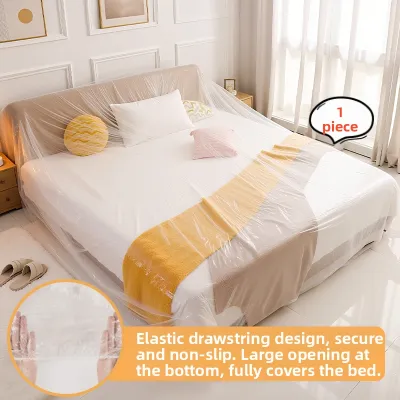
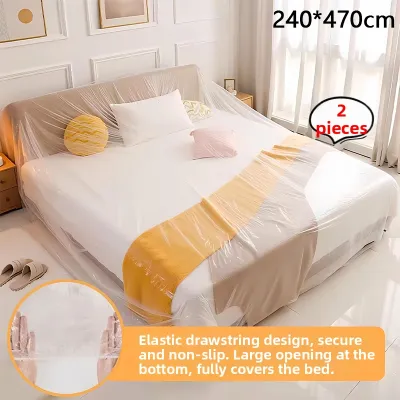
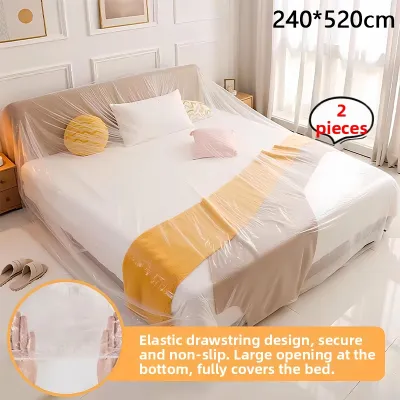
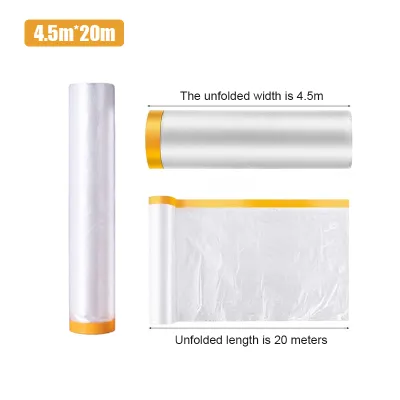
![[2-3 Days Delivery] 4.5m x 20m Plastic Dust Cover Protective Plastic Sheet Disposable Furniture Dustproof Cover Protective Cover Plastic Cover Plastic Film for Home Improvement CNY Gift Present](https://img.lazcdn.com/g/p/37fceab8fc43d4b3b58593d55aae9bcb.jpg_400x400q80.jpg_.webp)
Prices are valid at publication and may change. Please refer to the product page for the latest price.
Slip-on dust covers utilize a friction-based fit to stay secure. Typically molded from flexible materials like silicone, rubber, or stretchable fabric, these covers wrap around the bottom of the furniture leg. They do not require any chemical adhesives or physical fasteners, making them an excellent choice for preserving the original state of the furniture. The primary challenge with slip-ons is sizing; they require accurate diameter matching to function correctly. If the cover is too loose, it will slide off when the furniture is moved; if it is too tight, the material may split or tear during installation.
Nail-on dust covers, also known as tap-in glides, offer the most permanent attachment. They consist of a plastic or metal base with a built-in metal tack or screw that is driven directly into the bottom of the furniture leg. This installation requires a hammer or mallet and a steady hand. While nail-on covers are highly stable and rarely fall off during daily use, they leave permanent micro-punctures in the furniture. When these covers eventually wear down and need replacement, you must carefully extract the old nail and install the new one, which can weaken the wood structure if done repeatedly in the exact same spot.
Matching Dust Covers to Furniture Leg Shapes and Sizes
Achieving a secure fit requires precise physical compatibility between the dust cover and the leg geometry. Before purchasing any accessories, you must measure your furniture legs accurately and understand how different shapes interact with each cover type.

To measure your furniture legs, avoid guessing or using rough estimates. For round legs, use a caliper or a flexible tape measure to find the exact diameter. For square or rectangular legs, measure both the width and the depth. If the legs are tapered—meaning they are wider at the top and narrower at the bottom—measure the absolute bottom surface that makes contact with the floor. Write down these dimensions in millimeters to match them against the precise specifications provided by manufacturers on online marketplaces or packaging labels.
Shape compatibility plays a critical role in how well a dust cover stays in place. Slip-on covers are highly effective for standard round and square legs because they distribute tension evenly around the perimeter. However, they struggle significantly with rectangular, triangular, or heavily tapered legs. On these irregular shapes, the uneven tension causes the flexible material to bunch up, slip down, or tear. For non-standard geometries, adhesive pads are often the most practical choice because they can be trimmed with household scissors to match the exact footprint of the leg.
When selecting slip-on covers, always check the manufacturer’s specified tolerance limits and stretch ranges. Flexible silicone or rubber covers usually list a minimum and maximum leg diameter. Attempting to stretch a cover beyond its recommended limit puts excessive stress on the material, leading to rapid degradation and tearing, especially when dragging heavy chairs across the floor. Conversely, choosing a size even slightly above the leg’s actual measurement will result in a loose fit that collects dust underneath and eventually falls off.
Evaluating Furniture Leg Materials and Surface Conditions
The material of your furniture legs dictates which attachment methods are safe and effective. Applying the wrong type of dust cover can lead to permanent structural damage, ruined finishes, or immediate product failure.
Solid wood legs are the most versatile, as they are compatible with all three dust cover types. However, they require careful inspection before installation. If you choose nail-on covers, you must assess the wood’s hardness and grain pattern. Hardwoods may require drilling a small pilot hole first to prevent the wood from splitting when you tap in the nail. Softwoods are easier to penetrate but may strip out more quickly over time. Additionally, always check for splintering risks near the edges of the leg bottom, as driving a nail too close to the edge can cause the wood to shear.
Metal, glass, or plastic furniture legs present strict physical limitations. Nail-on covers are completely incompatible with these materials, as attempting to hammer a metal tack into them will cause shattering, bending, or permanent structural damage. For hollow metal legs, such as those found on modern dining chairs, slip-on covers with reinforced bottoms are highly recommended. Alternatively, specific high-strength adhesive covers can be used, provided the metal surface is completely smooth and free of rust or manufacturing oils.
Painted, veneered, or lacquered surfaces require extreme caution when using adhesive covers. The chemical bonds in strong adhesives can fuse with delicate finishes over time. When you eventually peel off a worn-out adhesive cover, there is a high risk that the adhesive will pull away the paint, veneer, or lacquer layer along with it. To protect valuable or antique finishes, opt for slip-on covers that rely solely on friction, or ensure that any adhesive used is specifically rated as low-tack or finish-safe.
Step-by-Step Selection and Installation Checklist
To ensure your disposable dust covers perform reliably and protect your home’s flooring, follow this systematic workflow for preparation, testing, and installation.
First, prepare the surface of each furniture leg thoroughly. Dust, oil, and floor wax residue are the primary causes of adhesive failure and slip-on slippage. Wipe the bottom of each leg with a damp microfiber cloth to remove loose debris. For metal or unpainted wood legs, a light application of isopropyl alcohol can help strip away stubborn oils; however, avoid alcohol on delicate varnishes or paints. Allow the legs to dry completely before proceeding, as any trapped moisture can ruin the adhesive bond or cause mold to develop inside a slip-on cover.
Second, perform a fit verification test. Instead of applying the covers to an entire set of dining chairs or a heavy dining table at once, test a single cover on a less visible leg. For slip-on covers, slide the cover on and slide the furniture piece across the floor to check if it remains snug and aligned. For adhesive covers, press the pad firmly in place for thirty seconds, then check if the edges lift when the leg is tilted. This trial run allows you to verify sizing and adhesion without wasting an entire package of covers.
Third, establish clear stop conditions during the installation process. If you notice the wood beginning to crack while tapping in a nail-on cover, stop immediately. If a slip-on cover requires extreme force to install, or if the silicone shows white stress marks from overstretching, do not force it further. If an adhesive pad fails to bond even after thorough cleaning, the surface finish may be incompatible with that specific adhesive. In any of these scenarios, halt the installation, re-evaluate your measurements, and consult the furniture manufacturer’s care guidelines if you are unsure of the safest path forward.
Frequently Asked Questions (FAQ)
Can I use adhesive dust covers on outdoor or patio furniture?
Adhesive dust covers are generally not recommended for outdoor or patio furniture unless the product label explicitly states they are weather-resistant. Outdoor environments expose furniture to high humidity, rain, and intense UV radiation, all of which rapidly break down standard chemical adhesives. When the adhesive degrades, the covers will slide off, leaving a sticky, dirt-attracting residue on your patio floor. For outdoor settings, slip-on covers made of UV-stabilized silicone or heavy-duty rubber are far more durable, as they rely on mechanical friction rather than chemical bonds to stay in place.
How do I safely remove adhesive residue without damaging the furniture finish?
To remove stubborn adhesive residue left behind by old dust covers, start with the gentlest method possible to protect the furniture’s finish. Dampen a soft microfiber cloth with warm, soapy water and rub the area gently in a circular motion. If the residue persists, apply a small amount of a mild, finish-safe solvent, such as mineral oil or a specialized citrus-based adhesive remover, to a clean cloth. Always test the solvent on a hidden part of the furniture leg first to ensure it does not dissolve the paint, lacquer, or veneer. Avoid harsh chemicals like acetone or paint thinner, which can instantly strip away protective coatings.

Community discussion
Share your experience or ask a question. Comments are reviewed before publication.