
Finding the right stool chair for your dining space is more than just picking a seat; it is about balancing visual weight, daily comfort, and your home’s overall design language. Whether you are furnishing a compact apartment kitchen or a spacious open-plan dining area, the style of your seating sets the tone for the entire room. The ideal choice harmonizes with your existing furniture while meeting your household’s physical space requirements.
To quickly identify your match, consider your current interior environment:
- Choose Scandinavian if your dining area is bright, features light wood tones, and prioritizes a cozy, family-friendly atmosphere.
- Choose Industrial if your home incorporates raw textures like exposed brick, concrete, or dark metal accents, and you want a rugged, utilitarian look.
- Choose Minimalist if you prefer clean lines, hidden hardware, a highly restrained color palette, and want to minimize visual clutter in a compact space.
- Choose Japandi if you seek a tranquil, balanced environment that blends rustic Japanese minimalism with warm, organic Scandinavian textures.
While visual style is the initial draw, your final decision must rely on verifying physical dimensions, table clearance, and structural stability to ensure the stool chair functions well in your daily life.
Products mentioned in this guide
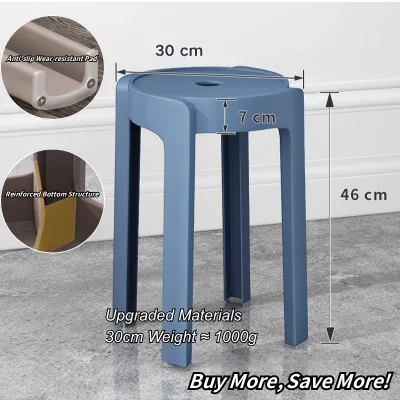
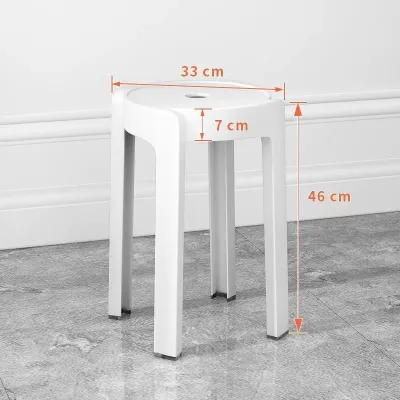
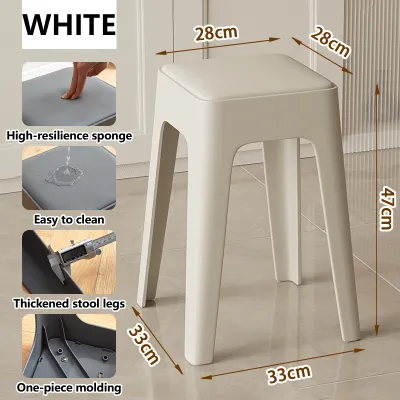
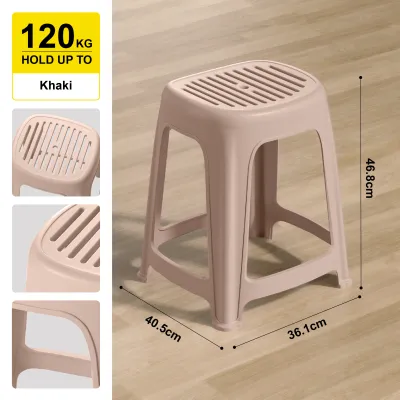
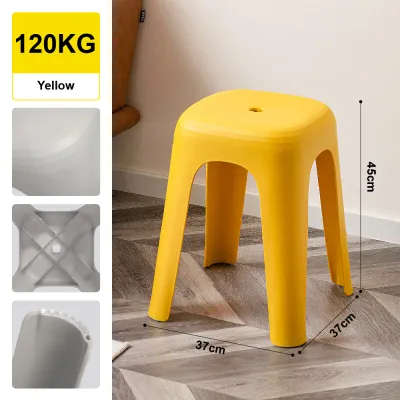
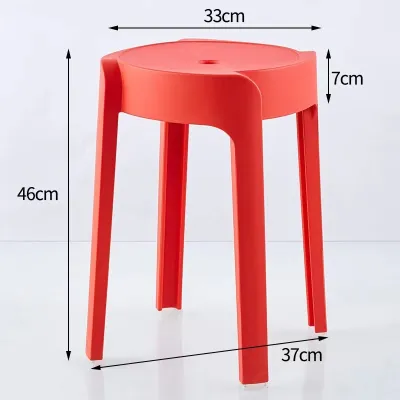
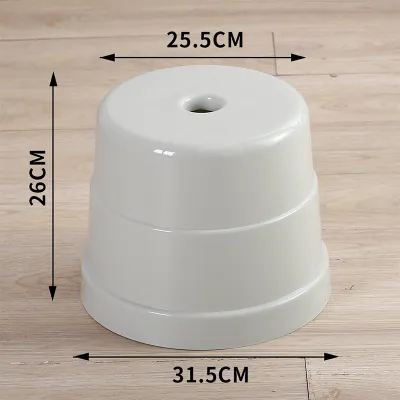
Prices are valid at publication and may change. Please refer to the product page for the latest price.
Comparing the 4 Main Dining Stool Chair Styles
Selecting a stool chair requires looking beyond the surface design to understand how its shape, materials, and visual weight interact with your room. Different styles occupy space differently; some create an airy, open feel, while others make a bold, grounding statement.
When browsing options, keep in mind that material names on product listings—such as “solid oak” or “industrial iron”—primarily indicate the aesthetic direction. Actual durability, scratch resistance, and moisture tolerance depend on the specific protective finishes, joint construction, and how well the piece matches your home’s climate and usage patterns.
Scandinavian Stool Chairs
Scandinavian design centers on simplicity, functionality, and a deep connection to natural elements. A Scandinavian stool chair typically features light wood tones, tapered legs, and gently curved seats that offer visual warmth without overwhelming the room. The design language is democratic and approachable, aiming to make everyday spaces feel bright and inviting.
When reviewing product specifications, look for material cues such as ash, beech, oak, woven paper cord, or light-colored fabric upholstery. These materials reflect natural light, helping smaller dining areas feel more spacious.
This style is highly suited for rooms with white or neutral walls, light-toned timber flooring, and spaces that receive ample natural daylight. It works exceptionally well in open-concept kitchens where the dining counter serves as both a prep station and an informal gathering spot.
Industrial Stool Chairs
Industrial design draws inspiration from old factories, warehouses, and utilitarian spaces. An industrial stool chair embraces raw, unfinished textures, visible structural hardware, and heavy-duty silhouettes. This style does not hide its construction; instead, it celebrates welds, rivets, and distressed surfaces.
Common material indicators for this aesthetic include powder-coated steel, iron frames, distressed or reclaimed wood seats, and dark leather upholstery. These materials give the stool a heavier visual weight and a sturdy, grounded presence.
Industrial stools are best suited for urban lofts, homes with concrete or dark tile flooring, and kitchens featuring matte black fixtures or stainless steel appliances. If your dining area has architectural features like exposed pipes or brickwork, this style integrates seamlessly.
Minimalist Stool Chairs
Minimalism operates on the principle of stripping away the unnecessary to achieve visual silence. A minimalist stool chair features geometric simplicity, seamless transitions, and hidden joinery. There are no decorative carvings, ornate cushions, or distracting details; every line serves a structural purpose.
Typical materials for minimalist designs include molded plastics, sleek matte metals, and seamlessly upholstered seats in monochromatic tones. The color palette is highly restrained, often limited to black, white, grey, or muted earth tones.
This style is an excellent choice for modern apartments and compact dining zones where saving physical and visual space is a priority. Because they lack bulky frames, minimalist stools can easily slide completely under a counter, keeping walkways clear and maintaining an uncluttered look.
Japandi Stool Chairs
Japandi is a hybrid aesthetic that merges the rustic, organic warmth of traditional Japanese design with the clean, functional lines of Scandinavian interiors. It focuses on the concept of “wabi-sabi”—finding beauty in natural imperfections—resulting in low-profile silhouettes, soft organic shapes, and a deeply tranquil feel.
When searching for Japandi stool chairs, look for material cues like ebonized or dark-stained woods, bamboo, rattan, and textured natural fabrics such as linen or boucle. The color palette is warm, muted, and earthy, featuring tones like terracotta, olive, sand, and charcoal.
This style is ideal for creating a calm, zen-like dining zone. It suits homes that prioritize natural materials, indoor plants, and a soft, textured approach to modern living.
How to Choose the Right Style for Your Existing Decor
To select a stool chair that complements your home rather than clashing with it, you must evaluate the dominant elements already present in your dining area. Introducing new seating is an opportunity to either reinforce your current theme or create an intentional, curated contrast.

Begin by assessing your flooring, wall colors, and primary dining table material. If you have warm timber floors and a matching wooden table, adding identical wooden stools can make the space feel monotonous. In this scenario, introducing minimalist metal stools or industrial stools with leather seats can break up the wood tones and add depth to the room. Conversely, if your kitchen features cold quartz countertops and polished concrete floors, Scandinavian or Japandi stools with woven seats or warm wood legs can introduce much-needed texture and warmth.
Consider this conditional framework when making your decision:
- If your room has high contrast and dark accents, lean toward Industrial or Minimalist styles to match the sharp, modern lines.
- If your room relies on soft textures and natural light, choose Scandinavian or Japandi to maintain a gentle, organic flow.
- If you want to mix styles, use a unifying element to anchor the look. For example, you can pair industrial metal stools with a rustic wooden table, provided the metal matches other fixtures in the room, such as your pendant lights or cabinet handles.
When shopping online, avoid relying solely on highly styled studio photos, which often use artificial lighting that can alter the perceived color of wood stains and fabrics. Always check customer review photos or request material samples to verify how the stool’s color and texture look under natural home lighting.
Essential Space and Comfort Checks Before You Buy
While finding the perfect aesthetic is exciting, a stool chair must be physically compatible with your space to be useful. Neglecting to measure your dining area can lead to uncomfortable seating positions or stools that block essential walkways.
First, measure your dining table or counter height. Standard dining tables are typically around 75 cm high, requiring a chair seat height of approximately 45 cm. Kitchen counters usually sit around 90 cm, which pairs best with counter stools measuring 60 to 65 cm from the floor to the seat. Bar counters, often found in modern apartments, stand at about 105 cm and require bar stools of 75 to 80 cm. Always measure the distance from the floor to the underside of the table apron; you need at least 25 to 30 cm of clearance between the seat and the tabletop to allow comfortable legroom.
Next, calculate the footprint and spacing. Each person requires about 60 to 75 cm of horizontal width at the table to eat comfortably without bumping elbows. Ensure there is at least 90 cm of open space behind the stools when they are pulled out, allowing family members to walk past without obstruction. If your dining area is near a high-traffic hallway or a kitchen workspace, choosing backless stools that slide fully under the counter when not in use can save valuable floor space.
Consider the comfort needs of your household. If you plan to use the stools for long dinners or working from home, prioritize designs with supportive backrests and integrated footrests. A footrest is not just a design detail; it relieves pressure on the thighs and stabilizes your posture when sitting on taller stools.
Finally, verify the structural specifications before finalizing your purchase. Check the manufacturer’s stated weight capacity and the stability of the base. Stools with a wider leg flare or a heavy pedestal base are less likely to tip over. If you live in an apartment, ensure the packaged dimensions of the stools can easily fit through your doorway and lift access to avoid delivery complications.
Frequently Asked Questions (FAQ)
Can I mix different stool chair styles around the same dining table?
Yes, mixing stool styles can create a highly personalized, eclectic look, but it requires a unifying element to prevent the space from feeling chaotic. To achieve a cohesive design, ensure all the stools share at least one common characteristic, such as the exact same seat height, a matching color palette, or identical frame materials. For example, you can mix different shapes of black metal minimalist and industrial stools around a single wooden table. This approach keeps the visual weight balanced while adding subtle variety. However, in highly structured minimalist spaces, sticking to a single, uniform style is generally recommended to maintain clean, uninterrupted lines.
How do I clean and maintain natural wood or woven stool chairs?
Because finishes and treatments vary significantly across manufacturers, always check the specific care label or product manual before applying any cleaning agents. For general maintenance of natural wood and woven paper cord or rattan stools, dust them regularly with a dry, soft microfiber cloth to prevent dirt buildup in the crevices. Avoid using harsh chemical cleaners, abrasive scrubs, or excessive water, which can strip the protective finish and warp the natural fibers. If a spill occurs, blot it immediately with a damp cloth and dry the area thoroughly. To preserve the color and structural integrity of woven seats, position them away from prolonged, direct sunlight, which can cause the natural materials to become brittle and fade over time. For deep stains or loose joinery, consult a professional furniture restoration service.

Community discussion
Share your experience or ask a question. Comments are reviewed before publication.