
A dining bench with a backrest offers a compelling alternative to individual dining chairs, blending the communal, space-saving appeal of a bench with the supportive comfort of a traditional chair. While standard backless benches can easily slide completely out of sight under a table, a model with an integrated backrest becomes a distinct architectural element in your dining room. Choosing the perfect bench requires looking beyond simple seating capacity to evaluate how the backrest’s shape, material, and structure interact with your room’s layout, your table’s design, and your household’s daily habits.
Understanding the structural relationship between the backrest and the seat frame is the first step toward making an informed purchase. Unlike individual chairs that support a single person, a dining bench must distribute weight across a wider span, meaning the backrest is often integrated directly into the rear legs or reinforced with heavy-duty metal brackets. This structural connection affects not only the bench’s overall stability but also its visual weight and how easily it can be moved. By examining the primary backrest configurations available, you can find a piece that offers both reliable physical support and a style that complements your home.
Understanding Dining Bench Backrest Designs
The design of a dining bench backrest dictates both its physical comfort and its visual presence in your dining space. Manufacturers construct these backrests using various methods, ranging from open-frame wooden slats to fully padded, fabric-covered panels. The way the backrest connects to the seat base—whether as a continuous extension of the rear legs or as a separate bolted-on component—determines the overall rigidity and longevity of the furniture piece.
Products mentioned in this guide
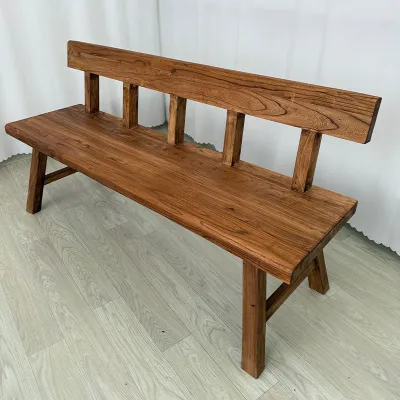
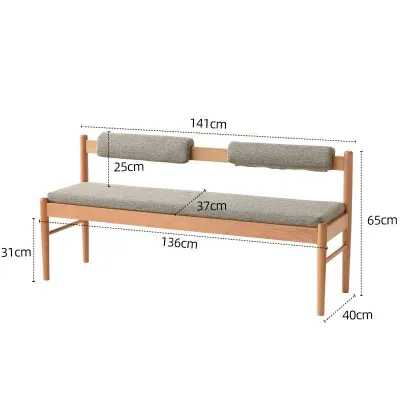
![[CozyNest ]Simple Modern R Solid Wood Bench Designer Vintage Bed End Stool Shoe Changing Stool Rest Dining Stool with Backrest](https://img.lazcdn.com/g/p/b4ce0ddcf875a36bae6b0b855dc29229.jpg_webp_400x400q80.jpg_.webp)
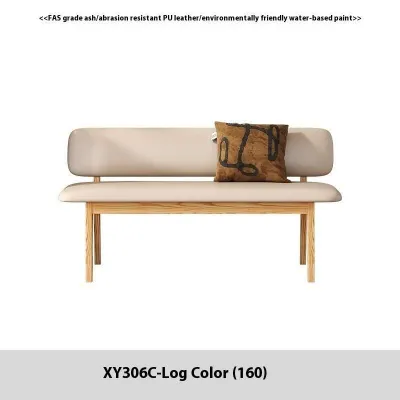

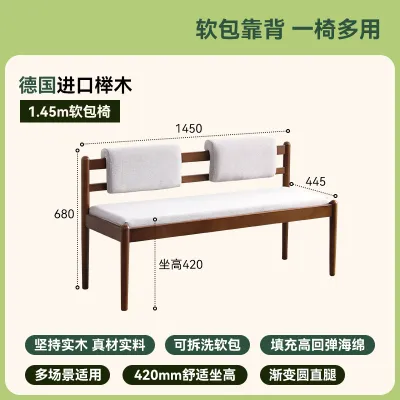
Prices are valid at publication and may change. Please refer to the product page for the latest price.
When selecting a backrest design, it is essential to consider how its physical shape influences daily maintenance and cleaning routines. Intricate carvings, deep button tufting, and horizontal gaps can catch dust, crumbs, and spills, requiring more frequent attention than flat, solid surfaces. Understanding these structural and maintenance characteristics helps you narrow down the options to a style that fits your lifestyle and cleaning preferences.
Ladder and Slatted Configurations
Ladder and slatted backrests are classic designs characterized by a series of horizontal or vertical wooden or metal bars. Vertical slats, often associated with traditional Windsor or Mission styles, create a clean, rhythmic pattern that draws the eye upward, making the dining area feel loftier. Horizontal slats, or ladder-backs, offer a more relaxed, rustic appearance that emphasizes the width of the bench.
One of the primary functional benefits of a slatted configuration is the natural airflow it permits. In warm climates, such as Singapore’s humid environment, an open-slat backrest prevents heat from becoming trapped between the sitter’s back and the seat, ensuring a cooler and more comfortable dining experience during long meals. This open structure also allows light to pass through, preventing the bench from looking like a solid, heavy block of wood in smaller dining rooms.
When shopping for a slatted dining bench, pay close attention to the quality of the wood and the smoothness of the finish. Run your hand along the edges of the slats to check for any rough spots, splinters, or uneven sanding, which can snag clothing or cause discomfort. Additionally, keep in mind that horizontal slats tend to collect dust more quickly than vertical ones, requiring regular wiping with a microfiber cloth to maintain a clean appearance.
Curved and Upholstered Options
Curved backrests, often crafted from molded plywood, solid bentwood, or shaped metal, are engineered to follow the natural contour of the human spine. By providing gentle lumbar support without the need for thick padding, these designs offer an ergonomic seating solution that remains visually sleek and lightweight. The subtle curve also creates a sense of enclosure, making the bench feel cozy and inviting.
Upholstered backrests, on the other hand, prioritize plush comfort and tactile warmth. Featuring foam padding covered in fabric, leather, or synthetic materials, these backrests turn the dining bench into a highly comfortable seating option suitable for extended conversations, working from home, or hosting long dinner parties. The addition of fabric also introduces texture and color into the dining room, helping to soften the hard lines of wooden tables and tiled floors.
However, upholstered options require careful consideration regarding durability and maintenance. Before purchasing, check the fabric specifications for stain-resistance treatments and review the manufacturer’s cleaning instructions to ensure the material can withstand accidental spills. Opting for high-performance fabrics or wipeable synthetic leathers can save significant maintenance effort, especially in active households where meals are a lively, sometimes messy affair.
Matching Backrest Styles to Your Home Aesthetic
Integrating a dining bench with a backrest into your home requires a thoughtful analysis of your existing interior design theme. For rustic, farmhouse, or industrial spaces, a wooden bench with a slatted or ladder-back design works exceptionally well, echoing the raw, natural textures of reclaimed wood and exposed metal. The visible joinery and sturdy construction of these benches enhance the warm, lived-in feel of traditional and country-style homes.

If your home leans toward a modern, minimalist, or Scandinavian aesthetic, look for benches with clean lines, tapered legs, and curved, low-profile backrests. A molded bentwood backrest in a light oak or walnut finish provides organic warmth without cluttering the visual field. In minimalist spaces, the goal is to keep the silhouette as simple as possible, allowing the natural grain of the wood or the sleekness of a metal frame to serve as the primary design statement.
For traditional, transitional, or glamorous interiors, an upholstered dining bench with a backrest adds an elegant, sophisticated touch. Deep button tufting, nailhead trim, or a high, padded backrest can elevate the dining room, making it feel more formal and luxurious. To keep the look cohesive, try matching the upholstery fabric or color palette with your existing dining chairs or nearby living room furniture, creating a seamless transition between open-concept spaces.
Beyond matching specific design themes, consider the visual weight of the bench and how it affects the perception of space in your dining area. A solid, fully upholstered bench has a high visual weight, making it a striking focal point but potentially overwhelming a compact dining room. In contrast, an open-slatted or low-profile curved bench allows the wall behind it to remain visible, maintaining an airy, spacious feel that is highly beneficial in smaller apartments or narrow dining nooks.
To ensure a cohesive look, use a simple decision checklist when coordinating your new bench with your existing dining table. First, examine the wood species and finish; while they do not need to match perfectly, they should share similar undertones (such as warm honey tones or cool ash tones) to avoid clashing. Second, look at the leg styles; if your table has thick, rustic legs, a delicate, thin-legged bench may look unbalanced. Finally, coordinate any metal hardware or accents on the bench with the light fixtures or cabinet pulls in your dining area to tie the entire room together.
Practical Sizing and Comfort Checks Before Purchase
Before committing to a dining bench with a backrest, precise measurements are essential to ensure the piece fits your space and functions comfortably. Start by measuring the length of your dining table between its legs, rather than the total tabletop length. Your bench must be slightly shorter than this interior distance if you plan to tuck it under the table when not in use, though keep in mind that the backrest itself will still prevent the bench from sliding completely flush against the table edge.
Next, evaluate the clearance space around the dining table to ensure smooth traffic flow. A bench with a backrest requires more physical space behind it than a backless bench, as users need room to slide in and out comfortably. Measure the distance from the edge of the table to the nearest wall or piece of furniture; a minimum clearance of 90 centimeters is recommended to allow someone to walk behind the bench while others are seated, preventing the dining area from feeling cramped.
The height and angle of the backrest are critical factors that directly influence seating comfort during meals. A backrest that is too upright can feel stiff and uncomfortable, while one with too deep an incline may distance the user too far from the dining table, leading to poor posture while eating. Look for a backrest that offers a gentle backward slope of approximately 105 to 110 degrees, which provides comfortable support for relaxed dining without compromising your reach to the table.
Additionally, verify the seat height of the bench relative to your dining table. The standard distance between the top of the seat cushion and the underside of the table apron should be between 25 and 30 centimeters. This gap provides sufficient legroom for adults to sit comfortably without their thighs pressing against the table frame, while still keeping the tabletop at an ergonomic height for dining, writing, or working.
Finally, structural stability and weight capacity are paramount, especially for a piece of furniture designed to accommodate multiple people simultaneously. Check the manufacturer’s specifications for the maximum weight limit, ensuring it can safely support the combined weight of two or three adults. Look for benches constructed with solid wood frames, reinforced corner blocks, and high-quality metal-to-metal joinery, which resist wobbling and loosening over years of active daily use.
Frequently Asked Questions (FAQ)
Can a dining bench with a backrest fit under a standard dining table?
A dining bench with a backrest typically cannot slide completely under a standard dining table because the backrest will strike the edge of the tabletop. To determine how far the bench can tuck in, you must measure the height of the table apron—the wooden panel directly beneath the tabletop—and compare it to the height of the bench’s seat and armrests, if any.
If the bench seat is lower than the apron, the seat portion can slide underneath, but the backrest will remain exposed, protruding outward. To minimize the footprint of the dining set in a compact room, measure the exact gap between the floor and the underside of the table apron to ensure the bench seat slides in smoothly without scratching the wood or wedging tightly against the frame.
Are upholstered dining benches difficult to maintain in a busy household?
Upholstered dining benches require more care than solid wood or metal options, but they are highly manageable if you select the right materials. When shopping, check the manufacturer’s care labels and look for fabrics with high rub counts, which indicate superior resistance to wear and abrasion from daily use.
For busy households with children or pets, look for benches upholstered in performance fabrics that resist stains and moisture, or opt for wipeable materials like polyurethane synthetic leather. Removable, washable slipcovers are another excellent option, allowing you to easily clean spills and maintain a fresh, hygienic dining environment with minimal effort.
How do I ensure a wooden backrest bench remains stable over time?
To preserve the structural integrity of a wooden dining bench, perform periodic maintenance checks on its joinery and hardware. Over time, the natural movement of wood and the physical stress of supporting multiple users can cause screws and bolts to loosen slightly, leading to wobbling. Tighten all structural hardware once or twice a year using the appropriate tools.
Additionally, protect the wood from extreme humidity fluctuations, which can cause the timber to expand, contract, warp, or crack. In tropical climates like Singapore, avoid placing the bench directly under air conditioning vents or in direct sunlight, and follow the manufacturer’s specific wood care instructions, using a damp cloth and mild soap rather than harsh chemical cleaners.

Community discussion
Share your experience or ask a question. Comments are reviewed before publication.