
Finding the perfect dining bench with back rest involves balancing visual aesthetics with strict physical constraints. To match your interior, pair light oak or ash with Scandinavian decors; select powder-coated metal and distressed wood for industrial spaces; choose warm walnut with tapered legs for mid-century modern homes; select chunky, painted wood for rustic farmhouse aesthetics; and opt for sleek, upholstered profiles in contemporary settings. However, before finalizing any aesthetic choice, you must measure your dining table’s clearance and available floor space to ensure a functional fit.
Why Opt for a Dining Bench with a Backrest?
Dining benches have evolved from simple, backless wooden planks into highly sophisticated seating solutions that prioritize both form and function. Adding a backrest to a dining bench transforms it from a temporary perch into a comfortable, long-term seating option. This structural addition provides essential lumbar support, making the dining table a viable space not only for family meals but also for extended work-from-home sessions, homework, or long evening conversations with guests.
From a spatial design perspective, a backrest serves as a powerful visual anchor. In modern open-concept layouts—which are highly common in Singapore’s build-to-order (BTO) flats and private condominiums—the dining zone often lacks physical walls to define its boundaries. A continuous, horizontal backrest acts as a low-profile partition, subtly demarcating the dining area from the living room or dry kitchen without blocking natural light or sightlines. This visual boundary adds structure and organization to the home’s overall flow.
Products mentioned in this guide
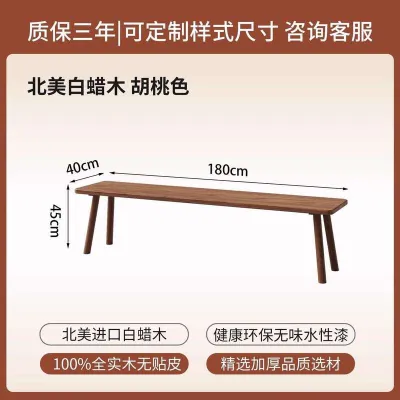
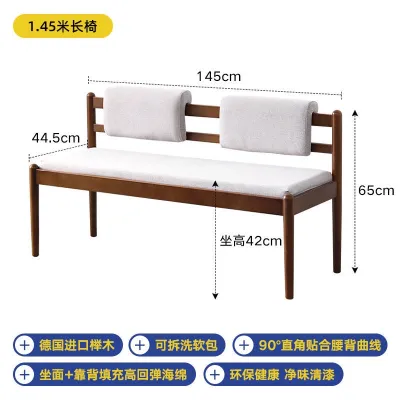
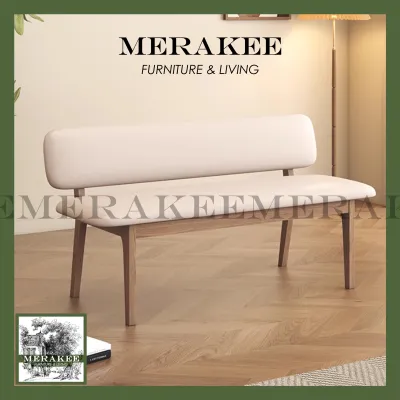
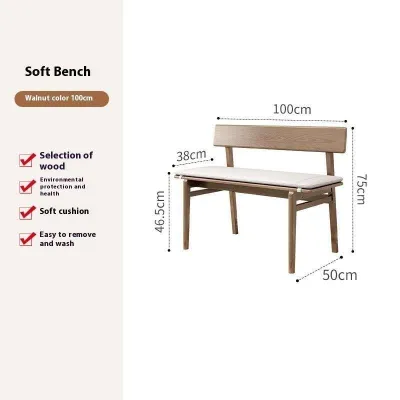
Prices are valid at publication and may change. Please refer to the product page for the latest price.
Furthermore, a dining bench with back rest introduces a softer, more integrated look than individual chairs. Instead of a busy row of chair backs, a single, elegant bench backrest offers a clean, uninterrupted silhouette. This reduction in visual noise is particularly beneficial in smaller dining rooms, where multiple vertical chair lines can create a cluttered, chaotic appearance. By streamlining the seating plane, the bench helps the space feel larger and more cohesive.
Matching Bench Styles to Popular Home Interiors
Selecting the right bench style requires a close examination of design details, material choices, and structural characteristics. Each interior design theme carries specific visual cues that your dining furniture should complement to create a harmonious space.

Scandinavian: Light Woods and Clean Lines
Scandinavian design centers on simplicity, functionality, and a deep connection to natural elements. A Scandinavian-style dining bench with back rest typically features light-toned wood finishes, such as ash, beech, or light oak. The design language is characterized by clean, straight lines, rounded edges, and visible joinery that showcases craftsmanship without unnecessary ornamentation. Upholstery, if present, is usually kept minimal, utilizing light-colored, breathable fabrics in neutral shades like cream, soft gray, or muted beige.
When selecting a Scandinavian bench, it is crucial to check the product specifications for wood treatment and humidity protection. Because light-colored, open-grain woods are highly susceptible to liquid penetration, untreated surfaces can easily develop stubborn water rings or dark stains from spills. Look for benches finished with a matte polyurethane coating or a high-quality water-resistant oil that preserves the wood’s natural, pale appearance while offering robust protection. Pair this bench with a minimalist, light-toned wooden dining table featuring slim, straight legs to maintain an airy, uncluttered aesthetic.
Industrial: Metal Frames and Raw Textures
Industrial interior design embraces raw, unfinished materials, structural exposure, and a utilitarian aesthetic reminiscent of converted warehouses. An industrial-style bench relies heavily on mixed-material construction. The structural frame is typically fabricated from dark, matte, powder-coated metal—such as steel or iron—which is paired with a solid wood seat and backrest featuring distressed, reclaimed, or deeply grained textures.
To ensure safety and longevity, pay close attention to the structural integrity of the bench’s metal-to-wood connections. Look for heavy-duty threaded inserts and bolts rather than simple wood screws, which can loosen over time under constant shifting. Verify the manufacturer’s stated weight capacity to ensure the frame can comfortably support multiple adults simultaneously. Additionally, confirm that the metal components have been treated with an anti-corrosive, rust-resistant finish, as Singapore’s ambient humidity can accelerate oxidation on raw, untreated metals, leading to unsightly rust spots and structural compromise. Pair this rugged seating with a concrete-topped or thick-slab wooden dining table supported by matching metal trestle legs.
Mid-Century Modern: Tapered Legs and Warm Tones
Mid-century modern design celebrates organic curves, geometric shapes, and a warm, nostalgic color palette. A dining bench with back rest in this style is easily recognized by its warm wood tones—most notably walnut, teak, or cherry—and its signature angled, tapered legs. The backrest often features subtle curves, organic shaping, or vertical wooden slats that create a sense of movement and lightness.
When shopping for mid-century modern pieces, check the product details to determine if the bench is constructed from solid hardwood or wood veneer over engineered wood like MDF. While high-quality veneers are excellent for achieving beautiful, consistent grain patterns and resisting warping in humid climates, solid wood offers superior long-term durability and the ability to be sanded down and refinished in the future. Pair a mid-century modern bench with an oval or rounded rectangular dining table to complement the organic, flowing lines of the era’s design language.
Farmhouse and Rustic: Sturdy Builds and Textured Finishes
For homes that prioritize a cozy, welcoming, and traditional atmosphere, farmhouse and rustic styles offer an excellent solution. These benches are characterized by their chunky, substantial proportions, robust structural bases, and classic backrest designs such as cross-back (X-back) or ladder-back configurations. Finishes often feature distressed paint, visible wood knots, and prominent natural grain textures that evoke a sense of history and warmth.
Because farmhouse benches are built with sturdiness in mind, they tend to have a significantly larger physical footprint and heavier weight than other styles. Before purchasing, carefully verify the overall dimensions and weight of the bench. You must ensure you have adequate floor space to pull the bench back comfortably without colliding with nearby walls, sideboard cabinets, or walkways. A heavy rustic bench can also be difficult to slide on certain flooring types; consider adding high-quality felt glides to the bottom of the legs to protect your tiles or vinyl planks from scratches. Pair this style with a classic trestle-style dining table or a thick, rustic wooden table.
Contemporary and Minimalist: Sleek Profiles and Upholstery
Contemporary and minimalist interiors focus on sleek profiles, clean geometry, and a luxurious yet understated feel. Benches designed for these spaces often feature fully upholstered seats and backrests, creating a plush, seamless look. The legs may be hidden entirely, integrated into a continuous upholstered frame, or constructed from ultra-slim, polished metal or matte black steel.
Because a contemporary bench relies heavily on upholstery, you must carefully evaluate the fabric specifications on the manufacturer’s label. Look for high-performance fabrics with a high Martindale rub count (ideally 20,000 rubs or higher for residential dining use) to ensure the material can withstand daily wear and tear. Check if the fabric has been treated with a stain-resistant barrier or if the bench features removable, dry-cleanable covers. This is particularly important for dining environments where food spills, oil, and liquid splashes are inevitable. Pair this sleek bench with a marble, sintered stone, or glass-topped dining table to emphasize a sophisticated, modern aesthetic.
Essential Dimensions and Space Planning for Singapore Homes
Integrating a dining bench with back rest into a Singapore home—whether it is a compact HDB flat or a high-rise condominium—requires precise spatial planning and careful measurement. Unlike backless benches that can slide completely underneath a dining table when not in use, a bench with a backrest is a permanent fixture that remains visible and partially protrudes.
- Vertical Clearance: The first critical dimension to evaluate is the vertical clearance between the top of the bench seat and the underside of the dining table's apron. For optimal comfort and legroom, aim for a vertical gap of 10 to 12 inches (approximately 25 to 30 centimeters). If your dining table has a deep decorative apron or support beams, measure carefully to ensure that diners' thighs will not be pinched against the underside of the table.
- Total Depth and Protrusion: Next, consider the total depth of the bench, including the angle of the backrest. Many backrests slope backward slightly to provide an ergonomic seating angle, which increases the bench's overall depth footprint. Measure this total depth against your dining table's edge. To determine how far the bench will protrude when pushed in, check the distance between the table legs. If the bench is shorter than the distance between the table legs, it can slide partially under the table until the backrest meets the table edge. However, if the bench is longer than the distance between the table legs, it must sit entirely outside the table footprint, requiring a much larger permanent floor space.
- Walkway Clearance: Walkway clearance is another vital factor for comfortable living. Behind the dining bench, you should maintain a clear walkway of at least 24 to 30 inches (60 to 76 centimeters). This clearance allows diners to pull the bench back, sit down, and rise comfortably without bumping into walls or blocking traffic paths. If the dining area is situated in a high-traffic corridor, a larger clearance of 36 inches (91 centimeters) is highly recommended.
- Delivery Logistics: Finally, do not overlook the logistics of delivery and installation. Singapore apartments often feature tight corners, narrow corridors, and strict lift dimensions. Before placing an order, measure the height, width, and depth of your building's lift, as well as the clearance of your front door, entryway, and any tight turns in your hallway. A long, fully assembled dining bench with a fixed backrest can be extremely difficult to maneuver around sharp corners or into standard passenger lifts. If access is tight, look for flat-packed models that can be assembled directly inside your dining room.
Material and Upholstery Considerations for Humid Climates
Singapore’s tropical climate—characterized by high relative humidity and consistent year-round warmth—presents unique challenges for furniture preservation. When selecting a dining bench with back rest, understanding how materials respond to this environment is essential for preventing premature wear, warping, and mold growth.
Solid wood is a living material that naturally expands and contracts in response to changes in atmospheric moisture. In high humidity, untreated or poorly sealed wood can absorb excess moisture, leading to warping, joint separation, or wood splitting. To mitigate this risk, ensure the bench is constructed from kiln-dried timber, a process that stabilizes the wood’s internal moisture content before manufacturing. Look for high-quality protective topcoats, such as polyurethane, lacquer, or specialized outdoor-grade oils, which seal the wood pores and prevent moisture ingress.
Upholstery materials require equal scrutiny in humid environments. Natural fibers like linen and cotton are highly breathable and comfortable in warm weather, but they are also highly absorbent, making them prone to trapping moisture, sweat, and spills. Over time, this trapped moisture can foster the growth of mold, mildew, and unpleasant odors. If you prefer natural fibers, look for blended fabrics that incorporate synthetic fibers for added durability, or verify that the fabric has been treated with an anti-microbial and moisture-repellent finish.
For maximum durability and ease of maintenance in Singapore’s climate, high-performance synthetic fabrics like polyester, acrylic, or olefin are excellent choices. These materials are inherently moisture-resistant, quick-drying, and highly resistant to mold and mildew. Alternatively, high-quality synthetic leathers (polyurethane or PU leather) offer a sleek, contemporary look that can be easily wiped clean with a damp cloth, preventing spills and humidity from penetrating the underlying foam cushioning. Always check the manufacturer’s care label for specific cleaning instructions and recommended humidity control practices to keep your dining bench looking pristine for years to come.
Frequently Asked Questions (FAQ)
How much clearance is needed between the bench and the dining table?
For comfortable seating and adequate legroom, maintain a vertical clearance of 10 to 12 inches (25 to 30 centimeters) between the top of the bench seat cushion and the underside of the table apron. Additionally, measure the height of the bench’s backrest and compare it to the table’s edge to ensure they do not scrape against each other when the bench is pushed in.
Can a dining bench with a backrest fit under a standard table?
Unlike backless models, a dining bench with a backrest cannot slide completely underneath a standard dining table. The backrest will naturally stop against the table’s edge. To maximize space, verify that the bench’s overall length is shorter than the distance between the dining table’s legs, allowing the seat portion to slide partially underneath the table when not in use.
Is a bench better than chairs for small dining areas?
A dining bench is highly efficient for seating multiple people, especially children, and helps reduce visual clutter by providing a single, clean silhouette. However, because a bench with a backrest cannot tuck completely away and requires the same pull-out clearance as individual chairs, you must carefully evaluate your room’s layout to ensure it does not obstruct main walkways when occupied.

Community discussion
Share your experience or ask a question. Comments are reviewed before publication.