
Choosing a dining bench style depends on balancing your home’s existing interior design with the physical realities of your dining area. A well-selected bench not only maximizes seating efficiency in compact layouts but also serves as a key visual anchor that can either soften or define your dining zone. To find a suitable match, you must align the bench’s materials, leg profiles, and upholstery with the dominant design language of your space—whether that is the clean simplicity of Scandinavian design, the raw edge of industrial style, or the warm nostalgia of mid-century modernism.
Assessing Your Dining Space and Bench Dimensions
Before committing to a specific aesthetic, you must establish the physical boundaries of your dining area. In many Singapore apartments, such as HDB flats or modern condominiums, dining spaces often double as high-traffic walkways. Start by measuring the exact length and width of your dining table, as well as the surrounding floor area. To maintain comfortable traffic flow, aim for a clearance of at least 75 to 90 centimetres between the edge of the table and the nearest wall or piece of furniture. This ensures family members can walk past without squeezing, even when the seating is occupied.
Next, evaluate the clearance required for the bench itself. If you plan to tuck the bench completely under the table when not in use to save floor space, the bench’s total length must be shorter than the distance between the dining table legs. Measure this inner clearance carefully, taking into account any decorative corner brackets or support stretchers under the table. If your table has a pedestal base or trestle legs, a longer bench that extends to the outer edges of the tabletop may be more practical, though it will remain permanently exposed and require a wider footprint.
Products mentioned in this guide
![17vm [Ready Stock] High Quality Nordic Bench 100% Solid Wood Benches Dining Bench Wooden Benches Table Bench Household Benches High Stools Q4L6B](https://img.lazcdn.com/g/p/00bab2981ccecdfebe7500373805575f.jpg_webp_400x400q80.jpg_.webp)
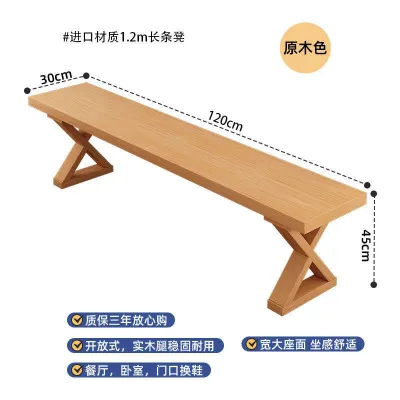
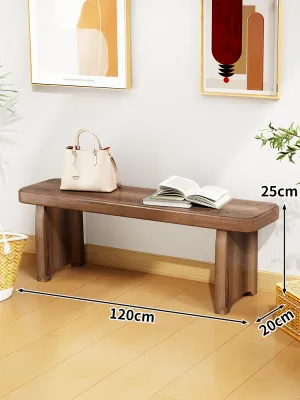
Prices are valid at publication and may change. Please refer to the product page for the latest price.
Vertical dimensions are equally critical for daily comfort. Measure the distance from the floor to the underside of the table apron—the wooden or metal frame supporting the tabletop. To ensure adequate legroom, there should be a gap of approximately 25 to 30 centimetres between the top of the bench seat and the underside of the table apron. If you are opting for an upholstered bench, remember to measure from the compressed height of the cushion rather than the uncompressed crown, as a highly plush seat will sink when occupied.
Finally, consider the logistics of delivery and assembly. Before placing an order, verify the finished dimensions of the bench against your home’s entryways, hallway corners, and lift doors. In high-rise residential buildings, a long, fully assembled solid wood bench may present transport challenges if it exceeds the height or depth of the passenger lift. Checking these physical constraints early prevents delivery day complications and ensures the piece fits seamlessly into your lifestyle.
Matching Dining Bench Styles to Your Interior Aesthetic
Once the physical dimensions are verified, you can focus on how the bench integrates with your home’s visual identity. Every interior design theme relies on specific structural traits, color palettes, and visual weights to create a cohesive atmosphere. A dining bench is a substantial piece of furniture; its long horizontal plane naturally draws the eye and can easily disrupt or enhance the surrounding decor.

To achieve a balanced look, you do not necessarily need a fully matching set. Instead, focus on finding common design threads, such as matching the wood species, coordinating the metal finishes, or aligning the leg shapes. If your dining table is a bold statement piece with intricate details, select a more subdued, minimalist bench to prevent visual clutter. Conversely, a simple, clean-lined table can be elevated by a bench featuring unique upholstery textures or striking architectural legs.
Scandinavian and Minimalist Interiors
For homes embracing Scandinavian or minimalist aesthetics, the dining bench should prioritize simplicity, functional elegance, and a light visual footprint. These styles thrive on uncluttered spaces, meaning your bench should feature clean lines, unadorned silhouettes, and a light color palette. Look for benches crafted from light-toned woods such as ash, oak, or rubberwood, which bring natural warmth to the room without darkening the space.
To maintain a sense of spaciousness in smaller dining zones, consider benches with tapered, slender legs or streamlined frames. Some minimalist designs incorporate clever, hidden storage compartments beneath a hinged seat, allowing you to stow away table linens or seasonal items without adding extra furniture to the room. If you prefer upholstered options, select neutral fabrics such as beige, light grey, or muted cream in flat weaves or subtle textures like linen blends.
Avoid benches with heavy, blocky bases, ornate carvings, or dark, glossy finishes, as these elements introduce unnecessary visual weight that clashes with the airy feel of a minimalist home. Additionally, steer clear of overly shiny metallic accents or highly distressed wood surfaces. The goal is to choose a piece that feels integrated and quiet, allowing the natural light and open space of your dining area to remain the primary focus.
Industrial and Mid-Century Modern Spaces
Industrial and mid-century modern interiors offer a richer canvas of textures, colors, and historical references. If your home leans toward an industrial aesthetic, look for dining benches that combine raw, matte-black metal frames with solid wood seats. The contrast between cold metal and warm, textured wood reflects the utilitarian, warehouse-inspired origins of the style. Distressed finishes, visible rivets, and angular iron legs work exceptionally well in these settings, providing a sturdy and grounded appearance.
For mid-century modern spaces, the focus shifts to organic curves, warm wood tones, and retro-inspired silhouettes. Benches featuring rich walnut or medium-toned teak finishes with iconic splayed or tapered legs capture this era’s design essence. Look for gently rounded seat edges and organic shapes that soften the linear nature of the dining table. Upholstery in bold, period-appropriate colors—such as mustard yellow, olive green, or burnt orange—can serve as an excellent accent against a dark wood table.
When styling these bolder aesthetics, be mindful of potential material clashes. An industrial bench with heavy iron legs and rough-sawn timber may look out of place next to a delicate, high-gloss lacquer table or an ultra-modern glass-topped surface. Similarly, a mid-century modern bench with delicate, angled legs might struggle to complement a chunky, rustic farmhouse table. Ensure the structural weight and surface finishes of both the table and the bench share a similar level of casual warmth or ruggedness.
Evaluating Materials, Comfort, and Build Quality
A dining bench must withstand the rigors of daily meals, homework sessions, and social gatherings, making material selection and construction quality paramount. Solid wood benches offer exceptional longevity and can be refinished over time, but they require regular dusting and immediate cleanup of spills to prevent water rings. Engineered wood options, such as high-quality veneer or laminate, provide a more budget-friendly alternative and are often highly resistant to warping in humid climates, though they cannot be sanded down and repaired as easily as solid timber.
Metal frames, typically made of steel or iron, provide outstanding structural stability and are highly resistant to daily wear. However, a bare metal or solid wood seat can feel hard during long dinners. If comfort is a priority, upholstered benches offer a softer seating experience. When choosing upholstery, evaluate the fabric’s care requirements; performance fabrics, synthetic leathers, or treated polyesters are generally easier to wipe clean than delicate natural fibers like cotton or silk. If you have a busy household, look for materials that specify stain-resistant properties or removable, washable covers.
To assess comfort before purchasing, pay close attention to the seat depth and edge profiling. A seat depth of 35 to 40 centimetres is standard for dining benches, providing adequate support without cutting off circulation behind the knees. Look for benches with rounded or chamfered edges rather than sharp, 90-degree corners, which can cause discomfort during extended sitting. If you are opting for an upholstered bench, check the manufacturer’s specifications for high-density foam filling, which retains its shape and support far longer than low-density alternatives.
Finally, inspect the build quality and structural joints of the bench. Look for robust joinery methods such as mortise-and-tenon joints, corner blocking, or heavy-duty metal brackets rather than simple wood screws or glue. Gently shake the bench to check for any lateral wobble or flexing in the legs. Review the manufacturer’s product labels or specifications for weight capacity ratings to ensure the bench can safely accommodate multiple adults simultaneously. A stable, well-constructed bench should feel solid and grounded, with no creaking or movement when weight is applied.
Integrating and Styling Your Dining Bench
Integrating a dining bench into your room involves both spatial arrangement and decorative styling. One of the primary decisions is whether to tuck the bench fully under the table or leave it partially exposed. Tucking the bench away is an excellent space-saving strategy for narrow dining areas, keeping walkways completely clear when the table is not in use. However, if your bench features beautiful upholstery, unique wood grain, or striking leg details, leaving it slightly pulled out allows it to serve as a key design feature in the room.
To soften the hard lines of a wooden or metal bench and tie it into your broader interior color scheme, consider accessorizing with textiles. A neatly draped linen throw or a series of low-profile seat cushions can introduce texture and color contrast. Choose cushion covers that coordinate with your curtains, wall art, or nearby living room decor to create a cohesive open-plan living space. Ensure any added cushions have non-slip backings or secure ties to prevent them from sliding around during use.
Maintaining your dining bench requires a consistent cleaning routine tailored to its specific materials. Always refer to the manufacturer’s care instructions for approved cleaning agents, as harsh chemical solvents can strip protective topcoats or discolor fabrics. For wooden benches, use a soft, damp microfiber cloth for daily dusting, and avoid placing the furniture in direct sunlight to prevent uneven fading. For upholstered benches, regular vacuuming with a fabric brush attachment helps prevent dust and crumbs from settling into the fibers, keeping your dining area fresh and inviting.
Frequently Asked Questions (FAQ)
Can I mix a dining bench with traditional dining chairs?
Yes, mixing a dining bench with individual chairs is an excellent way to create a dynamic, casual look while maximizing seating flexibility. To maintain visual harmony, place the dining bench along one side of the table—ideally against a wall or facing an open room—and position individual chairs on the opposite side and at the ends. To tie the mismatched seating together, ensure there is a unifying element, such as matching the wood species of the bench and chair legs, coordinating the metal finishes, or choosing upholstery fabrics in the same color family. This approach keeps the dining set looking intentional rather than cluttered.
How do I protect my dining bench from daily wear and tear?
Protecting your dining bench starts with understanding its material limits and following the manufacturer’s care guidelines. For wooden and upholstered surfaces, avoid using harsh abrasive cleaners, bleach, or ammonia-based sprays, which can degrade finishes and fibers. Use felt pads on the bottom of the bench legs to protect your flooring from scratches when the bench is moved. To prevent staining and heat damage, encourage the use of placemats or coasters, and clean up liquid spills immediately with a dry, absorbent cloth. If your dining area receives intense natural light, consider using sheer curtains to shield the bench from direct ultraviolet rays, which can cause wood to dry out and fabrics to fade prematurely.

Community discussion
Share your experience or ask a question. Comments are reviewed before publication.