
Choosing the right dining bench backrest style for a Singapore home requires balancing visual weight with spatial efficiency. In compact HDB flats and condominiums, a dining bench with a backrest offers the comfort of a traditional chair while maximizing seating capacity along a wall or open-plan boundary. The most suitable style depends on matching the backrest’s profile, materials, and structural lines to your interior theme—whether that is the warm minimalism of Japandi, the airy simplicity of Scandinavian, the raw texture of industrial, or the clean lines of modern minimalist decor. By understanding how different backrest designs interact with your space, you can create a dining area that feels both highly functional and visually cohesive.
Key Design Features of Dining Bench Backrests
The design of a dining bench backrest is defined by three primary variables: height, silhouette, and structural configuration. Each of these elements plays a critical role in determining how much physical and visual space the bench occupies in your dining room.
Backrest height categories generally fall into low, mid, and high profiles. Low-profile backrests, which typically rise just 10 to 15 centimeters above the seat cushion, offer minimal physical support but excel at keeping sightlines open. This makes them highly suitable for open-concept layouts where you want to avoid visual barriers between the kitchen, dining, and living zones. Mid-profile backrests, ranging from 20 to 35 centimeters, provide standard lumbar support and align neatly with the height of most standard dining tables, offering a balanced look. High-profile backrests, extending 40 centimeters or more above the seat, create a dramatic, sofa-like presence. While they offer extensive upper-back support, they can easily overwhelm a small room if not positioned carefully against a solid wall.
Products mentioned in this guide
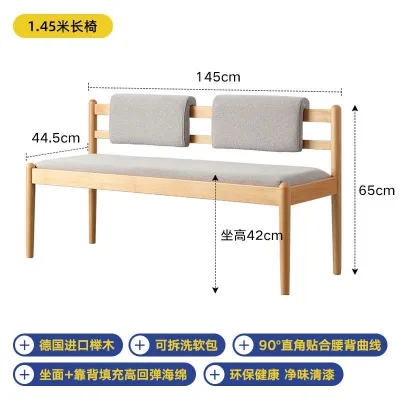
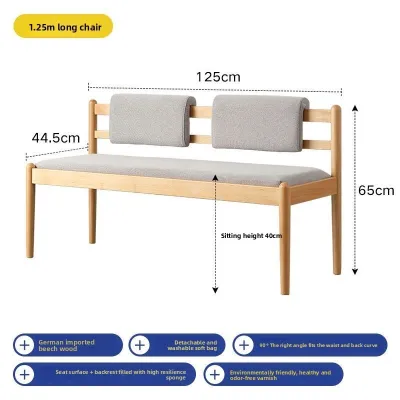
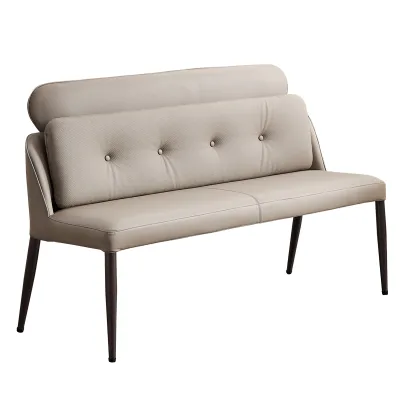
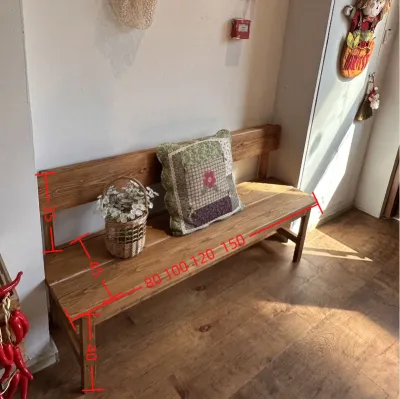
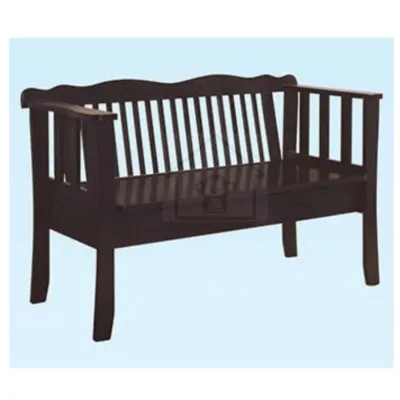
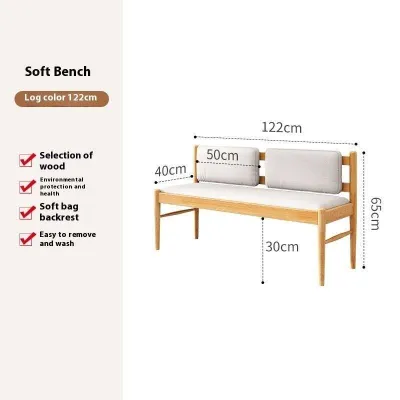
Prices are valid at publication and may change. Please refer to the product page for the latest price.
The silhouette and line profile of the backrest also dictate its stylistic compatibility. Curved, organic shapes—such as rounded corners, arched tops, or gently contoured back panels—soften the hard, linear edges of a dining table. These flowing lines introduce a sense of warmth and casual comfort to the dining space. Conversely, sharp, angular geometries with clean 90-degree corners emphasize structure, order, and architectural precision. These angular profiles work well in highly structured, formal, or minimalist dining setups where symmetry is key.
Structural elements further influence the visual weight of the bench. Solid panels provide a continuous block of material, offering maximum physical support and a clean, solid look, though they can make a small space feel more enclosed. Vertical slats, spindle backs, and open frames allow light and air to pass through the structure. This transparency reduces the perceived bulk of the furniture, helping compact dining areas feel larger and more breathable.
Matching Backrest Styles to Popular Interior Aesthetics
The dining area is often the multi-functional hub of a Singaporean home, serving as a workspace, family gathering spot, and meal area. The backrest style of your dining bench acts as a visual anchor, defining the zone’s aesthetic boundaries and setting a cohesive tone that ties the dining table and surrounding decor together.

Scandinavian and Japandi Interiors
Scandinavian and Japandi design philosophies both celebrate simplicity, natural light, and a deep connection to organic materials. To complement these warm, uncluttered spaces, look for dining bench backrests crafted from light-toned woods such as oak, ash, beech, or rubberwood. The natural grain of the wood should remain visible, acting as the primary decorative element rather than relying on heavy ornamentation or high-gloss lacquers.
Low-to-mid profile silhouettes with open structural elements are ideal for these aesthetics. A spindle-back or vertical-slat design allows natural light to filter through, maintaining the airy feel central to Scandinavian homes. Alternatively, incorporating woven elements like natural rattan or cane into the backrest panel introduces a beautiful tactile texture that feels light and organic.
When selecting upholstery for a Japandi or Scandinavian bench, prioritize natural, textured fabrics in muted earth tones, soft grays, beige, or off-white. Avoid bold, synthetic patterns or overly formal tufting. The goal is to create a serene, inviting atmosphere where the furniture feels integrated with the surrounding space, emphasizing comfort and understated craftsmanship.
Industrial and Modern Minimalist Interiors
Industrial and modern minimalist interiors require a different approach to structure and materials, focusing on raw textures, clean lines, and highly streamlined forms.
For industrial-themed spaces, the dining bench backrest should reflect a sense of structural honesty and utilitarian design. Look for backrests that combine matte black metal frames with dark, rich woods like walnut, acacia, or distressed timber. Upholstery in deep charcoal, tan leather, or high-quality faux leather adds a rugged, sophisticated layer that complements exposed brick, concrete screed floors, or track lighting. Visible hardware, such as exposed rivets or metal brackets connecting the backrest to the seat, enhances the authentic industrial character.
In modern minimalist setups, the design focus shifts toward absolute simplicity and the elimination of unnecessary detail. Choose backrests with clean, uninterrupted lines and hidden joinery. Monochromatic color schemes work best here, featuring sleek black, deep charcoal, or crisp white finishes. Upholstery should be tight and tailored, utilizing high-performance fabrics or smooth leather without tufting or decorative stitching. A low-profile, solid-panel backrest that seamlessly integrates with the bench frame creates a sleek, architectural look that keeps the dining zone looking sharp and uncluttered.
Space and Proportion Checks for Dining Areas
Before committing to a specific dining bench backrest style, it is essential to perform precise spatial measurements to ensure the piece fits comfortably within your dining zone without obstructing daily movement.
First, measure the clearance between the bench backrest and the dining table. To ensure comfortable seating, there should be a gap of approximately 25 to 30 centimeters between the top of the bench seat and the underside of the table apron. Additionally, check how the backrest interacts with the table edge. Some backrests feature a slight backward recline for comfort; ensure this recline does not prevent the bench from being pushed close to the table when not in use, which could permanently block valuable floor space.
Walkway space behind the bench is a critical consideration, especially in compact Singaporean apartment layouts. When a guest is seated, the bench cannot be tucked fully under the table. Measure the distance from the back of the backrest to the nearest wall or piece of furniture. You need a minimum of 60 centimeters of clearance for a person to sit comfortably, and ideally 90 centimeters of clearance if you require a functional walkway behind the seated guest. If your dining area is located in a high-traffic corridor, a low-profile backrest that sits flush with the seat edge is recommended to minimize the bench’s physical footprint.
Finally, consider the vertical proportions of your room. Standard residential ceilings in Singapore typically range from 2.6 to 2.8 meters. High-back dining benches can create a heavy horizontal block that visually lowers the ceiling, making the room feel smaller. To maintain a sense of vertical openness, opt for low-to-mid profile backrests or designs with open vertical slats that allow the wall behind the bench to remain visible.
Material and Upholstery Selection Criteria
The materials you choose for your dining bench backrest must be selected based on daily usage patterns, maintenance capacity, and the local climate.
If you opt for an upholstered backrest, pay close attention to the fabric specifications. Singapore’s tropical, high-humidity climate can accelerate wear and make fabrics susceptible to moisture absorption. Check the fabric’s Martindale rub count, which measures durability; a rating of 15,000 to 20,000 rubs is suitable for general home use, while 25,000 or more is recommended for high-traffic family dining areas. Look for performance fabrics treated with stain-resistant coatings, or opt for synthetic blends like polyester that are easier to spot-clean. For households with young children or pets, removable and washable slipcovers or high-quality faux leather that can be wiped down with a damp cloth offer practical benefits.
For solid wood or wood veneer backrests, the type of protective finish is crucial. Polyurethane and lacquer finishes provide a hard, protective barrier that resists moisture and spills, making them highly practical for dining environments. Oil and wax finishes offer a more natural, matte look that highlights the wood grain, but they require periodic reapplication to maintain their protective qualities. Always check the manufacturer’s care instructions; wood furniture should be kept away from direct sunlight and direct air conditioning drafts to prevent warping or cracking over time.
Metal-framed backrests offer strong structural stability but must be protected against rust in humid environments. Verify that the metal components feature a high-quality powder-coated finish or a specialized rust-resistant treatment. Inspect the weld joints and connection points where the backrest meets the seat frame; seamless welds and heavy-duty steel bolts indicate a stable, long-lasting construction that will not wobble or loosen with regular use.
Pre-Purchase Verification Checklist
To ensure a seamless purchase and installation process, use this checklist to validate your shortlisted dining bench before checking out:
- Confirm Table Compatibility: Measure the interior distance between your dining table legs. If you plan to slide the bench fully under the table when not in use, the overall length of the bench—including any protruding backrest brackets—must be at least 10 centimeters shorter than the distance between the table legs.
- Verify Seat and Backrest Heights: Ensure the seat height matches your existing dining chairs (typically 45 centimeters) and that the backrest height does not collide with any low-hanging pendant lights or wall-mounted shelving.
- Review Weight Capacity: Check the manufacturer's maximum weight capacity specifications. A dining bench should safely support the combined weight of multiple adults, typically requiring a capacity of at least 200 to 250 kilograms.
- Check Warranty and Assembly: Review the structural warranty terms, focusing on joint and frame coverage. Determine if the bench arrives fully assembled or flat-packed, and ensure you have the necessary tools or professional assembly services lined up.
- Assess Delivery Access: Measure your apartment's entry door width, lift door clearance, and lift interior dimensions. Fully assembled benches or large flat-pack boxes can be difficult to maneuver through tight corridors and standard residential lifts, so verifying these clearances beforehand is essential to avoid delivery failures.
Frequently Asked Questions (FAQ)
Can I mix a dining bench with a backrest and individual dining chairs?
Yes, mixing a dining bench with individual chairs is a highly effective way to create a relaxed, contemporary dining space. To ensure the setup looks intentional rather than mismatched, establish a clear visual link between the different seating options. You can achieve this by matching the wood species and finish of the bench frame with the legs of your dining chairs. Alternatively, choose a consistent upholstery fabric or color palette across both the bench and the chairs. If you prefer contrast, pair a simple, solid wood bench on one side of the table with fully upholstered chairs on the other, keeping the seat heights identical to maintain a balanced dining experience.
How do I clean an upholstered dining bench backrest?
To clean an upholstered backrest, always start by checking the manufacturer’s care label for specific cleaning codes, such as W (use water-based cleaners), S (use solvent-based cleaners), or WS (use either). For routine maintenance, vacuum the backrest weekly using an upholstery brush attachment to remove dust, pet hair, and food crumbs. If a spill occurs, blot it immediately with a clean, dry microfiber cloth; avoid rubbing, as this can push the stain deeper into the fabric fibers. For stubborn stains, use a mild, pH-neutral fabric cleaner approved for your specific upholstery type, and always test it on an inconspicuous area first.
Is a high backrest better for ergonomic support during long meals?
A high backrest provides more surface area for your back, but height alone does not guarantee ergonomic comfort. True support depends on the physical contouring of the backrest, the presence of lumbar support, and the angle of the recline. A mid-profile backrest with a gentle curve that mimics the natural shape of the spine and a slight backward tilt (around 100 to 105 degrees) often provides superior comfort compared to a perfectly vertical high backrest. If ergonomic support is your primary concern, look for benches with contoured wooden backrests or padded lumbar sections, and test the seating ergonomics in person whenever possible.

Community discussion
Share your experience or ask a question. Comments are reviewed before publication.