
Selecting the right kitchen cabinets is a major decision in any Singapore home renovation, directly impacting daily functionality and long-term property value. When comparing Dibiou with other popular local and international kitchen cabinet brands, the ideal choice depends on your specific renovation priorities, including budget, material preferences, and design customization. To make an informed decision, homeowners must evaluate these brands across several critical dimensions: material quality, pricing structures, and design flexibility. Because exact specifications, current stock, and final quotes vary based on individual project requirements, direct consultation with each vendor remains essential to secure accurate details for your home.
Evaluating Material Quality and Construction Standards
To ensure your kitchen cabinets withstand the test of time, especially in Singapore’s highly humid tropical climate, you must look closely at the core materials and construction methods used by different brands. Kitchen cabinet carcasses are typically constructed from materials like plywood, blockboard, or high-density fiberboard (HDF). When evaluating Dibiou against competitors, ask vendors for the specific moisture-resistance ratings of their core boards. In humid environments, standard boards can swell or warp if exposed to persistent moisture, so verifying that the materials are rated for high moisture resistance (HMR) is a critical first step.
Beyond the core board, the surface treatment determines how well your cabinets resist scratches, stains, and daily wear. Compare the specifications of laminates, acrylics, and lacquered finishes offered by each brand. High-pressure laminates (HPL) are popular for their durability, but you should inspect the edge banding quality during showroom visits. Poorly applied edge banding can allow moisture to seep into the core material, leading to delamination over time. Look for seamless edge banding technologies, such as laser or PUR (polyurethane) bonding, which provide a tighter seal against water and steam.
Products mentioned in this guide
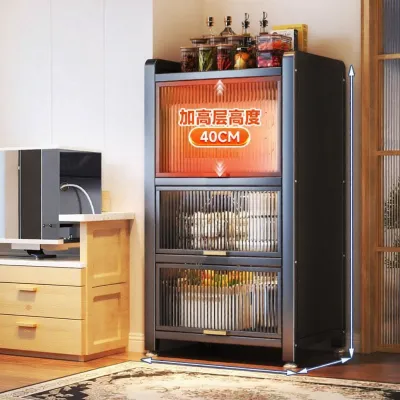
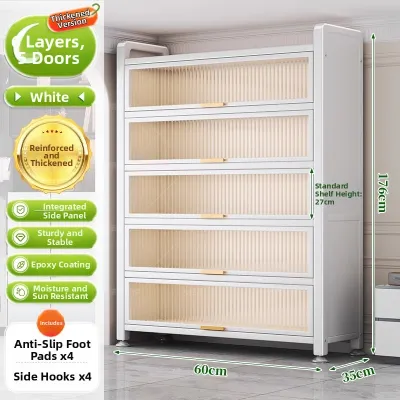
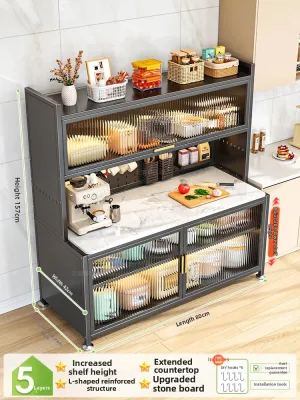
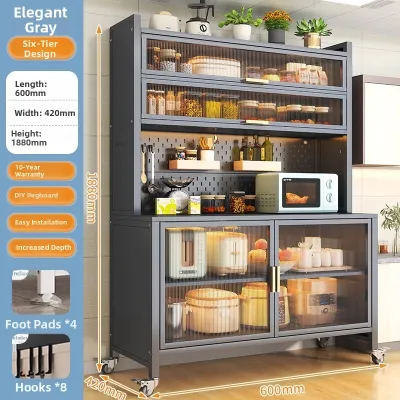
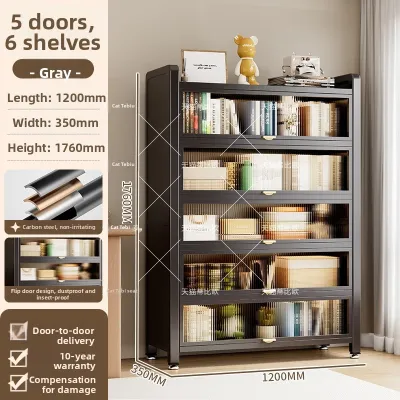
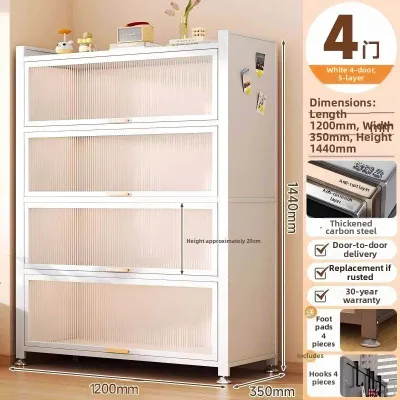
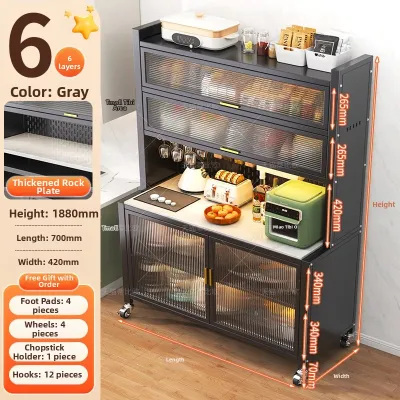
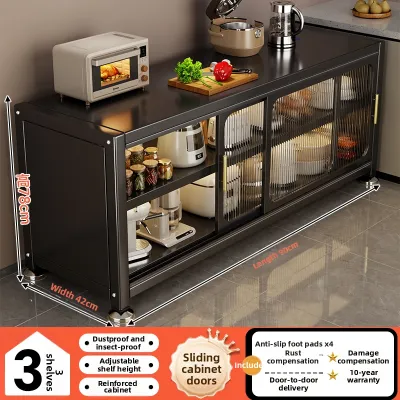
Prices are valid at publication and may change. Please refer to the product page for the latest price.
Hardware is another area where quality differences become apparent over years of daily use. Examine the brands of hinges and drawer slides used in the cabinet construction. Reputable hardware manufacturers design systems with integrated soft-close mechanisms and high load capacities. When visiting showrooms, physically open and close the display drawers, apply gentle downward pressure to test stability, and ask for the maximum weight capacity of the drawer runners. High-quality hardware ensures that heavy pots and pans can be stored safely without causing the drawers to sag or misalign.
Finally, pay close attention to the structural assembly of the cabinets. Some brands deliver pre-assembled modular carcasses, while others assemble the units on-site. Pre-assembled units often feature more consistent joint strength because they are put together under controlled factory conditions. Ask each brand about their joint construction methods, such as dowel or cam-lock systems, and verify how wall-mounted units are anchored to ensure they can safely support their contents over the long term.
Navigating Pricing Structures and Overall Value
Understanding how different kitchen cabinet brands structure their quotations is vital to avoiding unexpected costs during your renovation. In Singapore, kitchen cabinet pricing is commonly calculated using a “per run foot” (p.r.f.) or “per run meter” model, which typically covers standard base and wall cabinets. However, some international brands utilize a modular pricing system where each cabinet box, door, shelf, and accessory is priced individually. When comparing Dibiou with other brands, request a detailed breakdown to see exactly how your layout translates across these different pricing structures.

A standard quotation often includes basic finishes and standard cabinet heights, but customization can quickly increase the final cost. Ask vendors to clarify what is included in their baseline package. Surcharges frequently apply to non-standard cabinet depths, extra-tall wall units, glass-fronted doors, and premium surface finishes like anti-fingerprint laminates or matte acrylics. If your kitchen layout requires custom modifications to fit around structural pillars or uneven walls, verify whether these adjustments incur additional design or fabrication fees.
Countertops are another major component of the overall kitchen budget and are usually quoted separately from the cabinetry. Whether you prefer quartz, sintered stone, or solid surface materials, ensure the countertop quotation includes fabrication, sink cutouts, and installation. Additionally, clarify if there are extra charges for installing undermount sinks or backsplashes. Comparing these material costs side-by-side will give you a clearer picture of the total investment required for each brand.
Do not forget to factor in logistical and post-installation costs when finalizing your budget in S$. Some quotations may exclude delivery fees, installation labor, or the cost of dismantling and disposing of your existing kitchen cabinets. Furthermore, review the warranty terms associated with each price point. A slightly higher upfront cost from a brand that offers a comprehensive warranty on both the cabinetry and the hardware can represent better long-term value than a cheaper alternative with limited coverage.
Assessing Design Flexibility and Space Optimization
A successful kitchen renovation must balance aesthetic appeal with practical space optimization, particularly in Singapore’s compact HDB flats and condominiums. When comparing Dibiou to other popular brands, evaluate how well their design catalog aligns with your preferred interior style, whether that is a sleek modern minimalist look, a warm Japandi aesthetic, or a classic shaker-style kitchen. Look at the variety of door profiles, color palettes, and handle designs available, as these details define the overall character of your space.
Space optimization relies heavily on the availability of smart internal storage accessories. Standard shelves often lead to wasted space and hard-to-reach corners. Compare how different brands integrate pull-out pantries, corner carousels (such as LeMans units), and dedicated spice racks. These accessories maximize usable storage and improve accessibility, but they require precise cabinet dimensions to function smoothly. Check if the brand offers proprietary storage solutions or if their cabinets are compatible with third-party internal fittings.
The layout of your kitchen must also accommodate your specific cooking habits and appliance choices. If you plan to install built-in appliances like an oven, microwave, dishwasher, or integrated refrigerator, verify how each brand handles appliance integration. The cabinet carcasses must have adequate ventilation paths to prevent appliances from overheating, and the finished dimensions must match the appliance specifications precisely. Discuss these technical requirements with the brand’s design team to ensure seamless installation.
Additionally, consider how each brand addresses architectural challenges unique to your home. Structural pillars, exposed piping, and awkward corners are common in local residential layouts. A brand with high design flexibility can customize cabinet depths and angles to conceal these elements beautifully, whereas rigid modular systems may leave awkward gaps or require extensive on-site modifications by your main contractor.
Making Your Final Decision: Is Dibiou the Right Fit?
Deciding between Dibiou and alternative kitchen cabinet brands requires matching their specific strengths to your personal renovation priorities. Dibiou may be the right fit for your home if their design options align with your aesthetic vision, their pricing fits comfortably within your budget, and you have had a positive, transparent experience during your showroom visits. If you find a configuration that meets your functional needs and the brand’s material specifications satisfy your durability requirements, they represent a compelling option for your kitchen upgrade.
Conversely, you might want to explore alternative brands if your project demands highly specialized materials that are outside their standard catalog, or if you have strict timeline constraints that require a faster production turnaround. Homeowners seeking specific international certifications or highly specialized hardware systems may also benefit from comparing multiple vendors before signing a contract.
Before finalizing any agreement and making a deposit, use this “Verify First” checklist to protect your investment:
- Confirm Lead Times: Obtain a written commitment regarding the production and installation timeline, ensuring it aligns with your overall renovation schedule.
- Review Payment Milestones: Ensure the payment schedule is clearly outlined, typically split into a deposit, a progress payment upon material delivery, and a final payment after successful installation and inspection.
- Verify Material Specifications: Double-check that the exact core board materials, surface finishes, edge banding methods, and hardware brands discussed are explicitly listed in the contract.
- Assess Site Access: Confirm that the pre-assembled cabinet units can fit through your home's doorways and lift access, especially if you live in a high-rise development.
Frequently Asked Questions (FAQ)
How long does the typical production and installation process take?
The timeline for kitchen cabinet production and installation generally ranges from several weeks to a couple of months, depending on the complexity of your design, material availability, and the brand’s current order volume. Custom-made cabinets or imported materials naturally require longer lead times than standard modular units. To avoid project delays, request a detailed schedule from your vendor that outlines key phases, including final site measurement, design sign-off, manufacturing, delivery, and on-site installation. It is always wise to build a buffer period of at least one to two weeks into your overall renovation timeline to accommodate unexpected adjustments.
What should I look for in a kitchen cabinet warranty?
When reviewing a kitchen cabinet warranty, it is important to distinguish between coverage for the structural carcass and coverage for moving parts like hinges, drawer runners, and surface finishes. Structural warranties typically cover issues like sagging shelves or joint separation under normal use, while hardware warranties often cover mechanical failures. Carefully read the terms to identify common exclusions, such as damage caused by water leaks, improper cleaning agents, or general wear and tear. Always keep your signed contract, payment receipts, and official warranty documents in a safe place to ensure a smooth claims process if any issues arise in the future.

Community discussion
Share your experience or ask a question. Comments are reviewed before publication.