
Combining stackable plastic drawers with folding furniture offers a highly adaptable, space-saving solution for Singapore’s compact HDB flats. By pairing lightweight, modular drawer units with collapsible tables or desks, you can easily reconfigure your living room, study, or service yard to serve multiple purposes throughout the day. This approach allows you to reclaim valuable floor space when furniture is not in use, while keeping your daily essentials organized and accessible.
Assessing Space and Defining Your Storage Goals
Before purchasing any storage units or furniture, grab a measuring tape and map out your HDB flat’s layout. Measure the exact floor area where you plan to place the setup, paying close attention to vertical clearance under windows, air conditioning units, or wall-mounted fixtures. Don’t forget to measure walkway widths; you need to ensure that even when drawers are fully extended and folding furniture is deployed, there is still enough clearance to walk past comfortably.
Additionally, account for the swing path of nearby doors, wardrobe panels, or cabinet fronts. In tight HDB layouts, a drawer that cannot open fully because it hits a bedroom door frame defeats the purpose of accessible storage. Mark these boundaries on a rough floor plan before finalizing your purchase list.
Products mentioned in this guide
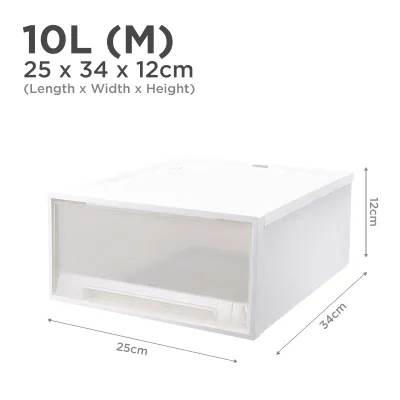
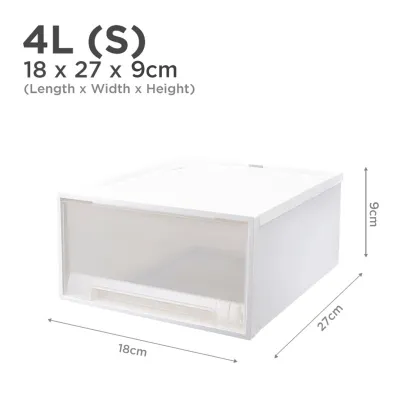
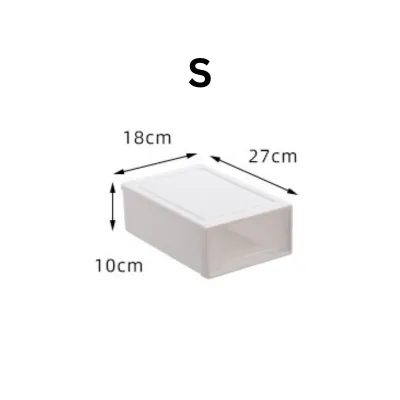
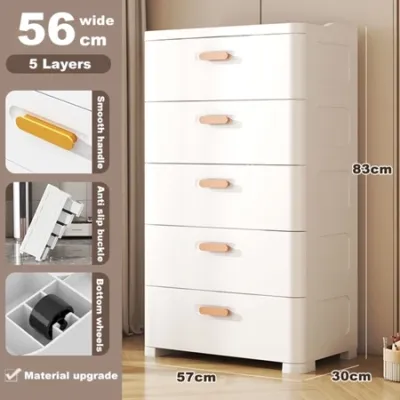
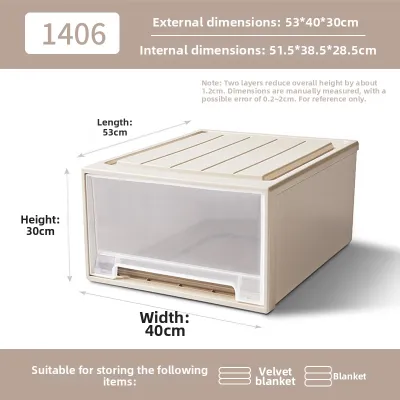
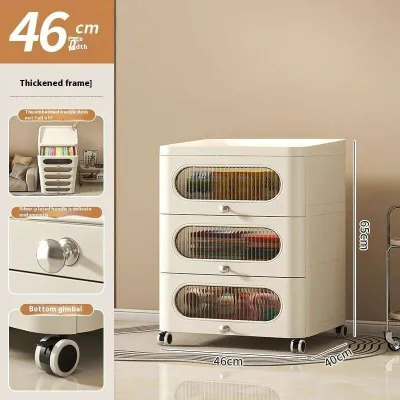
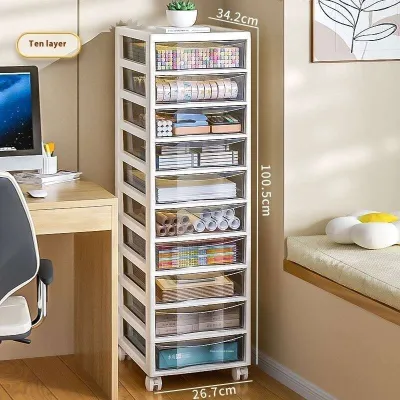
Prices are valid at publication and may change. Please refer to the product page for the latest price.
Next, analyze your household’s daily routines. If you work from home but also need a clear dining area in the evening, your setup must transition quickly between these modes. A workspace that folds away into a slim profile next to a stack of drawers can keep your professional life separate from your leisure hours.
Finally, take stock of the items you intend to store. Heavy books, kitchen appliances, and tools require different structural support than lightweight clothing, toys, or stationery. Group your belongings by weight and volume to determine the exact capacity and dimensions your storage system must accommodate.
Selecting Stackable Plastic Drawers for Modular Base Storage
Modular plastic drawers serve as the foundation of this flexible storage system. When shopping, look closely at the manufacturer’s specifications for interlocking mechanisms. High-quality modular drawers should lock securely into one another to prevent sliding or shifting when drawers are pulled open. Check the product labels for the recommended maximum stack height to ensure the column remains stable.

The footprint of the drawer unit must align with your available space and any adjacent furniture. Measure the depth and width of the drawers to confirm they will fit neatly under or beside your folding tables. Ensure that the drawer fronts have enough clearance to open fully without hitting table legs, walls, or other household obstacles.
Do not assume all plastic drawers are built the same. Examine the material thickness and look for reinforced frames or ribbed designs that resist bowing under weight. Always verify the load-bearing capacity specified by the manufacturer for both individual drawers and the top surface, especially if you plan to place items on top of the stack.
Consider the visual impact of the drawers on your room’s aesthetic. While transparent drawers make it easy to identify contents at a glance, opaque or tinted fronts offer a cleaner, less cluttered look in open living areas. Choose a style that balances visual neatness with functional visibility based on where the stack will be positioned.
Pairing with Folding Furniture for Dual-Purpose Surfaces
Integrating folding furniture requires careful coordination of dimensions. Compare the height of your stacked plastic drawers with the height of your folding desk or table. Ideally, the table surface should sit at a comfortable working height while remaining compatible with the height of adjacent drawer units for easy reach.
Consider the swing space required by different folding mechanisms. In tight HDB rooms, wall-mounted drop-leaf tables or gateleg tables that fold flat against the wall or drawer stack are highly efficient. Avoid designs that require wide clearance arcs or complex unfolding sequences that disrupt the surrounding layout.
Pay attention to the leg placement of your folding furniture. When unfolded, the legs must not block the drawer runners or prevent you from opening the drawers. Additionally, ensure the table’s weight capacity is sufficient for your laptop, monitor, or dining ware, and that its stability does not rely on leaning against lightweight plastic drawers.
Material compatibility also plays a role in long-term durability. Lightweight aluminum or wooden folding tables pair well visually and structurally with plastic storage. Ensure that any metal hinges or locking brackets on the folding furniture do not rub against the plastic drawer frames, which could cause scratches or structural weakening over time.
Designing and Adapting the Combined Layout
Creating an effective layout involves zoning your space for maximum utility. You can position a tall stack of plastic drawers as a functional room divider to separate a sleeping area from a study nook in a studio or 2-room flexi flat. Placing a folding table adjacent to this stack allows the drawers to act as an easily accessible side console during work hours.
To transition your space smoothly, establish a clear step-by-step routine. For instance, when shifting from work to leisure, clear the folding tabletop, fold it down against the wall or drawer side, and slide your office chair into a designated corner. Keeping frequently used work items in the top drawers of your stack makes this daily transition fast and effortless.
Maximize vertical space by stacking drawers higher in corners while keeping lower stacks near seating areas where they can double as side tables. This stepped layout keeps the room feeling open and airy rather than boxed in by heavy, monolithic furniture pieces. It also allows natural light from your HDB windows to penetrate deeper into the living space.
The beauty of a modular system is its ability to evolve with your household needs. If you transition from a home office to a nursery, you can easily disassemble the drawer stacks, reconfigure them into lower, wider storage units, and store the folding desk away. This adaptability ensures your furniture investment remains useful for years to come.
Safety, Stability, and Maintenance Checks
Safety is paramount when combining lightweight plastic drawers with moving furniture parts. If you stack drawers above chest height, secure them to the wall using appropriate anchors or anti-tip straps to prevent accidental tipping. This is especially important if you have young children or pets in the home.
Regularly inspect the physical layout to ensure folding legs do not create tripping hazards in high-traffic walkways. Verify that the path of the folding furniture does not put pressure on the plastic drawer frames, which could cause them to warp or crack over time.
Always distribute weight logically within your drawer stacks. Place heavier items, such as files, tools, or spare linens, in the bottom drawers to lower the center of gravity and increase overall stability. Keep lightweight items like stationery, cables, and documents in the upper drawers to minimize the risk of top-heavy tipping.
Establish a simple monthly maintenance routine. Check the plastic interlocking joints for signs of stress or wear, wipe down the drawer tracks to remove dust and debris that can cause sticking, and inspect the hinges of your folding furniture to ensure they operate smoothly.
Frequently Asked Questions (FAQ)
Can I place a folding table directly on top of stacked plastic drawers?
It is generally not recommended to place a folding table directly on top of stacked plastic drawers unless the manufacturer explicitly states the drawers are rated for heavy top-loading. Standard plastic drawers can warp or collapse under uneven weight distribution. If you must use the top of a drawer stack as a support surface, check the manufacturer’s load limits and place a rigid, load-spreading board across the top to distribute the weight evenly.
How do I prevent plastic drawers from sliding on smooth HDB flooring?
Smooth HDB flooring, such as polished tiles or vinyl, can cause lightweight plastic drawers to slide when you pull them open. To stabilize your storage system, check if the drawer base has built-in rubber grips or non-slip feet. If not, you can place a cut-to-size removable anti-slip mat or heavy-duty rubber furniture grippers underneath the bottom drawer unit to keep the stack firmly in place without damaging your floor finish.

Community discussion
Share your experience or ask a question. Comments are reviewed before publication.