
Blum’s space optimization solutions consist of an integrated ecosystem of motion technologies, specialized drawer runners, lift systems, and modular internal organizers designed to maximize the usable volume of kitchen cabinets. Instead of relying on traditional deep shelves that create hard-to-reach dead zones, these systems use full-extension hardware and ergonomic lift mechanisms to bring the entire contents of a cabinet into clear view and easy reach.
By customizing cabinets with these hardware components, homeowners can transform awkward corners, high wall units, and deep base cabinets into highly functional storage zones. Achieving this level of efficiency requires matching specific hardware specifications, such as load capacities and clearance dimensions, to your kitchen’s layout and daily usage patterns.
Base Cabinet Drawer Systems and Load Specifications
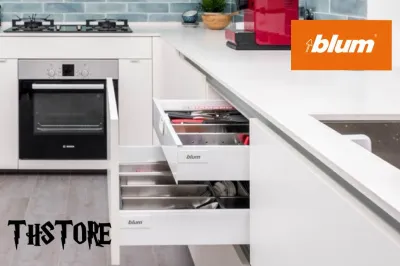
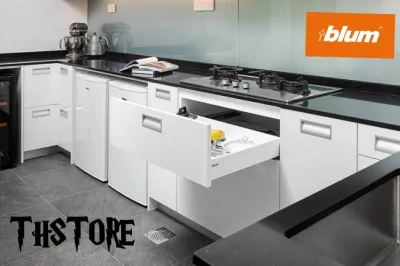
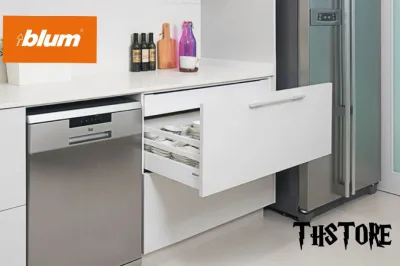
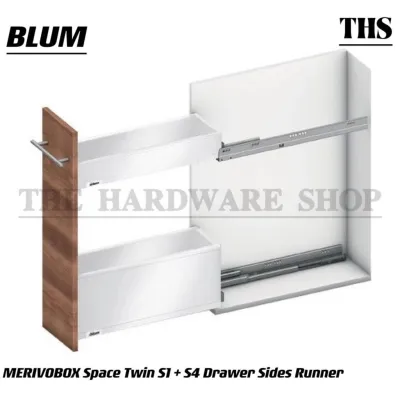
Base cabinets are the workhorses of the kitchen, but traditional fixed shelves often force you to bend down and rummage through dark corners. Replacing standard shelves with full-extension drawer systems completely changes how you interact with your storage. Full-extension runners allow the entire drawer to glide completely out of the cabinet carcass, exposing items stored at the very back.
Products mentioned in this guide
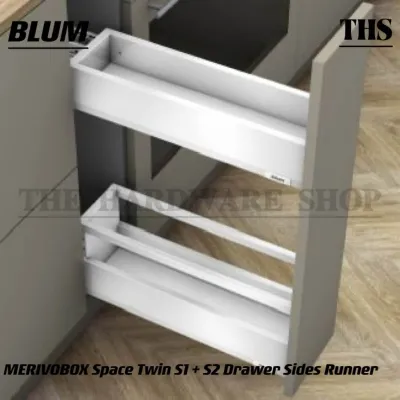
Prices are valid at publication and may change. Please refer to the product page for the latest price.
When planning base cabinet drawers, the height of the drawer side panels is a critical specification. Low-profile sides are ideal for cutlery and shallow utensils, while high-walled drawer systems prevent tall items like pots, pans, and dry food containers from tipping over when the drawer is opened or closed.
Before finalizing your cabinet design, you must verify the manufacturer’s dynamic load ratings for the specific runner system you select. Standard runners might support lighter daily items, but heavy-duty drawers intended for cast-iron cookware or stacks of ceramic plates require runners rated for higher weight capacities.
It is also essential to check the maximum cabinet width limits recommended by the hardware manufacturer. Overextending a drawer’s width beyond these specifications can cause the runners to sag, leading to misalignment, rough gliding, or premature track failure. Always cross-reference your planned drawer dimensions with the official technical datasheets.
Wall Cabinet Lift Mechanisms and Clearance Requirements
Wall cabinets offer valuable storage, but standard hinged doors can be hazardous when left open and often restrict movement in tight kitchen layouts. Lift mechanisms solve this by moving cabinet fronts upward and out of the user’s workspace, allowing unrestricted access to overhead storage.

These systems come in several configurations, including lift-up, fold-up, and swing-up mechanisms, each requiring a different spatial footprint. For example, a fold-up system splits the door panel horizontally as it rises, making it highly suitable for kitchens with standard ceiling heights, whereas a single-panel lift-up system requires significant vertical clearance directly above the cabinet.
To ensure safe and reliable operation, you must verify the exact weight of your cabinet doors, including any handles. Lift mechanisms rely on calibrated tension to hold the door open at any position; if the door is too heavy or too light for the selected mechanism, the door may slam shut or spring upward too violently.
Additionally, carefully check overhead clearance, ceiling height, and the placement of ceiling-mounted light fixtures or decorative cornices. A collision between a rising cabinet front and a low-hanging pendant light can damage both the hardware and your kitchen fixtures.
Tall Cabinets and Internal Organization Solutions
Tall pantry cabinets provide massive storage potential, but deep shelves often lead to forgotten, expired items at the back. Full-height pull-out systems solve this by allowing individual drawers to be pulled out independently, giving you three-sided access to stored goods without moving other items out of the way.
For kitchens looking to utilize every square inch, plinth drawers can turn the dead space in the toe-kick area beneath base cabinets into functional storage. Integrating these systems requires strict adherence to structural guidelines to ensure the cabinet carcass remains stable and level when the lower drawer is fully extended and loaded.
To keep these deep drawers orderly, modular internal organization systems can be inserted to divide the space. These dividers, trays, and frames must be matched precisely to the specific drawer side profiles and internal dimensions to prevent sliding or rattling.
When planning a tall pantry or a specialized pull-out, always check the minimum internal cabinet width and depth required by the hardware. Standard cabinet carcasses may need to be adjusted during the customization phase to accommodate the mounting brackets and runner tracks.
Planning Your Cabinet Customization with Blum Hardware
Successful kitchen customization relies on precise planning and clear communication with your kitchen designer or carpenter. Before purchasing any hardware, verify your internal cabinet dimensions—including width, depth, and height—against the minimum and maximum installation requirements of your chosen Blum systems.
The structural integrity of your cabinets is equally important. Confirm that the cabinet material, panel thickness, and joint construction can securely support the mounting screws and the dynamic loads of fully loaded drawers or heavy lift doors.
Always request the official technical specification sheets for the exact hardware models you intend to use. Relying on general estimations can lead to costly installation errors, misaligned doors, or drawers that do not close flush.
If you are planning a modern, handle-less kitchen design, remember to account for mechanical or electrical opening support systems. These mechanisms often require additional clearance behind the drawer back or beneath the cabinet bottom, which must be factored into the overall cabinet depth and carcass construction.
Frequently Asked Questions (FAQ)
Can Blum space optimization systems be retrofitted into existing cabinets?
Yes, retrofitting is possible, but it requires careful measurement of your existing cabinet’s internal clearances and an assessment of the panel integrity. You must ensure the cabinet walls are perfectly square and strong enough to hold the new runner tracks or lift brackets. While modular internal organizers can easily be added to existing drawers, replacing old hinges or drawer runners with high-performance systems may require professional modification of the cabinet carcass.
Do Blum lift systems require electrical power to operate?
Standard Blum lift systems are entirely mechanical, utilizing engineered spring packages and tension adjustments to assist with lifting and holding the cabinet doors in place. They do not require any electrical wiring or power sources. However, if you choose to install optional motion support systems for touch-to-open functionality, you will need to plan for dedicated electrical outlets and cable routing behind or inside the cabinets.

Community discussion
Share your experience or ask a question. Comments are reviewed before publication.