
Choosing the right stool chair with cushion for your kitchen counter or home bar is a decision that shapes both the visual flow of your living space and the physical comfort of your daily routine. The choice between backless, low-back, and full-back designs is not merely about aesthetics; it directly dictates how long you can comfortably sit, how easily people can move through your kitchen, and how spacious your room feels. While backless stools offer a sleek, minimalist profile that tucks away completely to preserve open sightlines, full-back models provide the robust ergonomic support necessary for long meals, remote work, or extended socializing. Low-back options sit comfortably in the middle, offering a touch of lumbar support without dominating the room’s visual landscape. Finding the perfect balance requires evaluating your household’s daily habits, the physical dimensions of your counter, and the specific layout of your home.
Visual Impact and Space Requirements for Each Style
The visual weight of your seating plays a major role in how spacious and inviting your kitchen or bar area feels. Backless cushioned stools are the ultimate choice for minimalist design and space optimization. Because they lack any vertical structure rising above the seat, these stools can be slid entirely underneath the counter overhang when they are not in use. This makes them exceptionally well-suited for narrow walkways, high-traffic kitchen zones, and open-concept layouts where you want to maintain uninterrupted sightlines across the room. By keeping the counter area clear of vertical barriers, backless stools allow natural light to flood the space and make even compact kitchens feel larger and more open.
Low-back cushioned stools offer a subtle, sophisticated compromise by introducing a gentle visual boundary without blocking views or light. The low-profile backrest, which typically rises only a few inches above the cushioned seat, provides a clean horizontal line that defines the dining area. This style adds a touch of modern architectural interest to your kitchen island, serving as a stylish accent rather than a dominant feature. While they cannot be tucked completely out of sight like backless models, their low height allows them to sit partially under the counter, keeping walkways relatively clear. They are ideal for homeowners who want their seating to have a distinct presence without overwhelming the surrounding decor.
Products mentioned in this guide
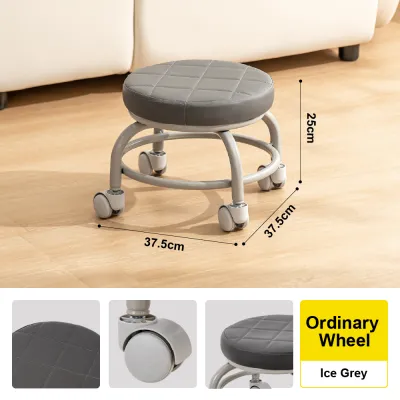
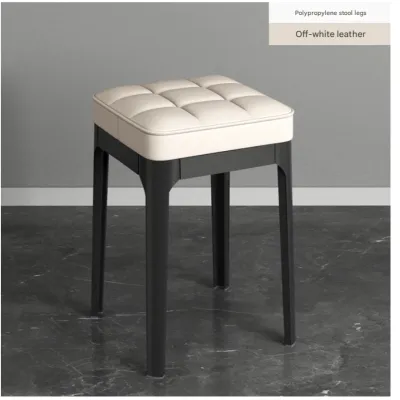
![[SG SELLER] Premium Stackable Stool with PU Leather Cushion | Modern Seating Space-Saving Home & Office Stool Chair](https://img.lazcdn.com/g/p/7a8285f91b2e1e6495f564ecf0d5444e.png_400x400q80.png_.webp)
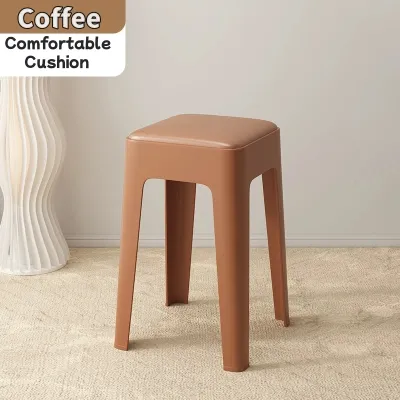
Prices are valid at publication and may change. Please refer to the product page for the latest price.
Full-back cushioned stools function as substantial furniture pieces that make a strong design statement. With high backrests that resemble traditional dining chairs, these stools add significant visual weight and can establish the design theme of the entire room, whether it is rustic, industrial, or classic contemporary. However, this prominent profile means they require ample physical and visual breathing room. Full-back stools cannot be tucked under the counter, meaning they will always remain fully visible and will occupy space in your walkways. In smaller or darker kitchens, a row of high-back stools can create a visual barrier that makes the room feel cramped and partitioned, so they are best suited for spacious, open areas with plenty of clearance.
Ergonomic Comfort and Daily Usage Scenarios
The level of back support your stools provide determines how your family and guests will utilize the counter space. Backless cushioned stools are designed for short-duration, casual activities. They are perfect for grabbing a quick morning coffee, eating a fast breakfast, or sitting down briefly to chat with whoever is cooking. However, because they offer no lumbar support, sitting on them for extended periods requires your core muscles to work constantly to maintain posture, which can lead to fatigue and discomfort. On the positive side, the lack of a backrest allows you to mount and dismount the stool from any direction, making them highly convenient for active households where people are constantly moving in and out of the kitchen.

Low-back cushioned stools introduce basic lower lumbar support, making them far more comfortable for moderate daily use. The short backrest provides a physical stop that helps align the lower spine, reducing the slouching that often occurs on backless models. This makes them highly suitable for everyday family life, such as casual dinners, kids doing homework at the counter, or hosting friends for a casual drink. While they do not offer the relaxed, lean-back comfort of a full-sized chair, they provide enough stability and support to make sitting for an hour or two highly enjoyable.
Full-back cushioned stools deliver maximum ergonomic comfort, making them the undisputed choice for long-duration seating. If your kitchen island doubles as a home office, or if you regularly host long, multi-course dinner parties at the bar, a full-back design is essential. The high backrest supports the entire upper body, allowing you to relax your shoulders and lean back fully. To ensure this comfort is realized, it is important to look beyond material names and verify the physical construction of the stool chair with cushion. Check the manufacturer’s specifications for high-density foam filling that retains its shape, sturdy internal framing, and well-placed footrests, which are crucial for relieving pressure on your thighs and lower back during extended sitting. Inspect the quality of the seams and upholstery care instructions to ensure the stool can handle daily wear while maintaining its supportive cushioning.
Essential Dimensions and Safety Checks Before Buying
Before purchasing any stool chair with cushion, taking precise measurements of your space is critical to ensure safety, comfort, and functionality. Start by measuring the vertical distance from the floor to the underside of your counter or bar top. For a standard kitchen counter (typically around 90 centimeters high), you will need counter-height stools with a seat height of 60 to 65 centimeters. For taller bar counters (usually around 105 centimeters), look for bar-height stools with a seat height of 75 to 80 centimeters. Maintaining a clearance of 25 to 30 centimeters between the top of the seat cushion and the underside of the counter is essential to allow comfortable legroom and prevent your thighs from being pressed against the counter structure.
Next, calculate the horizontal footprint and spacing to ensure your stools fit comfortably side-by-side. Measure the total length of your counter and plan for at least 15 centimeters of space between each stool, plus an additional 15 centimeters of clearance on each end. This spacing allows guests to turn, eat, and converse without bumping elbows. If you are choosing full-back or wide-base stools, verify that the total depth of the stool—including the protrusion of the backrest—does not extend too far into your kitchen’s main walkways when pushed in. Stools that stick out excessively can create a persistent tripping hazard, particularly in busy households.
Stability and structural safety are paramount, especially for elevated seating. Check the manufacturer’s specifications for weight capacity and look for designs with a wide, stable base to prevent tipping. If you are opting for stools with swivel mechanisms or adjustable gas lifts, verify that the movement is smooth, quiet, and can be locked if necessary. It is also vital to inspect the bottom of the stool legs or base for protective elements. Look for high-quality felt pads, rubber rings, or non-marking glides that will protect your flooring from scratches and scuffs when the stools are moved. This is particularly important for heavy metal or solid wood stools used on delicate hardwood or polished tile floors.
Decision Framework: Choosing the Right Style for Your Home
To make the final decision, evaluate your home’s physical layout alongside your household’s lifestyle needs.
Choose a backless stool chair with cushion if:
- Your kitchen has narrow walkways or a small footprint where maximizing floor space is a priority.
- Your counter overhang is shallow, making it impossible to tuck in stools with backrests.
- You prefer a clean, minimalist aesthetic with completely unobstructed sightlines across your living area.
- Seating at the counter is strictly casual and limited to short intervals, such as quick breakfasts or brief chats.
Choose a low-back cushioned stool if:
- You want a balance between a streamlined visual profile and basic physical comfort.
- Your family uses the counter for everyday activities like quick meals, homework, or casual socializing.
- You want to define the dining area visually without blocking natural light or views through the room.
- Your counter overhang is deep enough to allow the stool to tuck in partially.
Choose a full-back cushioned stool if:
- Your kitchen island or bar serves as a primary dining area or a dedicated workspace where you sit for hours.
- You prioritize maximum ergonomic support, including full back and shoulder relaxation.
- Your kitchen is spacious, well-lit, and has wide walkways that can easily accommodate the larger physical and visual footprint.
- You want to make a bold design statement with prominent, high-quality furniture pieces.
Before purchasing, always verify the depth of your counter overhang. If the overhang is shallow, full-back or wide-base stools will not tuck in properly, leaving them protruding into the room where they can block traffic and create safety hazards.
Frequently Asked Questions (FAQ)
How much overhang is needed for comfortable knee clearance?
For comfortable seating, a standard kitchen counter requires an overhang depth of at least 30 centimeters to provide adequate knee clearance. If your counter overhang is shallower than this, sitting on a low-back or full-back stool can force you to sit sideways or lean forward awkwardly, which can lead to back strain over time. For counters with very shallow overhangs, backless stools are often the most practical solution, as they allow you to sit closer to the edge without your knees hitting the cabinetry beneath, maximizing the usable seating space.
Are backless cushioned stools harder to clean than those with backs?
The ease of cleaning depends primarily on the upholstery material and construction details rather than the presence of a backrest. However, backless stools can sometimes be easier to maintain simply because they have less surface area and fewer joints or crevices where crumbs, dust, and debris can accumulate. When choosing any stool chair with cushion, check the fabric care labels for spot-cleaning limits and look for tightly sealed seams. For high-use kitchen environments, opting for wipeable materials or performance fabrics with stain-resistant finishes will make routine maintenance much simpler, regardless of the stool’s backrest style.

Community discussion
Share your experience or ask a question. Comments are reviewed before publication.