
Selecting the perfect dining chair with arm involves balancing visual weight, material texture, and line continuity with your existing decor. The right arm style acts as a bridge between your dining table and the surrounding room, transforming a purely functional seat into a deliberate design statement. By matching the arm profile—whether curved, angular, upholstered, or wooden—to your interior theme, you create a cohesive, inviting space that feels both curated and comfortable.
Beyond aesthetics, this choice directly impacts how you use your dining area. Armchairs naturally encourage longer, more relaxed meals, making them ideal for homes where the dining table doubles as a workspace or a social hub. However, because armchairs occupy more physical and visual space than armless options, selecting the right style requires a careful look at your room’s dimensions and existing furniture.
Identify Your Dining Room's Dominant Design Style
Before browsing chair designs, take a close look at your current dining space to establish a clear design baseline. Start by auditing your dining table, as it is the anchor of the room. Note its material, the shape of its legs, and its overall visual weight—a heavy, solid oak table demands a very different chair profile than a sleek, glass-topped table with thin metal legs.
Products mentioned in this guide
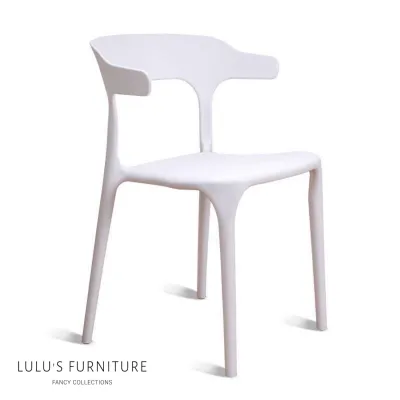
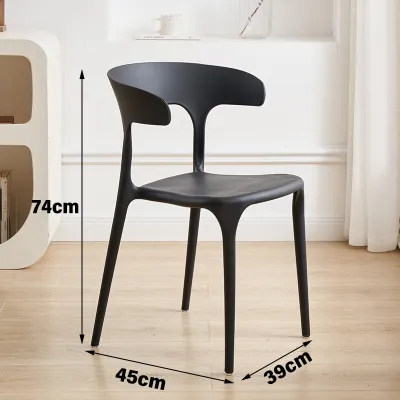


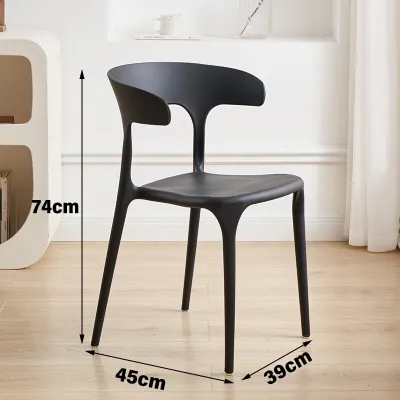
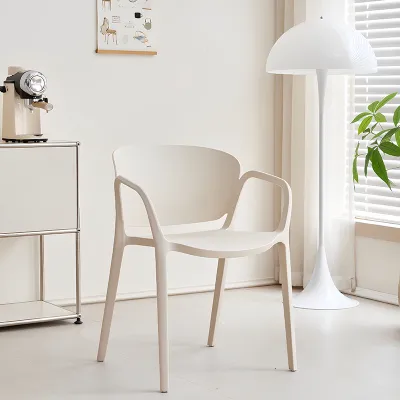
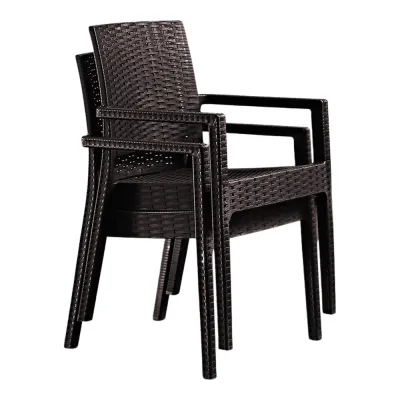
Prices are valid at publication and may change. Please refer to the product page for the latest price.
Next, observe the architectural lines of the room itself. Look at the surrounding doorways, windows, and built-in cabinetry. If your home features arched entryways or rounded niches, incorporating curved elements in your seating can reinforce those architectural details. Conversely, sharp rectangular windows and minimalist built-in units often pair better with clean, geometric lines.
Finally, identify the primary design theme of your home, whether it is contemporary, mid-century modern, rustic, or eclectic. This theme will guide your choice of arm style, helping you narrow down options that naturally complement your space rather than competing with it. By aligning your seating with these existing elements, you ensure the final look feels intentional and balanced.
Curved Arms: Softening Edges in Transitional and Eclectic Spaces
Curved arms bring a sense of fluidity and grace to a dining room, making them excellent for softening rigid geometries. In many modern apartments, dining areas are dominated by hard, straight lines from rectangular tables, square floor tiles, and linear cabinetry. Introducing chairs with sweeping, rounded armrests breaks up this visual stiffness, adding a welcoming, organic feel to the layout.

These flowing profiles pair exceptionally well with pedestal tables, round or oval dining surfaces, and spaces that already feature curved architectural details. The gentle slope of a curved arm mimics the natural contours of the body, creating a relaxed visual rhythm that draws the eye through the room. This makes them highly suitable for transitional spaces that blend classic and contemporary elements, as well as eclectic interiors where diverse shapes coexist.
When selecting curved armchairs, pay close attention to the construction and material quality. Bentwood frames or molded designs rely heavily on the integrity of their joints and the quality of the manufacturing process. Inspect the connection points where the arm meets the backrest and seat to ensure there is no structural play or weakness.
Additionally, consider how the curve affects the chair’s overall footprint. Some curved designs flare outward, which can require more clearance than straight-sided alternatives. Ensure your dining area has enough breathing room so these elegant curves can be fully appreciated without making the space feel cramped.
Angular Arms: Reinforcing Lines in Modern and Minimalist Rooms
For homes defined by clean lines and structured layouts, angular arms offer a striking, architectural look. These geometric profiles—featuring sharp 90-degree angles or crisp, sloping diagonals—reinforce the linear elements of modern, minimalist, and industrial interiors. They align beautifully with rectangular dining tables, linear pendant lighting, and minimalist metal or wooden frames.
Angular armchairs excel at creating a sense of order and symmetry. Their clean silhouettes keep the dining area looking tidy and uncluttered, which is particularly beneficial in open-plan living and dining spaces. This style is a natural fit for mid-century modern decors, where structural honesty and geometric forms are celebrated.
However, because angular designs can sometimes feel visually stark, it is important to balance their sharp lines with tactile comfort. Look for options that incorporate subtle ergonomic details, such as a slight slope on the armrest or a gently contoured seat. Verify that the height and angle of the armrest allow your arms to rest naturally without forcing your shoulders upward or digging into your wrists during meals.
Material choice also plays a key role in how angular chairs are perceived. Matte black metal frames with angular arms offer a sleek, industrial edge, while solid walnut or teak frames soften the geometric look with natural wood grain. Whichever material you choose, ensure the edges are smoothly finished to prevent any discomfort when sitting for extended periods.
Upholstered Arms: Adding Texture and Comfort to Formal or Cozy Settings
Upholstered arms represent the height of comfort and luxury in dining seating, making them a favorite for formal dining rooms and cozy, maximalist spaces. By wrapping the entire armrest in fabric or leather, these chairs introduce a soft, tactile element that contrasts beautifully with hard surfaces like marble, glass, or polished stone tables. They bring an inviting, living-room-like comfort to the dining table, encouraging guests to linger long after the meal has ended.
This style is highly versatile, fitting seamlessly into traditional, glam, or plush contemporary settings. The choice of upholstery fabric allows you to introduce rich textures, subtle patterns, or bold accent colors into your dining room. Whether you prefer the classic look of button-tufted linen or the sleek appeal of top-grain leather, upholstered arms add undeniable visual warmth and depth.
Despite their aesthetic appeal, upholstered armchairs require careful consideration regarding maintenance, especially in busy households. Because armrests are frequently touched by hands that may carry traces of food or oils, they are highly susceptible to staining and wear. Before purchasing, check the manufacturer’s cleaning codes and look for performance fabrics that offer built-in stain resistance or water repellency.
In homes with young children or pets, fully upholstered chairs can present a practical challenge. Regular vacuuming with an upholstery attachment is necessary to keep dust and crumbs from settling into the seams, and prompt spot cleaning is essential for spills. If you love the look but worry about upkeep, consider leather or high-quality synthetic alternatives that can be easily wiped down with a damp cloth.
Wooden Arms: Introducing Warmth to Rustic, Farmhouse, or Mid-Century Decor
Wooden arms bring an organic, grounding warmth to the dining room, celebrating the natural beauty of timber grains and craftsmanship. This style is a cornerstone of rustic, farmhouse, Scandinavian, and Japandi design themes, where natural materials and simplicity take center stage. A wooden armchair can either match your dining table’s wood species for a unified look or feature a contrasting tone to create visual interest and depth.
The tactile experience of smooth, polished wood underhand adds a comforting, sensory element to daily meals. Wooden arms can range from thick, rustic blocks to slender, tapered spindles, allowing you to choose a profile that matches the visual weight of your other furniture. In smaller dining areas, slender wooden arms maintain a sense of openness by allowing light and sightlines to pass through the chair frame.
When evaluating wooden armchairs, it is crucial to inspect the surface finish and sealant. Dining chairs are exposed to frequent handling, occasional spills, and temperature fluctuations from hot plates. Ensure the wood is treated with a high-quality, durable sealant that protects against moisture, oils, and minor scratches while remaining easy to clean with a soft, dry, or slightly damp cloth.
One limitation of solid wood arms and seats is that they lack the built-in cushioning of upholstered models. If you enjoy hosting long dinner parties, look for wooden armchairs with contoured seats designed to distribute weight evenly, or consider adding custom tie-on seat cushions. This allows you to enjoy the timeless beauty of wood without sacrificing the comfort needed for extended seating.
Essential Fit and Clearance Checks for Armchairs
Choosing the right style is only half the battle; ensuring a proper physical fit is essential to avoid costly return fees and daily frustration. Unlike armless chairs, which can easily slide under almost any table, armchairs require precise measurements to guarantee they function well within your space.
The most critical measurement is the clearance between the top of the armchair’s armrests and the underside of your dining table’s apron or tabletop. To allow the chair to slide fully under the table when not in use, there should be a minimum clearance of 5 to 10 centimeters. If the arms are too high, the chair will stick out into the room, blocking walkways and reducing valuable floor space.
Next, measure the horizontal distance between the table legs. Armchairs are wider than armless chairs, often measuring between 55 and 65 centimeters in width. You must ensure that the chairs can fit comfortably between the table legs without bumping into each other or the table structure. If you plan to place multiple armchairs side-by-side along the length of the table, allow at least 15 centimeters of space between each chair to prevent elbow collisions during meals.
Additionally, consider the overall spatial footprint of the chairs when they are occupied. Guests need enough room to pull the chair back, sit down, and push themselves in comfortably. This action typically requires about 90 centimeters of clear floor space behind each chair. If your dining room is compact, heavy armchairs can be difficult to maneuver; look for lighter frames or chairs equipped with high-quality floor glides to protect your flooring from scratches.
Frequently Asked Questions (FAQ)
Can I mix armchairs and armless chairs at the same dining table?
Yes, mixing armchairs and armless chairs is an excellent way to create visual interest and a sense of hierarchy in your dining room. The most common and effective strategy is to place two matching armchairs at the head and foot of the table (the host chairs) while using armless chairs along the sides. This arrangement anchors the ends of the table and adds a touch of formality. To maintain a cohesive look, ensure all chairs share at least one unifying element, such as matching wooden frames, identical seat heights, or a shared upholstery color palette.
How do I measure my dining table for armchair compatibility?
To verify compatibility, start by measuring the vertical distance from the floor to the lowest point beneath your table, which is usually the bottom of the table apron. Write this number down as your maximum allowable armrest height. Next, measure the horizontal clearance between the table legs at the height of the chair arms, as some table legs taper inward. Finally, compare these dimensions against the manufacturer’s specifications for the chair’s total width and armrest height, leaving a comfortable margin for hands and movement.

Community discussion
Share your experience or ask a question. Comments are reviewed before publication.