
The actual capacity of a shoe rack with cover depends on both the physical dimensions of the unit and the specific types of footwear you plan to store. While a manufacturer might advertise a specific pair capacity, bulky sneakers, high heels, and boots occupy significantly more space than flat sandals or slippers. To find the perfect fit for your home, you must systematically audit your collection, measure the internal shelf dimensions, and verify the physical footprint against your available entryway space.
How to Calculate Your Actual Shoe Storage Needs
Before browsing online marketplaces or local furniture showrooms, you need an accurate count of the footwear that will live in the rack. Start by sorting your collection into daily rotation items and seasonal or occasional footwear. Daily shoes require the most accessible shelves, while formal shoes, boots, or off-season footwear can occupy the top, bottom, or deeper sections of the cabinet.
Next, categorize your shoes by their physical profiles. Standard flats, sandals, and canvas shoes have a low profile and narrow width, allowing you to pack them closely together. In contrast, bulky running shoes, high heels, and ankle boots require more vertical clearance and horizontal space. If you store these larger items without planning, you may find your rack’s actual capacity cut by a third compared to the manufacturer’s estimate.
Products mentioned in this guide
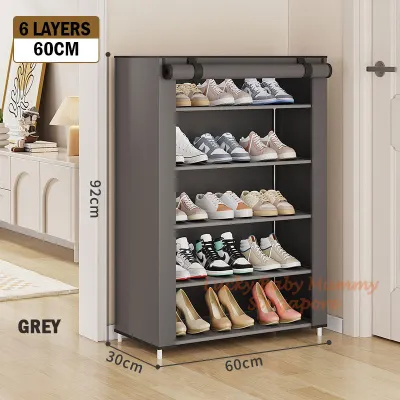
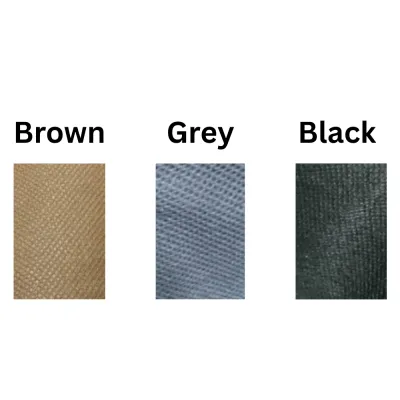
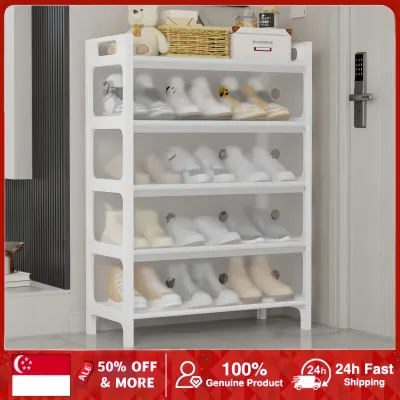
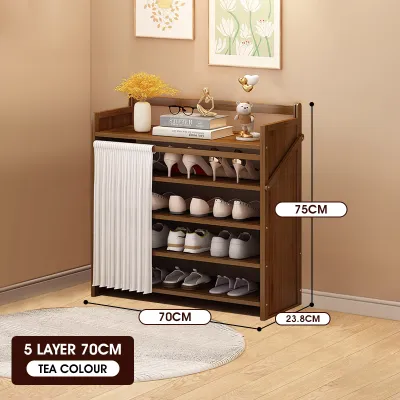
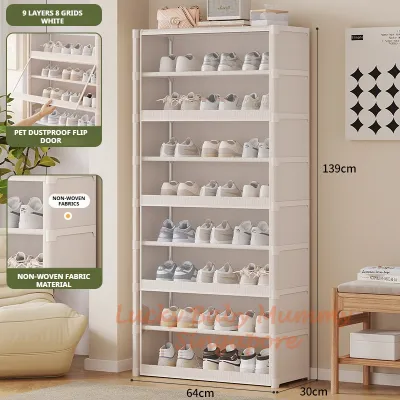
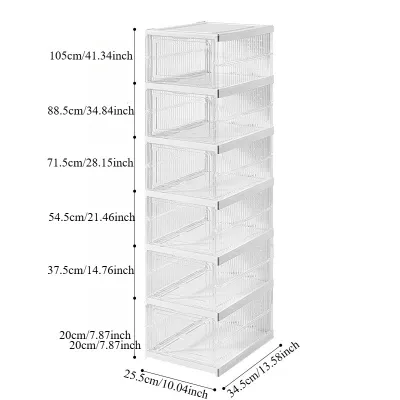
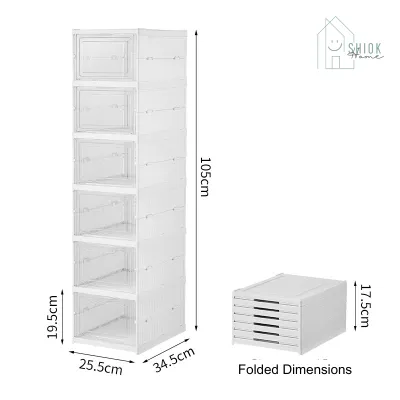
Prices are valid at publication and may change. Please refer to the product page for the latest price.
Finally, account for household growth and shared storage dynamics. If you live with family members or flatmates, assign a specific number of tiers to each person to prevent clutter. It is wise to plan for a buffer of at least twenty percent beyond your current collection size to accommodate future purchases or guests visiting your home.
Understanding Shelf Dimensions and Tier Configurations
To estimate how many pairs will fit on each tier, you must evaluate the internal shelf width rather than the external cabinet width. A standard pair of adult shoes typically requires between 20 to 25 centimeters of horizontal space. Divide the usable internal width of a single shelf by this range to get a realistic estimate of how many pairs can sit side-by-side on one level.

The vertical spacing between shelves determines what types of footwear you can store. Fixed shelves with a height of 15 to 18 centimeters are ideal for flats, loafers, and standard sneakers. However, if your collection includes high heels, mid-calf boots, or high-top sneakers, look for units featuring adjustable or removable shelves. This flexibility allows you to customize the interior layout to match your specific shoe heights.
Do not forget that the external cover and frame structure reduce the usable internal space. Zippered fabric covers, sliding doors, and hinged wooden doors all consume a portion of the cabinet’s depth and width. Ensure you check the manufacturer’s specifications for internal usable depth, which should ideally be at least 30 to 35 centimeters to accommodate larger shoe sizes without bending the heels or pressing against the closed cover.
Measuring Your Floor Space and Clearance Requirements
A covered shoe rack must fit comfortably within your entryway or corridor without creating a physical bottleneck. Begin by measuring the maximum width, depth, and height of the designated floor space. In Singapore apartments, such as HDB flats or condominiums, entryway space is often limited, making it crucial to keep walkways clear for daily traffic and emergency evacuation.
Beyond the physical footprint of the closed unit, you must account for door swing clearance and accessibility. If the shoe rack features hinged doors, measure the arc of the door swing to ensure it does not strike nearby walls, main entrance doors, or household appliances. For tight corridors, sliding doors or roll-up fabric covers are excellent alternatives that do not require extra front clearance to open.
Additionally, check for structural obstructions along your walls and floors. Baseboards can prevent a flat-backed shoe rack from sitting flush against the wall, which may require you to anchor the unit or choose a model with a recessed back. If you are selecting a tall, multi-tier covered unit, verify the ceiling height and ensure the rack does not block light switches, intercom panels, or electrical outlets.
Matching Rack Capacity to Household Sizes and Layouts
Selecting the right tier count and overall dimensions depends heavily on your household size and the layout of your home. For single occupants, a compact three-to-four-tier shoe rack with cover is usually sufficient, comfortably holding nine to twelve pairs of daily footwear. This size fits easily into small entryways or behind doors without dominating the space.
Couples generally require a medium-sized unit with five to six tiers, providing storage for fifteen to eighteen pairs. If your entryway wall space is narrow, prioritize vertical storage by choosing a taller, slimmer unit that utilizes height rather than floor area. Conversely, if you have a wider foyer, a low, wide cabinet can double as an entryway console table for keys and decorative items.
For larger families or avid shoe collectors, a heavy-duty cabinet with seven or more tiers or a modular, stackable system is highly recommended. Modular designs allow you to expand your storage capacity incrementally as your collection grows. When choosing a large unit, ensure the frame is stable and check if the manufacturer recommends anchoring the rack to the wall to prevent tipping.
Common Capacity and Sizing Mistakes to Avoid
One of the most frequent mistakes buyers make is ignoring the thickness of the cover material and the internal support frame. A fabric cover with thick zippers or a wooden cabinet with robust corner brackets can reduce the actual internal width by several centimeters, potentially turning a three-pair shelf into a two-pair shelf. Always base your calculations on the internal shelf dimensions rather than the external product dimensions.
Another common error is overlooking the depth required for larger footwear or shoes with thick, extended soles. If a family member wears larger shoe sizes, standard 30-centimeter-deep shelves may prevent the cabinet doors from closing fully. In such cases, look for cabinets with a depth of 35 to 40 centimeters, or consider slanted shelf designs that accommodate longer shoes in a shallower footprint.
Finally, remember to measure the delivery pathway before finalizing your purchase. Large, fully assembled wooden shoe cabinets must fit through your building’s elevator doors, narrow corridors, and your home’s main doorway. If access is tight, opting for a flat-packed unit that you assemble inside the room is a much safer and more practical choice.
Frequently Asked Questions (FAQ)
Can I fit tall boots in a standard covered shoe rack?
You can fit tall boots in a covered shoe rack if the unit features adjustable or removable shelves. Standard fixed shelves usually do not offer enough vertical clearance for boot shafts, which can cause the material to crease or bend. Before purchasing, check the product specifications to confirm if shelves can be repositioned, or plan to store tall boots on the bottom level by removing the lowest shelf entirely.
How much extra space should I leave around the shoe rack?
You should leave at least 5 to 10 centimeters of clearance around the sides and back of the shoe rack for proper ventilation and ease of placement. Additionally, ensure there is enough clear floor space in front of the unit—typically at least 60 to 90 centimeters—to allow you to open the doors or roll up the cover comfortably and stand or bend down while retrieving your shoes.

Community discussion
Share your experience or ask a question. Comments are reviewed before publication.