
Quick Answer: Finding the Right Corner Shoe Rack for Your Space
Finding the right corner shoe rack in Singapore depends entirely on your entryway layout, the size of your household’s footwear collection, and your aesthetic preferences. Because no single brand universally fits every home, the best choice is always conditional.
For instance, if you have a large collection of heavy athletic shoes or boots, a multi-tiered, powder-coated metal rack offers the structural integrity needed to prevent sagging. Conversely, if you want to keep your entryway looking neat and free of visual clutter, an engineered wood corner cabinet with adjustable shelves and closed doors is highly suitable.
Before making any purchase on an online marketplace or at a local furniture showroom, you must verify the exact product dimensions, shelf thickness, and maximum weight limits to ensure a safe and seamless fit.
Products mentioned in this guide
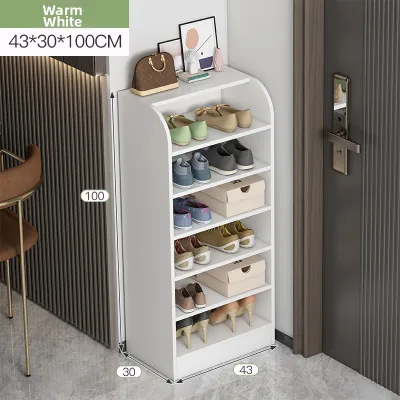
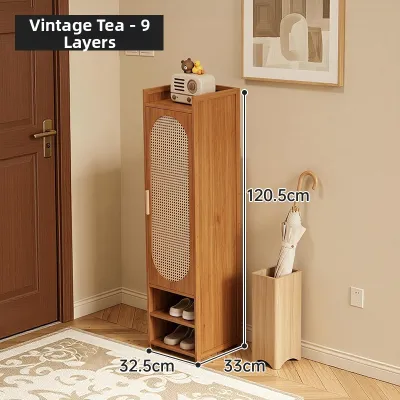
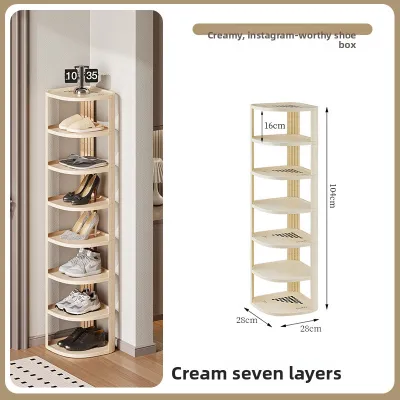
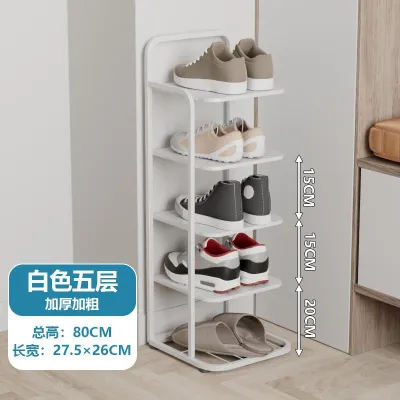
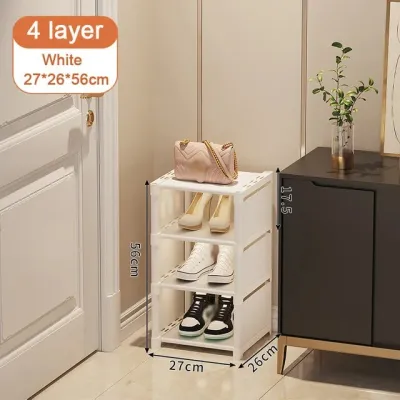
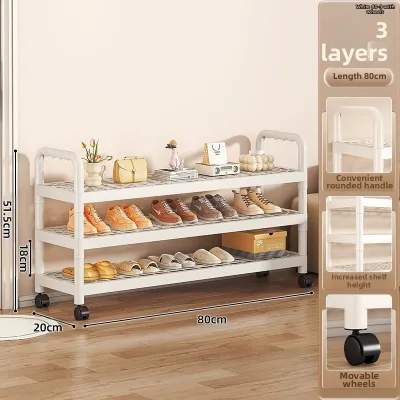
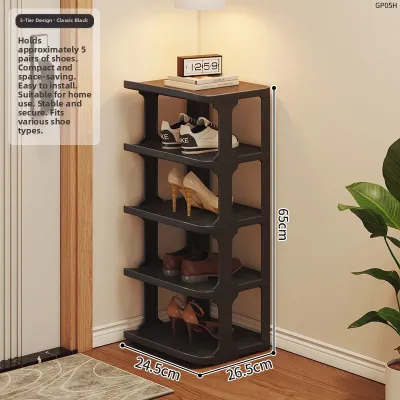
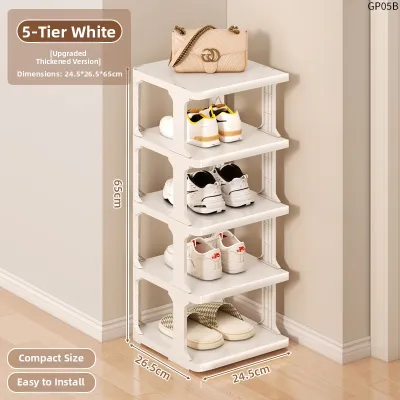
Prices are valid at publication and may change. Please refer to the product page for the latest price.
How to Evaluate Build Quality and True Storage Capacity
When shopping for corner furniture, evaluating build quality requires looking beyond the polished marketing photos. True structural integrity in a corner unit relies heavily on reinforced corner joints and base stability. Because corner racks have a smaller footprint and a unique triangular or L-shaped geometry, they are naturally more prone to wobbling if the base is not perfectly level or weighted.

Look for models that feature thick back panels or integrated corner brackets that prevent the frame from shearing under lateral pressure. Additionally, inspect the shelf thickness and the quality of the edge banding. Thin shelves under 15mm are highly susceptible to bowing over time, especially when loaded with multiple pairs of heavy shoes.
Calculating true storage capacity is another area where manufacturer specifications can be misleading. Most brands state capacity in terms of standard “pairs,” which typically assumes flat, narrow shoes like sandals or loafers. To find the actual capacity for your household, you must measure the width of your widest shoes—usually sneakers or athletic trainers—and compare them to the actual shelf width.
A standard pair of men’s sneakers requires roughly 20 to 22 centimeters of horizontal space, meaning a shelf with a 60-centimeter usable width will comfortably hold only two pairs, not three. For high heels and high-top boots, you must also calculate the vertical clearance between shelves to avoid crushing the collars or scuffing the materials.
To protect your investment, always check verified customer reviews on local retail sites and online marketplaces. Look specifically for long-term feedback regarding shelf sagging, loose hardware, or structural wobbling after several months of daily use. Pay close attention to reports of hinge or door alignment issues on enclosed cabinets, as these are common failure points in humid environments.
Measuring Your Corner Space and Clearance Requirements
Before browsing online catalogs, you must take precise physical measurements of your designated corner. Start by measuring the wall depth on both sides of the corner, as well as the total height available. Do not rely on wall-to-wall measurements alone; you must subtract the thickness of any baseboards, skirting boards, or decorative moldings, as these will prevent a flat-backed corner unit from sitting flush against the wall.
If there are light switches, power outlets, or distribution boards nearby, ensure the rack will not block access to them or force you to run cables awkwardly around the frame.
Clearance is not just about where the furniture sits; it is also about how it functions within the flow of your home. You must account for the door swing arcs of both your main entrance door and the shoe cabinet doors themselves. A cabinet door that blocks a narrow hallway when opened can quickly become a daily frustration.
Ensure there is at least 60 to 80 centimeters of clear walkway space in front of the rack so family members can comfortably stand, bend down, and put on their shoes. Furthermore, tight corners in Singapore entryways can trap stagnant air, so leaving a small gap of 1 to 2 centimeters behind the unit can promote essential ventilation.
Finally, plan the delivery path from the very beginning. Measure the height and width of your apartment’s main door frame, the lift car entrance, and any tight turns in your building’s common corridors or stairwells. If you are purchasing a fully assembled solid wood unit, these dimensions are critical to avoiding a situation where the delivery team cannot bring the furniture into your home.
For flat-pack units, ensure you have a clear, flat floor space near the corner to safely assemble the pieces without scratching your flooring.
Checking Materials, Joints, and Weight Limits for Durability
Singapore’s tropical climate, characterized by high relative humidity, demands careful material selection for any entryway furniture. Solid wood options like teak or oak offer excellent natural durability but require periodic maintenance and can be costly. Engineered wood, such as medium-density fibreboard (MDF) or particleboard, is highly common and budget-friendly, but its longevity depends entirely on the quality of its protective laminate or veneer.
Unsealed engineered wood easily absorbs airborne moisture, leading to swelling, warping, and mold growth. If choosing engineered wood, verify that all edges are fully sealed with high-quality PVC or ABS edge banding. Powder-coated metal and treated bamboo are excellent alternatives, as they resist moisture damage and are easy to wipe clean.
The longevity of a corner shoe rack is also determined by how its components are joined together. Avoid units that rely solely on simple wood glue or friction-fit plastic pegs, as these connections degrade quickly under the weight of daily use. Instead, look for robust mechanical fasteners such as steel cam locks, threaded metal inserts, and heavy-duty corner brackets.
If the rack features drawers or pull-out compartments, inspect the drawer slides; ball-bearing metal slides offer much smoother operation and greater durability than basic plastic runners.
Weight limits are a critical safety and performance metric that should never be overlooked. A typical pair of adult shoes weighs between 0.5 and 1.5 kilograms, meaning a fully loaded five-tier rack can easily hold over 15 kilograms of dead weight.
Check the manufacturer’s specifications for the maximum load capacity per shelf, ensuring it comfortably exceeds your heaviest footwear. For any tall, narrow corner unit—especially those exceeding one meter in height—using anti-tip wall anchors is highly recommended to prevent accidental tipping, particularly in households with active children or pets.
Matching Shoe Capacity to Your Household and Footwear Types
To choose the right configuration, you must align the rack’s design with your household’s daily habits and shoe types. A single professional living in a compact studio flat will have vastly different storage needs than a multi-generational family sharing an HDB flat.
Start by categorizing your collection into daily rotation shoes, formal wear, and seasonal or sports footwear. Daily wear shoes are best kept on open, easily accessible shelves near the bottom of the rack, while less frequently worn pairs can be stored higher up or in protective boxes.
Adjustable shelf heights are incredibly valuable for maximizing space efficiency. Fixed-height shelves often result in wasted vertical space above low-profile shoes like flats and sandals, while failing to accommodate taller items like ankle boots or high-top sneakers.
Look for corner racks that feature pre-drilled peg holes spaced at close intervals, allowing you to customize the shelf heights as your footwear collection evolves. Modular designs that let you stack or expand units horizontally are also excellent for growing households.
You must also weigh the practical trade-offs between open shelving and enclosed cabinets. Open corner shoe racks offer maximum airflow, which helps damp shoes dry quickly and prevents the buildup of unpleasant odors. They also make it easy to grab your shoes on the way out the door.
However, they expose your footwear to dust and can look cluttered if the shoes are not neatly arranged. Enclosed cabinets provide a clean, minimalist aesthetic and protect your shoes from dust and light, but they require active moisture management to prevent mold in Singapore’s humid air.
Decision Framework: Which Corner Shoe Rack Type Fits Your Home?
To finalize your decision, use this conditional framework to match a corner shoe rack type to your specific living situation:
- Choose a multi-tiered powder-coated metal rack if you have a large collection of heavy athletic shoes, prioritize maximum ventilation, and want an easy-to-clean, budget-friendly option.
- Choose an enclosed engineered wood cabinet with adjustable shelves if you want to conceal visual clutter in your main entryway, protect your shoes from dust, and match your existing living room decor.
- Choose a compact bamboo or solid wood corner bench if you have a small household, need a convenient place to sit while putting on your shoes, and only need to store a few pairs of daily-use footwear.
Before making a purchase, verify first if you plan to place the shoe rack in a common corridor outside your HDB flat or condominium unit. Many housing estates and management bodies have strict fire safety guidelines (such as those enforced by the Singapore Civil Defence Force) requiring a minimum clear escape passage of 1.2 meters. Placing a bulky corner rack in a shared corridor could violate these regulations, so keeping your storage strictly within your home’s entryway is often the safest approach.
Use this final pre-purchase checklist to ensure a successful buy:
- Double-check your corner measurements against the product's outer dimensions, accounting for skirting boards.
- Confirm the maximum weight capacity per shelf and the total weight limit of the unit.
- Verify that the package includes anti-tip safety hardware if you are buying a tall unit.
- Review the retailer's return and exchange policy, especially regarding flat-pack items that have already been unboxed or partially assembled.
Frequently Asked Questions (FAQ)
How do I prevent a tall corner shoe rack from tipping over?
To secure a tall corner shoe rack, you should always install the anti-tip wall anchors or safety straps provided by the manufacturer. Because corner units have a narrow base, they can easily become front-heavy when doors are opened or shelves are fully loaded. When mounting the anchors, identify your wall type; concrete or brick walls require masonry wall plugs and sturdy screws, while drywall requires specialized hollow-wall anchors. For added stability, always place your heaviest footwear, such as boots and heavy sneakers, on the lowest shelves to keep the unit’s center of gravity as low as possible.
What is the best way to manage shoe odors in an enclosed corner cabinet?
Managing odors in an enclosed corner cabinet requires controlling both moisture and airflow. Always ensure your shoes are completely dry and aired out before placing them inside the cabinet, as storing damp shoes in a closed space quickly leads to mold and bacterial growth. Place active moisture absorbers, activated charcoal bags, or small containers of baking soda on the shelves to absorb excess humidity and neutralize odors. Additionally, look for cabinets that feature built-in ventilation slots or mesh back panels, and leave the cabinet doors open for a few hours during dry days to promote fresh air circulation.

Community discussion
Share your experience or ask a question. Comments are reviewed before publication.