
Finding the right corner coat rack for a compact entryway requires balancing spatial efficiency, structural stability, and material durability. In typical high-density housing, such as apartments and condominiums, the foyer is often a high-traffic transition zone where every square centimeter counts. A well-chosen corner coat rack utilizes underused 90-degree wall intersections, keeping daily essentials like bags, umbrellas, and light outerwear organized without obstructing the main walkway.
By focusing on smart design features and precise measurements, homeowners can transform a cramped corner into a highly functional storage hub. A clean, organized entrance not only streamlines the morning routine but also creates a welcoming first impression for guests. Selecting the ideal rack involves analyzing the physical constraints of the space, evaluating material specifications, and understanding how to secure the unit safely.
Assessing Your Entryway Space and Constraints
Before purchasing any entryway furniture, measuring the exact dimensions of the target corner is essential. Homeowners should measure both the available floor footprint and the vertical clearance. While a corner rack is designed to hug the walls, its base may still extend outward into the primary walking path. Ensuring that the deepest point of the rack does not encroach on the minimum clearance needed for comfortable passage is the first step toward a successful installation.
Products mentioned in this guide
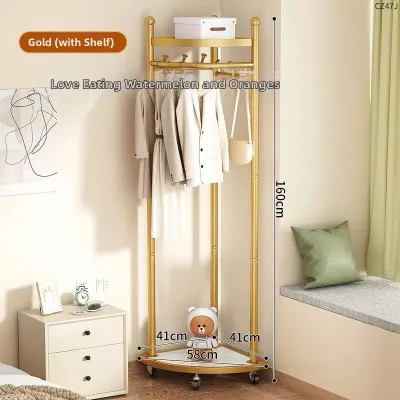
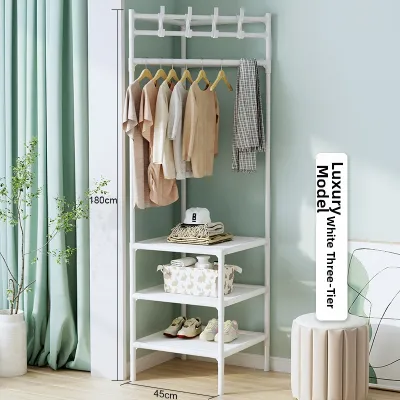
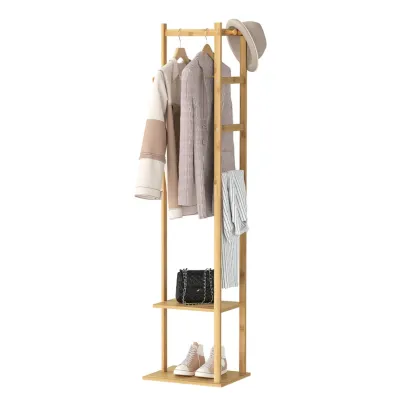
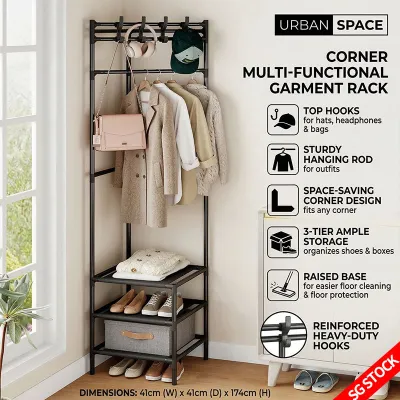
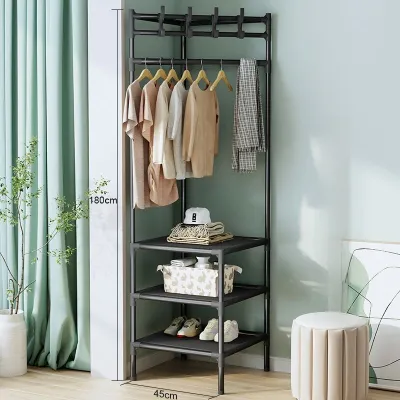
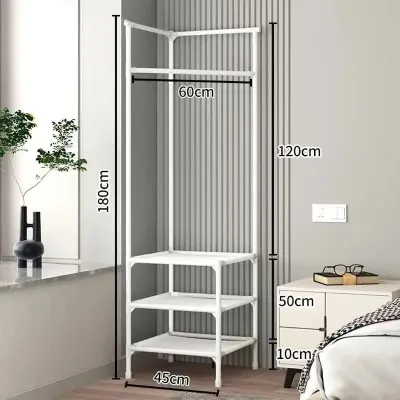
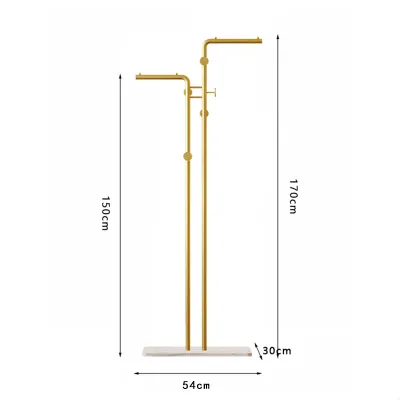
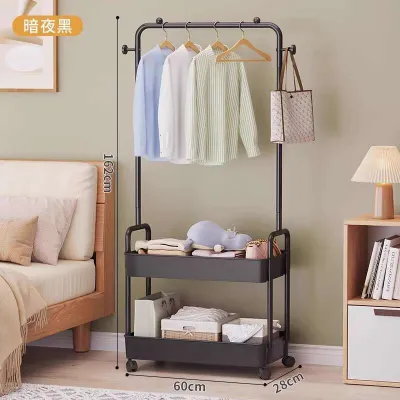
Prices are valid at publication and may change. Please refer to the product page for the latest price.
Door swing paths are another critical factor to analyze. In many compact homes, the main entrance door, shoe cabinet doors, or even utility closet doors may swing close to the designated corner. Opening these doors fully during the measurement process helps identify potential collision zones. A rack that blocks a door even slightly will quickly become a daily frustration and can lead to cosmetic damage on both the furniture and the door itself.
Walkway bottlenecks and high-traffic zones must also be kept clear. The entryway is where household members put on shoes, check their appearance, and set down bags. If the corner coat rack is too bulky, it can restrict movement, making the space feel cramped and chaotic. Leaving adequate breathing room around the rack ensures that multiple people can use the entryway simultaneously without bumping into each other.
Finally, look closely for architectural details that might interfere with a flush fit. Baseboards or skirting boards along the bottom of the wall can prevent a triangular rack from sitting completely flat against the corner. Additionally, wall outlets, light switches, or distribution boards located in the corner must remain accessible. Checking these details beforehand prevents the disappointment of buying a rack that cannot be pushed securely into its intended position.
Key Space-Saving Features in Corner Coat Racks
The primary appeal of a corner coat rack lies in its specialized geometry. Triangular, L-shaped, or curved base footprints are engineered specifically to fit into 90-degree wall intersections. These shapes maximize the usable surface area of the corner while minimizing the projection into the room. A triangular base, for instance, utilizes the deepest part of the corner, which is typically wasted space in standard rectangular furniture layouts.

Vertical tiering is another essential design element for small spaces. By stacking storage options vertically, a corner rack can accommodate a significant amount of gear without expanding its physical footprint. Staggered hook placements are particularly useful, as they allow long coats, umbrellas, and shorter bags to hang simultaneously without overlapping excessively. This staggered arrangement prevents the rack from looking bulky and ensures that items remain easy to grab.
For exceptionally tight entryways, look for racks featuring foldable, retractable, or swiveling hook mechanisms. These hardware options allow hooks to be pushed flat against the frame when they are not holding items. This feature reduces both the physical and visual profile of the rack, maintaining a clean and streamlined appearance when the entryway is not in active use.
Visual weight is just as important as physical dimensions in a small foyer. Racks with open, minimalist frames made of slender metal or light wood tend to make a space feel larger. Solid, heavy designs can block light and make a narrow hallway feel claustrophobic. Choosing a design with clean lines and open shelving allows light to pass through, preserving an airy and welcoming atmosphere.
Material and Stability Checks for Daily Use
A corner coat rack must be structurally sound to handle the daily demands of a busy household. When evaluating options, always check the manufacturer’s labeled weight limits for both individual hooks and the overall unit. Overloading a rack beyond these specifications can lead to structural failure, bent hooks, or a compromised frame. Knowing these limits beforehand helps align the purchase with the actual storage needs of the household.
The stability of a freestanding rack depends heavily on its base width, center of gravity, and leg design. A wider base generally offers better stability, but it also occupies more floor space. To mitigate tip-over risks, look for designs that feature a low center of gravity, often achieved by placing heavier shelves or storage compartments at the bottom. This structural balance is particularly important in active households where items are frequently grabbed in a hurry.
Joint connections and hardware quality are critical indicators of long-term durability. Inspect the assembly instructions and product specifications to ensure the joints are reinforced with sturdy screws, bolts, or brackets rather than simple glue or press-fit dowels. Loose or weak joints will cause the rack to wobble over time, especially when subjected to uneven weight distribution.
Given the high humidity typical in tropical climates, verifying the surface treatment of the materials is a vital step. Metal frames should feature rust-resistant coatings, such as powder coating, to prevent corrosion from damp umbrellas or humid air. Wooden components require proper sealing, varnishing, or moisture-resistant treatments to prevent warping, swelling, or mold growth. Checking these material specifications ensures the rack remains in excellent condition for years to come.
Evaluating Multi-Functional Designs
Many modern corner coat racks incorporate additional features, such as integrated shoe tiers or small benches. While these multi-functional designs are highly appealing, it is important to evaluate whether they genuinely save space or simply add unnecessary bulk. An integrated unit can eliminate the need for a separate shoe rack, streamlining the entryway layout. However, if the household already has dedicated shoe storage, a simpler, single-purpose coat stand might be a more space-efficient choice.
If the rack includes shoe shelves or a bench, compare its dimensions against standalone alternatives. A combined unit should offer a smaller total footprint than the individual pieces of furniture it replaces. Additionally, ensure that the bench height and depth are practical for daily use; a bench that is too narrow or too low may end up serving as a clutter magnet rather than a functional seat.
Umbrella stand attachments are highly practical additions, but they require careful inspection. Look for designs that feature removable drip trays to catch water from wet umbrellas, protecting the floor from pooling moisture. Adequate ventilation around the umbrella storage area is also crucial to ensure that wet fabric dries quickly, preventing musty odors and mold development.
Ultimately, homeowners must weigh the trade-off between added utility and visual clutter. A rack loaded with shoes, bags, coats, and umbrellas can quickly look chaotic in a small entryway. If the visual weight of a multi-functional unit feels overwhelming, opting for a minimalist design with fewer shelves can help maintain a serene and organized entrance.
Installation and Floor Protection Considerations
Protecting the entryway flooring from scratches, scuffs, and moisture damage is an essential part of setting up a new coat rack. Applying felt pads, rubber caps, or non-slip grips to the base feet is a simple yet highly effective precaution. These protective accessories prevent the hard metal or wooden legs from scratching delicate floor surfaces, such as ceramic tiles, vinyl, or engineered hardwood, when the rack is moved or adjusted.
For tall, narrow, or top-heavy corner racks, wall-anchoring is a critical safety measure. Many manufacturers include anti-tip hardware, such as straps or brackets, designed to secure the unit directly to the wall. Utilizing these safety features is highly recommended, especially in homes with young children or pets who might accidentally pull or push against the rack. Securing the unit to the wall ensures it remains upright under all conditions.
Entryway floors are not always perfectly level, which can cause a tall rack to wobble or lean. To address this issue, look for corner racks equipped with adjustable leveling feet. These feet can be screwed in or out individually to compensate for minor floor unevenness. If the rack does not feature adjustable feet, using thin, discreet shims under the legs can help stabilize the unit and prevent annoying wobbles during daily use.
Frequently Asked Questions (FAQ)
How many coats can a typical corner rack hold safely?
To determine how many items a corner rack can support, always refer to the manufacturer’s specified weight capacity rather than relying on the number of physical hooks. A rack might have eight hooks but a total weight limit that only allows for four heavy bags or wet jackets. To maintain stability and prevent the unit from tipping, distribute the weight evenly across all sides of the rack rather than hanging everything on a single hook or one side.
Are wall-mounted corner racks better than freestanding ones for small spaces?
Wall-mounted corner racks are excellent for maximizing floor space, making them ideal for exceptionally tight entryways where every square centimeter of floor is needed for foot traffic. However, they require drilling into the wall and careful verification of the wall’s structural integrity. Freestanding corner racks offer greater placement flexibility and are highly renter-friendly, though they do require a dedicated portion of the floor footprint.
How do I prevent a freestanding corner rack from tipping over?
The most effective way to secure a freestanding corner rack is to use anti-tip furniture straps or brackets anchored directly into the wall. Additionally, smart loading habits can significantly improve stability. Always place heavier items, such as boots, storage boxes, or heavy bags, on the lowest shelves or tiers to lower the overall center of gravity, making the unit much less prone to tipping when items are hung on the upper hooks.

Community discussion
Share your experience or ask a question. Comments are reviewed before publication.