
Choosing the right firmness for a compressed mattress requires balancing your primary sleeping position with your body weight to maintain neutral spinal alignment. Because these mattresses are compressed, vacuum-sealed, and shipped in a compact box, their materials behave differently during unboxing and initial use compared to traditional showroom models. By understanding how your sleep posture, body mass, and the unique physical traits of boxed mattresses interact, you can confidently select a model that provides both immediate comfort and long-term support.
Assess Your Primary Sleeping Position
Your dominant sleeping posture is the most critical factor in determining how a mattress should distribute support and pressure relief. A mattress must support the natural curves of your spine, ensuring that your muscles can fully relax during sleep without being strained or hyperextended.
Side sleepers require a mattress that offers significant contouring, particularly around the shoulders and hips. Because these areas are the widest parts of the body, they bear the majority of your weight when you lie on your side. If a compressed mattress is too firm, it will create painful pressure points, leading to tossing, turning, and morning stiffness. A medium-soft to medium mattress allows these pressure points to sink in just enough to keep the spine straight.
Products mentioned in this guide
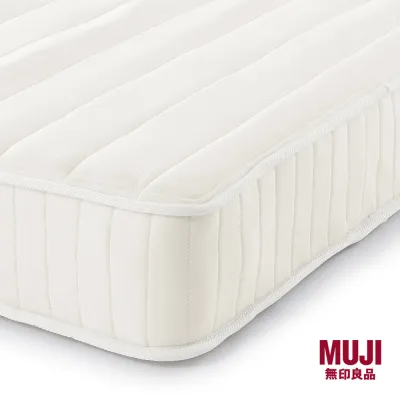
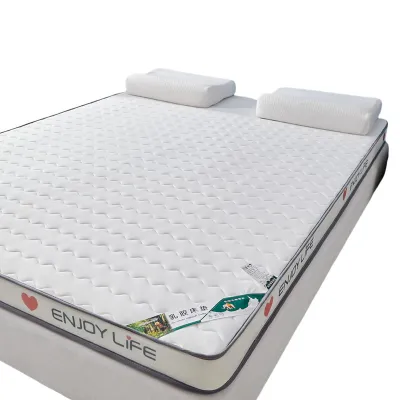
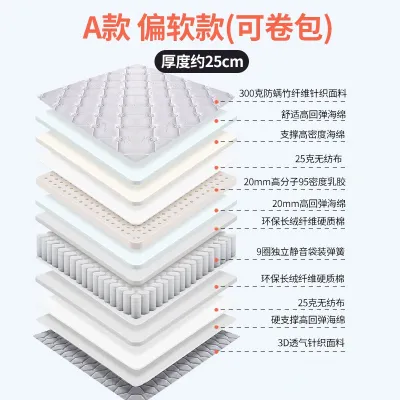
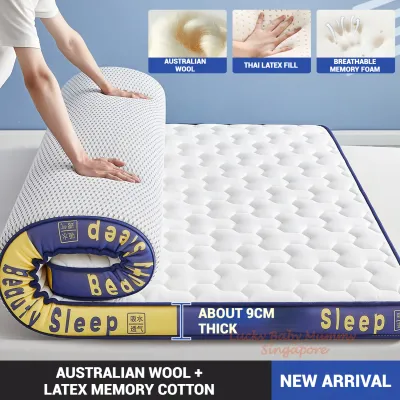
Prices are valid at publication and may change. Please refer to the product page for the latest price.
Back sleepers need a balanced surface that supports the natural S-curve of the spine. If the mattress is too soft, the heavy pelvis area will sink too deeply, causing the lower back to bow uncomfortably. If the mattress is too firm, it will fail to fill the gap in the lumbar region, leaving the lower back muscles tense and unsupported. A medium to medium-firm compressed mattress typically provides the ideal blend of surface cushioning and structural pushback.
Stomach sleepers require a highly supportive, firmer surface to prevent their midsection from sinking. When you sleep on your stomach, gravity naturally pulls your hips and pelvis downward. If the mattress lacks sufficient firmness, this sinkage arches your lower back into an unnatural position, straining the lumbar spine. A firm mattress keeps your body on a flat, neutral plane, protecting your lower back from hyperextension.
Combination sleepers, who shift between multiple positions throughout the night, need a versatile mattress that adapts to movement. A mattress that is too soft can make you feel stuck, hindering easy transitions, while an overly firm mattress will cause discomfort when you roll onto your side. A true medium mattress is often the safest choice, offering enough surface give for side sleeping and sufficient support for back or stomach intervals.
Factor in Your Body Weight
Firmness ratings provided by manufacturers are subjective and typically calibrated for individuals of average weight. Your actual body mass determines how deeply you compress the comfort layers, which directly alters how firm or soft the mattress feels to you.

Lighter individuals, typically weighing under 60 kilograms, exert less downward force on the mattress surface. Because they do not sink deeply into standard comfort layers, they often perceive mattresses as being much firmer than advertised. If you fall into this weight range, you may need to choose a slightly softer rating than normally recommended for your sleeping position to ensure you receive adequate contouring and pressure relief.
Average weight individuals, between 60 and 90 kilograms, generally experience mattress firmness exactly as the manufacturer describes. If you are in this range, you can confidently follow standard firmness recommendations based on your sleeping position without needing to adjust your target firmness level up or down.
Heavier individuals, typically weighing over 90 kilograms, exert substantial pressure on the mattress, causing them to sink deeper into the comfort layers. This deep sinkage can cause you to bottom out against the firm support core, making a medium mattress feel uncomfortably soft and unsupportive. To maintain proper alignment, heavier sleepers usually require firmer surfaces or mattresses constructed with high-density support layers.
Before making a purchase, always check the manufacturer’s weight limits and material density specifications. High-density foams or hybrid compressed models that incorporate pocket springs offer superior structural integrity, preventing premature sagging and ensuring the mattress can support higher weight capacities over time.
Navigate Compressed Mattress Specifics
Compressed mattresses, often referred to as bed-in-a-box mattresses, have unique physical characteristics resulting from the vacuum-packing process. Understanding these traits will help you manage your expectations and make a more accurate assessment of the mattress’s performance.
Allowing the mattress to fully expand is crucial before judging its true firmness level. When you first unbox a compressed mattress, the foam cells are still recovering from being tightly rolled and vacuum-sealed. It typically takes between 24 and 72 hours for the materials to draw in air, regain their structural memory, and settle into their designed firmness. Testing the mattress too early can give a false impression of its support and comfort.
Edge support is another critical consideration, especially for compressed all-foam designs. Because these mattresses must be flexible enough to roll up, they sometimes lack the rigid border wire found in traditional mattresses. If you sit on the edge of the bed to get dressed or sleep near the perimeter, look for compressed models that feature reinforced foam borders or pocketed coils along the edges to prevent a rolling-off sensation.
Utilizing the sleep trial period is essential when buying a compressed mattress online, as you cannot test it in a showroom beforehand. Most reputable brands offer a trial period of 90 nights or more, allowing your body time to adjust to the new support system. Be sure to read the return policy details, checking for potential return pickup fees, packaging requirements, or specific conditions under which a return is accepted.
Build Your Firmness Shortlist
To find the right compressed mattress, start by cross-referencing your sleeping position and body weight to establish a target firmness range. Keep in mind that firmness scales are brand-specific; a medium rating from one manufacturer may feel like a medium-firm from another, so reading customer feedback regarding actual feel is highly beneficial.
Next, perform essential logistical checks to ensure a smooth delivery and setup. Measure your room dimensions and existing bed frame to guarantee a perfect fit, and check that your bed frame provides adequate support. For foam compressed mattresses, a solid platform or a slatted base with gaps no wider than 7 to 8 centimeters is recommended to prevent the foam from sagging between the slats.
Consider the physical delivery route within your home, especially if you live in an apartment or a multi-story house. While the compressed box is highly convenient for navigating tight corridors, narrow stairwells, and lifts, the fully expanded mattress will be heavy and difficult to move. Plan your unboxing in the exact room where the bed will be used to avoid unnecessary heavy lifting.
Finally, recognize when to seek professional advice rather than relying solely on a new mattress. While a supportive mattress can significantly improve sleep quality and reduce morning stiffness, it is not a cure for chronic medical conditions. If you suffer from persistent back, neck, or joint pain, consult a healthcare professional to address the underlying causes of your discomfort.
Frequently Asked Questions (FAQ)
Does a compressed mattress feel firmer after it fully expands?
Yes, a compressed mattress typically feels firmer and more supportive once it has fully expanded. Immediately after unboxing, the compressed foam layers are still recovering and may feel unusually soft, limp, or uneven. As the foam cells draw in air over 24 to 72 hours, they regain their intended density and structural integrity, resulting in the mattress’s true designed firmness.
Can I use a mattress topper to adjust the feel of my compressed mattress?
A mattress topper is an effective way to soften a compressed mattress that feels slightly too firm, or to add a layer of contouring comfort. However, a topper cannot fix a mattress that is too soft or already sagging. If the underlying support core of the mattress does not keep your spine aligned, adding a topper will only follow the contour of the sag rather than correcting it.

Community discussion
Share your experience or ask a question. Comments are reviewed before publication.