
Selecting a high-quality work chair is one of the most critical decisions for anyone spending long hours at a home office desk. With a vast array of brands competing for attention, relying solely on brand prestige or price tags can lead to discomfort, poor posture, and long-term physical strain. The ideal chair is not a one-size-fits-all product; instead, it is a highly personal piece of furniture that must align with your unique body dimensions, daily usage hours, and physical work habits.
To find the right fit, you must look beyond aesthetic appeal and examine the underlying engineering. A brand’s reputation is only as good as the specific adjustability features, material quality, and structural support of the model you choose. By understanding how different brand categories design their seating, you can make an informed investment that protects your physical well-being during demanding workdays.
Quick Answer: Which Work Chair Category Fits Your Long Sessions?
Choosing the right work chair brand depends heavily on your daily usage patterns, budget, and specific physical requirements. There is no single brand that universally suits every individual, as body types and comfort preferences vary widely. To simplify your search, you can categorize your needs into a conditional decision framework based on how many hours you spend seated each day.
Products mentioned in this guide
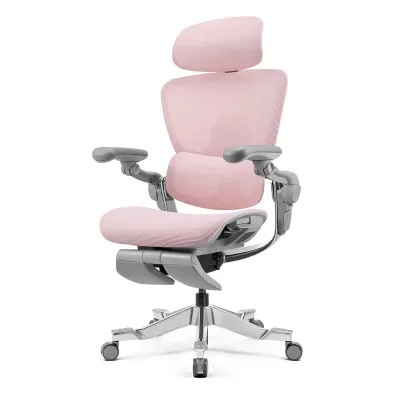
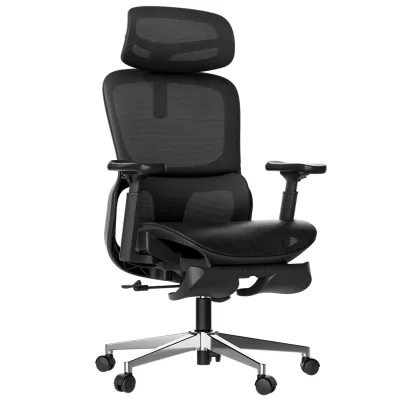
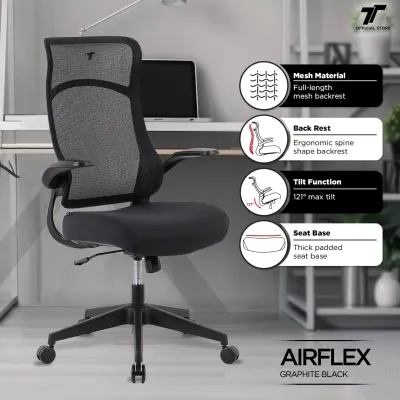
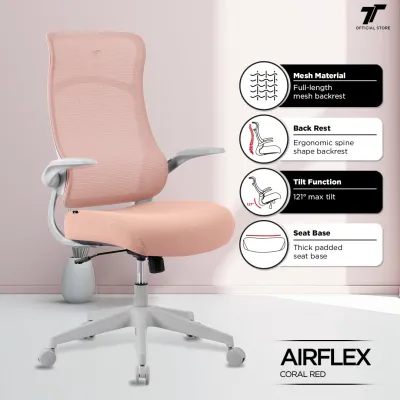
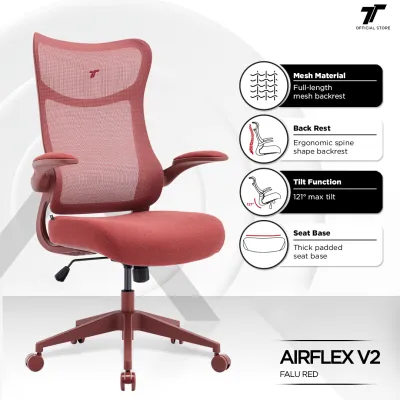
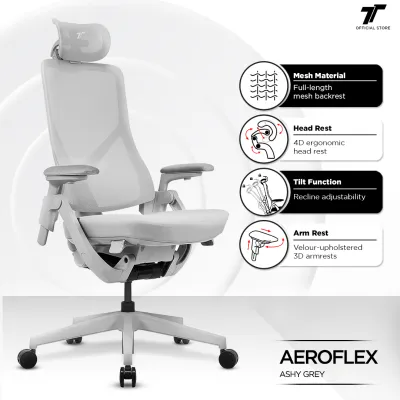
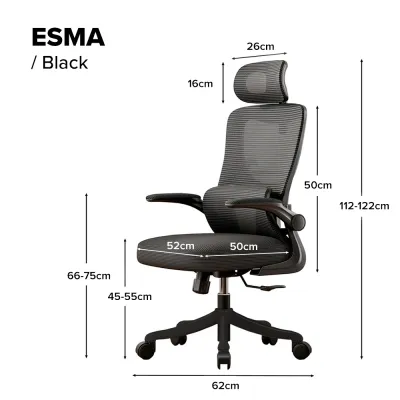
Prices are valid at publication and may change. Please refer to the product page for the latest price.
If you work eight or more hours daily and require continuous, active support, premium ergonomic brands are the most suitable choice. These brands invest heavily in research and development to create dynamic mechanisms that adapt to your body’s movements. Their chairs feature highly adjustable components, advanced kinematics, and responsive lumbar support systems designed to minimize fatigue over extended periods.
For those who spend a moderate four to six hours at their desk, mid-range task chair brands offer an excellent balance of comfort and value. These brands provide reliable, standard adjustability options—such as height adjustment, tilt tension, and basic lumbar support—without the premium price tag. They are ideal for hybrid workers or individuals who take regular standing breaks throughout the day.
Budget or alternative style brands are best reserved for short, intermittent sessions of under three hours. While these chairs are accessible and often visually appealing, they generally lack the advanced postural support and material durability required for prolonged sitting. If you choose this category, it is important to acknowledge the limitations in long-term ergonomic health and plan for more frequent movement breaks.
Ultimately, brand reputation must be verified against specific model specifications. Even within a single brand’s lineup, adjustability ranges and structural designs can vary significantly. Always cross-reference your physical measurements with the chair’s adjustable ranges before finalizing your decision.
Core Comparison Dimensions for Extended Home Office Use
To evaluate different work chair brands effectively, you must understand the key technical dimensions that impact comfort and durability. Comparing these factors directly allows you to look past marketing claims and assess the true value of a chair.

Ergonomic Adjustability
The level of adjustability a chair offers determines how well it can be customized to your body. Fixed features force your body to adapt to the chair, which quickly leads to muscle strain and fatigue during long sessions. When comparing brands, pay close attention to three critical adjustment areas:
- Seat Depth Adjustment: A sliding seat pan allows you to adjust the distance between the backrest and the front edge of the seat. Proper seat depth prevents the edge of the chair from pressing into the back of your knees, which can restrict blood circulation.
- Armrest Articulation: Look for armrests with multi-directional movement, often referred to as 3D or 4D armrests. These allow you to adjust height, width, angle, and depth, ensuring your forearms are supported while keeping your shoulders relaxed.
- Synchro-Tilt Mechanisms: Premium and mid-range brands often feature synchro-tilt engineering, where the backrest reclines at a greater ratio than the seat pan (typically 2:1). This movement opens up your hip angle and keeps your feet flat on the floor, promoting active sitting and reducing spinal pressure.
Lumbar and Back Support
Effective back support is essential for maintaining the natural S-curve of your spine while seated. Brands approach this challenge in different ways, ranging from basic curved frames to active, self-adjusting mechanisms.
Chairs with adjustable lumbar support allow you to modify both the height and the depth of the support pad. This customization ensures the pressure is applied precisely to your lower back. Some premium brands use split-back designs or flexible rib systems that dynamically respond to your micro-movements, providing continuous support as you shift positions.
Conversely, lower-end models often rely on fixed curved backrests or rigid plastic frames. While these may feel supportive initially, they cannot accommodate different torso lengths or spinal shapes, which can lead to localized pressure points over time.
Material and Comfort Features
The materials used in a chair’s construction affect its breathability, pressure distribution, and long-term comfort. The two primary seating surface options are mesh and foam:
- Mesh Seating: High-quality elastomeric mesh provides excellent tension distribution and allows air to circulate freely around your body. However, lower-grade mesh can sag over time, causing your body to bottom out against the underlying frame. Always check the tension retention ratings and look for woven mesh with varying density zones.
- Foam and Fabric Seating: Cushioned seats offer immediate pressure relief and a softer feel. When evaluating foam, prioritize high-density molded foam over low-density cut foam. Molded foam retains its shape and supportive properties for years, whereas cheap cut foam tends to flatten out quickly, leading to discomfort.
Build Quality and Weight Capacity
A chair’s structural integrity is determined by its frame materials, base design, and mechanical components. Premium brands often utilize polished aluminum, steel, or heavy-duty glass-reinforced nylon for their frames and bases. These materials offer superior stability and resistance to flexing.
The gas cylinder, which controls the chair’s height adjustment, is another critical component. Look for chairs equipped with Class 3 or Class 4 gas lifts, as these are built to withstand daily adjustments and heavier loads. Always check the manufacturer’s stated weight capacity and look for recognized safety certifications, such as BIFMA or TÜV SÜD, to verify the chair has undergone rigorous durability testing.
How Popular Work Chair Brand Categories Position Themselves
Understanding how different brand tiers position themselves in the market helps you set realistic expectations regarding features, durability, and pricing.
Premium Ergonomic Brands
Premium ergonomic brands focus heavily on advanced engineering, high-end materials, and extensive research into human factors. These brands design chairs that aim to make sitting as effortless and dynamic as possible.
Typical features of this category include proprietary weight-activated tilt mechanisms that automatically adjust recline tension based on your body weight. They also feature highly articulated armrests and premium, custom-woven mesh surfaces. Many of these brands offer comprehensive warranties lasting up to 12 years, covering both parts and labor, which reflects their long-term durability.
The primary target audience includes full-time remote professionals, individuals managing chronic back or neck pain, and those who view their office chair as a critical tool for their livelihood. However, these chairs come with a high initial cost, often ranging from S$1,500 to over S$2,500. They can also have a learning curve as users adjust to the active, dynamic support mechanisms, and it is crucial to verify if the physical frame size matches your body proportions.
Mid-Range and Task-Oriented Brands
Mid-Range brands focus on delivering essential ergonomic adjustability and reliable build quality at a more accessible price point, typically ranging from S$400 to S$900.
These brands balance cost by using standard mechanical components, such as manual tilt tension knobs and height-adjustable lumbar pads, rather than complex self-adjusting systems. The frames are commonly constructed from reinforced nylon, paired with standard mesh backrests and fabric-covered foam seats. While they may not offer the hyper-specialized adjustments of premium models, they provide sufficient customization to support a healthy posture for standard workdays.
This tier is highly suited for hybrid workers, students, and budget-conscious professionals who require a dependable chair for daily use but do not need specialized orthopedic support. These chairs offer a practical, no-nonsense approach to home office ergonomics.
Budget and Alternative Style Brands
Budget brands and alternative styles, such as gaming-style chairs, prioritize affordability and distinct visual designs over advanced ergonomic science.
Common compromises in this category include fixed or basic height-only armrests, rigid plastic frames, and non-adjustable lumbar support. Many gaming chairs utilize thick polyurethane (PU) leather upholstery and deep bucket-seat designs. While these features mimic sports car interiors, they can restrict natural movement and trap body heat, leading to discomfort during long, warm sessions.
These options are acceptable if you are working with a tight budget, plan to use the chair for short periods, or prioritize a specific aesthetic. To avoid rapid wear, verify the care instructions for the upholstery material and check that the gas lift has basic safety certifications. Be prepared for a shorter lifespan, as these chairs often carry limited warranties of only one to two years.
Matching Chair Features to Your Home Office Environment
To ensure your chosen work chair performs well in practice, you must evaluate how it integrates with your physical home environment.
Space and Clearance
Before purchasing a chair, carefully measure your dedicated workspace. Consider the chair’s maximum footprint, including the outer diameter of the five-star base (typically 65 to 70 centimeters) and the space required for a full recline.
Ensure there is adequate clearance between your desk legs and the chair’s armrests so you can slide the chair fully under the desk when not in use. Additionally, check the dimensions of your home’s entryways, hallways, and elevator doors to ensure a smooth delivery and assembly process, especially if you live in a high-rise apartment building.
Climate Considerations
In hot and humid tropical climates, heat dissipation is a major factor in seating comfort. Chairs with full mesh backrests and seat pans are highly effective at preventing heat and moisture buildup, allowing you to remain cool during long working sessions.
If you prefer the cushioned feel of a fabric seat, look for brands that utilize breathable, moisture-wicking upholstery fabrics. To maintain a clean and hygienic workspace, establish a regular care routine, such as vacuuming the fabric seat periodically to prevent the accumulation of dust and allergens.
Desk Compatibility
Your chair and desk must work together to support a neutral typing posture. The chair’s seat height range should allow you to sit with your feet flat on the floor while your thighs remain parallel to the ground.
At the same time, the armrests should adjust to a height that aligns perfectly with your desk surface. This alignment allows your elbows to rest at a 90-degree angle, preventing you from shrugging your shoulders or straining your wrists while typing. If your desk is fixed at a standard height (around 73 to 75 centimeters) and cannot be adjusted, a chair with a wide seat-height range and highly adjustable armrests is essential to bridge the ergonomic gap.
What to Verify Before Finalizing Your Brand Choice
Once you have narrowed down your brand options, use this practical checklist to validate product claims, protect your investment, and ensure a safe setup.
Warranty and After-Sales Support
A comprehensive warranty is a strong indicator of a brand’s confidence in its product’s durability. When reviewing warranty terms, look for the following details:
- Component Coverage: Check if different parts of the chair have separate coverage periods. For example, a brand may offer a 10-year warranty on the frame but restrict the gas cylinder or fabric upholstery to only 2 or 3 years.
- Usage Limitations: Read the fine print to ensure the warranty covers residential use. Some commercial-grade chairs have warranties that are voided if used in a home environment.
- Local Service Centers: Verify if the brand has a local distributor or service center in your region. This makes it much easier to source replacement parts or request repairs if issues arise.
Trial Periods and Return Policies
Sitting in a chair for a few minutes in a retail showroom is rarely enough to determine if it will remain comfortable over an eight-hour workday. Look for brands or retailers that offer home trial periods, typically ranging from 14 to 30 days.
Before ordering, clarify the terms of the return policy. Check if you are responsible for paying restocking fees or return transportation costs, and verify whether the chair must be returned in its original packaging. Understanding these details beforehand prevents unexpected expenses if the chair does not suit your body.
Assembly and Safety Checks
When your chair arrives, follow a careful assembly process to ensure safety and structural stability:
- Inspect Parts: Before assembling, check all components for manufacturing defects, cracks, or sharp edges under the seat pan.
- Verify Gas Lift: Ensure the gas cylinder has a clear safety certification mark (such as DIN 4550) stamped onto its metal casing.
- Follow Instructions: Tighten all bolts and screws according to the manufacturer's manual. Avoid over-tightening, which can strip the threads, but ensure everything is secure.
- Check Stability: Once assembled, place the chair on a flat surface and check for any unusual wobble or play in the joints. If any parts do not align properly or if the chair feels unstable, stop using it immediately and consult the manufacturer.
Frequently Asked Questions (FAQ)
Is a gaming chair a good alternative to an ergonomic work chair for long sessions?
While gaming chairs offer high backs and a distinctive aesthetic, they are generally less suitable for long work sessions than dedicated ergonomic work chairs. Gaming chairs often feature bucket-style seats that restrict natural leg movement and rely on removable strap-on pillows for lumbar support. Dedicated work chairs offer superior adjustability, dynamic lumbar mechanisms, and breathable mesh materials that better support a neutral posture over eight-hour workdays.
How often should I replace my home office work chair?
There is no fixed timeframe for replacing a work chair, as its lifespan depends on build quality and daily usage. Instead of relying on a set number of years, monitor your chair for physical signs of wear, such as a sinking gas cylinder, flattened seat foam that no longer provides cushioning, torn mesh, or persistent joint discomfort after sitting. Before purchasing a new chair, check if the worn components are covered under warranty or can be replaced individually to extend the life of your current seat.

Community discussion
Share your experience or ask a question. Comments are reviewed before publication.