
Finding the best value in a chair with wheels for your home office requires looking beyond the initial price tag. True value is a calculation of daily comfort, durability over several years, and how well the chair fits into compact local living spaces. With options ranging from entry-level models to high-end ergonomic investments, the right choice depends on your daily sitting hours, physical needs, and budget. By understanding the distinct brand tiers and key design features available locally, you can make an informed decision that protects both your posture and your wallet.
Defining "Value" for Your Home Office Setup
When shopping for a chair with wheels, defining “value” requires a realistic assessment of your daily habits. A chair that costs S$150 might seem like a bargain, but if it causes back strain after two hours or needs replacement within a year, its actual value is low. Conversely, a S$1,500 chair offers excellent value if you sit in it for eight hours a day over a ten-year period, breaking down to a minimal cost per day for pain-free productivity.
Space constraints are another critical factor for local homes. Many flats and condominiums feature multi-purpose rooms or compact study corners where a bulky executive chair simply will not fit. You must measure the clearance under your desk to ensure the armrests can slide underneath when the chair is not in use. A chair with a compact footprint and highly adjustable armrests helps keep walkways clear and maintains the aesthetic balance of your living space.
Products mentioned in this guide
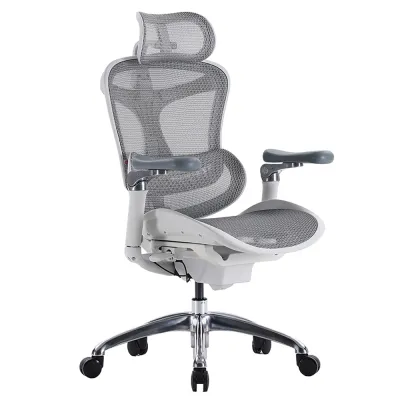
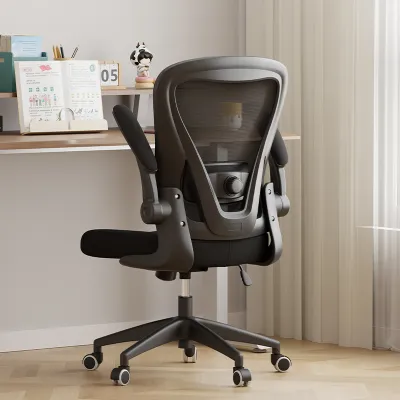
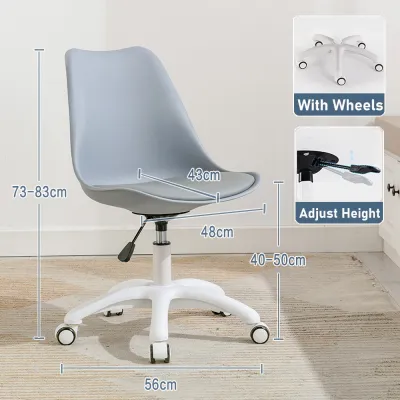
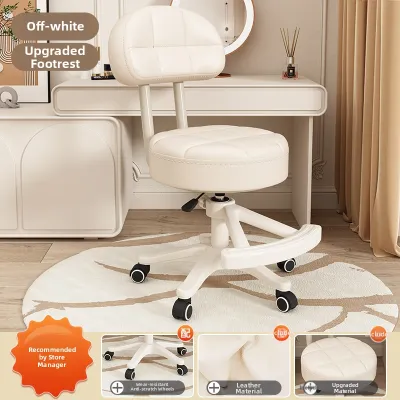
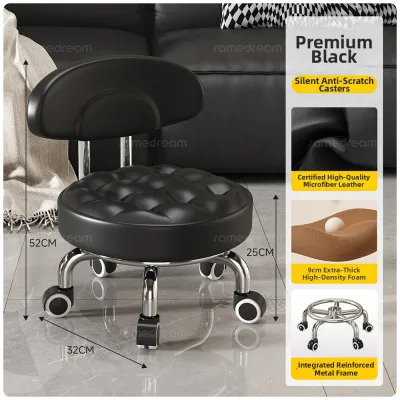
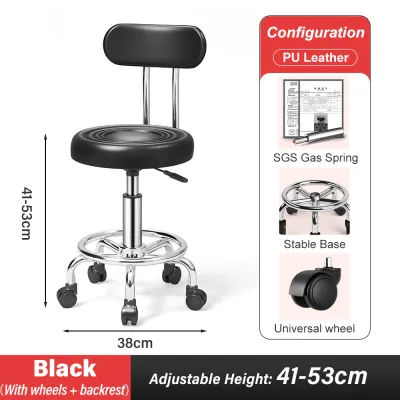
Prices are valid at publication and may change. Please refer to the product page for the latest price.
Finally, balance the initial financial outlay against the expected lifespan of the materials. High humidity can accelerate the degradation of low-grade synthetic leathers and soft foams. Investing in high-quality mesh or durable fabric often yields better long-term value because these materials resist wear and keep you cool. Evaluating these factors beforehand prevents buyer’s remorse and ensures your investment aligns with your physical environment.
Comparing Brand Tiers Available in Singapore
The local market for office seating is broadly divided into three distinct tiers, each catering to different budgets, usage patterns, and expectations of durability. Understanding where a brand falls within these tiers helps you set realistic expectations regarding adjustability, material quality, and after-sales support before making a purchase.

Premium Ergonomic Specialists
Premium ergonomic brands typically position their chairs with wheels starting from S$1,000 and can exceed S$2,500 for fully customized models. These manufacturers invest heavily in research and development to design chairs that dynamically support the body’s natural movements. You can expect advanced engineering, such as synchronized tilt mechanisms that keep your feet flat on the floor while reclining, and highly responsive lumbar support systems that adjust to your spine’s curvature.
The materials used in this tier are engineered for exceptional longevity, often featuring proprietary mesh weaves that do not sag over years of continuous use. Furthermore, these brands back their products with extensive warranties, often spanning 10 to 12 years, covering both structural components and moving parts.
This tier is ideal for individuals who work from home full-time, sit for eight or more hours a day, or suffer from chronic back and neck discomfort. While the upfront cost is substantial, the long-term comfort, health benefits, and lack of replacement needs over a decade make it a highly cost-effective choice for serious home office setups.
Mid-Range Direct-to-Consumer Brands
Mid-range direct-to-consumer (DTC) brands have gained significant popularity by offering modern ergonomic designs at more accessible price points, typically ranging from S$400 to S$900. These brands cut traditional retail markup by selling directly to consumers online, allowing them to offer features like adjustable seat depth, 3D or 4D armrests, and tilt-tension controls without the premium price tag.
To maintain these competitive prices, manufacturers often use standardized components and simplified mechanical designs compared to premium brands. While they offer excellent immediate comfort and highly functional adjustability, the long-term durability of the plastics, foam cushions, and gas lifts may not match the decade-long lifespan of premium models. Warranties in this tier generally range from 3 to 5 years.
This segment is ideal for hybrid workers, students, or professionals who spend four to six hours a day at their desks. It offers a practical middle ground, providing essential ergonomic adjustments that protect your posture without requiring a four-figure investment.
Budget and Mass-Market Retailers
Budget and mass-market retailers offer entry-level chairs with wheels that typically cost between S$80 and S$300. These chairs are widely available through large furniture chains and general online marketplaces, making them highly accessible for quick setups. They provide basic seating functionality and simple height adjustments, which are sufficient for short tasks.
However, budget models come with notable limitations in adjustability, often lacking seat slide functions, lumbar depth controls, or adjustable armrests. The weight capacity is typically lower, and the cushioning may flatten permanently after a few months of heavy use. Additionally, warranties are minimal, often covering only 1 to 2 years, or sometimes excluding wear-and-tear items entirely.
This tier is best suited for occasional users who spend less than two hours a day at their desk, or for secondary workspaces like guest rooms. If you only need a temporary seating solution or have a strict budget constraint, these chairs serve their purpose, but they are not designed for long-term ergonomic support.
Key Dimensions to Evaluate Before Buying
To find the right chair with wheels for your specific needs, you must evaluate several physical and environmental dimensions rather than relying solely on brand reputation. The first critical checkpoint is adjustability. Ensure the chair allows you to adjust the seat depth so that there is a two-finger gap between the edge of the seat and the back of your knees, which prevents pressure buildup. Armrests should adjust in height and width to support your elbows comfortably without forcing your shoulders to shrug.
Material selection is particularly important in a warm and humid climate. Solid foam cushions covered in thick fabric or low-grade polyurethane (PU) leather can trap body heat and moisture, leading to discomfort and sweating during long working sessions. High-quality mesh backrests and seats promote continuous airflow, keeping you cool even without air conditioning. If you prefer a foam seat, look for high-density molded foam covered in breathable, moisture-wicking fabric.
Do not overlook the caster wheels on your chair. Standard hard nylon casters are designed for carpeted floors and can easily scratch or gouge hard flooring surfaces like vinyl, laminate, or polished parquet. If your home office has hard flooring, look for chairs equipped with soft polyurethane (PU) casters, or consider purchasing aftermarket rubber caster wheels to protect your floors and ensure quiet, smooth movement.
Navigating Warranties and After-Sales Support
A warranty is a strong indicator of a manufacturer’s confidence in their product and a crucial component of the chair’s overall value. When comparing brands, read the warranty fine print carefully. Some brands advertise a “10-year warranty” but restrict that coverage to the steel frame, while limiting the gas lift, tilt mechanism, and mesh fabric to only one or two years. Ensure you understand exactly which components are covered and for how long.
Having access to a local showroom is incredibly valuable when purchasing a home office chair. Sitting in a chair for just five minutes can reveal whether the lumbar support hits your back in the right spot or if the seat pan is too wide for your frame. Furthermore, brands with physical showrooms locally generally offer more reliable after-sales support, making it easier to claim warranty parts or request repairs without dealing with international shipping.
If you decide to purchase from an online-only retailer, verify their return policy and trial periods. Some brands offer a 14-day or 30-day home trial, allowing you to test the chair in your actual workspace. Be sure to check if you are responsible for the return shipping fees or restocking charges, and whether the chair must be returned in its original packaging, as these factors can significantly impact the feasibility of a return.
Decision Framework: Which Brand Tier Fits You?
To make your final decision, match your daily usage patterns and physical requirements to the appropriate brand tier. If you work from home full-time, spend eight or more hours a day at your desk, and prioritize long-term physical health, investing in a Premium Ergonomic Specialist is the most logical choice. The superior adjustability and decade-long warranty justify the higher initial cost by preventing chronic strain and eliminating the need for frequent replacements.
If you follow a hybrid work schedule, spending three to five hours a day at your desk, a Mid-Range Direct-to-Consumer brand offers the best balance of features and cost. These chairs provide the essential ergonomic adjustments needed to maintain a healthy posture during standard work sessions without stretching your budget too far.
For occasional desk work, managing household admin, or setting up a secondary study space used for less than two hours a day, a Budget or Mass-Market chair is entirely sufficient. This option keeps your upfront costs low while providing basic mobility and support.
Regardless of the tier you choose, if you suffer from pre-existing musculoskeletal conditions, such as chronic lower back pain, herniated discs, or severe neck strain, consult a qualified medical professional or physical therapist. A professional ergonomic assessment can help you identify specific support features your body requires before you invest in a new chair.
Frequently Asked Questions (FAQ)
Are gaming chairs a good value alternative for home offices?
Gaming chairs are often considered for home offices due to their striking designs and high backrests, but they offer a very different ergonomic experience compared to dedicated office chairs. Most gaming chairs utilize a bucket-seat design inspired by race cars, which features raised side bolsters. While this design looks sporty, it can restrict your leg movement and force your shoulders forward, which is not ideal for long typing sessions.
In terms of materials, many budget and mid-range gaming chairs are upholstered in polyurethane (PU) leather. In a humid climate, PU leather tends to trap heat and sweat, and it can begin to peel or crack after a few years of exposure to moisture. Dedicated office chairs, which frequently utilize breathable mesh, are generally much better suited for maintaining a comfortable body temperature over long hours.
A gaming chair may offer good value if you highly value a deep recline feature for relaxation and prefer a heavily cushioned, enveloping seat. However, for active working postures and long-term spinal alignment, a dedicated ergonomic office chair with adjustable lumbar support and breathable materials remains the superior choice for a home office.

Community discussion
Share your experience or ask a question. Comments are reviewed before publication.