
Selecting the right wardrobe sliding doors for your HDB bedroom requires a careful balance of space planning, hardware evaluation, and brand comparison. Because HDB flats present unique layout constraints, the ideal wardrobe system is highly conditional on your room’s physical dimensions and your daily usage. There is no single universal brand that suits every home; instead, the best choice depends on matching specific track mechanisms and panel materials to your bedroom’s structural conditions. This guide provides a structured framework to compare available wardrobe options in Singapore, helping you make an informed decision based on your specific layout.
Space and Structural Constraints in HDB Bedrooms
HDB bedrooms, particularly in newer flats, often feature compact layouts where every square centimeter of floor space must be carefully managed. When planning a bedroom layout, the choice between hinged and sliding wardrobe doors is frequently dictated by the clearance available around the bed. A standard hinged door requires a swing clearance of at least 50 to 60 centimeters, which can severely restrict where you place bedside tables or the bed frame. In contrast, wardrobe sliding doors operate entirely within their own track system, eliminating the need for swing clearance and allowing you to position other furniture items immediately adjacent to the wardrobe.
However, before selecting a wardrobe brand, you must assess the structural conditions of your specific HDB room. Floor leveling is one of the most critical factors influencing sliding door performance. Many HDB flats, especially older resale units, may have slight floor slopes or uneven screeding. If a sliding door track is installed on an uneven floor, gravity will constantly pull the doors toward the lowest point, causing them to drift open or slide shut unexpectedly. Homeowners should use a spirit level along the proposed wardrobe line to identify any leveling issues that need to be addressed during installation.
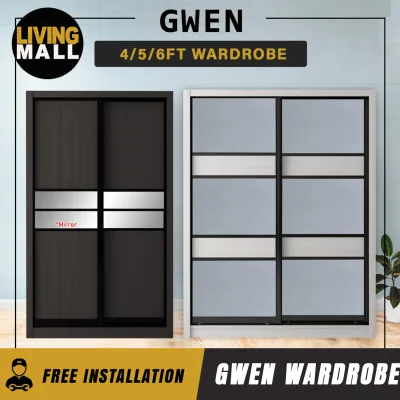
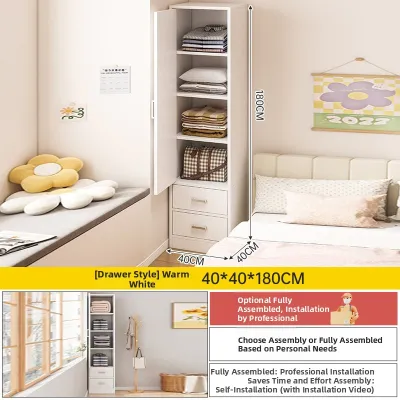
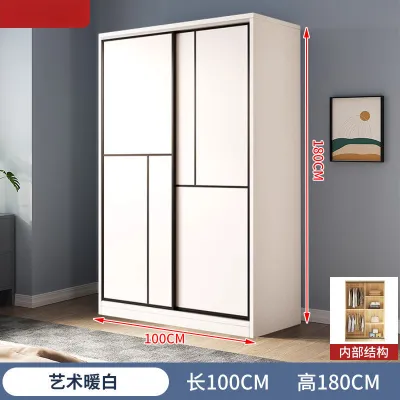
Products mentioned in this guide
![[SG Seller] Twentyone Solid Plywood Sliding Door Wardrobe (5FT /6FT Available + Free Installation)](https://img.lazcdn.com/g/p/0be92a77a8a20d41ff3f03b707c28fa0.jpg_400x400q80.jpg_.webp)
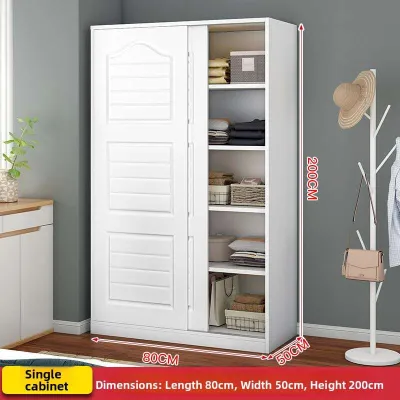
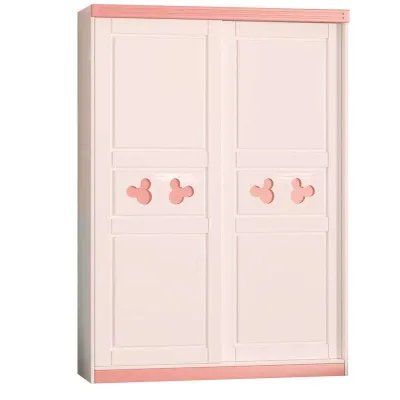
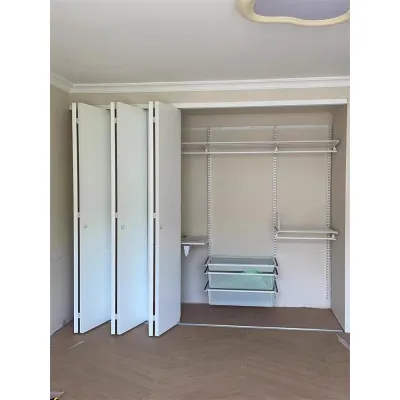
Prices are valid at publication and may change. Please refer to the product page for the latest price.
Wall plumbness—whether your walls are perfectly vertical—is another essential structural check. If your bedroom walls bow outward or lean inward, a standard modular wardrobe will leave unsightly gaps at the sides, and the sliding doors may not align properly with the end panels. Furthermore, you must evaluate the ceiling height and the presence of structural beams. Standard HDB ceilings typically measure around 2.6 meters, but structural beams can lower this clearance significantly in certain corners. Knowing these dimensions determines whether you can install a top-hung sliding system, which requires a robust and level overhead structure, or if you must opt for a bottom-rolling system that distributes the door weight across the floor.
Sliding Door Mechanisms: What to Compare
When evaluating different wardrobe brands in Singapore, the technical specifications of the sliding door hardware should be your primary focus. The two main types of sliding mechanisms are top-hung and bottom-rolling systems, each offering distinct operational characteristics. Top-hung systems suspend the wardrobe doors from a heavy-duty upper track, meaning the weight of the doors is carried entirely by the top frame. This design eliminates the need for a deep bottom track, resulting in a cleaner look and preventing dust from obstructing the door’s movement. However, top-hung systems require a highly rigid wardrobe carcass or direct anchoring to a concrete ceiling beam to prevent the frame from sagging over time.

Bottom-rolling systems support the weight of the doors on rollers that glide along a bottom track, while the top track simply guides the doors to keep them upright. This system is highly stable and easier to install, making it a common choice for standard modular wardrobes. The primary drawback of bottom-rolling tracks is their susceptibility to dirt, hair, and dust accumulation, which can cause the rollers to bump or jump off the track if not cleaned regularly. When comparing brands, look for bottom-rolling systems that feature sealed ball-bearing rollers, as these offer a smoother glide and are less prone to wear than simple plastic wheels.
Regardless of the track system, high-quality hardware features are essential for long-term reliability. Soft-close dampers are crucial; they slow the door down as it approaches the side panel, preventing loud slams and reducing wear on the frame. Additionally, ensure the system includes anti-jump mechanisms, which are safety clips or specialized roller designs that prevent the door from lifting out of its track if opened with excessive force. Finally, consider how your choice of panel material affects the system. Heavy materials like solid wood, thick mirrors, or colored glass panels place significantly more stress on the rollers and tracks than lightweight engineered wood or acrylic panels. Ensure the brand you select rates their sliding hardware for the specific weight of your chosen panels.
Comparing Wardrobe Brands: A Conditional Framework
Because no single wardrobe brand fits every HDB bedroom layout or budget, homeowners should use a conditional framework to match their specific requirements to the right category of brand. The Singapore market generally consists of three main options: custom carpentry services, modular system furniture brands, and specialized sliding door manufacturers. Understanding the trade-offs of each category allows you to narrow down your choices based on your room’s physical constraints and your personal priorities.
Custom carpentry brands are ideal if your HDB bedroom features irregular walls, protruding structural beams, or if you want a seamless floor-to-ceiling built-in look. Local carpentry workshops can scribe the wardrobe frame directly to your walls and ceiling, eliminating gaps and maximizing storage space. This approach also allows you to customize the internal configuration and choose bespoke sliding door panels, such as integrated LED lighting or custom fluted glass. However, custom carpentry is typically more expensive, has longer lead times, and cannot be easily disassembled or moved if you decide to relocate.
Modular or system furniture brands offer a highly practical alternative if you prioritize standardized components, predictable pricing, and rapid installation. These brands provide pre-fabricated wardrobe carcasses and sliding door systems that can be assembled quickly on-site. Because the components are standardized, sourcing replacement rollers, tracks, or additional internal shelves years down the road is straightforward. This makes modular systems highly adaptable for growing families who may need to reconfigure their storage over time. The limitation of modular brands is that they come in fixed widths and heights, which may leave empty, hard-to-clean gaps between the wardrobe and your HDB walls or ceiling.
Specialized sliding door and wardrobe manufacturers focus exclusively on high-performance sliding mechanisms and premium door materials. These brands often utilize slim aluminum frames and heavy-duty top-hung tracks that can support exceptionally large or heavy glass and mirror panels. If you want to create a walk-in wardrobe feel or require oversized sliding doors that glide effortlessly with a single finger, a specialized manufacturer is often the best choice. While these systems carry a premium price tag, their focus on specialized hardware ensures exceptional durability. Before committing to any brand, always verify if they provide dedicated local after-sales support in Singapore, as sliding doors will eventually require minor adjustments, track realignments, or roller replacements over years of daily use.
Pre-Purchase Verification and Installation Checks
Before finalizing your purchase with any wardrobe brand, you must perform several pre-purchase verifications to ensure the sliding door system will function safely and effectively in your HDB flat. First, request detailed technical specifications regarding the track depth. Sliding door tracks typically require between 8 to 10 centimeters of depth, which is subtracted from the wardrobe’s overall external depth. If your bedroom can only accommodate a 60-centimeter-deep wardrobe, a sliding door system will reduce your internal hanging space to approximately 50 to 52 centimeters, which may cause wide hangers or bulky winter coats to rub against the sliding doors.
Next, confirm the logistics of delivery and installation. HDB passenger lifts have strict weight and height limitations, and some older estates feature smaller lift cabins. If you select oversized sliding door panels, such as single-piece floor-to-ceiling mirrors, verify with the brand whether these panels can fit into your building’s lift. If the panels must be carried up the stairwell, you must clarify any additional labor fees beforehand. Furthermore, ensure that the installation team complies with HDB renovation guidelines, which restrict noisy works to specific hours and require proper protection of common corridors during delivery.
Finally, carefully review the warranty terms provided by the brand. Many standard furniture warranties only cover structural defects in the wooden carcass while excluding moving parts. Because sliding doors rely entirely on mechanical components, you should choose a brand that explicitly covers rollers, tracks, and soft-close dampers under their warranty. A robust warranty on these moving parts is a strong indicator of the manufacturer’s confidence in their hardware’s durability.
Frequently Asked Questions (FAQ)
How do I clean and maintain sliding door tracks?
To maintain a smooth glide, vacuum the bottom tracks weekly using a crevice tool attachment to remove dust, hair, and loose debris. Follow this by wiping the tracks with a damp microfiber cloth to remove accumulated grime. Before applying any lubricants, consult the manufacturer’s care instructions; many modern sliding systems use self-lubricating nylon rollers that can actually be damaged or attract more dust if sprayed with standard household oils or lubricants.
Can I retrofit sliding doors onto an existing built-in wardrobe?
Retrofitting sliding doors onto an existing wardrobe frame is possible but requires careful structural assessment. You must first measure the front edge of the wardrobe carcass to ensure there is at least 8 to 10 centimeters of clear depth available to mount the new track system. Additionally, you must verify that the existing frame is perfectly square and strong enough to support the weight of the new doors; if the structure shows signs of sagging or warping, stop and consult a qualified professional to reinforce the frame before proceeding.
Are mirror sliding doors safe for HDB bedrooms?
Mirror sliding doors are safe for HDB bedrooms provided they meet specific safety standards. When purchasing, verify with the brand that the mirrors are fitted with a safety backing film, which prevents the glass from shattering into dangerous shards if accidentally impacted. Additionally, ensure the mirror panels are securely encased in a rigid aluminum or steel frame with proper edge sealing, and check that the sliding system includes robust anti-jump hardware to keep the heavy panels firmly on their tracks.

Community discussion
Share your experience or ask a question. Comments are reviewed before publication.