
When setting up a premium home office, selecting the right seating is one of the most critical decisions you will make for your long-term comfort and physical well-being. The Tempur ErgoPlus distinguishes itself in the premium home office market through its proprietary memory foam construction, prioritizing pressure relief and contouring support. In contrast, many other leading ergonomic chair brands focus on highly adjustable mechanical frameworks and breathable mesh upholstery. Determining the best overall value depends entirely on your personal preference for seat feel, your specific adjustability requirements, and how you prioritize long-term warranty coverage versus immediate thermal comfort.
In Singapore, where home offices are often integrated into compact urban apartments, a chair must not only support your posture during long working hours but also fit seamlessly into your living space. The tropical climate adds another layer of complexity, making material choice a primary consideration for daily comfort. Balancing these factors requires a clear understanding of how different design philosophies impact your daily work experience.
Core Differences in Design and Materials
The fundamental difference between the Tempur ErgoPlus and other premium ergonomic chairs lies in the philosophy of seat construction. Tempur utilizes its proprietary memory foam, a material originally developed to absorb pressure and distribute weight evenly. When you sit on a memory foam seat pan, the material responds to your body heat and weight, contouring precisely to your shape. This creates a deeply cushioned, cradled sensation that minimizes pressure points on your hips and thighs.
Products mentioned in this guide
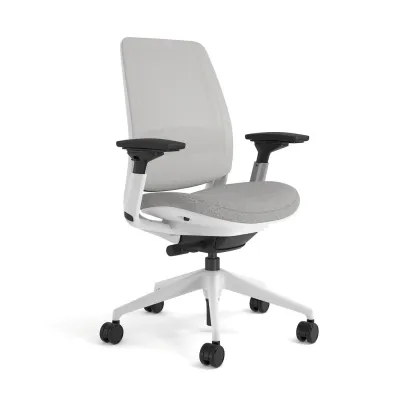
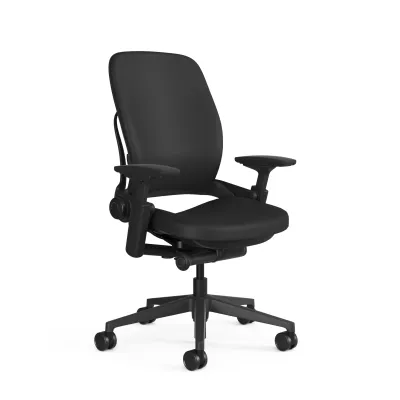
Prices are valid at publication and may change. Please refer to the product page for the latest price.
In contrast, many alternative premium brands favor high-end mesh or hybrid upholstery. Mesh chairs use a tensioned, woven membrane suspended over a rigid frame. Instead of sinking into the seat, you float on top of it. This design provides a springy, responsive feel that immediately adapts to your movements without retaining a physical impression.
For users in warm or humid environments, temperature regulation is a vital factor to evaluate. Memory foam is a dense, solid material that naturally tends to trap and retain body heat over extended sitting sessions. To assess how a foam chair will perform in your workspace, check the manufacturer’s specifications for integrated cooling technologies, such as cooling gel layers, open-cell foam structures designed to promote airflow, or specialized breathable textile covers. Mesh chairs, by virtue of their open-weave design, allow air to circulate freely around your back and thighs, offering superior passive cooling without the need for specialized materials.
Before making a final decision, it is highly recommended to assess the seat pan feel and pressure distribution firsthand. If a physical showroom visit is not possible, look for retailers that offer home trial periods. This allows you to test how the material responds to your body over several consecutive working days, ensuring the seat cushion does not cause discomfort or numbness during prolonged use.
Adjustability and Ergonomic Support
Ergonomic support is not a one-size-fits-all solution; it relies heavily on how well a chair can be adjusted to match your unique body proportions. The Tempur ErgoPlus and its competitors approach this challenge through different mechanical designs.

Lumbar support is a key area of contrast. The ErgoPlus relies primarily on its contoured memory foam backrest to fill the natural curve of your lower spine. The foam molds to your lumbar region, providing a soft, continuous support system. On the other hand, many premium mechanical chairs feature dedicated, adjustable lumbar support systems. These systems often allow you to adjust the height and depth of the lumbar pad independently, or they may feature dynamic tension systems that automatically increase support as you lean back.
When reviewing product specification sheets for any premium chair, pay close attention to the adjustability of the armrests and the tilt mechanism. Look for 4D armrests, which can be adjusted in four directions: height, width (inward and outward), depth (forward and backward), and horizontal angle (pivoting). This level of adjustability ensures your elbows and forearms are properly supported, reducing strain on your shoulders and neck. Additionally, check for a synchro-tilt mechanism, which allows the backrest to recline at a greater angle than the seat pan (typically a 2:1 ratio). This movement keeps your feet flat on the floor and maintains a healthy hip angle as you stretch or recline. A tilt tension knob is also essential, as it lets you customize the resistance of the backrest to match your body weight.
To ensure a chair will physically fit your workspace and body, use this quick measurement checklist before purchasing:
- Measure your desk height: Ensure the chair's seat height can adjust to a level where your forearms rest flat on the desk with your shoulders relaxed.
- Measure your inseam: Sit on a flat surface and measure from the back of your knee to the sole of your foot. The chair's minimum and maximum seat height range must accommodate this measurement so your feet rest flat on the floor.
- Check the seat depth: When sitting fully back against the lumbar support, there should be a gap of approximately two to three fingers between the front edge of the seat pan and the back of your knees to prevent circulation issues.
Durability, Warranty, and Long-Term Value
Investing in a premium ergonomic chair is a long-term commitment to your health and productivity. Evaluating the build quality and after-sales support of different brands is crucial to ensuring you get lasting value from your purchase.
Start by comparing the length and specific terms of the manufacturer’s warranties. Premium brands often offer extensive warranties, but the coverage can vary significantly between different components of the chair. For example, a brand might offer a 10-year or 12-year warranty on the structural frame and base, but limit coverage on moving parts (like the gas lift cylinder, tilt mechanism, and armrests) to 5 years, and fabric or foam degradation to 2 or 3 years. Read the fine print to understand what constitutes normal wear and tear versus a manufacturing defect, especially regarding foam sagging or mesh stretching.
Next, verify the structural integrity of the chair by checking the manufacturer’s stated maximum weight capacity and the materials used in the base. High-quality chairs typically feature bases constructed from polished aluminum, die-cast metal, or heavy-duty reinforced nylon. A metal base generally offers superior stability and longevity compared to standard plastic alternatives.
Finally, consider the maintenance and care requirements of the materials. Memory foam cushions require gentle care; they should be vacuumed regularly using an upholstery attachment to remove dust and debris. If a spill occurs, spot-clean the cover immediately with a damp cloth and mild detergent, taking care not to saturate the underlying foam, as moisture can break down the material’s structure over time. Mesh chairs are generally easier to clean, as dust can be vacuumed directly through the weave, and the frame can be wiped down with a damp cloth. Always refer strictly to the official care labels and user manuals provided by the manufacturer to avoid voiding your warranty.
How to Choose: Tempur ErgoPlus vs. Other Premium Brands
Choosing between the Tempur ErgoPlus and other premium ergonomic brands ultimately comes down to aligning the chair’s design strengths with your personal physical needs and workspace environment.
You should choose the Tempur ErgoPlus if you prefer a plush, contouring seat feel that cradles your body. This chair is highly suitable for individuals who prioritize targeted pressure relief on the hips and tailbone, and who work in a temperature-controlled environment, such as an air-conditioned home office in Singapore. The memory foam construction excels at absorbing impact and providing a soft, stable seating surface that minimizes shifting during the day.
Conversely, you should look toward other premium mesh or hybrid brands if you tend to run hot or work in a naturally ventilated room where airflow is critical. These brands are also the better choice if you require highly customizable, multi-axis mechanical adjustments—such as independent seat depth adjustment, adjustable lumbar tension, and highly articulating armrests—to accommodate a specific sitting posture or a non-standard desk setup.
Before finalizing your purchase, always verify your physical compatibility with the chair. If you have pre-existing spinal conditions, chronic back pain, or are recovering from an injury, consult a qualified healthcare professional or physical therapist for personalized ergonomic recommendations. Additionally, double-check that the chair’s physical dimensions, including its maximum width and base diameter, will fit comfortably through your doorways, lift access, and within your designated home office footprint.
Frequently Asked Questions (FAQ)
Is the Tempur ErgoPlus suitable for warm environments?
Memory foam is a dense material that naturally retains more body heat compared to open-weave mesh designs. In a warm or humid climate like Singapore, a foam-based chair can feel noticeably warm during long working hours if the room is not air-conditioned. If you plan to use the Tempur ErgoPlus in a naturally ventilated space, check the product specifications to see if it includes a cooling textile cover or gel-infused foam layers. Additionally, positioning a fan nearby or ensuring good room ventilation can help manage thermal comfort.
How do I verify chair fit and comfort before purchasing?
To verify the fit of an ergonomic chair without visiting a physical showroom, start by measuring your current chair’s seat height, width, and depth, and compare these figures directly with the online specification sheets of the model you are considering. Next, carefully review the retailer’s return policy and satisfaction guarantees. Look for details regarding the duration of the trial period, whether they offer free return shipping, and if there are any restocking fees or original packaging requirements, as these policies provide a safety net if the chair does not suit your body.

Community discussion
Share your experience or ask a question. Comments are reviewed before publication.