
Direct Answer: Comparing Stability and Load Capacity
When shopping for a standing cloth hanger in Singapore, comparing brands on paper often leads to confusion. The true stability and load capacity of any standing cloth hanger depend far more on its physical design—such as the base footprint, center of gravity, and joint construction—than on the brand name printed on the box. While some brands focus on minimalist aesthetics, others prioritize heavy-duty utility.
As a general rule, flat, heavy bases offer the highest stability for dense loads, whereas tripod or multi-legged designs provide excellent flexibility but require careful, balanced loading. Before making a purchase, always check the manufacturer’s specification label for the exact weight limits, as these ratings dictate how many garments the frame can safely support without bowing or tipping.
Core Metrics to Evaluate Brand Specifications
To make an informed comparison between different standing cloth hanger models, you must look past marketing buzzwords and evaluate specific engineering metrics. Understanding these specifications allows you to predict how a hanger will perform under the weight of your daily wardrobe.
Products mentioned in this guide
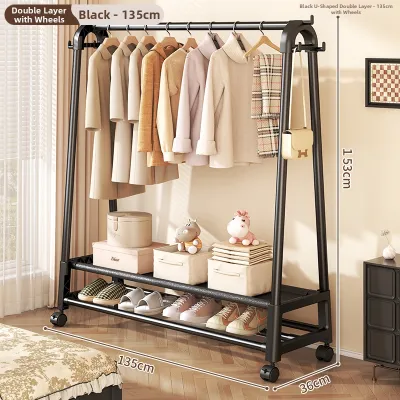
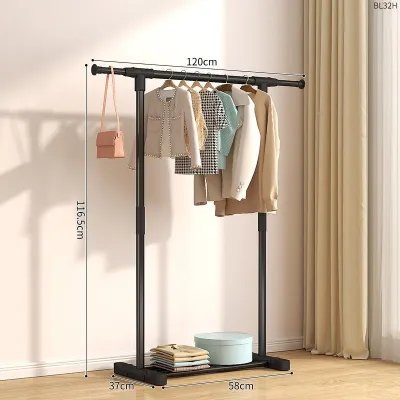

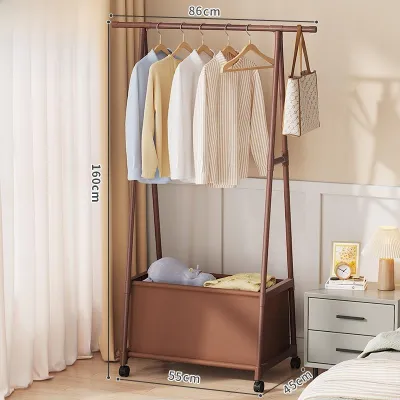
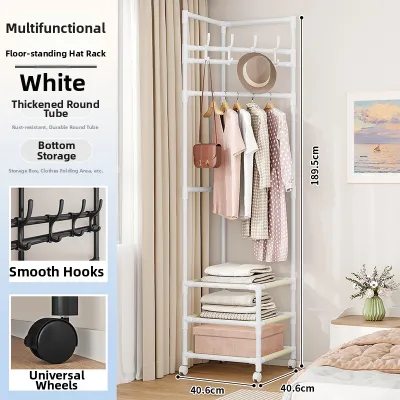
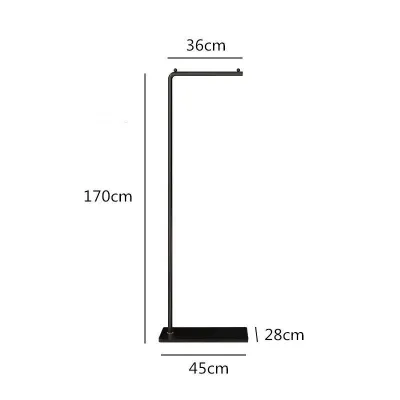
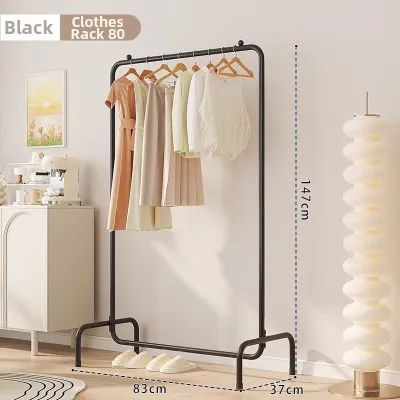

Prices are valid at publication and may change. Please refer to the product page for the latest price.

First, examine the maximum load capacity, paying close attention to how the manufacturer defines this limit. Brands typically specify a static load capacity, which refers to the weight the hanger can support when clothing is distributed evenly and left undisturbed. This is highly different from a dynamic load, which occurs when you hastily throw a heavy wet towel or a thick winter coat onto one side of the hanger. If a specification sheet lists a total capacity of 20 kg, this usually assumes perfect distribution across all hooks or rails, rather than a single heavy item pulling on one point.
Second, evaluate the ratio between the base footprint dimensions and the overall height of the hanging rods. A tall hanger with a narrow base has a high center of gravity, making it inherently prone to tipping. For optimal stability, a taller unit requires a wider or heavier base to anchor the structure. If you have limited floor space in a compact apartment, you must balance the desire for a small footprint with the physical reality that a narrow base limits how high you can safely hang heavy garments.
Finally, inspect the joint construction types used to assemble the hanger. The points where the vertical poles meet the base and where the hanging hooks attach are the most common failure zones. Welded metal joints offer the highest rigidity but are permanent and cannot be disassembled easily. Screwed wooden joints provide a classic look but can loosen over time due to wood expansion in humid climates, requiring periodic tightening. Interlocking bamboo joints or plastic push-fit connectors are highly cost-effective and easy to assemble, but they may develop a noticeable wobble under heavy, repeated stress.
Base Designs and Their Impact on Structural Stability
The base of a standing cloth hanger is its foundation. Different brands utilize distinct base configurations, each suited to specific floor types, room layouts, and usage habits. Choosing the wrong base design can lead to constant tipping, floor damage, or structural failure.
Flat weighted bases, often made of heavy cast iron, solid steel, or dense engineered wood, provide the highest level of stability. Because the bulk of the hanger’s weight is concentrated at the very bottom, the center of gravity remains low even when the top hooks are fully loaded. This design is ideal for hanging heavy items like suits, bags, or damp laundry. However, flat bases require completely even, hard flooring to function correctly. If placed on an uneven surface, a flat base will rock, which can destabilize the entire frame and cause it to wobble every time you remove an item.
Tripod or four-legged wooden bases are highly popular for their classic, decorative appearance. These designs distribute the weight across three or four distinct contact points, making them much more forgiving on slightly uneven floors or thick carpets. The legs can bridge minor floor imperfections without rocking. The trade-off, however, is that legged bases are highly susceptible to tipping if the weight is not distributed evenly. If you hang a heavy bag on a hook that extends past the footprint of the legs, the hanger can easily tip over. Additionally, the legs themselves occupy a larger diagonal footprint, which can take up valuable floor space in tight corners.
Rolling bases equipped with casters offer unmatched convenience, allowing you to move your wardrobe easily from the bedroom to the balcony or laundry area. This mobility is particularly useful in homes where drying clothes in sunny spots throughout the day is common. However, rolling bases are inherently less stable than stationary designs. The elevated height of the casters raises the center of gravity, and the wheels introduce moving parts that can shift under load. To ensure safety, look for rolling hangers that feature robust, independent locking mechanisms on at least two of the wheels, and avoid moving the hanger while it is fully loaded to its maximum capacity.
Material Durability and Weight Capacity Limits
The materials used in a standing cloth hanger dictate not only its aesthetic appeal but also its long-term durability and resistance to environmental factors. In humid tropical climates, material selection plays a critical role in preventing warping, rust, and joint degradation.
Solid wood hangers, such as those crafted from rubberwood, oak, or beech, offer excellent natural rigidity and a high load capacity. The natural weight of solid wood contributes to a lower center of gravity, enhancing overall stability. However, wood is a living material that responds to environmental changes. In high humidity, wood can absorb moisture, leading to slight expansion and contraction that can loosen screw joints over time. If you choose a wooden hanger, you must commit to checking and tightening the hardware periodically to prevent a wobble from developing into a structural failure.
Tubular metal hangers, typically made of steel or aluminum, are highly popular for their lightweight strength and modern appearance. High-quality metal frames are resistant to warping and are completely unaffected by humidity. However, the thickness of the metal tube—often referred to as the gauge—is critical. Thin-gauge metal tubes may look identical to heavy-duty ones in online photos, but they can easily bend or crimp under concentrated heavy loads. When comparing metal hangers, look for specifications detailing the tube diameter and wall thickness, and prioritize powder-coated or rust-resistant finishes to protect the metal from moisture.
Bamboo and engineered wood (such as MDF or particleboard) are highly cost-effective and environmentally friendly alternatives. Bamboo has an impressive strength-to-weight ratio and a natural flexibility that resists snapping. However, both bamboo and engineered wood are highly susceptible to moisture damage if the protective finish is compromised. In humid environments, untreated bamboo can develop mold, while engineered wood can swell and lose its structural integrity if exposed to damp clothes. When selecting these materials, verify that the product has a high-quality, water-resistant sealant or laminate finish, and avoid hanging wet laundry directly onto the frame unless the manufacturer explicitly states it is safe to do so.
Decision Framework: Which Hanger Type Fits Your Needs?
Selecting the right standing cloth hanger requires matching the design and material characteristics to your specific living conditions, wardrobe habits, and flooring. By analyzing your daily routine, you can avoid the frustration of a tipping or sagging hanger.
If your primary goal is to store heavy, dense garments such as winter coats, structured suits, or heavy bags in a compact space, a flat-base metal hanger is the most reliable choice. The heavy base keeps the unit stable even when loaded to capacity, and the rigid metal frame will not bend under concentrated weight. This setup is ideal for placement on hard, level floors in entryways or bedroom corners where floor space is at a premium.
If you prioritize a warm, natural aesthetic and plan to hang lighter, everyday clothing like shirts, light jackets, and scarves, a wooden tripod or four-legged hanger is highly suitable. These designs blend seamlessly into bedroom decor and perform exceptionally well on rugs or carpets, where the individual legs can settle securely into the fibers. Just remember to distribute your items evenly around the central pole to maintain balance.
Before making your final decision, always assess your floor surface and mobility needs. If your floors are slightly uneven, or if you live in a rented space where you cannot guarantee perfectly level surfaces, adjustable leveling feet are a crucial feature to look for. If you need to move your hanger frequently to catch the sunlight or clear space for guests, prioritize a model with high-quality, lockable casters.
Finally, keep in mind that standing cloth hangers have physical limitations. If you require commercial-grade storage for an extensive wardrobe, or if you need to hang dozens of heavy garments simultaneously, a single standing hanger may not suffice. In such scenarios, attempting to overload a standing unit poses a safety hazard. Instead, consider alternative space-saving solutions, such as wall-mounted clothing rails or ceiling-track drying systems, which transfer the load directly to the building’s structure.
Frequently Asked Questions (FAQ)
How can I prevent a standing cloth hanger from tipping over?
To prevent a standing cloth hanger from tipping, always distribute the weight of your clothing evenly across all available hooks and rails. Avoid hanging all your heavy items, such as bags or thick jackets, on one side of the frame. Instead, place heavier items on the lower hooks or closer to the central support pole to keep the center of gravity as low as possible. Additionally, ensure the hanger is positioned on a completely flat, level surface, and regularly check that all assembly screws, bolts, and joints are tightened securely according to the manufacturer’s instructions to eliminate any structural wobble.
Does the type of flooring affect the stability of a cloth hanger?
Yes, the flooring material plays a significant role in how stable your standing cloth hanger will be. Hard, smooth floors like tile, polished concrete, or vinyl work best with flat-base hangers, but you should apply felt or rubber pads to the bottom of the base to prevent sliding and protect your floors from scratches. Conversely, thick carpets or rugs can cause flat bases to tilt or sink unevenly. For carpeted areas, a legged design with a wider stance is often more stable, as the individual legs can press through the carpet pile to reach the solid subfloor beneath. Always check the material of the hanger’s feet and use non-slip pads if the unit shifts when you hang or remove clothing.

Community discussion
Share your experience or ask a question. Comments are reviewed before publication.