
Comparing stainless steel kitchen cabinet brands in Singapore requires looking beyond surface aesthetics to evaluate material grades, fabrication methods, and pricing structures. While many brands promise lifetime durability, the actual value depends on whether they offer modular or bespoke construction, the specific grade of steel used, and how transparently they price their installation and customization options. By understanding these core differences, you can select a provider that matches your kitchen layout, functional needs, and budget.
To make an informed investment, homeowners must look past marketing terms and evaluate physical material samples, construction details, and installation terms. This guide provides a structured framework to compare local brands and identify the best balance of durability, design flexibility, and value for your specific kitchen layout.
Evaluating Build Quality and Material Specifications
When comparing stainless steel kitchen cabinet brands, the most critical factor is the grade of steel used in construction. High-quality brands primarily use Grade 304 stainless steel, which contains chromium and nickel to provide excellent resistance to rust and corrosion in Singapore’s humid climate. Lower-end or budget-focused brands may use Grade 201, which is more susceptible to tea-staining, pitting, and rust when exposed to moisture, salt, and household cleaning agents. Always ask the provider to explicitly state the steel grade of both the cabinet carcass and the door panels in their written specifications.
Products mentioned in this guide
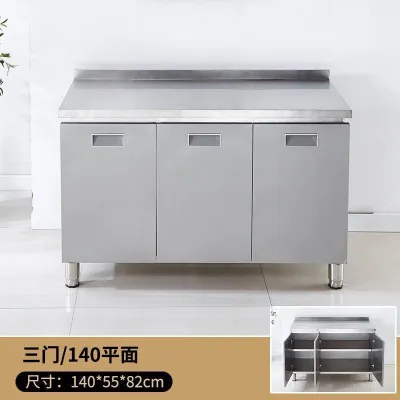
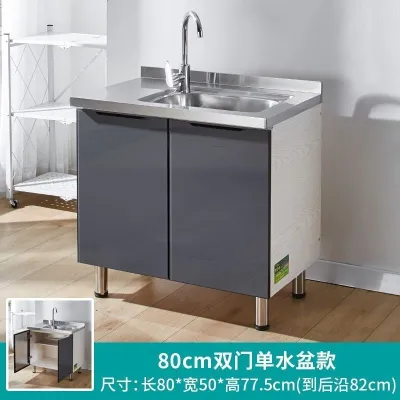
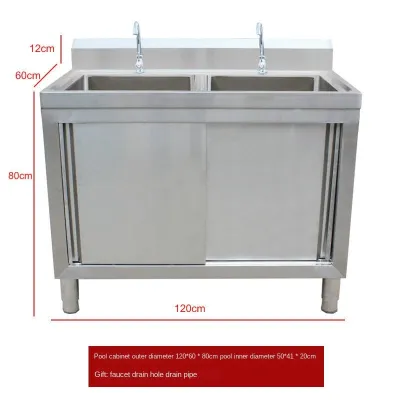
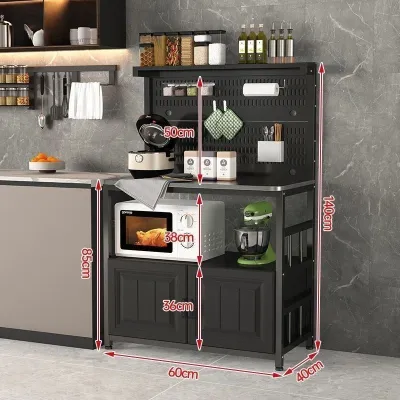
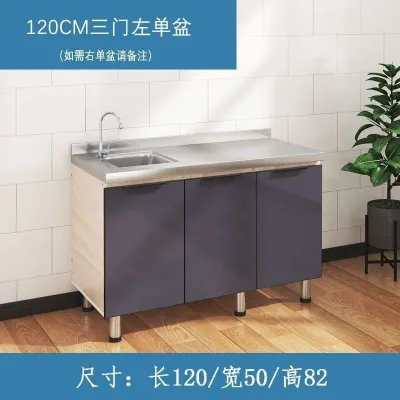
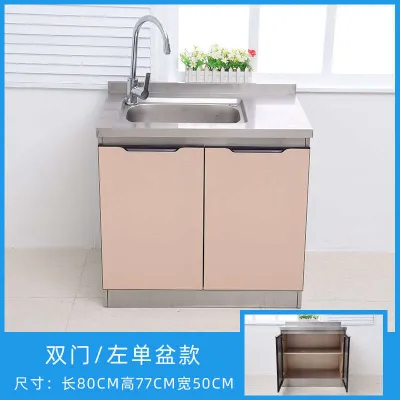
Prices are valid at publication and may change. Please refer to the product page for the latest price.
The thickness, or gauge, of the steel sheet directly impacts the cabinet’s structural integrity and resistance to denting. Premium brands typically use steel sheets ranging from 0.8mm to 1.2mm in thickness (approximately 18 to 22 gauge). Thinner steel sheets are more prone to warping under weight and can produce a hollow, tinny sound when doors are closed. To mitigate this, reputable manufacturers apply high-density sound-dampening pads or foam backing to the interior of the door panels and the underside of countertops, which absorbs vibration and creates a solid, premium feel.
Fabrication and assembly methods also separate premium brands from budget alternatives. Inspect the joints and edges of the cabinets; high-quality construction features seamless welding and ground-down, polished edges rather than visible pop rivets or self-tapping screws. Welded joints prevent moisture and dirt from accumulating in crevices, which is vital for kitchen hygiene. Additionally, check how the cabinet carcasses are anchored to your walls. Because stainless steel is heavier than traditional plywood, the mounting brackets and wall anchors must be robust and professionally installed to prevent sagging over time.
Finally, evaluate the hardware compatibility and load-bearing capacity of the cabinet units. The hinges, drawer runners, and pull-out mechanisms should be made of corrosion-resistant materials, preferably matching Grade 304 stainless steel or featuring high-grade protective coatings. Because kitchen drawers hold heavy pots, pans, and tableware, verify the load ratings of the drawer slides. High-quality brands partner with established hardware manufacturers to offer soft-close mechanisms rated for at least 30kg to 50kg of weight per drawer, ensuring smooth operation under heavy loads.
Assessing Customization and Design Flexibility
Kitchen layouts in Singapore, particularly in HDB flats and older condominiums, often feature irregular dimensions, structural pillars, and tight corners. When choosing a brand, you must distinguish between semi-custom modular systems and fully welded bespoke fabrications. Modular brands offer pre-fabricated cabinet units in standardized widths (such as 300mm, 450mm, and 600mm). While these systems are highly efficient and easier to plan, they may require wide filler panels to close gaps against your walls, which can result in wasted storage space in tight layouts.

In contrast, bespoke fabricators build each cabinet carcass to the exact millimeter of your kitchen’s footprint. This allows for seamless integration around structural columns, pipes, and uneven walls. However, fully customized fabrication requires longer lead times and highly precise site measurements. Before committing to a brand, measure your kitchen’s entryways, lift dimensions, and doorway clearances. Fully welded bespoke cabinets are often delivered as large, rigid units that cannot be disassembled, meaning they must be able to fit through your building’s passenger lift and front door during delivery.
Another key aspect of customization is the variety of finishes and colors available. While raw, brushed stainless steel offers a sleek, professional look, it can sometimes feel clinical in a residential setting. Many brands now offer alternative finishes, such as matte, hairline, or colored PVD (Physical Vapor Deposition) coatings. PVD coatings bond color directly to the steel at a molecular level, offering elegant shades like champagne gold, bronze, and gunmetal grey. Keep in mind that these specialized finishes require gentle care; abrasive scrubbers or acidic cleaners can wear down the colored layer over time.
Your chosen brand must also demonstrate the capability to integrate appliances and specialized storage solutions seamlessly. Check if the manufacturer can create precise, reinforced cutouts for your specific hob, built-in oven, and dishwasher. Some premium brands offer integrated stainless steel countertops with sinks welded directly into the surface, eliminating seams where water and grime typically collect. If you prefer a stone countertop, such as quartz or granite, ensure the stainless steel cabinet carcass is structurally rated to support the immense weight of the stone slab without bowing.
Understanding Pricing Structures and Value
Comparing quotes from different stainless steel cabinet brands can be challenging due to varying pricing models. In Singapore, traditional carpentry is often quoted per foot run or per linear meter. Some stainless steel brands adopt this linear pricing model, while others charge per individual modular carcass unit. When evaluating quotes, request a fully itemized breakdown in S$ that separates the cost of the cabinet carcasses, door panels, countertops, hardware, and internal organizers. This transparency allows you to compare the actual material costs across different providers.
Beyond the base cabinet costs, homeowners must account for potential hidden fees that can significantly inflate the final invoice. Ask whether the initial quote includes delivery, installation, and the dismantling and disposal of your existing kitchen cabinets. In Singapore, disposing of old built-in cabinetry requires proper handling and disposal fees, which may not be included in a standard fabrication quote. Additionally, check if there are extra charges for complex on-site installations, such as cutting holes for plumbing pipes, electrical outlets, or gas lines.
Warranty terms offer a clear indication of a brand’s confidence in its product quality and provide long-term value security. While many brands advertise a “lifetime warranty,” it is crucial to read the fine print to understand what is actually covered. A robust warranty should cover structural integrity, such as the cabinet carcass resisting rust, warping, or joint failure under normal residential use. However, cosmetic wear and tear, surface scratches, accidental dents, and third-party hardware like hinges and drawer runners are often subject to shorter, limited warranty periods.
Decision Framework: Choosing the Right Provider
To select the ideal stainless steel kitchen cabinet brand for your home, align your project priorities with the strengths of each manufacturer type. Use the following guidelines to guide your decision:
- Choose a modular-focused brand if: Your kitchen has a standard rectangular layout without awkward pillars, you are working within a strict budget, and you require a faster installation timeline. Modular systems offer predictable pricing, standardized quality control, and quicker turnaround times because the components are pre-fabricated.
- Choose a bespoke fabricator if: You have an irregular kitchen layout with structural columns, want to maximize every centimeter of storage space, require a seamless integrated sink, or desire unique colored PVD finishes. Bespoke fabrication is ideal for homeowners seeking a highly tailored, architectural look who are willing to invest more time and budget.
Before making your final decision, always verify the quality of the brand firsthand. Visit the provider’s showroom to inspect their display units. Open and close the drawers to test the stability of the runners under simulated weight, run your fingers along the welded joints to check for smooth finishing, and knock on the panels to evaluate the effectiveness of their sound-dampening materials. Finally, request physical metal samples of the exact steel grade and finish you intend to order, allowing you to view them under your home’s natural and artificial lighting before signing the contract.
Frequently Asked Questions (FAQ)
Are stainless steel cabinets prone to denting or scratching?
Yes, stainless steel can scratch and dent under heavy impact, but proper material selection minimizes these risks. Choosing a thicker steel gauge, such as 1.0mm or 1.2mm, significantly increases resistance to denting from accidental bumps. To minimize the visibility of daily wear and tear, opt for brushed, hairline, or textured embossed finishes rather than highly polished mirror surfaces. Always follow the manufacturer’s care instructions, which typically recommend wiping along the grain of the metal with a soft microfiber cloth and avoiding abrasive steel wool or harsh chemical cleaners.
Can I mix stainless steel cabinets with other materials?
Absolutely. Mixing materials is an excellent way to soften the industrial look of stainless steel and create a warm, balanced kitchen design. A popular configuration in Singapore homes is using stainless steel base cabinets for their superior water and pest resistance, paired with wood laminate or glass-fronted upper cabinets. When combining materials, ensure your designer or installer verifies the joining methods, load-bearing capacities, and material expansion tolerances where the different elements meet to ensure a stable and durable installation.

Community discussion
Share your experience or ask a question. Comments are reviewed before publication.