
When comparing rotatable dining chairs across different brands, the most reliable indicator of longevity is not the brand name itself, but the specific engineering of the swivel plate and the structural joints of the seat. Because manufacturing standards vary widely, determining which brand offers the best reliability for the price requires evaluating the mechanical bearings, base materials, and warranty coverage for moving parts. By focusing on these physical components rather than marketing claims, you can identify a chair that maintains its stability and smooth rotation through years of daily meals and social gatherings.
In Singapore’s warm and humid climate, material selection becomes even more critical, as moisture can accelerate the wear of internal metal parts and degrade low-quality adhesives or upholstery. A well-constructed swivel chair should feel solid from the moment you sit down, rotating without any lateral tilt, grinding noises, or resistance. Understanding the anatomy of a high-quality swivel mechanism is the first step toward making an investment that stands the test of time.
Evaluating Swivel Mechanism Durability
The heart of any rotatable dining chair is its swivel mechanism, which bears the user’s weight while facilitating smooth rotation. To assess durability, you must look closely at the type of bearings used inside the swivel plate. High-quality chairs typically utilize sealed ball bearings, which are enclosed in a protective metal casing. This design prevents dust, food crumbs, and ambient moisture from entering the bearing track, ensuring the rotation remains smooth and quiet over thousands of cycles. In contrast, budget-friendly options often rely on basic plastic bushings or open bearing tracks. These open systems are highly susceptible to debris accumulation, which leads to friction, squeaking, and eventual mechanical failure.
Products mentioned in this guide
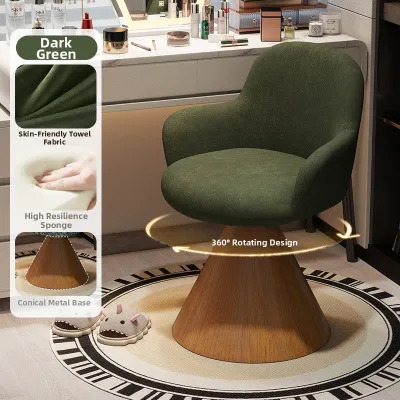
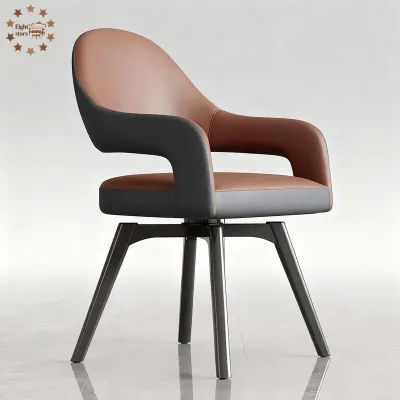
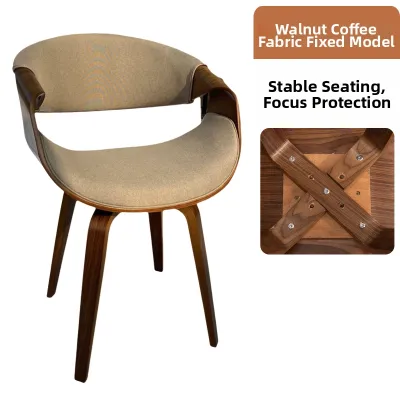
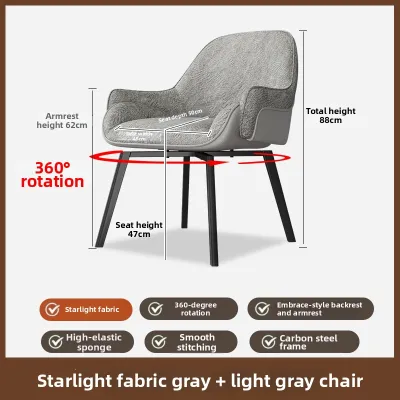
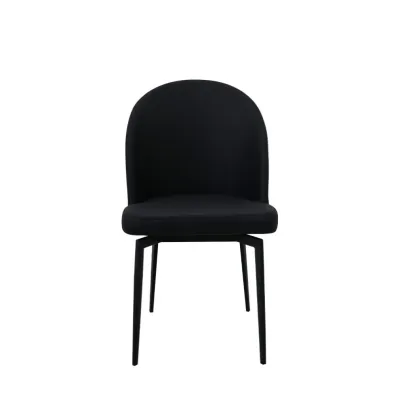
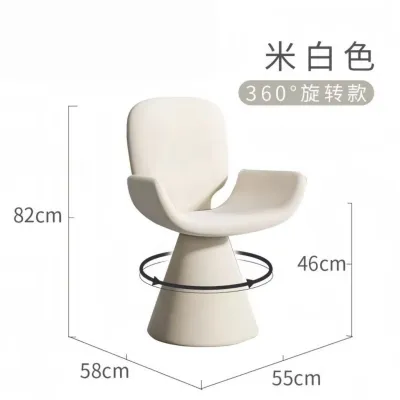
Prices are valid at publication and may change. Please refer to the product page for the latest price.
The material and thickness of the swivel plate itself are equally important. Look for plates constructed from heavy-gauge steel or cast iron rather than thin stamped metal. Heavy-gauge steel resists warping under the dynamic forces exerted when a person sits down, stands up, or turns. A thin metal plate can easily bend or warp over time, causing the chair to develop a permanent tilt or a noticeable wobble. When inspecting a chair, look underneath the seat to verify that the swivel plate is thick, robust, and finished with a rust-resistant powder coating to protect against humidity.
Weight capacity labels provide a helpful benchmark for evaluating structural safety margins. When reviewing manufacturer specifications, look for chairs with a rated capacity that comfortably exceeds the weight of the heaviest user in your household. A higher weight rating generally indicates that the manufacturer has used stronger steel plates and more robust bearings. Keep in mind that dynamic movement—such as sitting down quickly or spinning—exerts significantly more force on the mechanism than static sitting, making a generous safety margin essential for long-term durability.
Finally, evaluate the rotation smoothness and the presence of a return-to-center mechanism during an in-store test. A quality swivel chair should glide effortlessly with minimal resistance, yet it should not spin so freely that it feels unstable or difficult to control. Many premium and mid-range dining chairs feature an auto-return mechanism, which uses an internal tension spring to automatically align the seat back with the dining table when you stand up. Test this feature by rotating the chair and letting go; it should return to its original position smoothly and quietly, without snapping back violently or stopping halfway through the turn.
Assessing Frame and Upholstery Build Quality
While the swivel mechanism enables movement, the chair’s frame and upholstery must be strong enough to withstand the constant pushing, pulling, and twisting associated with daily dining use. Solid hardwoods, such as oak, ash, or rubberwood, provide an excellent foundation for wooden frames, provided they are properly kiln-dried to resist warping in humid environments. For metal frames, look for powder-coated steel or aluminum with continuous, clean welds rather than weak spot welds. Avoid frames constructed primarily from low-grade engineered wood or thin plastic shells, as these materials can crack under the torsional stress generated by a rotating seat.

The connection point where the swivel mechanism attaches to the seat shell is a common failure point that requires careful inspection. In a poorly constructed chair, the swivel plate is often screwed directly into the wooden underside of the seat using standard wood screws, which can easily strip the wood fibers over time. A durable chair utilizes a reinforced mounting plate secured with threaded metal inserts or T-nuts embedded deep within the seat structure. This metal-on-metal connection ensures that the bolts remain tight and secure, even after years of frequent rotation.
Upholstery durability is another critical factor, especially for chairs that will see daily use. If the manufacturer provides fabric specifications, look for a double-rub count—measured via the Wyzenbeek or Martindale method—of at least 15,000 to 30,000 rubs for residential dining. For households with high traffic, synthetic leathers like polyurethane (PU) offer easy cleaning, but you must check that the material is thick and breathable to prevent peeling in warm climates. Additionally, inquire about the foam density used in the seat cushion; high-density polyurethane foam (typically 30kg/m³ or higher) retains its shape and support much longer than low-density alternatives, which tend to sag and bottom out.
Pay close attention to the edge finishing and stitching quality around the perimeter of the chair. Because rotatable chairs are frequently turned near the edge of the dining table, the upper corners and sides of the backrest are highly prone to bumping against the table top. Look for reinforced double-stitching, piping, or protective welting along these high-contact edges. These details prevent the fabric or leather from fraying or tearing when the chair inevitably makes contact with the hard edges of your dining table.
Comparing Brand Tiers and Value Propositions
Navigating the market requires understanding how different brand tiers balance construction quality against retail pricing. Premium furniture brands typically invest heavily in custom-engineered swivel mechanisms, solid hardwood or heavy-duty steel frames, and high-performance, stain-resistant fabrics. These brands often back their products with comprehensive warranties that specifically cover the moving parts of the swivel mechanism for five to ten years. While the initial investment is higher, the longevity of these chairs often makes them more cost-effective over a decade of use.
Mid-range options, which typically fall within typical S$150 to S$400 dining furniture budgets, offer a practical balance of durability and style. To spot good value in this tier, look for brands that prioritize structural integrity over elaborate design flourishes. Many reliable mid-range chairs utilize standard commercial-grade swivel plates paired with mixed-material frames, such as an engineered wood seat shell supported by solid metal legs. When shopping in this price bracket, verify that the manufacturer offers at least a one- to two-year warranty on the mechanical components, which provides peace of mind against early defects.
Budget alternatives, often found on mass-market online marketplaces, carry several red flags that buyers should avoid. These chairs frequently feature lightweight plastic swivel housings, thin-walled metal legs, and low-density foam cushions that degrade rapidly. Furthermore, budget brands rarely offer warranty coverage for mechanical parts, meaning a failed bearing or a bent plate will require you to replace the entire chair. If you must purchase within this tier, look for models with the simplest possible swivel designs and avoid complex auto-return features, which are more prone to failure when constructed with cheap components.
Before making a purchase, evaluate the brand’s after-sales support and the availability of replacement parts. Even the highest-quality swivel mechanisms can eventually wear out after years of heavy use. Brands that sell individual replacement swivel plates, glides, or casters allow you to perform simple repairs at home, extending the lifespan of your furniture without requiring a complete replacement. Check if the retailer has a dedicated customer service channel or a local service center that can assist with replacement parts or professional repairs if needed.
Decision Framework for Your Dining Space
Selecting the right rotatable dining chair involves matching the chair’s specifications to your household’s daily habits and spatial constraints. Choose premium, heavy-duty brands if your dining area serves as a multi-functional space, such as a home office or a homework station for children, where the chairs will experience hours of continuous daily use. These demanding environments require the superior ergonomics, high-density foam, and robust steel bearings found in top-tier construction to prevent premature wear and physical discomfort.
Conversely, mid-range brands are highly suitable if the chairs are intended for occasional use, such as in a formal dining room reserved for weekend dinner parties, or in smaller apartments where space is limited. In these scenarios, the chairs undergo less physical stress, allowing you to prioritize aesthetic trends, unique fabric textures, or compact profiles over heavy-duty industrial engineering. However, ensure that the chosen model still meets basic stability standards to guarantee guest safety.
Neither option may fit your space if your dining table height is incompatible with the chair’s dimensions. Standard dining tables typically stand at a height of 75cm, while swivel chairs often feature higher seat profiles or integrated armrests to accommodate the rotating mechanism underneath. Before buying, measure the distance from the floor to the underside of your table apron. If the chair’s armrests or seat depth prevent it from sliding fully under the table, it will restrict clearance, clutter your walkways, and limit the usable space in your dining room.
Additionally, verify if your flooring type requires specific protective measures before introducing rotatable chairs. Swivel chairs with rolling chairs can quickly scratch or dent delicate flooring materials like soft vinyl, laminate, or unsealed hardwood due to the concentrated pressure of the wheels. If you prefer a rolling base, ensure the casters are made of soft polyurethane (PU) or use a protective chair mat. For fixed swivel bases, check that the legs are fitted with durable felt pads or non-marking rubber glides to prevent scuffing during rotation.
Pre-Purchase Inspection and Maintenance
Performing a thorough pre-purchase inspection is the best way to verify a chair’s build quality before it arrives at your home. When visiting a showroom, sit in the chair and perform a full 360-degree rotation, paying close attention to any resistance or uneven spots in the movement. Lean slightly to the left, right, front, and back while seated to check for lateral wobble or play in the swivel joint. Listen carefully for any grinding, clicking, or squeaking noises, which can indicate poorly aligned bearings or a lack of proper lubrication inside the mechanism.
Clearance measurements are equally vital to ensure the chairs function harmoniously within your dining room layout. Ensure there is a minimum of 60cm to 75cm of open space behind each chair when it is pulled out from the table, allowing users to rotate and exit comfortably without striking nearby walls, sideboards, or table pedestals. If your dining table features a central pedestal base rather than four corner legs, verify that the chair’s base or feet do not collide with the pedestal when the seat is rotated.
Maintaining your rotatable dining chairs requires only a few simple, periodic tasks to preserve the integrity of the swivel mechanism. Every six months, use a vacuum cleaner with a brush attachment to clear away dust, pet hair, and food crumbs that may have accumulated around the swivel plate and bearing track. At the same time, use a screwdriver or hex key to check and tighten the mounting screws underneath the seat, as the vibration from daily rotation can gradually loosen these connections over time.
Knowing when to stop using a chair is crucial for preventing accidents and protecting your home. If a chair suddenly develops a severe lean, drops in height when sat upon, or begins making loud cracking or popping sounds during rotation, cease using it immediately. These warning signs indicate that the internal bearings have failed or the mounting plate has cracked, compromising the chair’s structural stability. In such cases, contact the manufacturer for replacement parts or consult a professional furniture repair service before allowing anyone to sit in the chair again.
Frequently Asked Questions (FAQ)
Can a standard dining chair be retrofitted with a swivel base?
Converting a standard, fixed-leg dining chair into a rotatable one is generally not recommended by furniture professionals. Standard dining chairs are designed to distribute weight vertically down four fixed legs, and their seat frames often lack the flat, heavily reinforced bottom structure required to mount a swivel plate. Attempting a DIY retrofit by attaching a swivel mechanism to a standard chair can create severe leverage forces that the original frame was never engineered to handle, risking wood splitting, joint failure, or a sudden collapse. Furthermore, modifying the chair’s original structure will immediately void any manufacturer warranties.
What floor types are most susceptible to damage from swivel dining chairs?
Soft flooring materials, including luxury vinyl tiles (LVT), laminate, and unsealed or soft hardwoods like pine, are highly susceptible to damage from the repetitive pivoting motion of swivel dining chairs. The constant twisting action concentrates friction on a small surface area, which can wear away protective topcoats, leave unsightly scuff marks, or cause deep scratches. To protect these vulnerable surfaces, always equip fixed swivel chairs with high-quality felt pads or rubber glides, and inspect them regularly for embedded grit. For swivel chairs with rolling bases, using a low-pile area rug or replacing hard nylon wheels with soft polyurethane casters will significantly reduce the risk of floor damage.

Community discussion
Share your experience or ask a question. Comments are reviewed before publication.