
Selecting a recliner sofa that delivers both exceptional seat comfort and optimal back support requires looking beyond aesthetics. Because comfort is highly subjective and individual body proportions vary significantly, there is no single “best” recliner brand on the market. Instead, the right choice depends on how well a specific brand’s design philosophy, cushion engineering, and mechanical features align with your physical build, posture requirements, and daily habits.
To find a recliner that prevents fatigue and supports your spine over hours of use, you must evaluate several critical structural elements. Understanding how different manufacturers balance plush cushioning with structural integrity will help you navigate the showroom and make a decision that protects your physical well-being.
Core Dimensions for Evaluating Recliner Comfort
To objectively compare different recliner types, you need to look at the engineering beneath the upholstery. Comfort is a product of three primary dimensions: cushion composition, backrest contouring, and mechanical movement.
Products mentioned in this guide
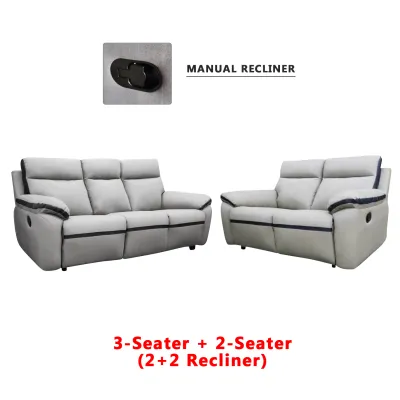
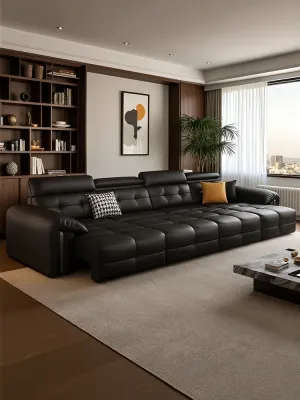
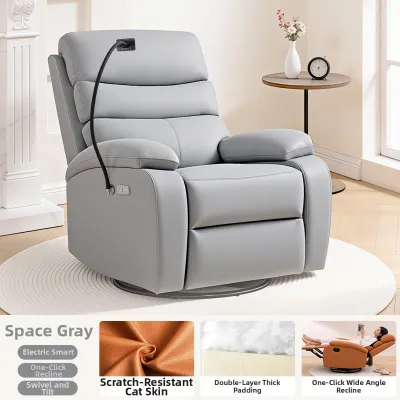
Prices are valid at publication and may change. Please refer to the product page for the latest price.
Cushion Density and Fill Materials
The longevity and feel of a recliner seat depend heavily on its internal support core. High-resilience (HR) polyurethane foam is the industry standard for supportive seating, often wrapped in a softer polyester fiber or down-blend layer to provide an initial “sink-in” sensation. When evaluating cushions, ask about the foam density. High-density foam (typically rated above 30 kg/m³) retains its shape and supportive properties for years, preventing the bottoming-out effect that causes lower back strain. In contrast, low-density foams soften rapidly, leading to sagging seats that misalign your pelvis. Some premium brands integrate pocketed inner-spring coils within the foam core, offering a responsive, mattress-like support system that distributes body weight evenly.
Backrest Contouring and Lumbar Support
A well-designed backrest must maintain the natural S-curve of your spine. The most common complaint with standard recliners is the “lumbar gap”—an empty space between the lower backrest and your lumbar spine that forces your muscles to remain tense. Look for brands that feature pronounced, built-in lumbar curves or active lumbar support systems that shift forward as you recline. Additionally, headrest adjustability is crucial. An articulating headrest allows you to tilt your head forward to watch television or read while fully reclined, preventing neck strain and keeping your cervical spine in a neutral position.
Recline Mechanisms and Weight Distribution
The transition from upright sitting to a fully reclined position should feel effortless and balanced. High-quality manual recliners use body-weight tension mechanisms that respond smoothly to your movements without sudden jerks. Power recliners, driven by single or dual electric motors, offer infinite adjustability, allowing you to stop the backrest and footrest at any precise angle. Dual-motor systems are particularly beneficial because they operate the backrest and footrest independently, letting you keep your back upright while elevating your legs to reduce lower extremity swelling.
Comparing Brand Design Philosophies for Seat and Back Support
Recliner manufacturers generally fall into three distinct design categories, each targeting different comfort preferences and lifestyle needs.

Ergonomic and Heritage-Focused Brands
These manufacturers prioritize anatomical alignment and physiological health. Their designs are often developed in consultation with ergonomic specialists or chiropractic associations. The seating profile of these brands is typically firmer, utilizing high-density molded foam that contours to your body shape without allowing you to sink too deeply. They emphasize active support, meaning the chair dynamically adjusts its lumbar and head support as you change angles. These recliners are ideal if you suffer from chronic back pain, require structured support for long reading sessions, or prefer an active, upright sitting posture.
Modern Modular and Lifestyle Brands
Lifestyle brands focus on deep-seat comfort, casual aesthetics, and relaxed lounging. These recliners often feature wider seats, thicker pillow-top armrests, and plush down-blend or fiber-filled cushions that create a cloud-like, enveloping sensation. While highly comfortable for short-term relaxation or napping, these models sometimes sacrifice structured lumbar support. The softer cushions allow your pelvis to tilt backward, which can lead to slouching over extended periods. These brands are best suited for casual living rooms where the primary goal is informal relaxation rather than therapeutic spinal support.
Value and Mass-Market Brands
Mass-market brands aim to balance standard comfort features with affordability, often offering recliners priced under S$800. These models typically use standard-density block foam and basic manual recline mechanisms. While they can be highly comfortable initially, they require careful in-person testing to verify the quality of the frame and cushion resilience. Because these brands may use lighter-gauge steel in their mechanisms or lower-density foam in the lumbar region, you must inspect the joints and padding thickness to ensure the chair will not lose its supportive qualities within a few years of daily use.
Matching Recliner Support to Your Body Type and Posture Needs
A recliner that feels like a custom-fit throne for one person can feel highly uncomfortable for another. Personal physical proportions must dictate your final choice.
Height, Seat Depth, and Leg Support
Your height determines the ideal seat depth and backrest height. When sitting fully upright with your back against the backrest, your knees should bend comfortably at a 90-degree angle, and your feet should rest flat on the floor. If the seat depth is too deep, the edge of the cushion will press against the back of your knees, restricting circulation. If the seat is too shallow, your thighs will lack adequate support, placing extra pressure on your sit bones. Furthermore, when the footrest is fully extended, your heels should rest slightly over the edge of the cushion; if your ankles hang completely unsupported, it can lead to joint strain over time.
Weight Distribution and Frame Stability
Your body weight influences how deeply you compress the cushioning. Heavier individuals require firmer, high-resilience foam and robust steel frame constructions to prevent bottoming out against the wooden frame rails. When testing a recliner, check for lateral stability. Lean slightly from side to side while reclined; the frame should feel solid, without any swaying, creaking, or flexing. A sturdy, heavy-duty steel mechanism ensures that your weight is distributed evenly across the base, preventing pressure points on your hips and lower back.
Addressing Specific Discomfort and Pain Points
If you experience chronic lower back pain, look for a recliner with a dedicated, adjustable lumbar support dial or a motorized lumbar chamber. For those dealing with neck stiffness or tension headaches, an articulating headrest is non-negotiable. If you have mobility challenges or knee pain, a power lift recliner—which gently tilts and raises the entire chair to help you stand up—can significantly reduce joint strain during transitions.
Practical Verification Checklist Before You Buy
Before committing to a purchase, especially when shopping in Singapore’s competitive furniture showrooms, use this practical checklist to verify the recliner’s comfort, quality, and spatial compatibility.
The 15-Minute Showroom Sit Test
Do not rush your showroom visit. Sit in the recliner for at least 15 minutes to allow the cushions to adjust to your body heat and weight. Test the chair in three key positions: fully upright, partially reclined (for reading or watching television), and fully reclined. Slide your hand behind your lower back in each position; if you feel a significant gap, the chair lacks adequate lumbar support. Pay close attention to your neck alignment—your gaze should naturally direct forward, not upward toward the ceiling, when you are in a relaxed recline.
Spatial and Access Measurements
A recliner requires significantly more space than a standard armchair. Measure the chair’s full footprint when fully extended, paying close attention to the “wall clearance” or “zero-wall” specifications. Many modern recliners are designed as wall-huggers, requiring as little as 10 to 15 centimeters of clearance behind the backrest to fully recline, making them ideal for compact apartments. Additionally, verify that the packaged dimensions of the recliner can clear your home’s doorways, hallways, and HDB lift doors. Many high-quality recliners feature removable backrests, which can make delivery through tight spaces much easier.
Warranty and Trial Period Verification
Always read the warranty terms carefully before purchasing. A comprehensive warranty should cover the reclining mechanism for at least five years, the internal frame for ten years, and the cushion core for two to three years. Be cautious of warranties that only cover the fabric or leather upholstery, as the mechanical and structural components are far more likely to experience wear over time. If purchasing online, check if the retailer offers a home trial period, allowing you to test the support system in your own living environment.
Final Decision Framework: Choosing the Right Recliner Sofa
To finalize your decision, match your primary comfort goals and household dynamics to the appropriate recliner category.
| Primary Need | Recommended Recliner Type | Key Feature to Verify |
|---|---|---|
| Chronic back pain or long reading sessions | Ergonomic-focused brand | Active lumbar support and articulating headrest |
| Casual lounging, napping, and soft comfort | Plush lifestyle brand | High-resilience foam core with down-blend wrap |
| Multi-user household with varying heights | Dual-motor power recliner | Independent backrest and footrest controls |
| Compact living space or tight layout | Wall-hugger / Zero-wall design | Minimal rear clearance requirement (under 15 cm) |
If multiple family members of vastly different heights will share the recliner, avoid manual models with fixed tension settings. Instead, opt for a dual-motor power recliner that allows each user to customize the seating angle and footrest height to their exact physical proportions. By prioritizing structural support and precise physical fit over superficial softness, you will secure a recliner sofa that provides lasting comfort and protects your spinal health for years to come.

Community discussion
Share your experience or ask a question. Comments are reviewed before publication.